
Why AMD Prevention Matters
Central vision helps us read, recognize faces, and see details while driving. Age-related macular degeneration (AMD) affects the macula, the part of the retina responsible for sharp, straight-ahead vision. It can make these everyday tasks harder, even when side vision remains relatively intact (Cleveland Clinic’s overview of AMD).
AMD may develop without noticeable early symptoms, so vision that feels normal does not rule out retinal changes. Regular comprehensive eye exams give an eye-care professional a chance to assess retinal health. At Apple Eye Care in El Paso, advanced diagnostic equipment, including DRI OCT Triton, supports detailed imaging of the retina and macula.
No lifestyle change can guarantee that AMD will be prevented. Not smoking, making health-conscious choices, and keeping up with eye care may support risk reduction, while monitoring can help identify changes that need attention. An eye-care professional can offer guidance based on your health and examination findings (National Eye Institute information on AMD).
How AMD Affects Central Vision
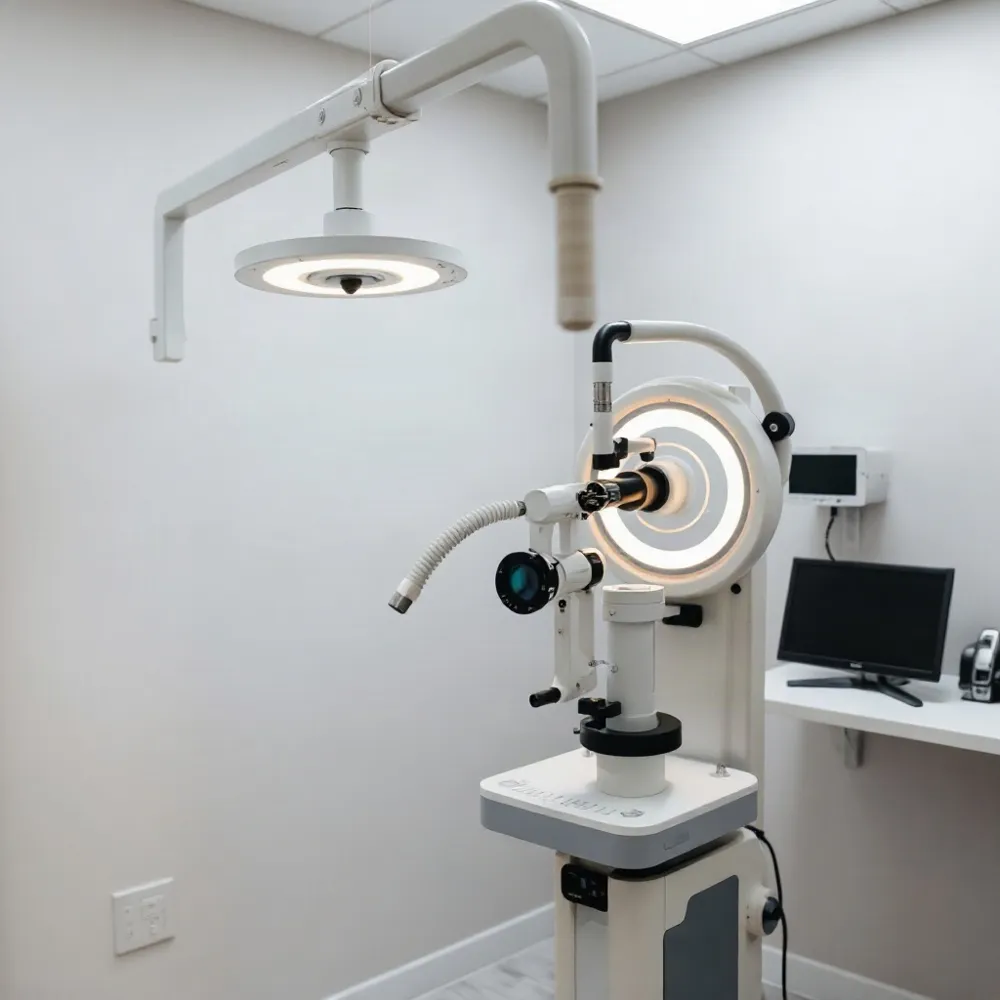 Age-related macular degeneration (AMD) damages the macula, the central part of the retina that provides sharp, detailed vision. As the macula changes, tasks such as reading, driving, and recognizing faces may become harder, while peripheral vision often remains relatively intact. AMD most often affects adults over 50, and it can involve one or both eyes, with different levels of change in each. Early AMD may cause few noticeable symptoms, so an eye exam can reveal changes before they are obvious in daily life. Cleveland Clinic’s overview of AMD describes its effects on central vision and how the disease can vary between eyes.
The two main forms are dry and wet AMD. Dry AMD is more common and is associated with drusen, small deposits beneath the retina, and gradual changes to macular tissue. It often progresses slowly, but advanced dry AMD can still cause substantial central vision loss.
Wet AMD occurs when abnormal blood vessels grow beneath the retina and leak blood or fluid. These changes can damage the macula more quickly and lead to sudden or serious central vision loss. New distortion or sudden blurring deserves prompt assessment by an eye-care professional. At Apple Eye Care in El Paso, retinal health can be assessed with advanced diagnostic equipment, including the DRI OCT Triton, which provides detailed imaging of the back of the eye.
Recognizing Changes in Vision
 Early age-related macular degeneration (AMD) may cause no noticeable symptoms. Changes can also be easy to miss when one eye compensates for the other, so normal-feeling vision does not rule out retinal changes.
As AMD develops, central vision may seem blurred or hazy. Reading, recognizing faces, or noticing fine details can become harder, and a gray, dark, or blank area may appear in the center. Difficulty seeing in dim light is another possible sign. AMD symptoms vary between people and between eyes.
Straight lines that look wavy or distorted can signal a change in the macula. New or sudden distortion, blurriness, or a dark central area warrants prompt assessment by an eye-care professional.
Dry AMD often changes gradually, while wet AMD can worsen more quickly; the course is not the same for everyone. At Apple Eye Care in El Paso, retinal assessment can include imaging with DRI OCT Triton, alongside a comprehensive eye exam. Regular monitoring helps an eye-care professional assess changes and advise on next steps.
Risk Factors and Family History
What causes macular degeneration, and what factors increase risk?
AMD has no single known cause. Aging-related changes in the retina interact with genetic and environmental influences, and risk generally rises with age, particularly after 50. Smoking is a well-established, modifiable risk factor. Excess weight, high blood pressure, cardiovascular disease, and diets high in saturated fats have also been associated with increased risk, though these associations do not mean any one factor will cause AMD. The Cleveland Clinic’s overview of AMD describes these risk factors and explains why regular eye examinations matter.
At Apple Eye Care in El Paso, comprehensive eye exams and retinal imaging with DRI OCT Triton can help assess eye health and identify changes that may not yet affect vision.
Does macular degeneration run in families?
Yes. Having a parent, sibling, or other close relative with AMD raises your risk, but it does not mean you will inevitably develop the condition. Research reviews identify age and family history as important risk factors, alongside smoking (review of AMD risk factors). Tell your eye-care professional about relatives with AMD, your smoking history, and relevant health conditions such as high blood pressure or cardiovascular disease. This information can help guide an appropriate assessment and monitoring plan.
Exams and Ongoing Monitoring
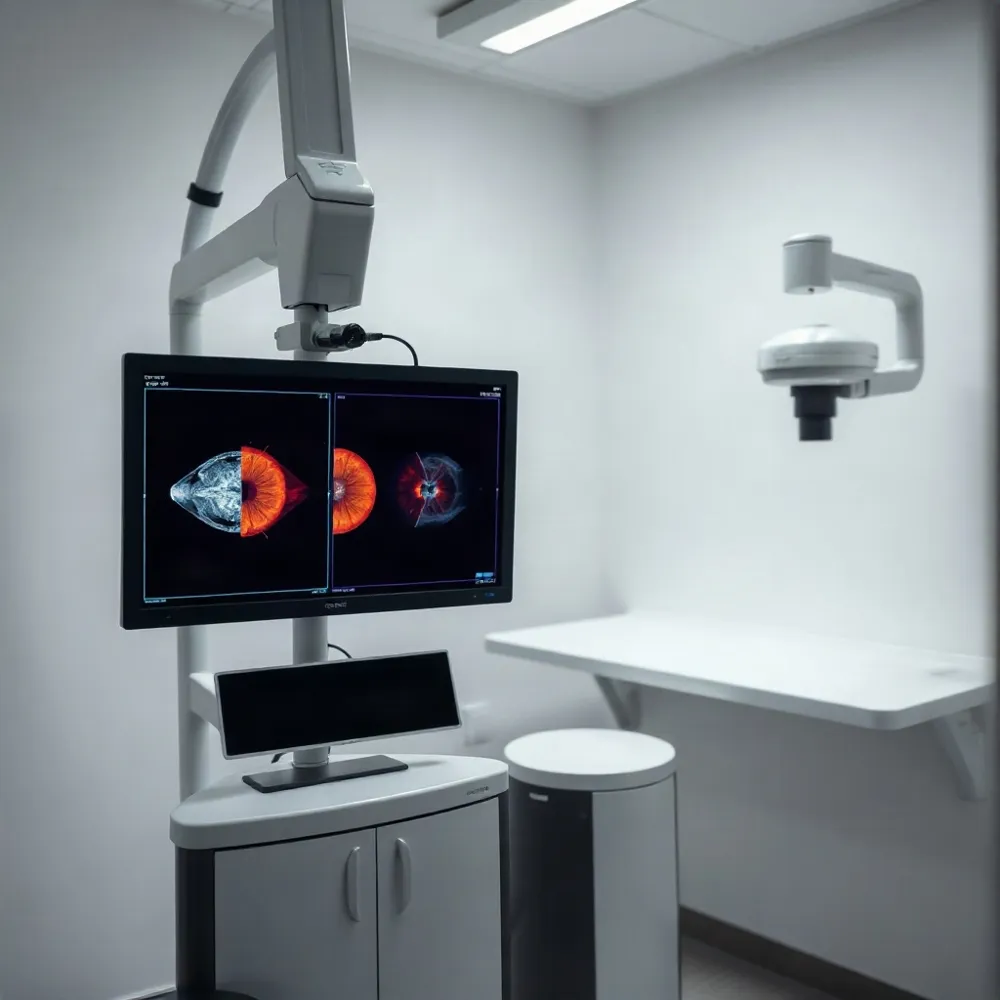 Macular degeneration is assessed through a combination of vision testing, examination of the retina, and imaging. A comprehensive eye exam may include dilating the pupils so the eye-care professional can view the retina and look for changes associated with AMD.
Optical coherence tomography (OCT) creates detailed images of the retina and macula. These images can help identify changes such as deposits, thinning, or fluid. Apple Eye Care offers comprehensive eye exams and DRI OCT Triton imaging, which supports retinal assessment but does not replace every test or specialist evaluation.
When leaking blood vessels are suspected, an ophthalmologist may use fluorescein angiography to assess blood flow and leakage. Follow-up exams and repeat imaging can help track changes and, for people receiving treatment, monitor their response. The timing depends on the findings and the eye doctor’s advice. AMD diagnosis and monitoring may involve several tests rather than one scan alone.
At home, an Amsler grid can help someone notice new distortion or missing areas in central vision. A change on the grid is a reason to contact an eye-care professional, but the grid does not diagnose AMD or replace regular examinations. Apple Eye Care’s comprehensive exams provide an opportunity to assess vision and retinal health over time.
Everyday Steps to Support Eye Health
If you smoke, seeking help to quit is a practical step to support eye health. Smoking is the best-established modifiable lifestyle risk factor for age-related macular degeneration (AMD), though quitting cannot guarantee prevention. The review of AMD prevention also describes possible benefits from healthy habits while noting that evidence for preventing AMD onset remains limited.
A varied eating pattern with leafy greens, fruits, vegetables, legumes, whole grains, and fish supports general health. Mediterranean-style diets have been associated with lower AMD risk in observational research, but that association does not prove that a diet prevents the condition. Regular physical activity, maintaining a healthy weight, and managing blood pressure and cholesterol are also sensible parts of overall health care.
No single habit removes AMD risk, which also reflects factors such as age and family history. Sunglasses can help protect eyes from ultraviolet light, but evidence that they specifically prevent AMD is limited. Blue-light-blocking glasses have not been established as AMD prevention. At Apple Eye Care, patients can discuss personal risk and retinal health during comprehensive care; its DRI OCT Triton supports detailed retinal imaging.
Diet and Supplements: What Evidence Shows
A varied diet with vegetables, fruit, whole grains, and fish can support general health. Some studies have associated Mediterranean-style eating patterns with lower AMD risk, but these findings do not prove that a particular food or diet prevents the disease. Research on food patterns and AMD prevention remains limited review of AMD prevention research.
The evidence for supplements is more specific. The AREDS2 formula may reduce the risk of progression to advanced AMD for people with intermediate AMD, or late AMD in one eye. It is not a general prevention supplement for healthy eyes or a proven benefit for people with only early AMD. An eye-care professional can assess the stage of AMD and whether the formula is suitable.
Supplement choice matters for people who smoke or used to smoke. The original AREDS formula contained beta-carotene, which is associated with increased lung-cancer risk in current and former smokers. AREDS2 replaces beta-carotene with lutein and zeaxanthin. Apple Eye Care’s comprehensive exams and retinal imaging can help assess eye health, while supplement decisions should also account for medical conditions and medications.
AREDS2 does not restore vision or reverse existing retinal damage, and it cannot guarantee that AMD will not progress. Discuss any high-dose eye supplement with an eye-care professional rather than starting one on your own.
Treatment and Protecting Remaining Vision
AMD cannot currently be cured, and damage to the macula is generally permanent, so lost vision is rarely fully restored. Treatment can still slow disease progression and help preserve remaining vision. The right approach depends on whether AMD is dry or wet and on its stage.
For dry AMD, monitoring helps an eye-care professional track retinal changes and decide when care should change. AREDS2 supplements may be recommended for some people with intermediate or advanced AMD, but they are not a general prevention measure or a fit for everyone. Geographic atrophy, an advanced form of dry AMD, may be treated with medicines that slow progression; a retina specialist can discuss suitability and availability. The American Academy of Ophthalmology’s overview of AMD treatments describes these options and their limits.
Wet AMD is commonly treated with anti-VEGF injections, which reduce abnormal blood-vessel activity and leakage. Treatment may preserve vision and can sometimes improve it, but repeated injections and consistent follow-up are often needed. The NHS overview of AMD treatment explains that care depends on the disease type and stage. At Apple Eye Care in El Paso, advanced retinal imaging with DRI OCT Triton can help assess retinal health; an eye-care professional can coordinate referral to a retina specialist when needed.
Seek prompt evaluation for sudden distortion, new blurring, a dark spot, or vision loss. Regular comprehensive exams help guide ongoing care. Treatment recommendations change as evidence develops, so older reviews should not be treated as current prescribing guidance; discuss options with an eye-care professional.
Make Monitoring Part of Your Care
Healthy habits may support eye health, but they cannot eliminate the possibility of age-related macular degeneration (AMD). Supplements are not suitable for everyone and are generally considered for specific stages of AMD, so discuss them with an eye-care professional rather than starting them on your own.
Keep comprehensive eye appointments, and tell your provider about family history, smoking, and other health concerns. Seek prompt advice if straight lines begin to look wavy or central vision changes, since early AMD may be difficult to notice. AMD monitoring and evaluation can include a retinal examination and imaging.
At Apple Eye Care in El Paso, personalized exams and DRI OCT Triton retinal imaging can help assess eye health over time. If findings call for care beyond the practice, your optometrist can coordinate referral to an appropriate specialist.