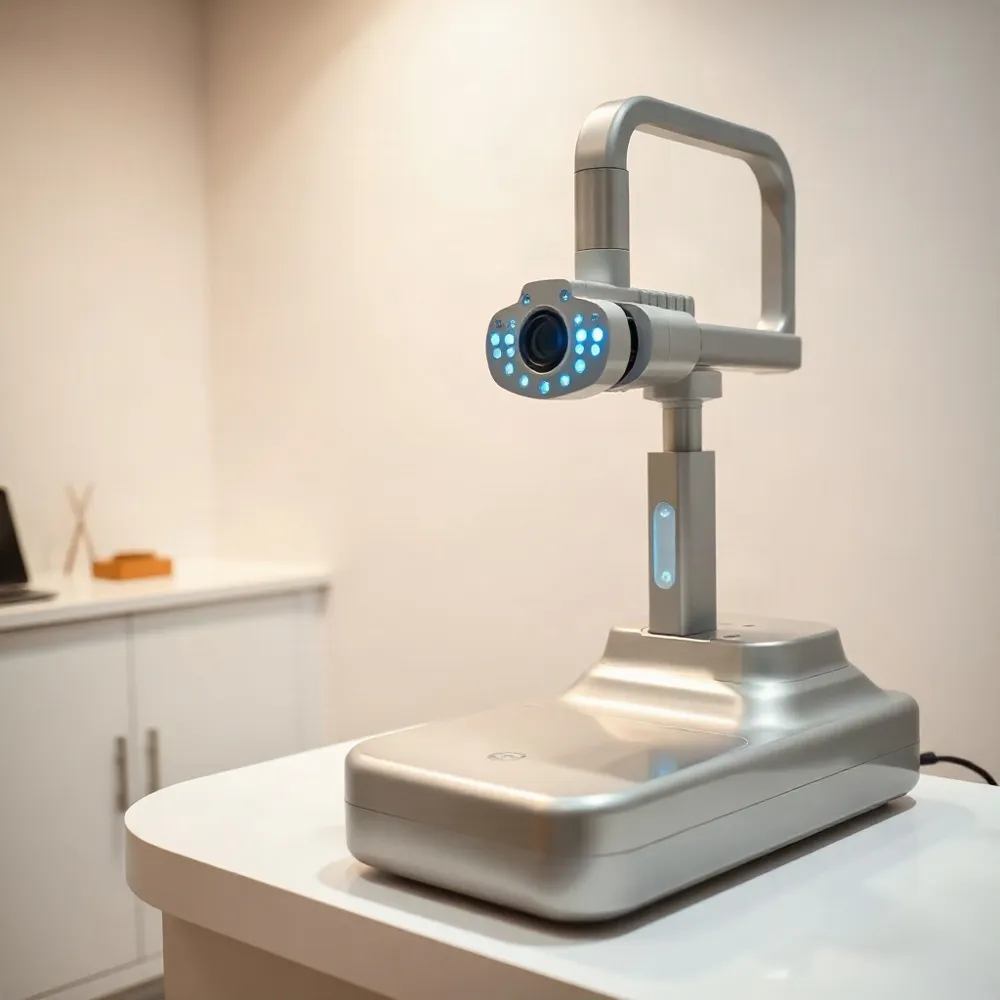
Seeing the Bigger Picture: From Simple Checks to Full‑Scale Eye Health
More Than 20/20: The Purpose of Comprehensive Eye Care
A comprehensive eye exam is far more than a quick vision screening. While a basic check might only measure distance acuity, a full evaluation dives into the overall health of your eyes and your body. The American Optometric Association (AOA) explains that these exams are a critical part of preventive health care because many serious eye conditions have no early warning signs. By the time symptoms appear, vision loss may already be significant.
A true comprehensive exam includes detailed patient history, refractive testing, and a dilated eye health evaluation. This thorough process allows doctors to spot early signs of glaucoma, cataracts, macular degeneration, and even systemic diseases like diabetes and hypertension. In short, a comprehensive exam acts as a window to your overall health.
A Proactive Approach to Preventive Health
Choosing a full-scale exam is a proactive step. Instead of waiting for a problem to arise, this approach helps prevent vision loss before it starts. The CDC recommends regular dilated eye exams for adults over 60 and those with risk factors like a family history of glaucoma. Early detection through these exams can preserve your quality of life, improve learning and work performance, and reduce the risk of accidents caused by undiagnosed visual issues.
Apple Eye Care: Family-Focused, Personalized Service
Apple Eye Care reflects this philosophy of proactive, preventive care. The practice’s family-focused model, led by Dr. Stephen Applebaum, emphasizes personalized attention and compassionate service. They aim to create a customized care plan for each patient, recognizing that every family member’s visual needs are unique. From routine exams that screen for common issues to advanced diagnostics like the DRI OCT Triton for detecting hidden problems, Apple Eye Care positions itself as a full-service partner in your family’s long-term eye health. Their goal is not just to correct vision, but to actively protect it for years to come.
| Aspect of Care | Basic Vision Screening | Comprehensive Eye Exam (Apple Eye Care) |
|---|---|---|
| Main Goal | Quick check of distance vision | Full health assessment & disease prevention |
| Key Components | Eye chart only | History, refraction, dilation, advanced imaging |
| Disease Detection | Minimal; misses most conditions | Catches glaucoma, diabetes, macular degeneration |
| Approach | Generic | Personalized, family-focused, preventive |
Understanding Comprehensive vs. Routine Exams
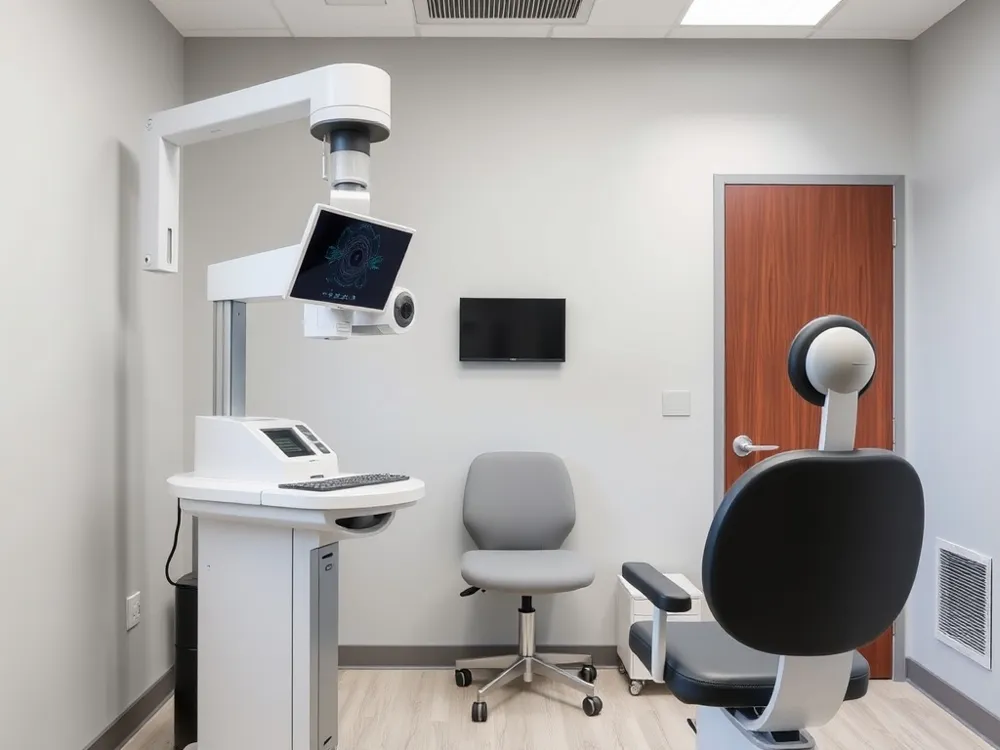
What is a comprehensive eye exam and how does it differ from a routine eye exam?
A comprehensive eye exam is a thorough clinical evaluation performed by a licensed optometrist. It combines visual acuity measurements, refraction testing, and functional assessments. Routine eye screenings are brief checks that primarily measure distance clarity. They lack detailed health monitoring and cannot identify underlying ocular diseases or systemic conditions.
- Visual acuity testing measures clarity at distance and near.
- Refraction determines precise lens power needs.
- Health evaluations check internal structures for abnormalities.
Does a comprehensive eye exam include dilation?
Yes, pupil dilation is a standard procedure. Medication widens the eyes to allow direct visualization of the retina, macula, and optic nerve. This critical step enables rapid identification of glaucoma, macular degeneration, and diabetic retinopathy before permanent vision loss occurs. Clinicians tailor the process to individual risk factors.
| Assessment Method | Primary Objective | Clinical Outcome |
|---|---|---|
| Comprehensive Exam | Full vision assessment | Prevents irreversible vision loss |
| Routine Screening | Quick acuity check | Establishes visual baseline |
| Pupil Dilation | Internal structure view | Detects early-stage diseases |
What Happens During a Full Exam
Understanding what happens during a comprehensive eye exam can help you feel prepared and informed. This detailed evaluation goes far beyond a simple vision screening, assessing the health of your eyes and your overall well-being. Each step plays a vital role in building a complete picture of your visual system.
Your Doctor Starts with Your Health History
The exam begins with a detailed review of your personal and family medical history, current medications, and any eye or vision symptoms you are experiencing. This information helps the optometrist understand your risk factors for eye diseases and tailor the evaluation to your specific needs. It is a crucial first step for personalized care.
Testing Your Vision: Acuity and Refraction
Core to the exam is a visual acuity testing (distance and near), where you read letters from a chart (like the Snellen chart) to measure how clearly you see at various distances. This is followed by refraction to determine corrective lens power, where the doctor uses a phoropter to fine-tune the exact lens power needed to correct nearsightedness, farsightedness, or astigmatism. These tests provide the data for an accurate glasses prescription.
Evaluating Eye Health with Specialized Tools
Your eye‑focusing, teaming, and movement assessment ensures your eyes work together properly. A slit-lamp examination and tonometry for eye‑health evaluation allows the doctor to examine the front structures of your eye (cornea, iris, lens). A puff of air or a gentle probe measures intraocular pressure measurement to screen for glaucoma. Finally, dilating drops widen your pupils for a detailed look at the retina and optic nerve (the dilated eye exam and intraocular pressure measurement). Advanced diagnostics like advanced retinal imaging and OCT diagnostics can then create cross-sectional images to detect early signs of macular degeneration or glaucoma.
| Test | What It Checks | Purpose & Outcome |
|---|---|---|
| Visual Acuity | Clarity of vision at distance | Measures sharpness; baseline for all other tests |
| Refraction | Exact lens power needed | Determines prescription for glasses (sphere, cylinder, axis) |
| Slit-Lamp Exam | Cornea, iris, lens, conjunctiva | Detects cataracts, infections, and corneal disease |
| Tonometry | Intraocular pressure (IOP) | Screens for glaucoma; high pressure requires monitoring |
| Dilated Retinal Exam | Retina, macula, optic nerve | Finds macular degeneration, diabetic retinopathy, glaucoma |
| OCT (Advanced Imaging) | Retinal layers & optic nerve | Provides detailed cross-sections for early disease detection |
Does the Exam Provide a Contact Lens Prescription?
While the comprehensive exam provides your glasses prescription, a separate contact lens exam is necessary. This fitting evaluates your corneal curvature, tear film quality, and pupil size to ensure a proper, healthy fit. Even if you already wear contacts, a dedicated exam is required annually to update your prescription and ensure ongoing comfort and eye health. A comprehensive eye examination is the foundation, but a contact lens fitting completes the process for lens wearers. It is a thorough process designed to capture every aspect of your eye health. This structured approach ensures that all necessary assessments are completed, from reviewing your history to prescribing the right glasses or contacts.
Adult Eye Exam Options and Specialized Care
What types of eye exams are used for adults?
Adults have several eye exam options depending on their age, health, and vision needs. A routine vision screening is a quick check that typically assesses only distance visual acuity. While common in schools or health fairs, screenings often miss more complex issues like eye coordination problems or early disease.
A comprehensive eye exam, performed by an optometrist or ophthalmologist, is far more thorough. It includes multiple tests: Visual acuity testing (distance and near), Refraction to determine corrective lens power, Eye‑focusing, teaming, and movement assessment, and Keratometry and corneal topography for contact lens fitting. Dilating drops are often used to widen the pupil, allowing for a detailed view of the retina and optic nerve. This type of exam is essential for detecting hidden eye diseases.
For specific conditions, specialty exams are available. These include evaluations for Care of the Patient with Primary Open‑Angle Glaucoma (measuring intraocular pressure and optic nerve health), Care of the Patient with Age‑Related Macular Degeneration (assessing central vision and the retina), and dry eye causes and risk factors (measuring tear production and quality). At Apple Eye Care, such exams are enhanced by the DRI OCT Triton imaging, an advanced imaging technology that provides high‑resolution scans of the eye’s structures, enabling early and precise diagnosis.
Exam Frequency Recommendations
Frequency guidelines depend on age and risk factors. For adults aged 18 to 64 with low risk, a Comprehensive eye examinations is recommended every two years. Those at higher risk—due to family history of eye disease, diabetes, or contact lens wear—should have an exam annually. For adults aged 65 and older, yearly exams are standard to monitor for age-related conditions.
What eye diseases can be detected during a Comprehensive eye examination?
A comprehensive eye exam can detect a wide range of diseases, often before symptoms appear. Common findings include:
| Disease/ Condition | Key Signs Detected | Why Early Detection Matters |
|---|---|---|
| Cataracts | Clouding of the lens | Can be monitored; surgery restores vision when needed. |
| Care of the Patient with Primary Open‑Angle Glaucoma | Increased intraocular pressure, optic nerve damage | Often symptom-free early; early treatment prevents vision loss. |
| Care of the Patient with Age‑Related Macular Degeneration | Drusen deposits, changes in the macula | Slows progression to preserve central vision. |
| Detecting macular degeneration and diabetic retinopathy | Damaged blood vessels in the retina | Early management reduces risk of blindness. |
| Dry eye syndrome overview | Insufficient tear film, corneal surface damage | Improves comfort and prevents corneal injury. |
| Hypertensive retinopathy | Narrowed or leaking retinal vessels | Signals uncontrolled high blood pressure. |
Beyond eye-specific diseases, the exam can reveal signs of systemic conditions like diabetes, high blood pressure and high cholesterol. Because these issues often have no early symptoms, Comprehensive eye examinations are vital for preserving both vision and overall health. Apple Eye Care’s use of the DRI OCT Triton imaging enhances detection capabilities, ensuring thorough and personalized care.
Cost, Insurance, and Access
Is a comprehensive eye exam typically covered by insurance?
Coverage for a comprehensive eye exam depends on your insurance plan. Vision insurance often includes one routine exam per year. Medical insurance might cover the exam if an eye disease is suspected. However, standard health plans usually do not cover routine checks for glasses or contacts. For instance, Medicare does not cover routine eye exams for eyeglasses. Coverage varies, so verify your specific benefits with your insurer.
How much does a comprehensive eye exam cost without insurance?
Without insurance, the cost of a comprehensive eye exam in the U.S. typically ranges from $150 to $250. National averages fall between $136 and $200. The price can be higher due to advanced diagnostic testing. Contact Apple Eye Care directly for an exact quote and to discuss affordable options.
| Coverage Type | Typical Coverage | Key Details |
|---|---|---|
| Vision Insurance | One routine exam per year | Often covers basic refraction and standard tests. |
| Medical Insurance | Exam if disease is suspected | Does not cover vision correction (glasses/contacts). |
| Out-of-Pocket Cost | $150 - $250 | Price varies by location, technology, and needed tests. |
| Apple Eye Care | Transparent pricing | Offers affordable options and current specials. |
Professional Standards, Ethics, and Evidence‑Based Care
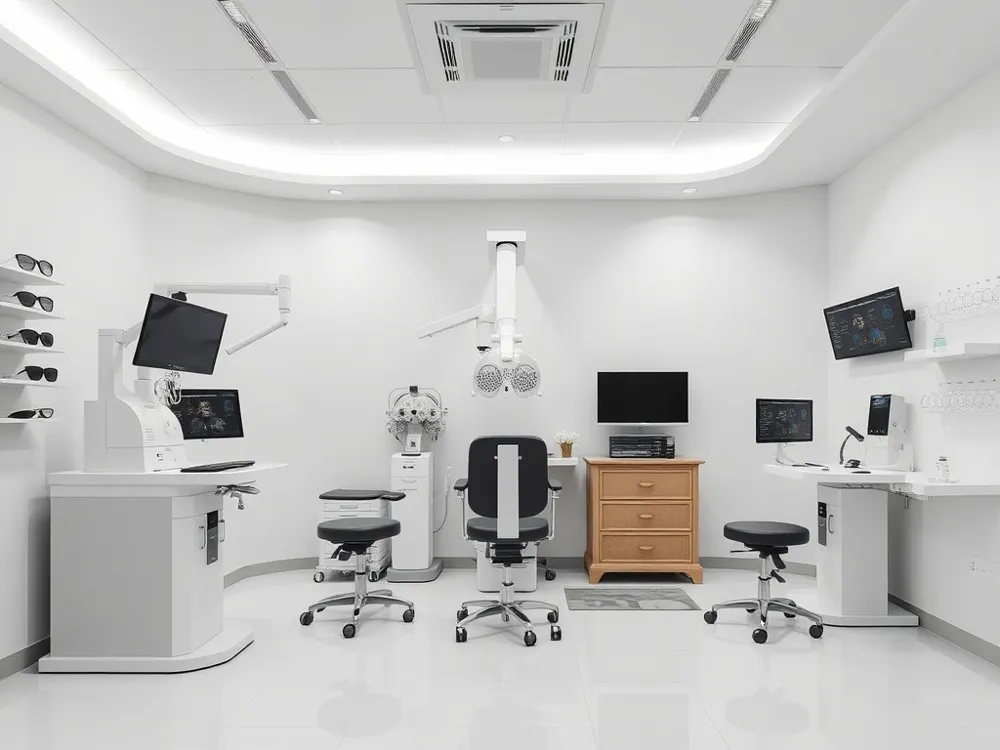
What are the current evidence‑based practice guidelines for optometry?
Current evidence‑based practice guidelines for optometry are developed by the American Optometric Association (AOA) through a rigorous 14‑step process that aligns with National Academies of Sciences, Engineering, and Medicine standards. This process involves multidisciplinary expert panels, systematic literature reviews, grading of evidence, and transparent articulation of recommendations. Key AOA guidelines include the Comprehensive Adult Eye and Vision Examination, Care of the Patient with Primary Open‑Angle Glaucoma, and Eye Care of the Patient with Diabetes Mellitus, all updated to reflect peer‑reviewed research. Additionally, the AOA publishes clinical reports on emerging topics such as myopia management and GLP‑1RAs and ocular health. Practitioners can also access an extensive index of over 200 guideline documents from optometry and ophthalmology sources via resources like Review of Optometry, ensuring up‑to‑date, evidence‑based protocols for a wide range of conditions.
What ethical considerations are important for optometrists to follow?
Key ethical considerations for optometrists include prioritizing patient eye, vision, and general health above all else, as emphasized in the AOA's Code of Ethics and Optometric Oath. Practitioners must respect patients' rights and dignity in health care decisions, ensure confidentiality and privacy of personal information, and advise patients when referral to another professional is appropriate. Optometrists should avoid conflicts of interest, provide care based on clinical need rather than profit, and strive to improve access to care and health equity. Continuous advancement of professional knowledge and skills, maintaining practices according to professional standards, and fostering ethical, cordial relationships with other health care professionals are also essential. These principles align with the AOA's standards and the World Council of Optometry's code of conduct, guiding optometrists to act with honesty, integrity, fairness, kindness, and compassion.
Can optometrists prescribe antibiotics such as azithromycin?
Yes, optometrists can prescribe antibiotics such as azithromycin, but their prescribing authority depends on state regulations and the form of the medication. Topical azithromycin is commonly prescribed by optometrists for ocular surface infections, meibomian gland dysfunction, and conditions like blepharitis, as it is considered safe and effective. In many states, optometrists with therapeutic pharmaceutical authority can also prescribe oral azithromycin for systemic or periocular infections, such as preseptal cellulitis or trachoma, but must carefully consider potential side effects and patient history. Oral azithromycin is generally reserved for more serious cases and requires a thorough evaluation of allergies, liver and kidney function, and possible drug interactions. At Apple Eye Care, Dr. Stephen Applebaum follows these guidelines to ensure safe and effective treatment for each patient.
What resources can patients use to learn more about eye health and optometry?
Patients can learn more about eye health and optometry through reputable national organizations like the American Academy of Ophthalmology (AAO), the American Optometric Association (AOA), and the National Eye Institute, all of which offer extensive educational materials and online tools. In addition, many leading eye care providers—such as UCHealth Eye Centers and CU Medicine Optometry—maintain online resources that explain common conditions, treatments, and the role of optometrists and ophthalmologists. These clinic‑based resources often include detailed information on services like comprehensive eye exams, dry eye management, cataract care, and advanced diagnostics. Local practices similar to Apple Eye Care also provide educational content tailored to their community, covering topics from vision correction to disease management. By exploring these sources, patients can better understand their eye health and make informed decisions about their care.
| Topic | Key Standard | Practical Application |
|---|---|---|
| Evidence‑Based Guidelines | AOA's 14‑step process aligned with NASEM standards | Guides diagnosis and treatment of conditions like glaucoma and diabetes |
| Ethical Conduct | AOA Code of Ethics & WCO Code of Conduct | Ensures patient‑first care, confidentiality, and equity |
| Antibiotic Prescribing | State‑regulated therapeutic authority | Prescribe topical/oral azithromycin for infections (e.g., blepharitis) |
| Patient Education | Resources from AAO, AOA, NEI | Supports informed choices on eye health and treatment |
Your Vision Journey Starts Here
A Spectrum of Care Under One Roof
From routine vision checks to the management of complex conditions like dry eye, glaucoma, and cataracts, a comprehensive eye care practice offers a complete spectrum of services. The goal is to maintain your visual health and detect any issues early, often before symptoms appear. This integrated approach ensures that your eye care is coordinated and efficient.
Powered by Advanced Technology
Modern eye care relies on sophisticated diagnostic tools. Technologies like the DRI OCT Triton provide high-resolution images of the retina, allowing for the early detection of diseases. This commitment to advanced equipment means your eye health is assessed with precision, enabling a truly personalized treatment plan.
Your Next Step
The most important step in your vision journey is simply scheduling an appointment. A comprehensive eye exam is a vital part of your overall health routine. Contact us today to book your visit and experience the difference that personalized, technology-driven care can make.