Why Coordinate Eye Care Across Generations?
Eye care is a universal need. From a child's first visual experiences to an older adult’s struggle with age-related vision loss, every person depends on the support of others—family, friends, and medical professionals—at some point. When care systems function well, young children receive the screenings they need for development, adults maintain productivity and safety, and seniors retain their independence and quality of life. Coordinating this care across generations is not just a convenience; it is a strategic health practice that ensures no family member's vision is neglected.
The Reality of Eye Care Access and Economic Pressures
Despite the U.S. spending over $400 billion annually on personal health, significant gaps in access persist. Many families, especially those in rural or low-income communities, face barriers such as high costs for exams and eyewear, a shortage of providers, and limited transportation. The economic strain is real: childcare and healthcare compete for the same limited family budget. These challenges are compounded by the fact that millions of Americans with vision problems are unaware of their condition. For example, up to one in four school-aged children has an undetected vision disorder that can hinder learning. These access issues highlight the critical role of a coordinated, family-focused approach.
The Strategic Advantage of a Multigenerational Practice
A family-focused eye care practice like Apple Eye Care is uniquely positioned to overcome these hurdles by serving as a central hub for everyone. This model offers several concrete advantages:
| Aspect of Care | The Challenge for Families | How a Coordinated Practice Helps |
|---|---|---|
| Scheduling | Busy parents struggle to book separate appointments for children, themselves, and elderly relatives. | Offers extended hours, online booking, and encourages pairing parent and child visits for convenience. |
| Health History | Families rarely share their history of glaucoma, AMD, or myopia, missing chances for early detection. | Reviews and tracks the entire family’s eye health history, identifying hereditary risks before symptoms appear. |
| Communication | Confusion arises when different providers give conflicting advice or use different terminology. | Provides consistent, clear guidance from one trusted source who understands the family’s lifestyle. |
| Cost & Insurance | Navigating vision insurance and out-of-pocket costs can be overwhelming for multi-person households. | Offers direct insurance billing and transparent pricing, making care predictable and easier to manage. |
A Team That Reflects the Community
This approach goes beyond clinical treatment. A staff that spans multiple generations—from Baby Boomers to Gen Z—brings a diversity of strengths that directly benefit patients. Older team members often excel at building rapport and offering reassurance, while younger staff bring cultural sensitivity and are attuned to changing social norms. When a team mirrors its patient base, every individual feels seen, heard, and cared for. This intentional integration of generational talent creates a more responsive and empathetic care experience.
Building a Culture of Proactive Health
Coordinated care also fosters a shared responsibility for vision health. Practices can create
The Foundation: Know Your Family History and Prevent Hereditary Eye Disease
A family health history records the traits and conditions shared among relatives, providing your eye doctor with essential information about hereditary risks for conditions like glaucoma and cataracts. A comprehensive guide to family eye care should start here: understanding what runs in your family is the first step toward prevention across generations.
Is macular degeneration inherited from mother or father?
Macular degeneration is not strictly inherited from either your mother or father in a simple dominant or recessive pattern. Instead, it results from a combination of genetic and environmental factors, with multiple genes contributing to your risk. Having a parent with age-related macular degeneration (AMD) does increase your risk—about twice that of someone without affected parents. However, lifestyle factors such as smoking, diet, and overall health play a significant role, meaning family history alone does not determine whether you will get AMD. While you may inherit genetic risk from either side of your family, the disease itself is not directly passed down from one parent.
What is the number one vitamin for macular degeneration?
Vitamin C, found in colorful fruits and vegetables, is an important antioxidant that may lower the risk of developing cataracts and reduce the progression of age-related macular degeneration when combined with vitamin E, copper, zinc, lutein, and zeaxanthin.
Genetic risks for glaucoma, AMD, cataracts, and myopia
Family history is a major risk factor for several eye diseases. Having a relative with glaucoma makes a person four to nine times more likely to develop the condition. Age-related macular degeneration (AMD) is strongly influenced by genetics; having a parent or sibling with AMD significantly raises one’s own risk. Certain cataracts, such as congenital cataracts, can be hereditary and may appear early in life. Myopia (nearsightedness) has a strong genetic component; children with two nearsighted parents are more likely to develop myopia, and high myopia further increases the risk of retinal detachment and glaucoma. Strabismus (crossed eyes) often has genetic underpinnings, and a family history raises the likelihood of the condition, which can lead to amblyopia if not treated early.
How can I prevent macular degeneration?
To reduce your risk of macular degeneration, avoid smoking, as it significantly increases your likelihood of developing the condition. Eat a diet rich in leafy greens, colorful fruits, and fish, and consider AREDS nutritional supplements if you're at risk. Protect your eyes from UV light with sunglasses labeled UV 400, and maintain healthy blood pressure, cholesterol, and weight through regular exercise. Know your family eye-health history and monitor your vision at home with an Amsler grid. Schedule regular comprehensive eye exams, including advanced imaging like OCT, to catch early signs of disease.
Can macular degeneration be cured?
Currently, there is no cure for macular degeneration. However, treatments like anti-VEGF injections, laser therapy, and lifestyle modifications can slow progression and, in some cases, even improve vision. Promising research, including gene therapy and stem cell patches, is underway and has shown early success in restoring sight, but these are not yet widely available cures. The claim 'I cured my macular degeneration' is not supported by medical evidence. Early detection and regular management remain key to preserving vision. Annual dilated eye examinations should begin around age 50 for people with a family history of AMD. Home vision monitoring using an Amsler grid can help detect changes early.
Conducting family health conversations
Discussing eye health during convenient family moments—like dinner, car rides, or while doing chores—can make gathering family eye-health history easier. Explain the purpose of the conversation (e.g., “my eye doctor wants to know about any family eye-health issues”) to encourage family members to share relevant details. Collect specific details such as the type of eye disease and the age at which it first appeared, as these help eye care professionals tailor screening and prevention strategies. After gathering information, write down the eye conditions and ages of onset and share this summary with your eye doctor to enable personalized care plans.
Preventive actions and lifestyle changes
The single greatest modifiable risk for AMD is cigarette smoking, as smoke induces ocular inflammation; quitting smoking is the most important step to lower your risk. Maintaining a healthy weight through diet and regular exercise can reduce AMD risk. A diet rich in fruits, vegetables, and fatty fish (salmon, tuna, mackerel) consumed twice weekly is associated with lower AMD incidence. Wearing gray or brown-tinted sunglasses and a hat protects against lifetime exposure to bright light, which may increase AMD risk. The AREDS2 antioxidant vitamin formula can reduce the chance of progressing from intermediate to late-stage AMD by about 25%, but only for individuals with a certain number of drusen detected on a dilated exam; it is not recommended for family members without drusen.
| Condition | Genetic Risk | Family History Influence | Key Preventive Action |
|---|---|---|---|
| Age-Related Macular Degeneration (AMD) | Multiple genes involved | Having a parent with AMD doubles risk; sibling history also significant | Quit smoking, eat leafy greens & fish, UV protection, AREDS2 supplements if indicated |
| Glaucoma | Several genes identified | 4-9 times higher risk if a relative has it | Regular eye exams, early treatment to prevent vision loss |
| Cataracts | Some types inherited (e.g., congenital) | Family history can increase risk; earlier onset in lighter eye colors | UV protection, antioxidant-rich diet |
| Myopia (Nearsightedness) | Strong genetic component | Two nearsighted parents increase child’s risk | Regular exams, outdoor time to slow progression |
| Strabismus (Crossed Eyes) | Genetic underpinnings | Family history raises likelihood | Early childhood screening and treatment to prevent amblyopia |
Regular comprehensive eye exams are crucial for individuals with a family history of eye diseases, enabling early detection and intervention to preserve vision. By gathering your family's eye health story and taking preventive action, you can protect your vision and the vision of your loved ones for years to come.
Age-by-Age Vision Screening and Exam Guidelines for the Whole Family
Understanding the recommended vision screening guidelines for each family member is the first step to building a consistent eye care routine. A family-focused practice like Apple Eye Care relies on these schedules to provide proactive care across all generations, from infancy through the senior years.
What are vision screening guidelines for children and adults?
For children, professional bodies like the American Academy of Pediatrics and the American Optometric Association provide clear age-based timelines.
Infant Screening (6-12 months)
The first comprehensive eye exam should occur between 6 and 12 months of age. This initial exam checks for proper eye development, alignment, and the presence of congenital issues like cataracts or retinoblastoma. It establishes a baseline for lifelong eye health.
Preschool and School-Age Children (3-17 years)
- Ages 3-5: At least one comprehensive exam is recommended before kindergarten. This is crucial for detecting amblyopia (lazy eye) and refractive errors like myopia or astigmatism. Standardized tests, such as LEA Symbols, are used.
- Ages 6-17: Children should have an exam before first grade and then annually. The focus shifts to detecting uncorrected refractive errors that affect learning, with Sloan letters often used for older children.
- Key Milestones: Well-child visits include vision screening at ages 3, 4, 5, 6, 8, 10, 12, and 15.
Adults (18-64 years) and Seniors (65+)
- Adults 18-64: A comprehensive exam every two years is standard for low-risk adults. Annual exams are advised for contact lens wearers or those with risk factors.
- Seniors 65+: An annual comprehensive exam is recommended due to the increased risk of cataracts, glaucoma, and age-related macular degeneration (AMD). Early detection is vital for preserving vision and independence.
Are eye tests free if you have glaucoma?
Coverage for eye exams varies. In the U.S., Medicare and many private insurers cover annual dilated exams for those diagnosed with glaucoma or considered at high risk (e.g. African American over 40). Some programs offer free or low-cost screenings for uninsured individuals. For specific guidance, contact Apple Eye Care or your insurance provider.
At-Risk Groups and Special Health Care Needs
Children and adults with specific risk factors require more frequent or immediate comprehensive exams.
Pediatric Risk Factors
- Conditions requiring direct referral: Observable eye abnormalities (strabismus, ptosis), prematurity, family history of strabismus/amblyopia, or any parental/teacher concern.
- Special health care needs: Children with diabetes, juvenile idiopathic arthritis, or neurodevelopmental disorders (autism, Down syndrome) should bypass screening and have an immediate comprehensive exam.
- Parental awareness: Watch for signs like squinting, sitting too close to screens, or frequent headaches.
Adult Risk Factors
- Systemic conditions: Diabetes (annual dilated exam), hypertension, and high cholesterol are major risk factors for diabetic retinopathy and other eye diseases.
- Family history: A relative with glaucoma increases your risk four-to-nine times. A family history of AMD or cataracts also elevates risk.
- Other factors: High myopia, previous eye injuries, contact lens wear, and use of medications affecting the retina (e.g. hydroxychloroquine) require tailored, more frequent monitoring.
Coordinated Care Strategies
- Family health history: Gather details about eye diseases and the age they appeared in relatives. Share this with your optometrist.
- Shared appointments: Consider “Family Eye Health Days” to schedule group appointments, fostering a culture of proactive care.
- Bridging generations: A multigenerational team mirrors a diverse patient base, bringing unique perspectives that elevate the patient experience for everyone.
By following these age-specific guidelines and understanding risk factors, families can make informed decisions to protect their vision for years to come.
| Age Group | Recommended Exam Frequency | Primary Focus | Risk Factors for More Frequent Exams |
|---|---|---|---|
| Infants (6-12 months) | Once | Eye health, alignment, development | Prematurity, family history of eye disease |
| Preschool (3-5 years) | At least once before kindergarten | Amblyopia, refractive errors | Strabismus, neurodevelopmental disorders |
| School-Age (6-17 years) | Annually after first grade | Refractive errors, learning-related issues | High myopia, diabetes, contact lens wear |
| Adults (18-64 years) | Every 1-2 years | Presbyopia, early disease signs | Diabetes, hypertension, family history |
| Seniors (65+) | Annually | Cataracts, glaucoma, AMD | Chronic disease, medication side effects |
Modern Challenges, Modern Solutions: Digital Eye Strain and Dry Eye
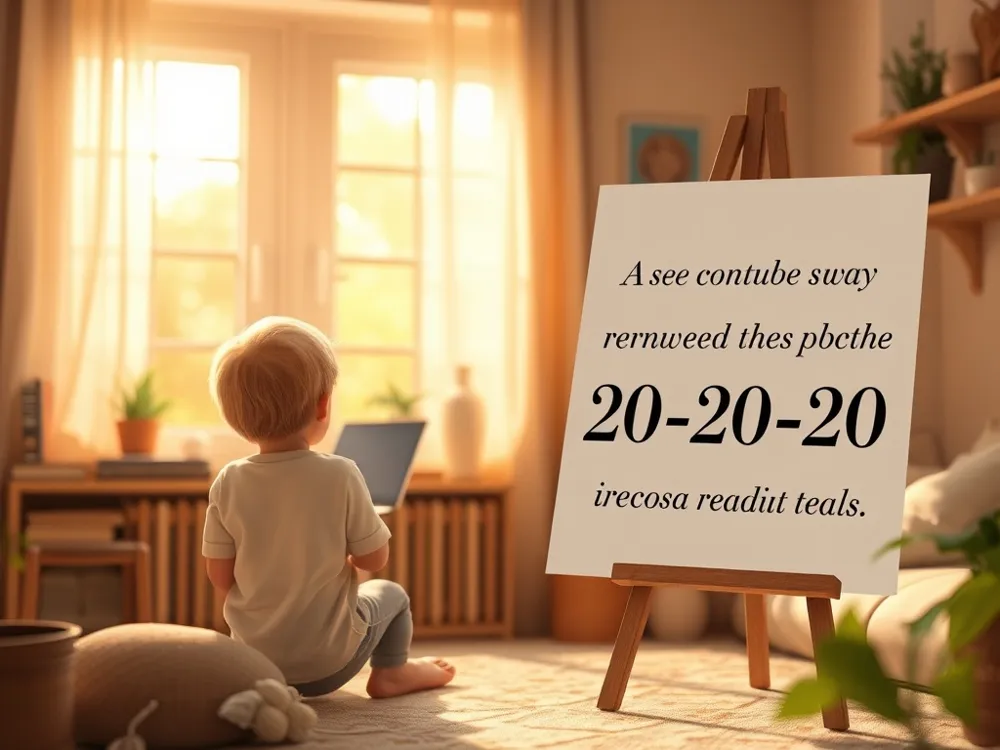
What is the 20-20-20 rule for eye health, and how does it apply to children?
The 20-20-20 rule is a simple, evidence-based strategy to reduce digital eye strain (also called computer vision syndrome). It recommends that during any near work — whether on a computer, tablet, or phone — you pause every 20 minutes and look at an object 20 feet away for at least 20 seconds. This brief break relaxes the eye's focusing muscles, reduces fatigue, and encourages blinking, which helps keep the eyes moist.
For children, the 20-20-20 rule is especially critical. Young eyes are still developing, and extended screen time can lead to eye fatigue, dry eyes, and difficulty refocusing after device use. Children often become absorbed in games or videos and forget to take breaks. Parents can help by setting timers or using apps that remind the child to look up. An enhanced version — the 20-20-20-2 rule — adds two hours of outdoor time daily. Natural daylight and distance viewing support healthy eye development and can lower the risk of myopia (nearsightedness). Consistent use of the rule helps maintain comfort and supports long-term eye health for kids.
How can I prevent digital eye strain from computers and devices?
Preventing digital eye strain involves a combination of the 20-20-20 rule and adjustments to your workspace. Start by following the 20-20-20 rule as a baseline. In addition, blink consciously — studies show people blink only 5 to 7 times per minute while using screens, compared to a normal rate of about 15 to 20. Frequent blinking keeps the tear film stable. If needed, use preservative-free artificial tears or a desktop humidifier to add moisture to dry office air.
Ergonomics matter just as much. Adjust your screen's brightness and contrast to match the surrounding light. Reduce glare by using a matte screen filter or positioning the monitor away from windows. The screen should be about an arm's length away (roughly 25 inches) with the top of the monitor slightly below eye level, so you look downward slightly. Consider computer eyeglasses prescribed for intermediate distance — these are different from blue-light-blocking glasses and are specifically designed to ease focusing on screens. Regular comprehensive eye exams at Apple Eye Care can identify uncorrected issues like farsightedness or astigmatism that make strain worse.
What lifestyle changes can help with dry eye?
Dry eye is a common complaint in the digital age, but several lifestyle changes can provide relief. Start with hydration — drink plenty of water throughout the day to support tear production. Use a humidifier in your home or office to counteract dry indoor air, especially in winter or air-conditioned spaces.
Take regular breaks from screens and make a conscious effort to blink fully and frequently. When focusing on a screen, people blink less completely, causing tears to evaporate faster. Avoid smoke, wind, and dry environments. When outdoors on a windy day, wear wraparound sunglasses to shield your eyes.
Diet plays a significant role in managing dry eye. A diet rich in omega-3 fatty acids — found in salmon, walnuts, and flaxseeds — can reduce inflammation of the ocular surface. The Mediterranean diet, high in fruits, vegetables, whole grains, and olive oil, also supports tear quality. If you smoke, quitting is one of the most important steps you can take. Smoking worsens dry eye by damaging the tear film and increasing inflammation on the eye's surface.
For persistent symptoms, Apple Eye Care offers advanced diagnostics to assess tear film and gland function, allowing for personalized treatment plans that go beyond home care.
| Concern | Primary Recommendation | Additional Tips | When to See an Eye Doctor |
|---|---|---|---|
| Digital eye strain | Follow the 20-20-20 rule | Adjust screen brightness, use intermediate-distance glasses | If symptoms persist despite breaks |
| Children's screen use | Use 20-20-20-2 rule (add 2 hours outdoors) | Set timers, encourage outdoor play | Annually or if child complains of headaches/eyestrain |
| Dry eye (mild) | Use artificial tears, humidifier | Blink fully, avoid smoke/wind | If symptoms interfere with daily life |
| Dry eye (moderate-severe) | Omega-3 supplements, warm compresses | Working with an eye doctor on prescription drops or in-office treatments | Promptly, to prevent corneal damage |
| Screen ergonomics | Position screen 25 inches away, top below eye level | Use matte anti-glare filter, reduce overhead lighting | As part of annual comprehensive eye exam |
| General prevention | Regular comprehensive eye exams | Wear UV-blocking sunglasses outdoors | Schedule per age-based guidelines (every 1 to 2 years) |
By incorporating these strategies into your daily routine, families can minimize screen-related discomfort, protect long-term vision, and enjoy a more comfortable experience with digital devices at every age.
Leveraging Advanced Technology for All Ages
 The field of eye care is experiencing a technological revolution, with innovations that benefit patients from the youngest to the oldest. These advancements are making diagnostics earlier, treatments more precise, and care more personalized than ever before. By integrating these tools, a modern practice can provide a higher standard of care for every family member, turning technology into a powerful ally for lifelong vision health.
What are the latest advancements in eye care?
Artificial intelligence (AI) represents a new frontier in eye health. AI-powered diagnostic algorithms can now analyze retinal images to detect early signs of diabetic retinopathy, age-related macular degeneration (AMD), and glaucoma, often before a human eye can perceive them. This allows for intervention at the earliest, most treatable stages. Telemedicine has also emerged as a vital tool, enabling remote consultations for follow-up care, prescription management, and triaging urgent symptoms. This is especially valuable for families with busy schedules or elderly members with mobility challenges. Personalized eye exams are also becoming the standard, integrating a patient’s lifestyle, digital habits, and genetic predispositions to create a tailored care plan.
Advanced contact lenses and surgical innovations
Technology has dramatically expanded options for vision correction and therapy. Advanced contact lenses now include multifocal designs for presbyopia, custom lenses for irregular corneas, and even those with built-in sensors to monitor intraocular pressure for glaucoma patients. In surgery, the femtosecond laser has revolutionized cataract procedures by creating precise incisions and softening the cataract before removal, leading to faster recovery and predictable results. Customizable intraocular lenses can now correct astigmatism and provide clear vision at multiple distances. For refractive correction, LASIK and other laser vision correction procedures continue to evolve, offering enhanced precision and faster visual recovery. These surgical innovations provide safe and effective solutions for active adults and seniors alike.
Apple Eye Care's DRI OCT Triton and other tools for early detection
Apple Eye Care focuses on early detection to prevent vision loss. The practice employs advanced diagnostic technology such as the DRI OCT Triton, a swept-source optical coherence tomography (OCT) device that provides ultra-high-resolution, deep-penetration images of the retina and optic nerve. This allows for the detection of subtle changes associated with glaucoma, age-related macular degeneration (AMD), and other retinal diseases long before symptoms appear. This tool, alongside digital retinal photography and visual field analyzers, creates a comprehensive baseline for each family member, allowing the optometrist to monitor changes over time precisely. These sophisticated instruments turn the clinic into a proactive center for eye health, catching problems early when treatment is most effective.
Preventative care emphasis
The common thread across all these technological advancements is a strong emphasis on preventative care. By leveraging AI for early screening, using telemedicine for convenient check-ins, and employing high-resolution imaging to track minute changes, the focus shifts from treating disease to preventing its progression. A comprehensive family eye health strategy uses these tools not just to react to problems, but to actively build a proactive vision health plan. This culture of prevention, supported by the latest innovations, ensures that every generation in a family can maintain optimal vision and eye health for years to come.
| Technology | Application | Generational Benefit |
|---|---|---|
| AI Diagnostics | Early detection of diabetic retinopathy, glaucoma, age-related macular degeneration (AMD) | Catches disease before symptoms for all ages |
| Telemedicine | Remote consultations, follow-up care, triage | Convenient for working parents and seniors |
| DRI OCT Triton | High-resolution imaging of retina & optic nerve | Monitors subtle changes for preventative care |
| Femtosecond laser Cataract Surgery | Precise, blade-free cataract removal | Faster recovery for active seniors |
| LASIK & Advanced Intraocular Lenses | Vision correction and multifocal lens implants | Reduces dependence on glasses for adults |
| Advanced Contact Lenses | Multifocal designs for presbyopia, sensor-based monitoring | Addresses presbyopia and manages glaucoma |
Building a Culture of Shared Eye Health at Home
 Coordinating eye care for an entire family can be challenging with busy schedules and different priorities. One effective strategy to overcome this is establishing regular Family Eye Health Days. This concept involves scheduling group appointments for multiple family members on the same day or within a short period. As suggested by industry insights, this can be followed by family discussions about vision health. This approach not only simplifies logistics but also fosters a shared responsibility for eye wellness, ensuring that no one’s vision check is overlooked. Such a routine makes eye care a positive, proactive family habit rather than a reactive chore, reinforcing the practice's role as a central partner in multigenerational wellness.
Marketing to Different Generations
Effectively communicating with a broad patient base requires a tailored approach. Older generations, such as Baby Boomers, are brand-loyal and respond best to personal referrals, face-to-face interactions at community events, and educational seminars on topics like cataract surgery. In contrast, Millennials and Generation Z are digital natives who depend on online research, social media marketing, and positive reviews from platforms like Yelp or Instagram. The most successful practices employ a blended strategy. They maintain a robust, mobile-friendly website with an educational blog and engage on social media while also hosting community seminars and sponsoring local events to build brand familiarity across all age groups.
Cross-Generational Communication in the Practice
A cohesive practice team is essential for providing consistent, high-quality care. However, with clinical and administrative staff often spanning four generations—Baby Boomers, Gen X, Millennials, and Gen Z—communication preferences can vary drastically. To bridge these gaps, leaders can encourage reverse mentorship, pairing, for example, a Baby Boomer’s institutional knowledge with a Gen Z employee’s tech fluency. This mutual learning creates respect and improves team efficiency. Inclusive language is also critical. Instead of assuming a colleague’s comfort with technology, a more collaborative question like, “Processes have evolved—how have you handled this in the past?” fosters teamwork. Such strategies create a respectful, efficient workplace culture where every team member feels heard, directly benefiting patient care.
Coordinated Care Through Co-Management
For complex conditions or surgical needs, continuity of care is paramount. A successful co-management model involves primary eye care providers working collaboratively with specialists, such as ophthalmologists, to ensure patients receive the best of both worlds. In this model, optometrists handle pre-operative and post-operative care while the specialist focuses on the surgical procedure. This partnership increases patient access to timely, quality care and ensures no one falls through the cracks. The core of successful co-management lies in maintaining trust, agreeing on a clear division of labor, and communicating openly. As one expert from the American Optometric Association noted, “We’re in it together. If you allow providers to be their very best, that ultimately results in better care for patients.” This collaborative spirit can be elegantly summarized as follows:
| Family Eye Health Days | All family members | Simplifies scheduling; builds a culture of shared health | Group appointments followed by a family discussion about vision health | | Marketing to Generations | Baby Boomers & Gen X vs. Millennials & Gen Z | Reaches new patients while retaining loyal base | Seminars for older adults; social media campaigns and SEO for younger ones | | Cross-Generational Communication | Practice staff (4 generations) | Improves team efficiency, morale, and patient experience | Implementing reverse mentorship programs; using inclusive language | | Co-Management | Optometrists & Ophthalmologists | Ensures continuity of care for complex needs | Clear division of labor (pre-op/post-op vs. surgery); open trust and communication |
Your Family's Vision Starts Here
Coordinating eye care for your entire family can feel like a complex task, but it is one of the most effective steps you can take to protect long-term vision health. A comprehensive approach, where each family member receives age-appropriate care from a single trusted practice, streamlines appointments, ensures consistent records, and builds a strong foundation for preventive health. This shared responsibility for vision health, from the youngest infant to the oldest grandparent, strengthens family bonds and promotes proactive management of eye conditions before they become serious.
A Partner for Every Generation
Building a trusted relationship with an eye care provider means that every generation in your family benefits from personalized attention. For infants, the first comprehensive exam should occur between six and twelve months of age. This early visit allows the doctor to check for proper visual development, alignment, and rare but serious conditions like congenital cataracts. As children grow, regular exams every one to two years help detect common issues such as nearsightedness, farsightedness, and astigmatism, which can significantly impact learning and school performance if left uncorrected.
For adults, a baseline screening at age 40 is a critical milestone. This exam establishes a comprehensive picture of eye health that allows your doctor to detect early signs of age-related conditions like glaucoma, cataracts, and macular degeneration. These diseases often develop without noticeable symptoms, making regular check-ups essential for early intervention. Adults with risk factors, such as a family history of eye disease or systemic conditions like diabetes and hypertension, should have exams more frequently, often annually.
Seniors, those aged 65 and older, should schedule annual comprehensive exams. The risk of cataracts, glaucoma, and age-related macular degeneration increases significantly with age. Regular monitoring allows for timely treatment, helping maintain independence and quality of life. Your practice coordinates care seamlessly, ensuring that children, parents, and grandparents all receive the specialized attention they need at every life stage.
Modern, Compassionate Care for Your Family
Today's advanced diagnostic technology, such as optical coherence tomography (OCT) and digital retinal imaging, allows for the detection of subtle changes in the eye long before symptoms appear. These tools provide a level of detail that supports early diagnosis and proactive management of conditions across all ages, from a child's refractive error to a senior's retinal health. A modern, comfortable office environment with up-to-date equipment also helps ease anxiety for young patients and instills confidence in older family members seeking the safest, most effective care.
Equally important is the compassionate approach that prioritizes clear communication. Your eye care team should take the time to explain findings, answer questions, and tailor recommendations to each family member's unique needs and lifestyle. For children, this might mean a playful, patient-friendly exam. For seniors, it might involve a detailed discussion about fall prevention, driving safety, or managing multiple medications. This personalized style ensures that everyone in your family feels heard, respected, and actively engaged in their eye health journey.
A Call to Action for Whole-Family Wellness
The most powerful step you can take for your family's vision is to schedule comprehensive eye exams for every member on a consistent schedule. Preventable vision loss is a significant public health concern, but it is largely avoidable with regular, proactive care. By making eye exams a routine part of your family's health care, you are investing in their ability to learn, work, and enjoy life to the fullest.
Take the first step today. Contact your eye care provider to schedule exams for your entire household. Ask about coordinated appointments that can save time and make the process more convenient. Your family's vision health is a shared commitment, and with the right partner, clear vision for generations to come is an achievable goal. Prioritize your family's sight today—schedule your comprehensive eye exams now. Use the table below for a quick reference to recommended exam frequencies.
| Age Group | Recommended Exam Frequency | Key Concerns to Monitor |
|---|---|---|
| Infants (6–12 months) | One comprehensive exam | Visual development, alignment, congenital cataracts |
| Toddlers & Preschoolers (3–5 years) | At least one exam before school | Amblyopia, strabismus, refractive errors |
| School-Age Children (6–17 years) | Every 1–2 years (annually if at risk) | Myopia progression, learning-related vision issues |
| Adults (18–39 years) | Every 2 years (annually with risk factors) | Refractive changes, eye strain |
| Adults (40–64 years) | Every 1–2 years | Presbyopia, glaucoma, cataracts, macular degeneration |
| Seniors (65+ years) | Annually | Cataracts, glaucoma, age-related macular degeneration |