Understanding Dry Eye and Modern Management
Dry eye disease (DED) is a chronic ocular‑surface disorder that affects roughly 16 million Americans, with prevalence rising sharply in older adults and in people who spend many hours in front of screens. The condition is driven by a combination of mechanisms. First, tear‑film instability—often a loss of the oily lipid layer—allows rapid evaporation of the aqueous component. This loss is most frequently caused by Meibomian gland dysfunction (MGD), in which the glands become blocked or produce poor‑quality meibum. Second, inflammation of the ocular surface and lid margin amplifies tear‑film breakdown and can trigger a vicious cycle of hyper‑osmolarity and further gland damage. Third, neurosensory abnormalities may alter blink patterns and tear reflexes, worsening dryness. Because DED can stem from multiple overlapping pathways, a comprehensive eye examination is essential. Modern practice, such as Apple Eye Care in El Paso, incorporates high‑resolution imaging (DRI OCT Triton), meibography, tear‑osmolarity testing, and detailed history to pinpoint the dominant mechanism(s). Identifying the root cause guides a personalized treatment plan that may combine lifestyle changes, artificial tears, anti‑inflammatory drops, and device‑based therapies like IPL or thermal pulsation.
Apple Eye Care in El Paso: Meet the Practice and the Doctor
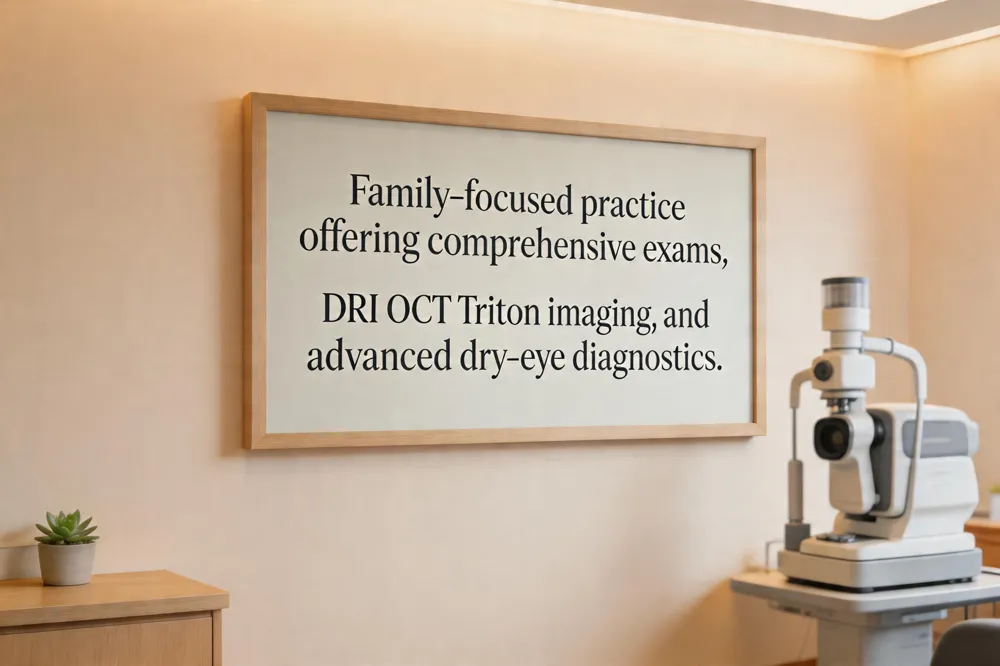 Apple Eye Care is a family‑focused optometry practice serving the El Paso, TX community with personalized, compassionate eye care. The clinic combines a welcoming, multi‑generational atmosphere with cutting‑edge technology to address a full spectrum of ocular needs.
Apple Eye Care El Paso
Apple Eye Care offers comprehensive eye exams, vision‑correction services, and advanced diagnostics such as the DRI OCT Triton, which provides high‑resolution imaging of the cornea, retina, and tear film. The practice delivers a full range of treatments—including dry‑eye management, cataract surgery evaluation, and glaucoma monitoring—tailored to each patient’s unique ocular profile.
Eye doctor El Paso
Dr. Stephen Applebaum leads the optometry team at Apple Eye Care. With decades of experience, Dr. Applebaum oversees comprehensive examinations, custom contact‑lens fittings, and the integration of modern therapeutic options like IPL, thermal pulsation devices, and low‑level light therapy for refractory dry eye. His practice emphasizes evidence‑based care, using tools like the DRI OCT Triton to guide precise, individualized treatment plans.
Patients benefit from a seamless blend of family‑oriented service and state‑of‑the‑art diagnostics, ensuring optimal outcomes for dry eye, cataract, glaucoma, and general eye health. Scheduling an appointment is easy—call (915) 751‑7760 or visit the clinic on North Boulevard in El Paso.
Prescription Drops: Options, Costs, and the First‑Line Choice
 Prescription eye drops list
Prescription eye drops include a wide range of medication classes. Antibiotic drops such as moxifloxacin (Vigamox), ciprofloxacin (Ciloxan), and tobramycin (Tobrex) treat bacterial conjunctivitis and corneal ulcers. Anti‑glaucoma agents like latanoprost, timolol, and dorzolamide lower intra‑ocular pressure, while prostaglandin analogs (e.g., bimatoprost, travoprost) are commonly used as first‑line therapy. Anti‑inflammatory drops, including corticosteroids (prednisolone, dexamethasone) and NSAIDs (ketorolac), help control postoperative inflammation and uveitis. Finally, antihistamine/decongestant drops such as ketotifen, olopatadine, and naphazoline/pheniramine provide relief for allergic eye irritation.
Cost of prescription eye drops for dry eyes
Prescription eye drops for dry‑eye can vary widely in price, typically ranging from about $30 for a basic supply of artificial tears up to $600 or more for a month’s supply of brand‑name immunosuppressants such as Restasis (cyclosporine) or Cequa. Common options like Restasis (cyclosporine) often cost $380‑$500 for a 30‑drop bottle, while newer agents such as Xiidra (lifitegrast) or Tyrvaya (varenicline) are priced around $225‑$300 per month. Over‑the‑counter lubricants are the most affordable, often under $15 for a bottle, but they may not provide sufficient relief for moderate to severe disease. Insurance coverage, manufacturer savings cards, and GoodRx coupons can lower out‑of‑pocket costs dramatically—sometimes to as little as $0‑$100 for a 90‑day supply.
What is the number one treatment for dry eyes?
The first‑line, most commonly recommended treatment for dry eyes is the regular use of artificial‑tear eye drops. Over‑the‑counter lubricating drops replace missing moisture, soothe irritation, and protect the ocular surface, making them effective for mild to moderate symptoms. They are inexpensive, easy to use, and can be applied several times a day without a prescription. If symptoms persist despite consistent artificial‑tear use, doctors may then consider prescription anti‑inflammatory drops, punctal plugs, or thermal‑lipid therapies. For the majority of patients, artificial tears remain the number‑one therapy for managing dry‑eye discomfort.
In‑Office Device Therapies: From Heat to Light
 Apple Eye Care treats dry‑eye disease with several FDA‑cleared device therapies that target meibomian‑gland dysfunction and inflammation. The practice uses the LipiFlow thermal‑pulsation system, which applies controlled heat and gentle pressure to clear clogged oil glands in a single 12‑minute session. A LipiFlow session typically costs between $700 and $1,500 (often quoted around $900‑$1,000) and is usually out‑of‑pocket because insurance coverage is limited. For patients who prefer a flexible, hands‑free approach, the iLux handheld device delivers localized heat while the patient blinks, unblocking meibomian glands and restoring the oily tear layer. A typical iLux treatment lasts 8‑12 minutes per eye, requires no downtime, and can provide symptom relief lasting up to a year. Intense Pulsed Light (IPL) therapy, offered as OptiLIGHT uses precise light pulses to reduce inflammation, clear Demodex mites, and improve gland function. IPL is generally safe but may cause transient redness, mild swelling, light sensitivity, or temporary skin irritation—especially in darker skin tones; rare side effects include blistering or pigment changes and resolve within a week. Together with punctal‑plug insertion when needed, these modalities form a personalized, multimodal dry‑eye management plan overseen by Dr. Stephen Applebaum.
Home‑Based Light Therapies and Emerging Modalities
 Safety considerations are paramount. Only FDA‑cleared ocular devices should be used, and users must follow manufacturer timing guidelines to avoid overheating. Direct viewing of the LED light must be avoided, and a comprehensive eye exam should precede any home‑based regimen to confirm suitability and rule out contraindications such as recent ocular surgery or severe skin pigmentation.
Future innovations promise to expand this modality. Emerging drug‑device combos—such as perfluorohexyloctane (Miebo) drops paired with LLLT, or novel TRPM8 agonist formulations—aim to synergistically boost lipid layer stability while stimulating tear production. Ongoing clinical trials are also evaluating nanocarrier‑based sustained‑release anti‑inflammatory agents that could be administered alongside home‑light therapy, potentially reducing treatment frequency and improving long‑term outcomes.
Red light therapy for dry eyes at home
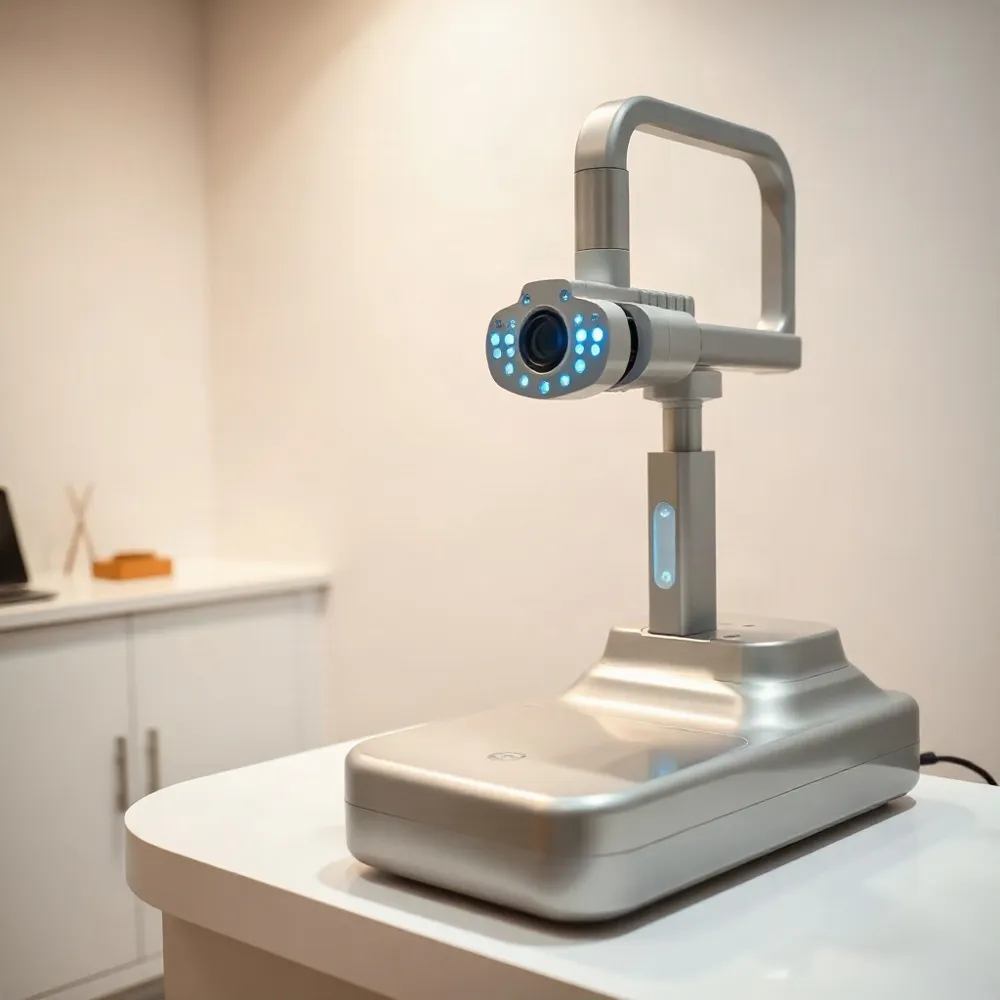
LLLT uses a 633‑nm LED to gently warm the eyelids, which can melt clogged meibomian‑gland secretions and lower inflammation that contributes to dry‑eye symptoms.
Home‑use devices are available that emit this wavelength and are designed to be placed over the closed lids for 10‑15 minutes, but they must be used without looking directly at the light to protect the retina.
When the device maintains lid temperatures around 40 °C, it can increase tear‑film stability and reduce ocular surface irritation.
It is safest to choose a product that is FDA‑cleared for ocular use and to follow the manufacturer’s timing guidelines.
Before starting any at‑home regimen, have a comprehensive eye exam and discuss the therapy with your optometrist to ensure it is appropriate for your specific dry‑eye condition.
Personalized Dry‑Eye Management and Future Directions
 Effective dry‑eye care in El Paso now follows a step‑wise, multimodal plan that starts with lifestyle tweaks—regular blink breaks, humidifiers, screen‑time limits, and protective sunglasses—to reduce evaporative stress. A comprehensive ophthalmic exam, including tear‑film break‑up time, meibography, and DRI OCT Triton imaging, identifies the dominant mechanism (aqueous‑deficient, meibomian‑gland dysfunction, or inflammatory). Based on those findings, clinicians combine classic therapies (warm compresses, lid hygiene, preservative‑free artificial tears, punctal plugs) with prescription anti‑inflammatories such as cyclosporine, lifitegrast, or the newer perfluorohexyloctane drop Miebo. In‑office devices (i Flow, TearCare, IPL‑OptiLight) provide targeted heat and light to unblock glands, while home‑use tools (NuLids, BlephEx) maintain lid health between visits. Emerging options promise deeper disease modification: gene‑editing approaches aim to boost tear‑producing pathways, stem‑cell grafts target corneal and glandular regeneration, and nanocarrier or slow‑release ocular implants deliver anti‑inflammatory agents for weeks without daily dosing. Apple Eye Care’s DRI OCT Triton offers high‑resolution, repeatable imaging to track corneal epithelial integrity, meibomian gland morphology, and tear‑film thickness, allowing clinicians to quantify response to both conventional and experimental treatments and adjust the regimen in real time. This integrative, technology‑driven model positions patients for both immediate relief and long‑term ocular surface health.
A Comprehensive, Compassionate Path to Comfort
Dry‑eye management begins with simple, over‑the‑counter lubricants that supplement the tear film and provide immediate comfort. When symptoms persist, clinicians add warm‑compresses, lid hygiene and prescription anti‑inflammatory drops such as cyclosporine, lifitegrast, or the newer lipid‑based Miebo to address inflammation and lipid loss. For many patients, punctal plugs or short‑term steroid courses give additional tear retention. When Meibomian gland dysfunction is the dominant driver, in‑office thermal‑pulsation devices (LipiFlow, iLux, TearCare) or intense‑pulsed‑light platforms (OptiLIGHT) heat and massage the glands, often delivering relief that lasts months. Home‑use tools such as NuLids or BlephEx assist with daily lid‑margin cleaning, while specialty scleral lenses (PROSE, EyePrintPro) protect a severely damaged cornea. Apple Eye Care in El Paso tailors this full spectrum to each individual, using high‑resolution DRI OCT Triton imaging to pinpoint the underlying cause and then combining lifestyle advice, artificial tears, prescription drops, and the most appropriate device‑based therapy. The practice’s family‑focused, compassionate approach ensures every patient receives a personalized plan. Schedule a comprehensive eye exam today to start a comfort‑focused journey toward lasting relief. Our team monitors progress with visits three to six months, adjusting the regimen to maintain ocular surface health.