Introduction
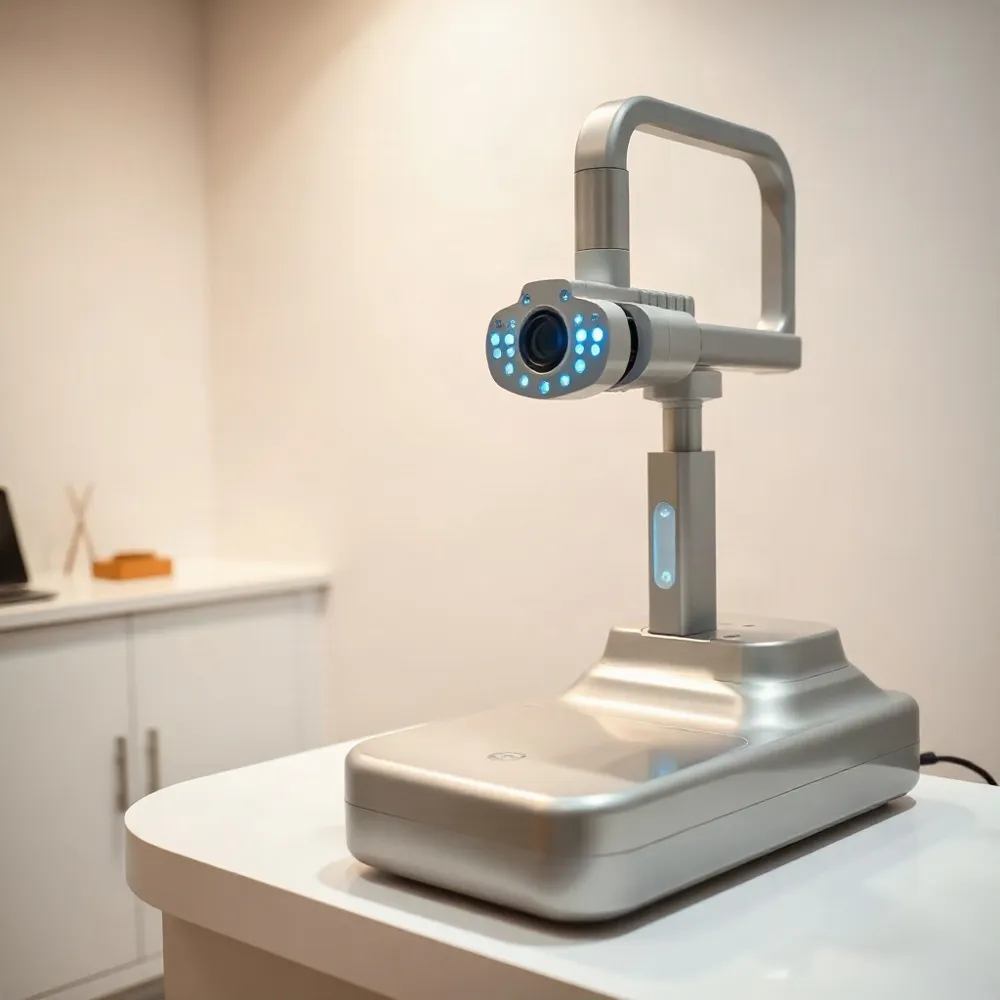
Early detection of eye disease is a cornerstone of preserving vision, because many conditions—glaucoma, diabetic retinopathy, age‑related macular degeneration—often develop without symptoms until irreversible damage occurs. Modern technology transforms this preventive paradigm. Digital retinal imaging and swept‑source optical coherence tomography (OCT), such as the DRI OCT Triton, produce three‑dimensional maps of the retina and optic nerve, revealing subtle thickness changes and vascular anomalies that are invisible to an exam. Integrated electronic health records and AI analysis further accelerate diagnosis, enable longitudinal tracking, and support care for underserved communities. Apple Eye Care in El Paso, Texas, embraces this approach. Led by Dr. Stephen Applebaum, the practice combines eye exams with the DRI OCT Triton, fundus photography, and corneal topography, delivering data‑driven care to a diverse population at high risk for diabetes and hypertension. This integration ensures that patients receive timely interventions, reducing the likelihood of vision loss and improving eye health outcomes.
Cutting‑Edge Imaging: OCT and Beyond
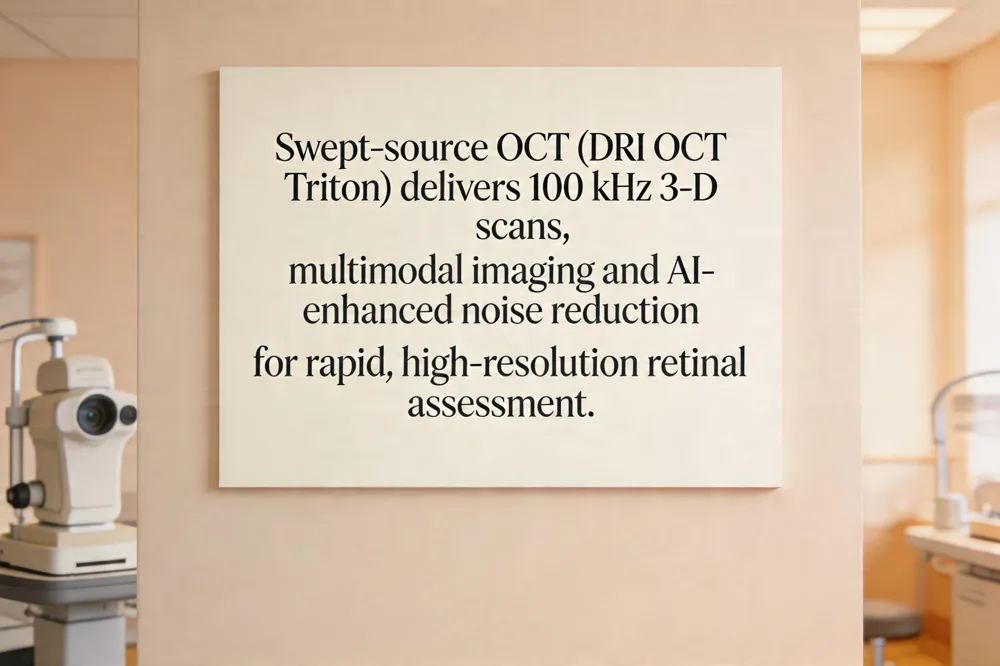 Swept‑source OCT technology exemplified by Topcon’s DRI OCT Triton, uses a 1,050 nm tunable laser and a 100 kHz scan speed to penetrate deep into the retina, choroid and vitreous, delivering high‑resolution 3‑D images in seconds. The Triton’s multimodal platform combines swept‑source OCT with true‑color fundus photography, fluorescein angiography, fundus autofluorescence and optional anterior‑segment imaging, enabling comprehensive assessment of diabetic retinopathy, macular degeneration and glaucoma and dry‑eye‑related changes. Advanced software such as PixelSmart® and Smart Denoise reduces speckle noise and improves contrast, while SMARTTrack eye‑tracking minimizes motion artifacts and shortens chair time.
Topcon OCT – Topcon’s OCT platforms, including the DRI OCT Triton and Maestro2, deliver high‑resolution, multimodal imaging of anterior and posterior segments, supporting early detection of retinal disease and personalized treatment plans at Apple Eye Care.
DRI OCT Triton Topcon – The Triton provides deep‑penetration imaging, rapid 3‑D scans, multimodal imaging (SS‑OCT, fundus photography, FA, FAF), and software tools like PixelSmart® and Smart Denoise and the Hood Report for glaucoma.
Topcon Triton OCT price – New Triton units list around $12,900 USD, while used systems range $24,500‑$33,274 USD; budgeting $13 k for new or $25‑$35 k for used is advisable.
TOPCON DRI OCT Triton Plus price – Prices typically fall between $24,500 and $33,274, with an average around $28,887 USD; refurbished Plus models may reach $55,600.
Topcon Triton brochure – The brochure highlights swept‑source OCT, 100 kHz speed, multimodal imaging, PixelSmart® technology, SMARTTrack eye‑tracking, and clinical examples of retinal disease detection.
What are the three types of OCT? – Time‑domain OCT, spectral‑domain OCT, and swept‑source OCT, each differing in speed, resolution and imaging depth.
AI and Telemedicine: Expanding Access
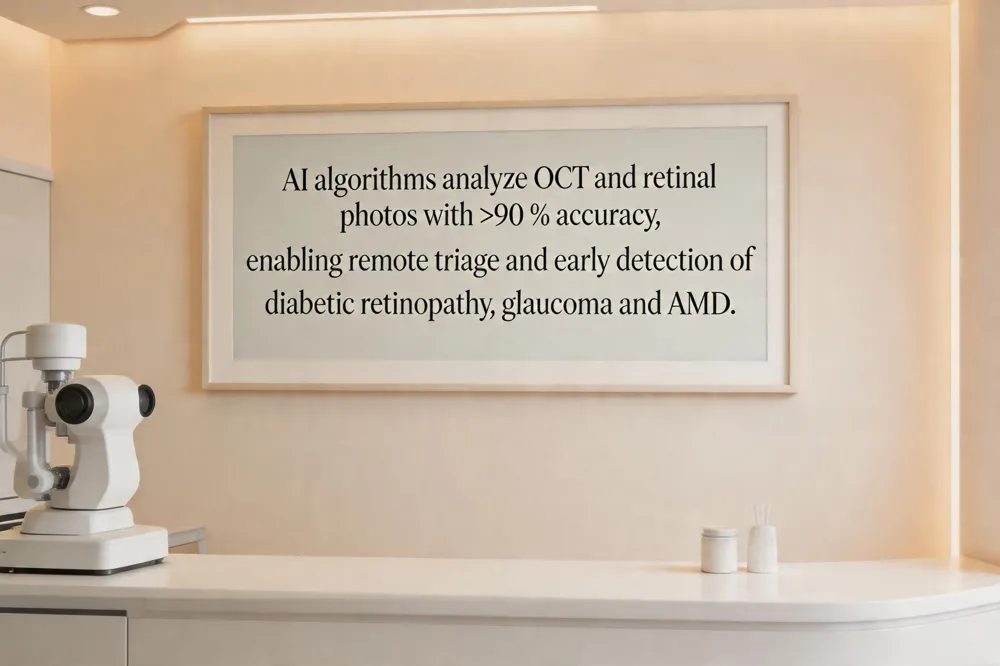 Artificial‑intelligence (AI) algorithms now analyze retinal images with sensitivity and specificity over 90 % for diabetic retinopathy, glaucoma and age‑related macular degeneration, rivaling expert clinicians. When paired with tele‑ophthalmology platforms, these AI tools enable remote monitoring of patients in underserved or rural areas; high‑resolution OCT scans captured locally are uploaded securely, allowing specialists to triage cases in real time. AI‑driven screening programs such as EyeArt and IDx‑DR automatically flag urgent findings, streamlining referrals and reducing clinic workload. Future advancements will integrate swept‑source OCT, AI‑enhanced image processing, and wearable sensor data to create predictive models that anticipate disease progression and personalize treatment schedules.
Are online eye exams accurate reddit? Reddit users agree they give a rough visual‑acuity estimate but lack the precision and disease‑detection capability of a comprehensive, in‑person exam; they should be a preliminary check only.
How will technological advancements shape the future of eye care? Faster, higher‑resolution imaging combined with AI will detect disease earlier, tele‑medicine will broaden access, and emerging therapies (gene editing, VR rehabilitation, bio‑engineered implants) will expand treatment options.
Is an advanced eye test worth it? Yes—advanced tests like OCT provide early detection of glaucoma, macular degeneration, and diabetic eye disease, leading to simpler, more effective interventions and peace of mind, especially for high‑risk patients.
Comprehensive Eye Exams: Detecting Systemic and Ocular Diseases
 An eye exam is a powerful window into overall health. High‑resolution OCT and digital retinal imaging at Apple Eye Care reveal early retinal thinning, cotton‑wool spots, or micro‑aneurysms that signal diabetes, hypertension, or high cholesterol. Anemia leaves a pale conjunctiva, bluish sclerae, and retinal changes such as cotton‑wool spots, giving clinicians a quick clue to low hemoglobin before systemic symptoms appear. Lupus can manifest as dry‑eye syndrome, episcleritis, scleritis, retinal vasculitis, or optic neuritis; slit‑lamp and OCT imaging detect these inflammatory signs early, prompting referral for rheumatologic evaluation. Simple flashlight techniques—direct illumination of the pupil, slit‑lamp inspection of the cornea and lens, and ophthalmoscopic view of the retina—allow doctors to assess pupil reactions, lens clarity, and vascular health, uncovering clues to neurological disease, cataracts, retinal tears, or systemic conditions such as stroke and multiple sclerosis. By integrating advanced imaging with these bedside examinations, clinicians can detect both ocular and systemic diseases early, enabling timely treatment and better visual outcomes.
Patient‑Centered Care at Apple Eye Care
 Family‑Focused Practice Model
Apple Eye Care in El Paso, TX operates as a family‑focused practice that welcomes patients of all ages. The team, led by Dr. Stephen Applebaum, emphasizes compassionate, personalized attention while leveraging the latest technology.
Family‑Focused Practice Model
Apple Eye Care in El Paso, TX operates as a family‑focused practice that welcomes patients of all ages. The team, led by Dr. Stephen Applebaum, emphasizes compassionate, personalized attention while leveraging the latest technology.
Personalized Treatment Plans Each visit begins with a comprehensive assessment that informs a customized care plan—whether for dry‑eye management, cataract surgery, or glaucoma monitoring. The practice tailors prescriptions and follow‑up schedules to the individual’s lifestyle and health needs.
Advanced Diagnostics in El Paso The clinic’s cornerstone is the DRI OCT Triton, a swept‑source OCT that captures high‑resolution, 3‑D retinal images at 100,000 A‑scans per second. This enables Early detection of diabetic retinopathy, macular degeneration, and glaucoma especially crucial in a community with higher rates of diabetes and hypertension.
Leadership of Dr. Stephen Applebaum Dr. Stephen Applebaum’s expertise guides the integration of cutting‑edge imaging with evidence‑based treatment, ensuring that every patient receives state‑of‑the‑art care in a warm, family‑oriented setting.
Advanced eye Group
Advanced eye Group is a family‑focused optometry practice located in Vineland, New Jersey, offering comprehensive eye care for patients of all ages—from pediatrics to geriatrics. The clinic’s team of board‑certified eye doctors, including Dr. Frank M. D’Orio, OD, and Dra. Marina Drozd Gordeyeva, OD, provides personalized optical and medical services such as eye exams, contact lens fittings, cataract consultations, and dry‑eye management. Utilizing the latest diagnostic technology, Advanced eye Group delivers pre‑emptive examinations and advanced treatments for conditions like computer vision syndrome and glaucoma. In addition to clinical care, the practice features a designer optical shop with a wide selection of stylish frames from brands like Vera Wang, Lilly Pulitzer, and Ray Ban. Patients consistently praise the friendly staff, attentive service, and the practice’s commitment to individualized, high‑quality eye health.
Advanced eye care
Apple Eye Care delivers advanced eye care through state‑of‑the‑art diagnostics, including the DRI OCT Triton scanner that provides detailed retinal imaging for early detection of disease. Our practice offers comprehensive services such as dry‑eye treatment, cataract surgery, and glaucoma management, all tailored to each patient’s unique needs. Led by Dr. Stephen Applebaum, our compassionate team combines modern technology with a family‑focused approach to ensure personalized, high‑quality vision care. We prioritize precise, evidence‑based treatments while maintaining a comfortable and friendly environment for patients of all ages. Schedule an appointment today to experience the difference of truly advanced eye care in El Paso.
How often should you get your eyes checked if you wear contacts
If you wear contact lenses, you should have a comprehensive eye exam at least once a year, which includes a contact‑lens specific evaluation. During the visit the doctor checks your prescription, lens fit, tear film, and screens for early signs of infection or dry‑eye problems. People with stable eye health may keep the yearly schedule, while those with a history of infections, dry eye, or changing vision may need exams every six months or as directed by the optometrist. Even after getting new lenses, a follow‑up in a week or two is often recommended to confirm proper fit and comfort. Regular annual exams help keep your vision clear and protect your eyes from complications.
How often should you get your eyes checked if you have astigmatism
If you have astigmatism, most eye‑care professionals recommend an eye exam at least once a year. Annual exams let your doctor verify that your prescription is still accurate and monitor any progression of the astigmatism or related eye conditions. If your vision has been stable and you have no other risk factors, a yearly visit is usually sufficient. However, if you notice any changes—such as increased blurriness, eye strain, or new glare—schedule an appointment sooner. Your eye doctor at Apple Eye Care can tailor the frequency to your specific needs and ensure your eyes stay healthy.
How often should you get your eyes checked if you wear glasses
If you wear glasses, you should have a comprehensive eye exam at least once every 1‑2 years. Adults ages 18‑39 can often wait two years between visits if their vision is stable, while those 40‑64 should schedule exams yearly or every other year, especially if they have any eye‑health concerns. People 65 and older are advised to be seen annually because the risk of cataracts, glaucoma and macular degeneration increases with age. Children and teens should be examined yearly to monitor developing vision and ensure their prescription stays accurate. Regular exams not only keep your glasses up‑to‑date, they also allow early detection of eye diseases and systemic health issues.
Can I drive after an OCT eye scan?
Dilating eye drops will be placed into your eyes during your appointment, these may sting for a few seconds. The drops will cause your sight to go blurry and make your eyes sensitive to bright light. Do not drive or operate machinery until your vision returns to normal, this may take up to 6 hours.
Practical Considerations: Costs, Training, and Future Directions
 Investing in a swept‑source OCT such as the DRI OCT Triton requires careful budgeting. The base system typically costs $150,000‑$200,000, with optional wide‑field accessories and OCT‑angiography modules adding $30,000‑$50,000. Practices should also allocate funds for annual service contracts (≈ 10 % of purchase price) and software upgrades. Training is streamlined by the 132‑page DRI OCT‑1 Triton User Manual, which details installation, safety, touch‑screen operation, fundus photography, OCT‑angiography, autofluorescence, anterior‑segment imaging, routine maintenance, and troubleshooting; a digital copy is available from Topcon’s support site. Staff can complete on‑site workshops or online webinars to achieve competency within a few days.
Next‑generation platforms, such as the Topcon Triton 2, expand the clinical toolbox with 21 mm wide‑field scans, Smart Denoise AI, and the IMAGEnet®7 suite, while Heidelberg Spectralis OCT offers ultra‑high‑resolution imaging and TruTrack eye‑tracking for precise longitudinal monitoring.
Apple Eye Care can prescribe cyclosporine for dry‑eye syndrome, reflecting their expanding therapeutic scope alongside advanced diagnostics.
Conclusion
Advanced diagnostic tools such as the DRI OCT Triton have transformed eye‑care by delivering micron‑level, cross‑sectional images of retinal and optic‑nerve structures, enabling clinicians to detect diabetic retinopathy, glaucoma, and macular degeneration far earlier than traditional fundus photography. AI‑enhanced analysis further improves sensitivity and reduces inter‑observer variability, while tele‑medicine platforms expand access to these high‑resolution scans for underserved communities. Looking ahead, tighter integration of AI predictive modeling, wearable sensor data, and multimodal imaging will empower personalized disease‑monitoring and streamline treatment pathways, potentially lowering the need for invasive procedures. Apple Eye Care in El Paso remains at the forefront of this evolution, coupling the latest swept‑source OCT technology with a family‑focused, compassionate approach. Under Dr. Stephen Applebaum’s leadership, the practice pledges to harness precise diagnostics and patient‑centered care to preserve vision and improve health outcomes for every member of the community.