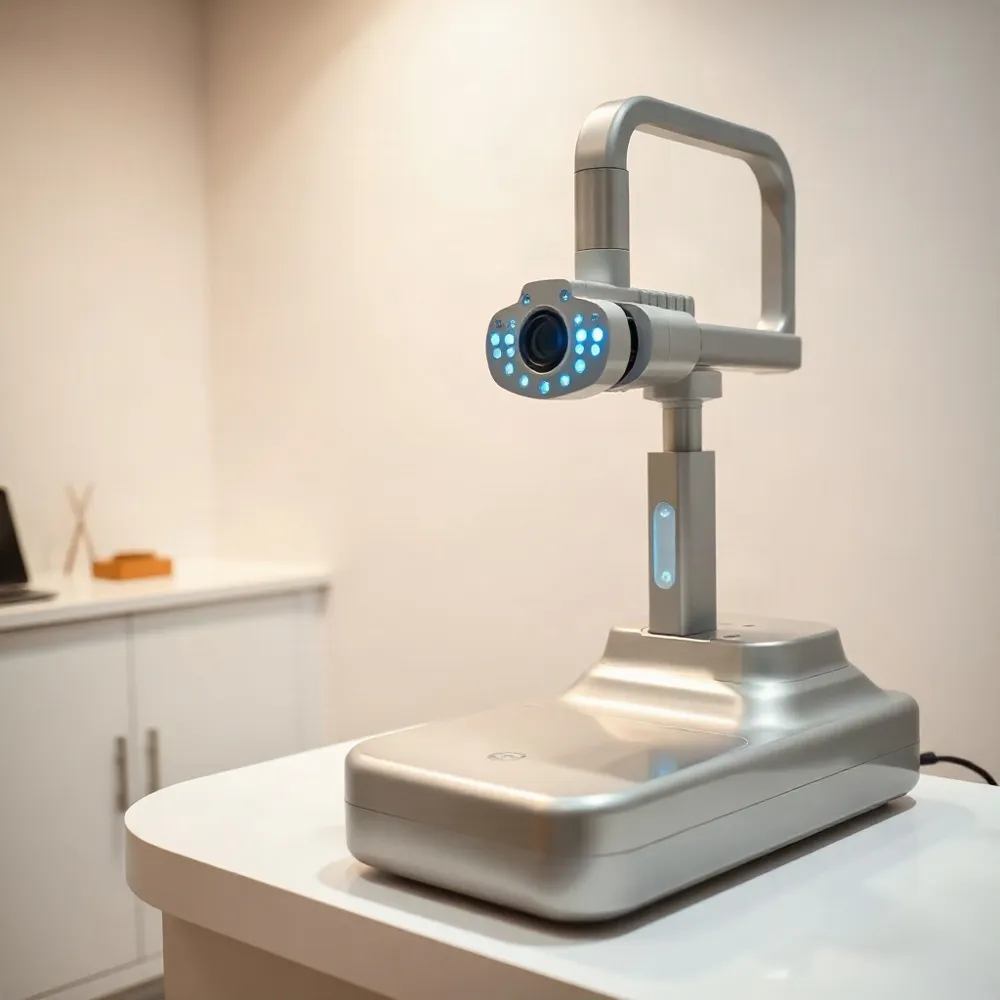
Why a Full‑Scope Eye Exam Matters
A comprehensive eye exam evaluates visual acuity, refraction, intra‑ocular pressure, optic nerve health, retinal layers and the ocular surface in one visit. By using state‑of‑the‑art imaging such as the DRI OCT Triton, optometrists can spot the earliest micro‑vascular or structural changes that signal glaucoma, diabetic retinopathy, macular degeneration, cataracts, dry eye disease and even systemic conditions like hypertension or diabetes—often before any symptoms appear. Apple Eye Care’s family‑focused practice in El Paso combines this advanced technology with personalized education and compassionate care, ensuring each patient receives timely referrals and treatment plans that preserve sight and overall health.
The Power of Light: How Flashlights Reveal Eye Health
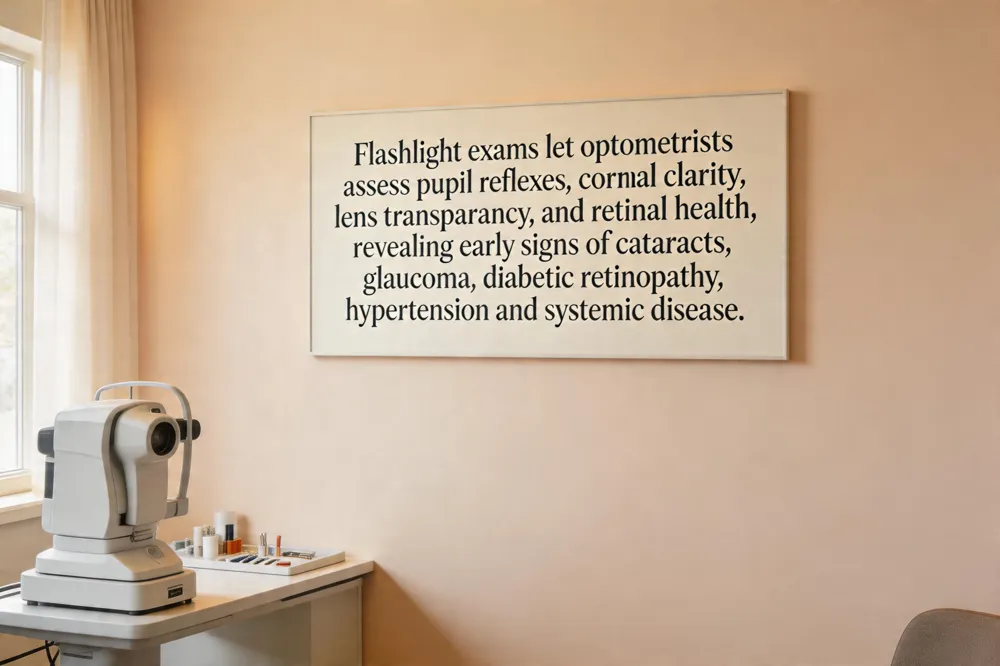 When an optometrist shines a light—whether from a handheld flashlight, a slit‑lamp, or an ophthalmoscope—they are performing a rapid, non‑invasive health check of the entire eye. The bright beam lets the clinician evaluate pupil size and the direct and consensual light reflexes, which can uncover nerve or neurological issues. At the same time, the illumination highlights corneal clarity and lens transparency, making early cataract formation, scratches, or surface inflammation visible. By directing the light toward the retina, the examiner can assess blood‑vessel health and optic‑nerve appearance, spotting early signs of diabetic retinopathy, hypertension‑related changes, or optic‑nerve cupping that signals glaucoma. This simple flashlight‑based assessment provides immediate clues about both ocular disease and systemic conditions, enabling timely referral and treatment before vision is compromised.
What Comprehensive Optometry Actually Means
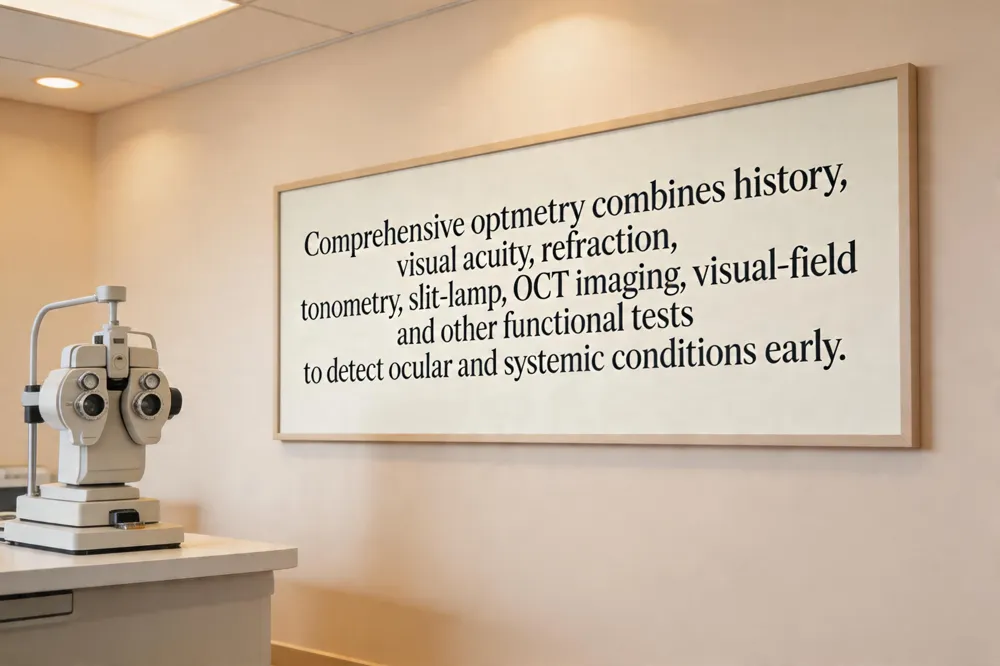 Comprehensive optometry is a full‑service visual and health evaluation that goes far beyond a simple vision test. It starts with a thorough review of medical and ocular history, followed by visual‑acuity testing and refraction to determine the precise prescription. Intra‑ocular pressure measurement (tonometry) screens for glaucoma, while slit‑lamp examinations assess the cornea, lens, and ocular surface. Advanced imaging—most notably optical‑coherence tomography (OCT) such as the DRI OCT Triton—provides high‑resolution cross‑sectional views of the retina, optic nerve, and macula, detecting early signs of glaucoma, macular degeneration, diabetic retinopathy, and even systemic conditions like hypertension or high cholesterol. Functional assessments may include visual‑field testing, color‑vision checks, depth‑perception, and binocular coordination. By integrating these diagnostic tests, comprehensive optometry delivers a complete picture of eye health, enabling early intervention, personalized treatment plans, and optimal visual performance.
Beyond Vision: Detecting Systemic Diseases Through the Eyes
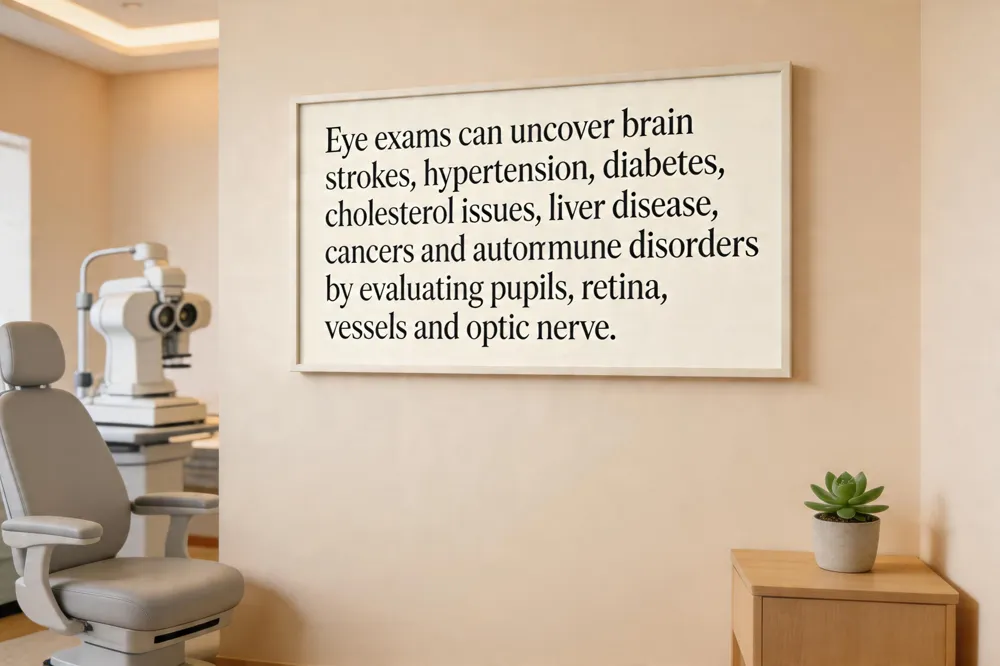 Comprehensive eye exams go beyond vision correction; they act as a window into overall health.
Can eye test detect brain problems – Yes. Optometrists check abnormal pupil reactions, optic‑disc swelling, visual‑field loss or irregular eye movements that may indicate stroke, tumor or multiple sclerosis. OCT (DRI OCT Triton) shows subtle optic‑nerve changes, prompting further work‑up.
What diseases can be detected in an eye exam – Glaucoma, cataracts, macular degeneration, diabetic retinopathy and dry eye are common findings. Retinal vessel narrowing and hemorrhages signal hypertension, high cholesterol, diabetes and cardiovascular disease; autoimmune signs appear as scleritis or retinal inflammation.
Can an eye test detect health problems – Examining the retina, optic nerve and vessels can reveal diabetes, hypertension, high cholesterol, heart disease, anemia or systemic inflammation.
What cancers can an eye test detect – Ocular cancers like retinoblastoma, melanoma and intraocular lymphoma present as retinal lesions. Eyelid skin cancers and metastatic tumors from breast or lung can also be seen during a dilated exam.
Can an eye test detect liver problems – Yellow sclera (jaundice) and Kayser‑Fleischer rings may signal liver disease.
Signs of unhealthy eyes – Redness, swelling, vision loss, floaters, flashes, halos or dry eye indicate infection, glaucoma or retinal problems.
Advanced Imaging: OCT, Optomap, and the DRI OCT Triton
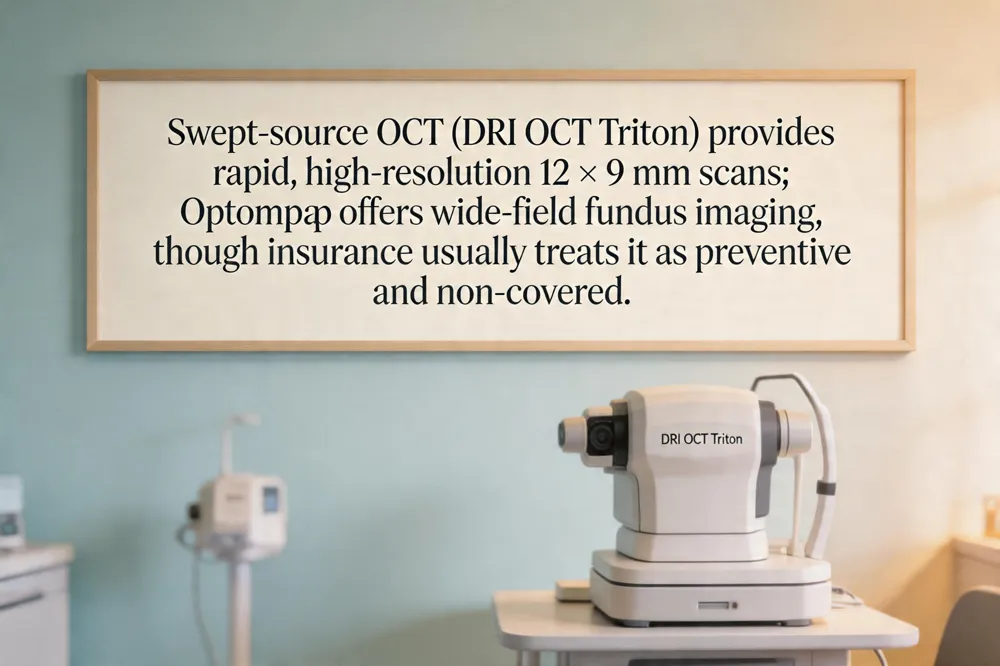 Swept‑source OCT, such as the DRI OCT Triton, uses a 1,050 nm wavelength that penetrates through media opacities (cataracts, hemorrhages) and captures high‑resolution, wide‑field 12 × 9 mm scans in under two seconds. Its 100,000 A‑scan rate reduces motion artifacts, while PixelSmart® and AI‑driven Smart Denoise enhance image clarity. Multimodal imaging combines true‑color fundus photography, red‑free imaging, fluorescein angiography (FA), and fundus autofluorescence (FAF) in a single session, allowing clinicians to visualize retinal layers, microvascular flow, and choroidal changes. Advanced imaging answers key clinical questions: Is there early optic‑nerve thinning suggestive of glaucoma? Are subtle macular alterations present that indicate age‑related macular degeneration? Are micro‑vascular abnormalities visible that signal diabetic retinopathy or cardiovascular risk?
Insurance coverage for Optomap:** Insurance generally does not cover Optomap wellness‑screening images because they are considered preventive, non‑medical‑necessity services and lack a specific CPT code. Most payers, including Medicare, treat routine healthy‑eye imaging as a non‑covered benefit. However, when the Optomap is ordered as part of a diagnostic work‑up for a documented eye condition—such as diabetic retinopathy or glaucoma—it can be billed under retinal imaging codes (e.g., 92227‑92229) and may be reimbursed. In those cases the provider must include proper medical justification and documentation to support medical necessity. Ultimately, coverage depends on the patient’s specific plan and whether the test is deemed clinically required rather than a routine wellness screen.
Early Detection of Glaucoma and Other Silent Threats
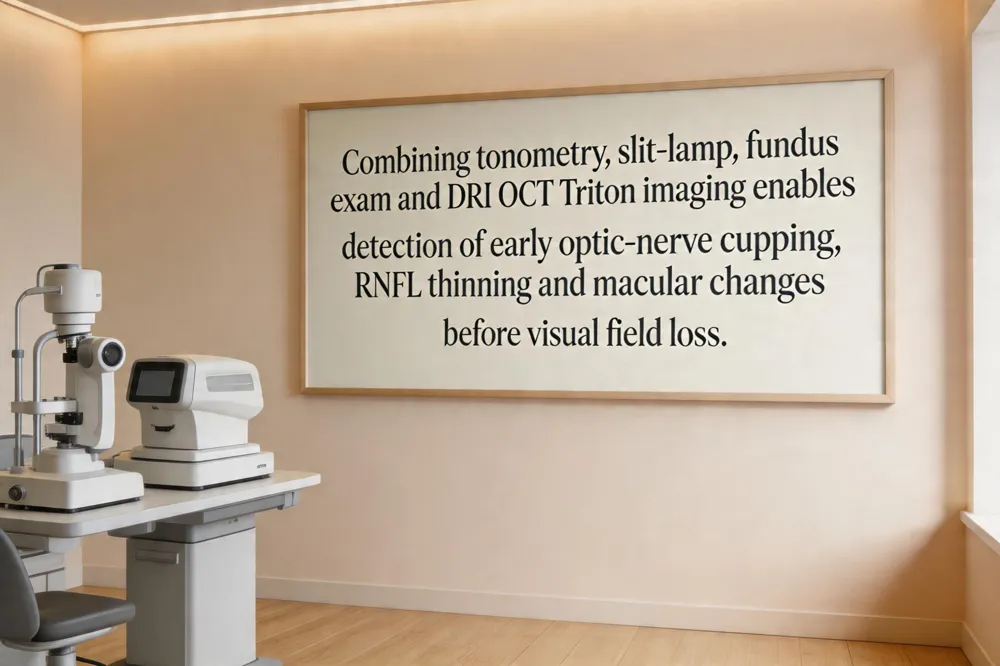 Glaucoma is the “silent thief of sight](](https://www.longvieweyecenter.com/blog/the-importance-of-early-detection-how-regular-eye-exams-can-save-your-sight.html), a disease that damages the optic nerve slowly and without obvious symptoms until vision loss is irreversible. Detecting it early relies on two key examinations: intra‑ocular pressure (IOP) measurement and detailed optic‑nerve imaging. Tonometry quickly gauges IOP, while slit‑lamp and fundus examinations reveal nerve‑head cupping or swelling. The DRI OCT Triton, a swept‑source optical coherence tomography system, enhances this screening by delivering high‑resolution, wide‑field 3‑D scans of the retina and optic disc in under two seconds. Its 1,050 nm wavelength penetrates cataracts and media opacities, producing precise retinal nerve‑fiber‑layer maps and ganglion‑cell‑complex thickness data that flag early glaucoma changes before visual field loss occurs. By integrating IOP checks, optic‑nerve assessment, and DRI OCT Triton imaging, optometrists can catch glaucoma and other silent threats—such as early macular degeneration or diabetic retinopathy—well before patients notice any visual disturbance.
Personalized Family‑Focused Care at Apple Eye Care
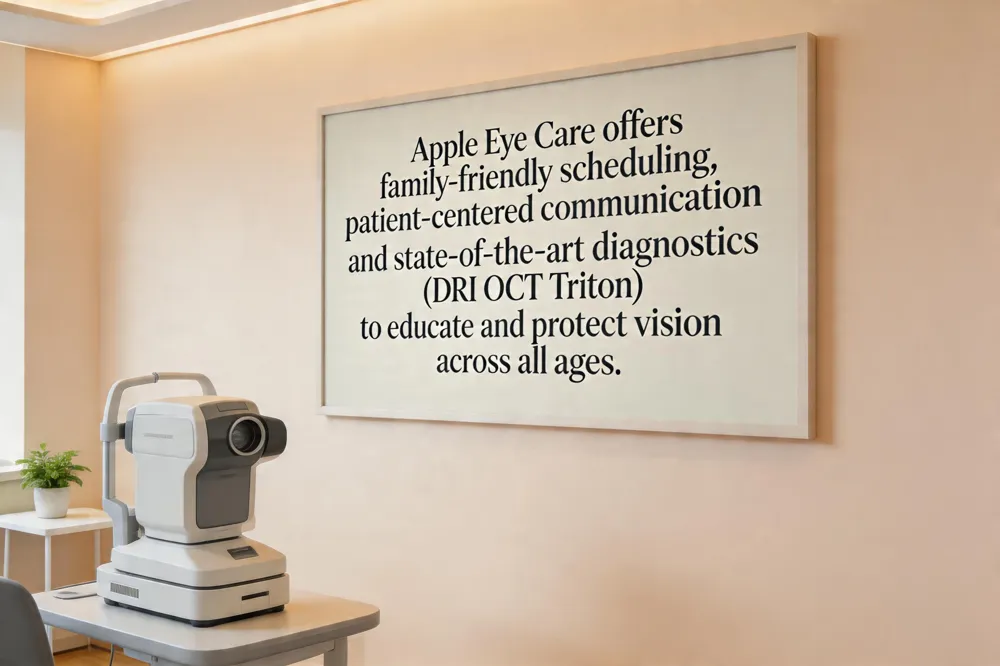 Apple Eye Care in El Paso, Texas, operates as a family‑oriented practice that welcomes patients of every age, from toddlers to seniors. The clinic’s layout and scheduling accommodate busy families, offering weekend hours and a one‑stop‑shop for eye exams, glasses, and specialty treatments. Led by Dr. Stephen Applebaum, the compassionate team combines clinical expertise with a warm, patient‑centered approach, taking time to listen to each individual’s concerns and explain findings in plain language. This personalized interaction builds trust and encourages regular visits. The practice integrates state‑of‑the‑art diagnostics—most notably the DRI OCT Triton swept‑source OCT—into every comprehensive exam. High‑resolution retinal and anterior‑segment images are reviewed together with patients, highlighting early signs of glaucoma, macular degeneration, diabetic retinopathy, and dry‑eye disease. By coupling cutting‑edge technology with clear education, Apple Eye Care empowers families to understand their eye health and act swiftly, preserving vision and overall well‑being.
The Bottom Line: Vision Health Starts with a Comprehensive Exam
Early detection is the most powerful tool we have to preserve sight and overall health. Modern comprehensive exams can identify glaucoma, diabetic retinopathy, age‑related macular degeneration, cataracts, dry eye and, and even systemic conditions such as hypertension or high cholesterol long the disease has caused symptoms. Apple Eye Care leverages state‑of‑the‑art technology—most notably the DRI OCT Triton swept‑source OCT—to capture high‑resolution, wide‑field retinal and optic‑nerve images in seconds, allowing clinicians to spot microscopic changes that other devices miss. Coupled with a skilled, family‑focused team led by Dr. Stephen Applebaum, this advanced diagnostic platform ensures timely referrals and personalized treatment plans. Don’t wait for vision loss—schedule your next comprehensive eye exam today to protect your eyes and your health.