Why Pediatric Eye Health Matters
Impact of vision on learning and development
About 80% of classroom learning is visually based. When a child cannot see clearly, it can hinder reading, writing, and overall academic progress. Undiagnosed vision problems can also affect hand-eye coordination, social development, and self-esteem. Signs like squinting, frequent headaches, or avoiding close work may indicate a hidden issue. Early intervention helps children build confidence and succeed both in and out of school.
Family‑focused care at Apple Eye Care
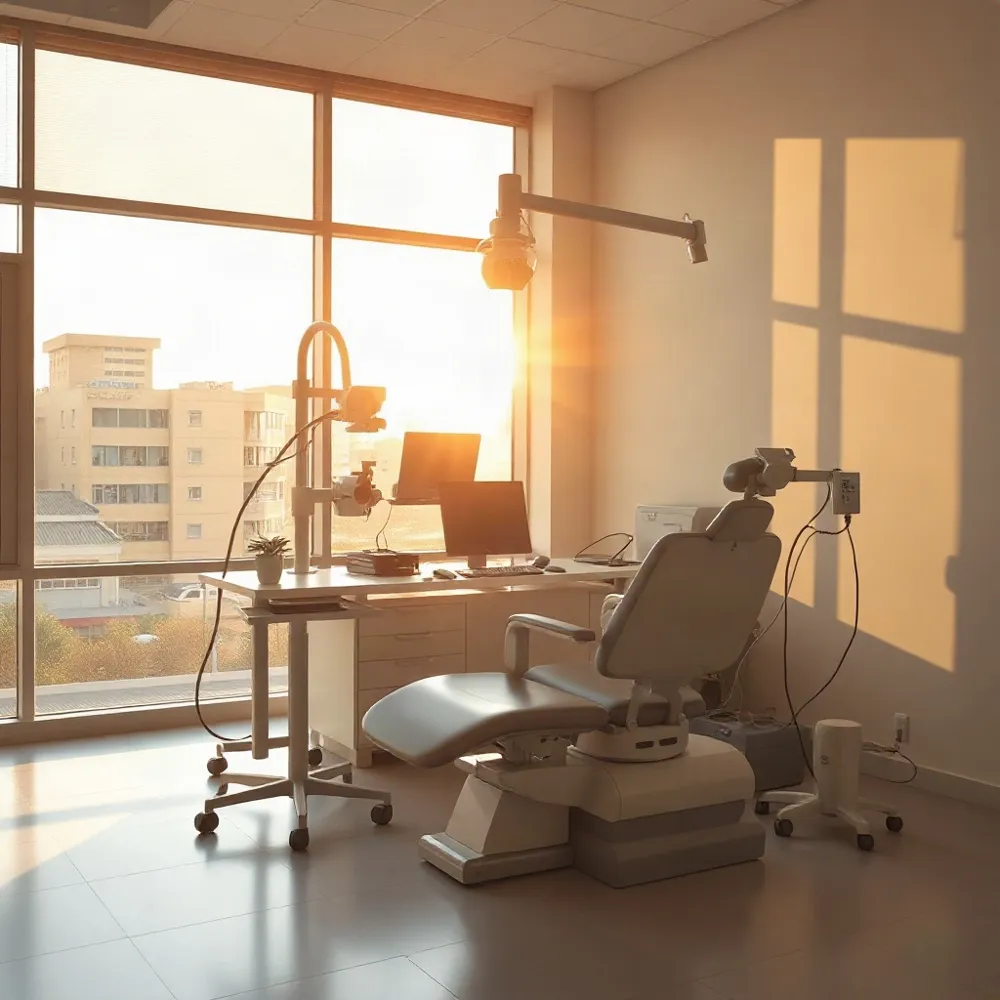
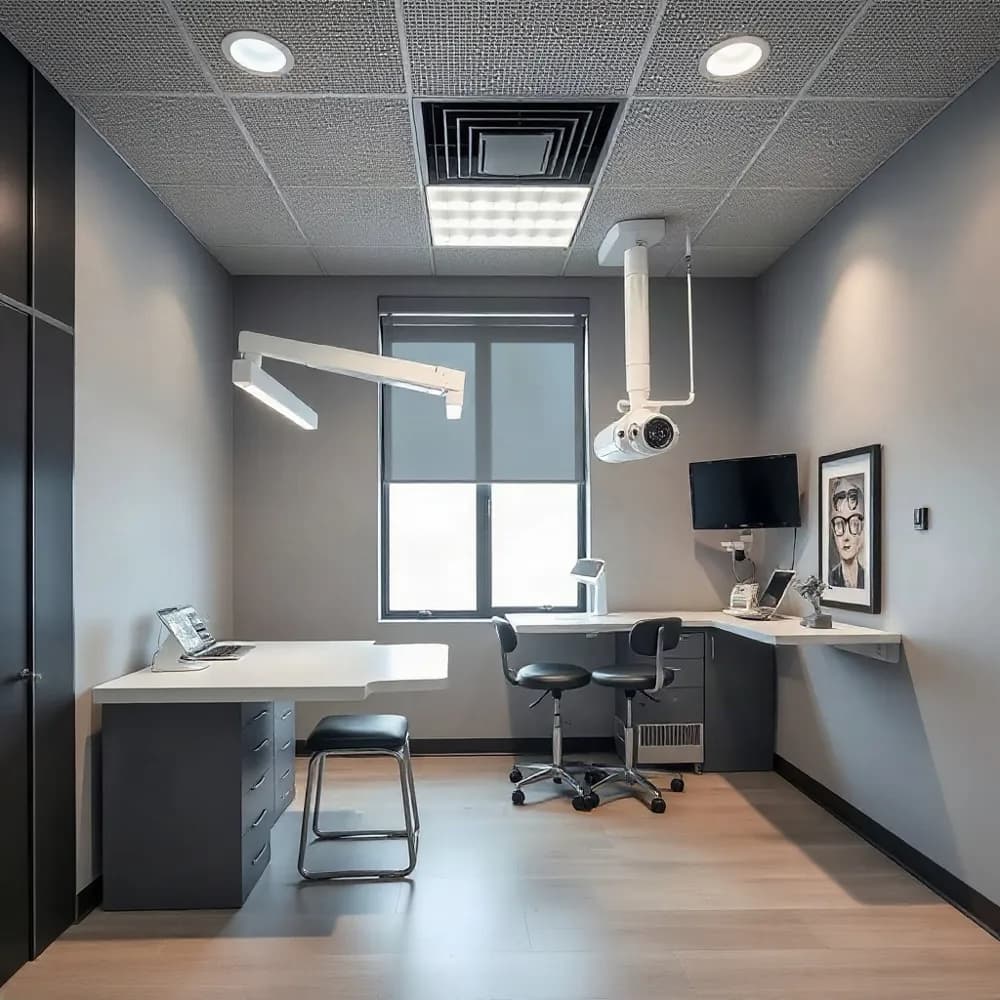
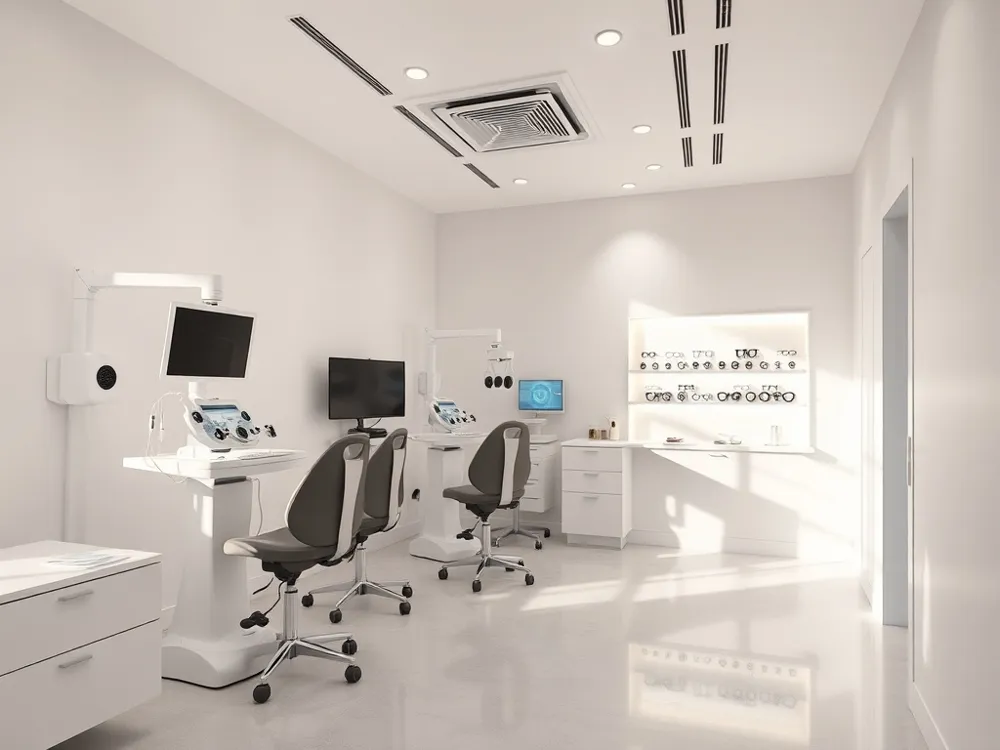
Apple Eye Care in El Paso, Texas, offers a compassionate, family-centered approach to pediatric eye health. Led by Dr. Stephen Applebaum, the team uses child-friendly exam rooms, interactive tools, and simple language to put young patients at ease. Parents appreciate the extra time taken to explain conditions and treatments. The practice provides comprehensive services under one roof, including routine exams, vision correction, dry eye management, and advanced diagnostics such as the DRI OCT Triton.
Importance of early detection and regular exams
Routine pediatric eye exams are recommended starting at six months of age, again at three years, and before kindergarten. After school entry, children should have annual exams. Early detection of refractive errors, amblyopia, or strabismus can prevent permanent vision loss. Vision screenings at schools are not a substitute for a full exam. Regular checkups allow doctors to monitor development and implement treatments like glasses or myopia control strategies when needed most. Scheduled preventive care supports lifelong eye health. | Aspect | Why It Matters | Recommended Action | |--------|----------------|-------------------| | Learning | 80% of learning is visual | Annual eye exams for school-age children | | Early detection | Prevents permanent vision loss | First exam at 6 months, then at ages 3 and 5 | | Comprehensive care | Child-friendly and thorough | Choose a practice like Apple Eye Care | | Regular schedule | Supports development and catch issues early | Exams every 1-2 years for healthy children |
Early Eye Exams: When to Start
 Recommended ages for first comprehensive eye exam
Professional guidelines from the American Optometric Association and the Academy of Ophthalmology advise that a child’s first comprehensive eye exam should occur at six months of age. A second exam is recommended at three years, and another before starting kindergarten. After school entry, annual exams are advised, or every 1‑2 years if the child has no known vision problems.
Recommended ages for first comprehensive eye exam
Professional guidelines from the American Optometric Association and the Academy of Ophthalmology advise that a child’s first comprehensive eye exam should occur at six months of age. A second exam is recommended at three years, and another before starting kindergarten. After school entry, annual exams are advised, or every 1‑2 years if the child has no known vision problems.
Benefits of early detection for refractive errors and amblyopia Early screening catches refractive errors (myopia, hyperopia, astigmatism) and amblyopia before they affect learning. Untreated amblyopia can become permanent after age 8, while uncorrected refractive errors may cause squinting, headaches, and poor school performance. Detecting these issues early allows for glasses, patching, or vision therapy, leading to improved academic confidence and reduced behavioral misdiagnoses such as ADHD.
How Apple Eye Care schedules infant and preschool visits Apple Eye Care in El Paso, TX follows the recommended timeline. The practice offers a first infant exam at six months, using child‑friendly tools and the DRI OCT Triton for retinal imaging. A follow‑up visit is scheduled at three years, and a pre‑kindergarten exam is arranged before school entry. Flexible scheduling, reminder calls, and a compassionate team led by Dr. Stephen Applebaum ensure families can keep these critical appointments without disrupting school or extracurricular activities.
Answer to the key question At what age should a child get their first eye exam? A child’s first comprehensive eye exam should be performed at six months of age, with subsequent exams at three years and before kindergarten, followed by regular annual checks.
Insurance and Access: Eye Tests for Glaucoma, Diabetes, and Diabetics
Are eye tests free for people with glaucoma or diabetes?
In the United States, eye exams are not automatically free for those with glaucoma or diabetes. Coverage depends on the individual's health plan. Medicare Part B covers annual diabetic eye exams for people with diagnosed diabetes. For those at high risk for glaucoma, Medicare also covers an annual dilated eye exam. Medicaid benefits vary by state, but many offer coverage for these exams. Apple Eye Care helps patients verify their insurance benefits to clarify costs and coverage.
Do diabetics get free eye care?
While not universally free, many diabetics can access low-cost or no-cost eye care through private insurance, Medicare, or Medicaid. Medicare Part B specifically includes coverage for annual diabetic eye exams. Additionally, some community health centers and nonprofit organizations offer free or sliding-scale exams for qualifying individuals. Apple Eye Care in El Paso, Texas, provides assistance with benefits verification, guiding patients through their coverage options to ensure they receive necessary diabetic eye exams and management.
Apple Eye Care’s assistance with benefits verification
Apple Eye Care offers personalized help with navigating insurance plans, including Medicare Part B and Medicaid. Their team verifies coverage for glaucoma and diabetic eye exams before appointments, reducing financial surprises. This support ensures patients can access timely, affordable care for these chronic conditions.
Nutrition for Vision: Dietary Tips for Children
Key nutrients that support eye health
Certain nutrients are essential for maintaining healthy vision and preventing future eye problems. Vitamin A, found in leafy greens like spinach and kale, helps fight dry eye and night blindness. Lutein and zeaxanthin, also abundant in dark leafy vegetables and colorful produce, protect the retina from damaging light. Vitamins C and E, present in oranges, strawberries, and mangos, help restore eye tissues and ward off infections. Zinc, found in beans, whole grains, and nuts, supports the transport of vitamin A from the liver to the retina.
Sample meals rich in omega‑3, lutein, zinc, vitamins A/C/E
Building a vision‑friendly plate is simple. For lunch, a spinach salad with grilled salmon (omega‑3s) and orange slices provides vitamins A, C, and E. A dinner of lean chicken with quinoa (zinc) and steamed kale offers lutein and vitamin A. Breakfast can include scrambled eggs with whole‑grain toast and a mango smoothie for vitamin C. Snacks such as almonds, strawberries, or carrot sticks with hummus are also excellent choices. Limiting sugary and processed foods helps reduce the risk of obesity and hypertension, which are linked to additional eye diseases.
How Apple Eye Care integrates nutrition counseling
At Apple Eye Care, Dr. Stephen Applebaum and the team include nutritional guidance as part of a comprehensive pediatric eye exam. They discuss how a balanced diet rich in omega‑3s, lutein, zinc, and vitamins A, C, and E can support clear vision and reduce future risks. For personalized advice tailored to your child’s needs, consult the team at Apple Eye Care.
Vision Therapy and Advanced Diagnostics: Transforming Lives
What is vision therapy and who benefits?
Vision therapy is a non‑surgical, personalized program of eye exercises designed to improve binocular coordination, focusing ability, and visual processing. It benefits children with convergence insufficiency, accommodative dysfunction, and eye‑movement disorders—conditions that often masquerade as attention or learning difficulties. Therapy includes near/far reading drills, flipper glasses, computer eye games, and interactive activities, typically delivered in weekly in‑office sessions combined with home exercises.
Success stories of improved reading and confidence
Parents report that after vision therapy, children gain one or more letter grades, increased reading stamina, and higher self‑esteem. At Apple Eye Care, families noted improved classroom focus and reduced headaches while reading. Success stories highlight that many children previously suspected of having ADHD or dyslexia were found to have treatable binocular vision problems, leading to a newfound enjoyment of school activities.
Role of DRI OCT Triton imaging in early detection
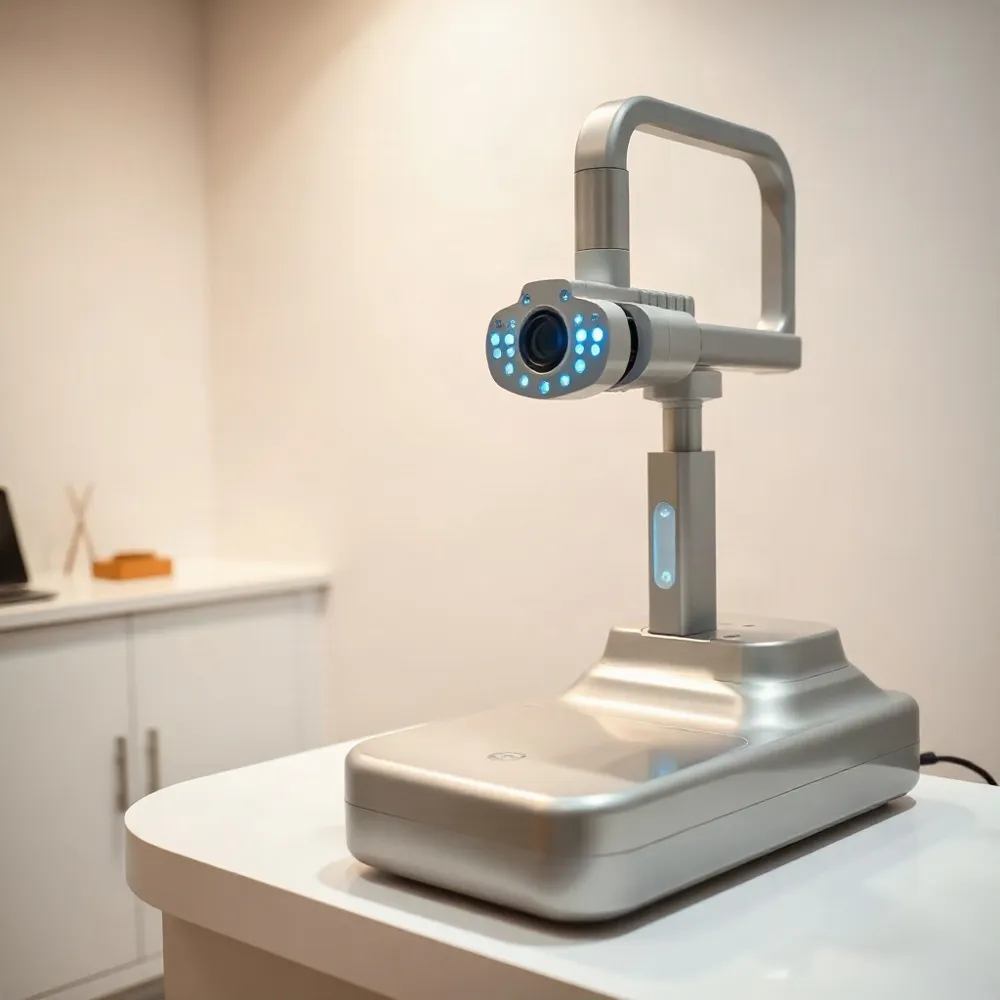
The DRI OCT Triton provides high‑resolution, detailed images of the retina and optic nerve, enabling early detection of pediatric conditions such as amblyopia, retinal dystrophies, and optic nerve abnormalities. This advanced technology at Apple Eye Care allows for prompt diagnosis and treatment planning, critical for preventing permanent vision loss. Its non‑invasive imaging supports precise monitoring of eye health in even very young patients.
Community Outreach and Preventive Care: Building Healthy Futures

Free vision screenings at schools and health fairs
Apple Eye Care participates in community outreach programs, providing free vision screenings at local schools and pediatric health fairs in El Paso. These screenings help identify children who may need a comprehensive eye exam, bridging the gap between routine checks at school and full clinical evaluation. Early detection through these events allows for timely intervention before vision problems affect learning.
Parental education on early signs of vision problems
Parents often miss subtle signs of vision issues. Common indicators include squinting, holding reading material very close, frequent eye rubbing, headaches, difficulty paying attention, and covering one eye. By educating families during outreach events, the practice empowers parents to recognize these signs and schedule comprehensive eye exams when needed. This proactive approach supports normal visual development during critical childhood years.
Apple Eye Care’s partnership with local organizations
Led by Dr. Stephen Applebaum, Apple Eye Care collaborates with schools and health organizations in El Paso to expand access to pediatric eye care. These partnerships ensure that vision screenings reach children who might otherwise go without. The clinic’s compassionate team provides clear guidance on follow-up care, helping families navigate treatment options and insurance coverage.
Looking Ahead: A Vision of Confidence and Growth
Early, comprehensive eye care sets the foundation for a child's lifelong visual health and academic success. When conditions such as refractive errors, amblyopia, or strabismus are identified and treated promptly, children experience sharper focus, reduced fatigue, and greater confidence in the classroom and on the playground. Apple Eye Care continues its family‑centered mission by combining child‑friendly exam rooms, clear explanations in simple language, and cutting‑edge tools like the DRI OCT Triton to catch subtle retinal changes before they affect vision. The practice’s flexible scheduling, reminder calls, and community screenings make it easy for busy families to stay on track. Parents are encouraged to keep up the routine—annual exams starting at six months, with more frequent visits if symptoms arise—to ensure steady visual development and to protect their child's future learning, sports, and social experiences.