Why One‑Size‑Fits‑All Eye Exams Miss the Mark
Modern eye care recognizes that a patient’s daily activities – from hours spent behind a computer to outdoor sports, reading, or driving – shape visual demands and risk factors. Generic eye exams, which often focus only on visual acuity and a brief health history, miss these nuances, leaving conditions such as digital eye strain, undetected dry‑eye disease, or early glaucoma signs unchecked. By contrast, personalized care begins with a lifestyle interview, then employs advanced tools like Optomap wide-field retinal imaging, OCT, and tonometry to detect subtle changes. Tailored recommendations may include blue‑light-filtering lenses for screen users, specialized contact lenses for athletes, or targeted dry‑eye therapy, leading to earlier intervention, reduced eye-strain, and long-term protection against vision loss. Ultimately, a customized plan aligns treatment with a patient’s unique routine, providing peace of mind and healthier eyes over a lifetime. Such individualized attention also fosters patient education, encouraging healthier visual habits and follow‑up.
Understanding the Role of Lifestyle in Eye Health
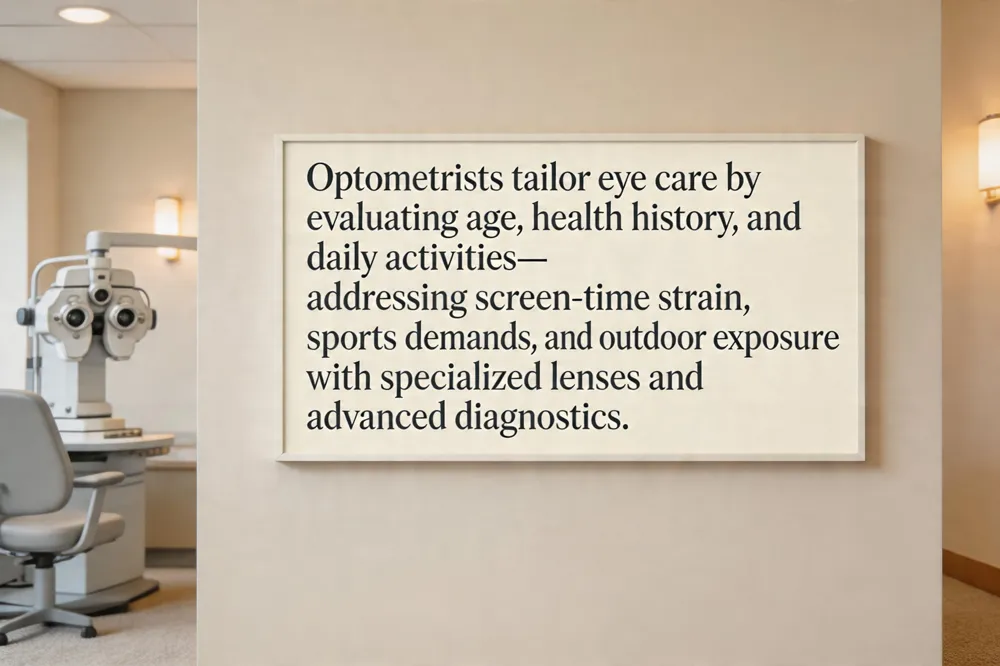 Personalized eye care begins with a thorough review of a patient’s age, health history, and daily activities. Optometrists use this information to tailor exams and treatments, recognizing that a 45‑year‑old with hypertension and a history of diabetes will be screened more aggressively for retinal disease than a young, healthy adult. Lifestyle factors such as prolonged screen time, participation in sports, and occupational demands further shape vision needs. Digital‑device users often experience eye strain and dry‑eye symptoms, prompting optometrists to recommend blue‑light‑filtering lenses, ergonomic visual breaks, and advanced dry‑eye diagnostics like meibomian gland imaging. Athletes or workers in high‑impact environments may need impact‑resistant, UV‑protective, or anti‑fog lenses, while those who spend long hours outdoors benefit from photochromic coatings. By integrating lifestyle data with state‑of‑the‑art tools such as OCT, Optomap, and retinal field imaging, clinicians create customized vision plans that detect early disease, address specific visual demands, and protect long‑term eye health.
Advanced Diagnostic Tools Power Personalized Exams
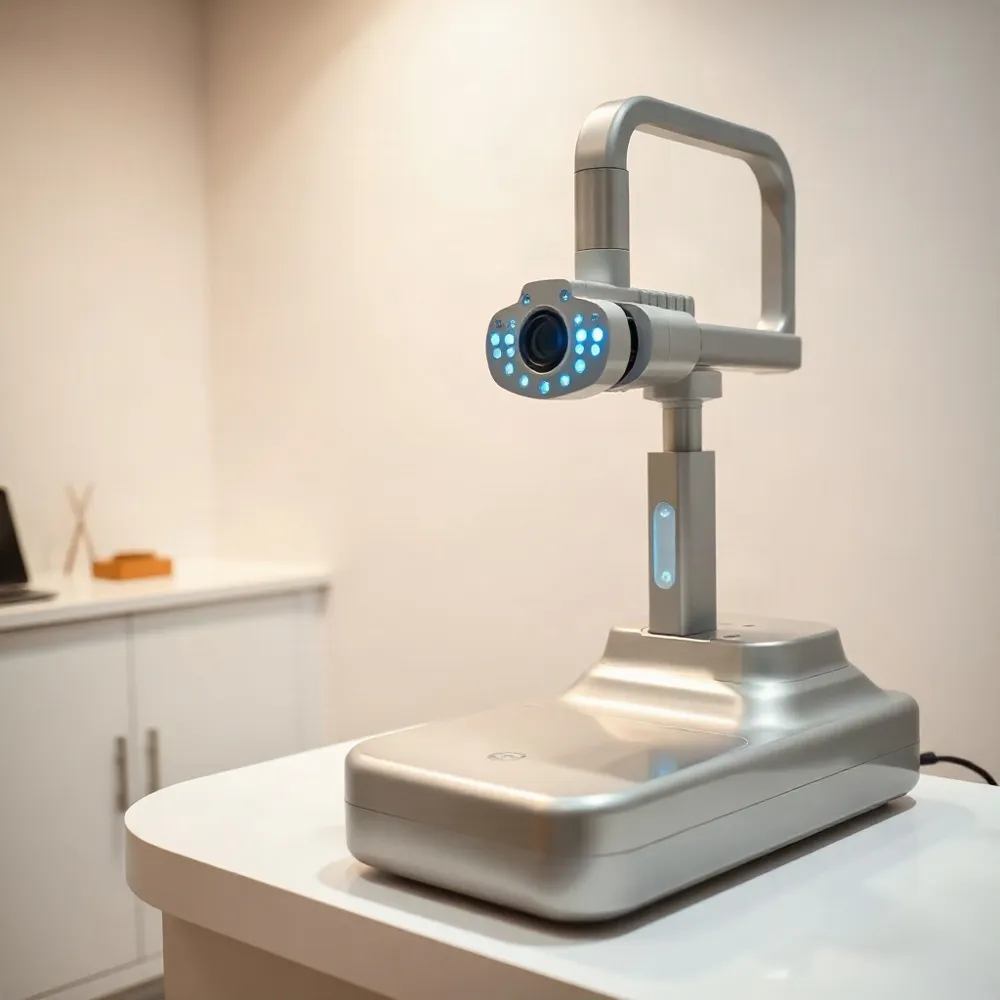
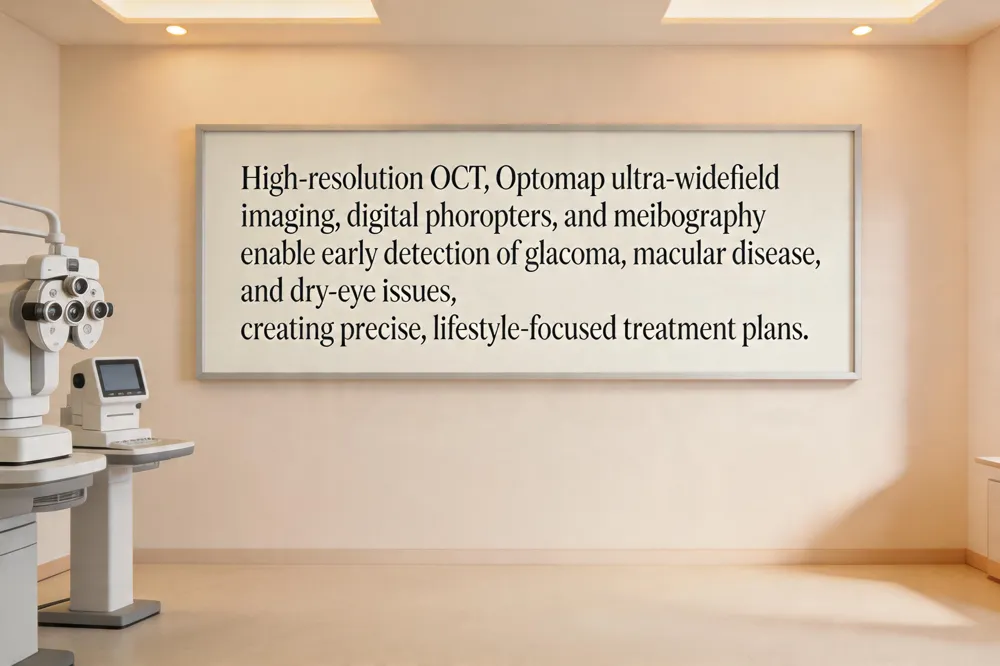 Modern optometry relies on high‑resolution imaging and digital assessment to tailor eye care to each patient’s lifestyle. The DRI OCT Triton, employed by practices such as Apple Eye Care in El Paso and Southwest Eye Institute, provides cross‑sectional retinal scans that reveal early signs of glaucoma, macular degeneration, and diabetic retinopathy before symptoms appear. Complementing OCT, Optomap ultra‑widefield retinal imaging captures up to 200 degrees of the retina in a single, non‑dilated shot, allowing clinicians to spot peripheral lesions and vascular abnormalities quickly. Digital phoropters and the Connect® Digital Eye Exam create a precise “fingerprint” of the eye, improving prescription accuracy and tracking subtle changes over time, especially for patients who spend long hours on screens. For dry‑eye sufferers, the Antares Meibographer objectively measures meibomian gland loss, guiding personalized therapies such as thermal pulsation or IPL. Together, these tools enable comprehensive, lifestyle‑focused exams that detect disease early, optimize vision correction, and support long‑term eye health.
Building a Tailored Vision Plan: From Screening to Treatment
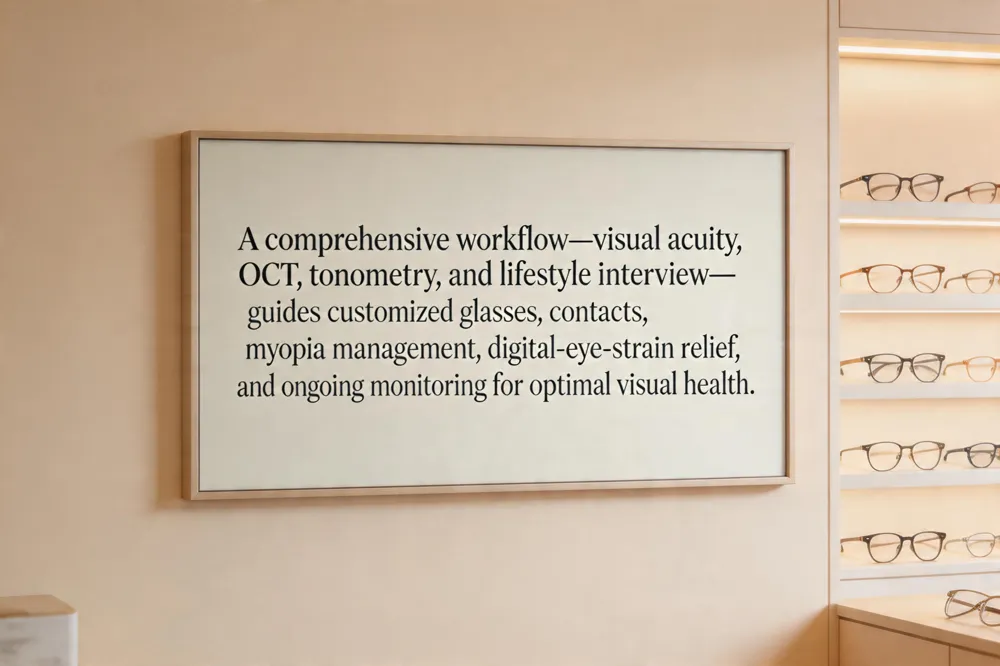 A personalized vision plan begins with a comprehensive exam workflow at Apple Eye Care (or similar clinics) that includes visual acuity testing, refraction, dilated retinal imaging (Optomap/Digital Connect), OCT scans (DRI OCT Triton), tonometry, and a detailed lifestyle interview. Based on these findings, optometrists deliver customized recommendations for glasses, contacts, and specialty lenses—choosing blue‑light filters for screen users, photochromic or UV‑protective lenses for outdoor enthusiasts, and toric or multifocal contacts for astigmatism and presbyopia. The plan also integrates myopia management for children, digital‑eye‑strain relief (break schedules, ergonomic lighting, Neurolens® lenses), and targeted dry‑eye therapies such as meibomian gland IPL, punctal plugs, or prescription drops. Ongoing monitoring is scheduled annually or more frequently for high‑risk patients, with adjustments made to prescriptions, lens coatings, and lifestyle habits to sustain optimal visual health and prevent long‑term vision loss.
Cataract Care: What an Optometrist Can Do
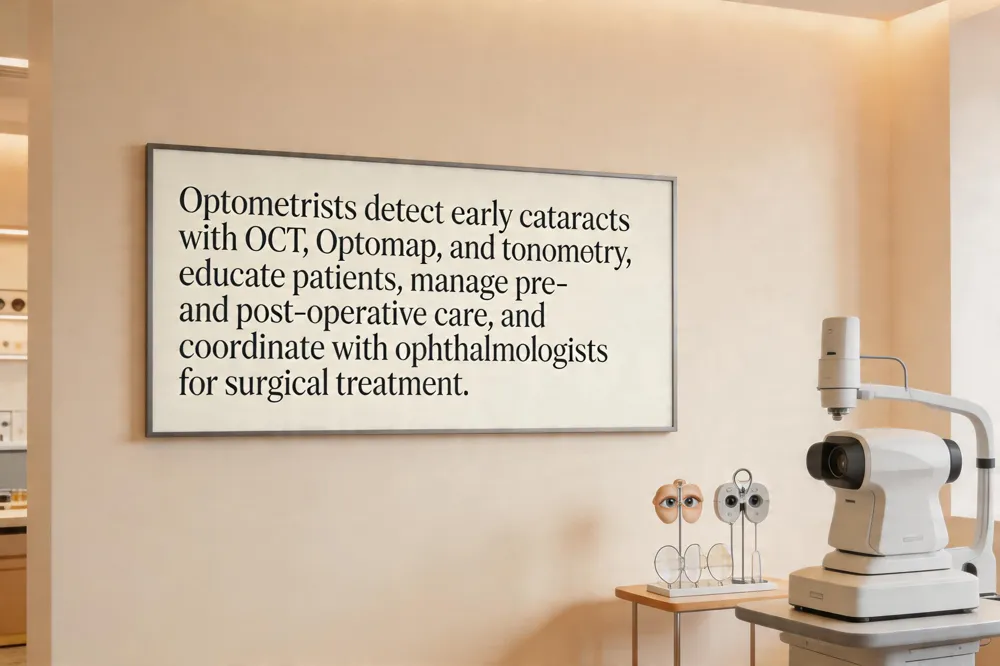 During routine comprehensive eye exams, optometrists use advanced diagnostic tools—such as Optomap retinal imaging, OCT (including DRI OCT Triton), and tonometry—to spot early cataract changes and assess how they affect vision. When a cataract is identified, the optometrist discusses symptoms, reviews lifestyle impacts (e.g., night‑driving or reading), and performs a pre‑operative assessment that includes measuring eye pressure, evaluating retinal health, and ensuring any co‑existing conditions (dry eye, glaucoma, diabetic retinopathy) are under control. Although optometrists cannot perform the surgical removal of the cloudy lens, they coordinate care with an ophthalmologist, provide pre‑operative education, and may prescribe anti‑inflammatory or lubricating drops to improve comfort. After surgery, the optometrist conducts follow‑up exams, checks visual acuity, monitors healing, and prescribes the appropriate glasses or contact lenses to restore optimal vision. In short, optometrists diagnose, educate, and manage cataract care, while the definitive surgery is performed by an ophthalmologist.
Family‑Focused Services at Apple Eye Care
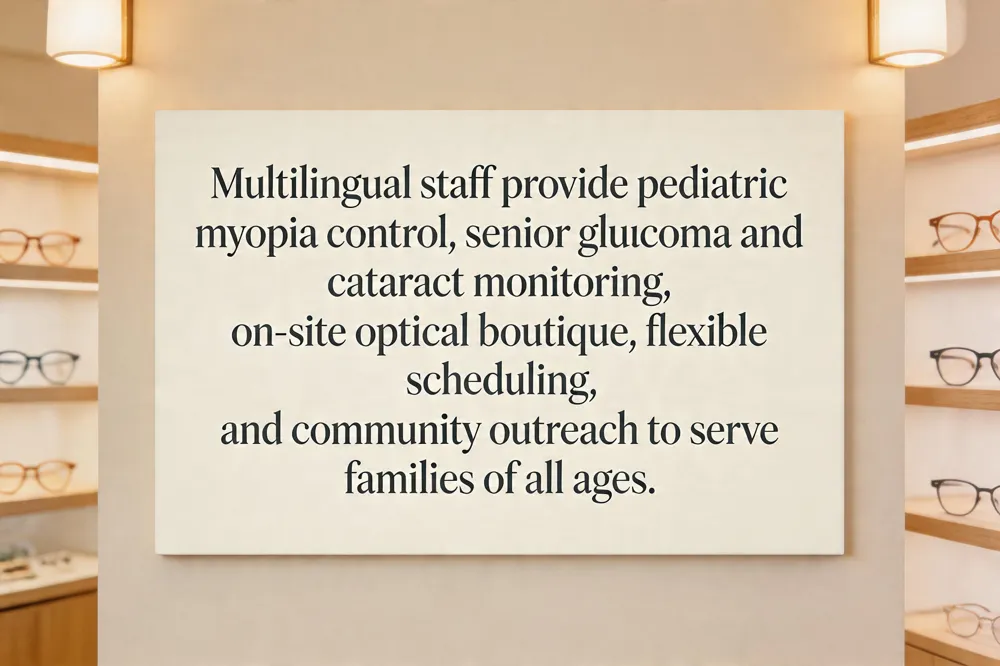 Apple Eye Care’s multilingual staff, led by compassionate Dr. Stephen Applebaum, creates a welcoming environment for patients of all ages and languages. The practice offers pediatric eye exams that include early myopia‑control programs—such as orthokeratology lenses and low‑dose atropine—to slow vision changes while providing senior‑eye‑health monitoring for glaucoma, cataracts, and age‑related macular degeneration. An on‑site optical boutique features a curated selection of frames and lenses, with personalized fitting and same‑day adjustments, while flexible scheduling—including extended evening hours and online booking—accommodates busy family calendars. Community outreach is a core focus: Apple Eye Care hosts vision‑screening events, school‑based education programs, and free seminars on eye‑health topics, reinforcing its family‑oriented mission and commitment to preventive care.
Take the Next Step Toward Vision That Fits Your Life
Eye exams go beyond standard vision tests by integrating your habits, health history, and goals. Using tools such as DRI OCT Triton, Optomap imaging, and phoropters, optometrists can spot signs of glaucoma, diabetic retinopathy, and dry‑eye strain, then tailor lenses, contact‑fit plans, and preventive therapies to match your screen time, sports, or outdoor activities. This approach sharpens vision and guards against long‑term eye disease, giving you confidence and peace of mind. Take charge of your eye health today—schedule a lifestyle‑based assessment with Apple Eye Care. Apple Eye Care – El Paso, TX – 8894 Gateway North Blvd. Phone (915) 751‑7760. Hours: Tue‑Fri 9 am‑5 pm; Sat 9 am‑3 pm.