Why Vision‑Correction Choices Matter Today
The modern lifestyle places unprecedented demands on our eyes. From smartphones and laptops to smart watches, most people spend hours each day staring at digital screens. This prolonged focus can lead to eye strain, fatigue, and headaches—symptoms often worsened by the need to constantly adjust to glasses or contact lenses.
Glasses and contact lenses have served as the standard solutions for decades, yet both come with notable drawbacks.
Glasses can fog up, slip down the nose during physical activity, and may distort peripheral vision. Contact lenses require daily cleaning, carry a risk of infection if not handled properly, and can become uncomfortable over long wear periods. For active individuals or those who simply want hassle-free sight, these traditional options can feel like a daily compromise.
The emergence of surgical vision correction has reshaped the conversation around eye care.
Procedures like LASIK, PRK, and SMILE offer a permanent alternative by reshaping the cornea itself. Lens-based options, such as EVO ICL or refractive lens exchange (RLE), provide solutions for patients who may not be ideal candidates for laser surgery, including those with thin corneas or high prescriptions. This expanding toolkit means many people can now achieve clear vision without depending on external devices.
Apple Eye Care embraces this shift by offering a comprehensive, personalized approach to vision correction.
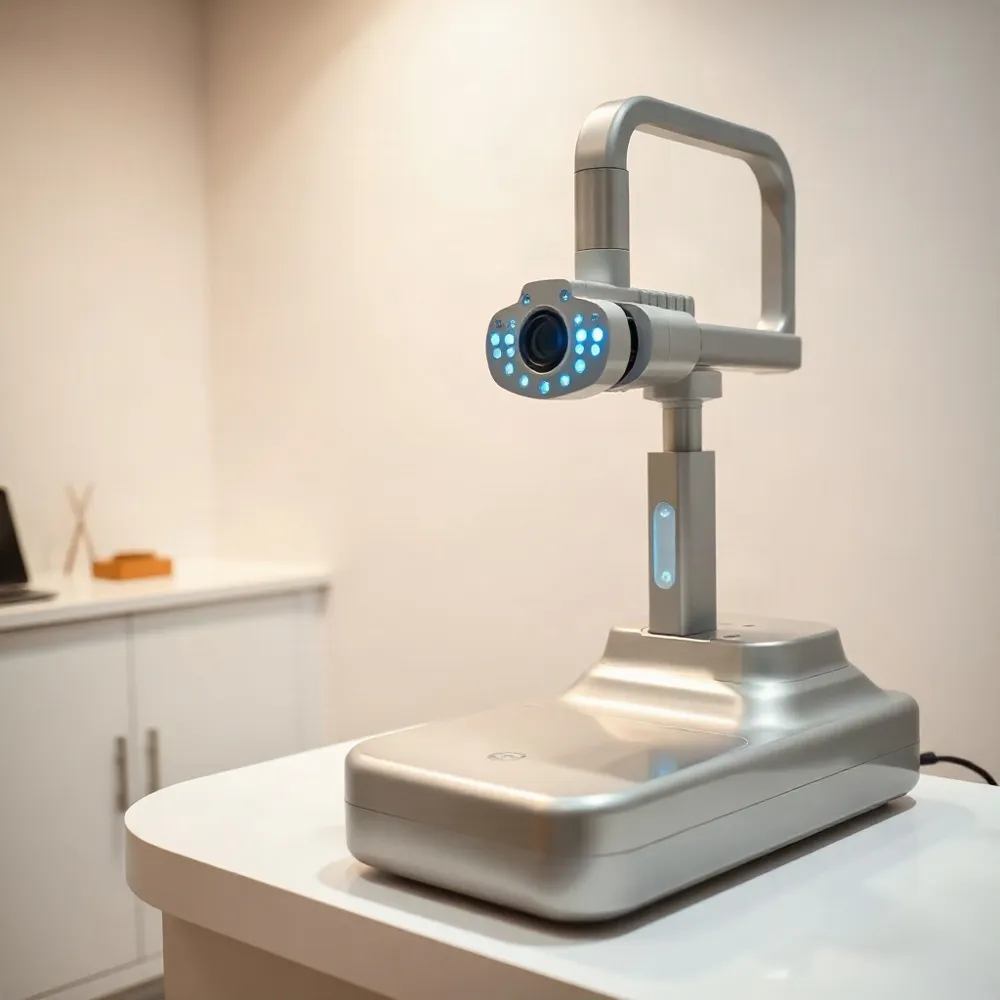
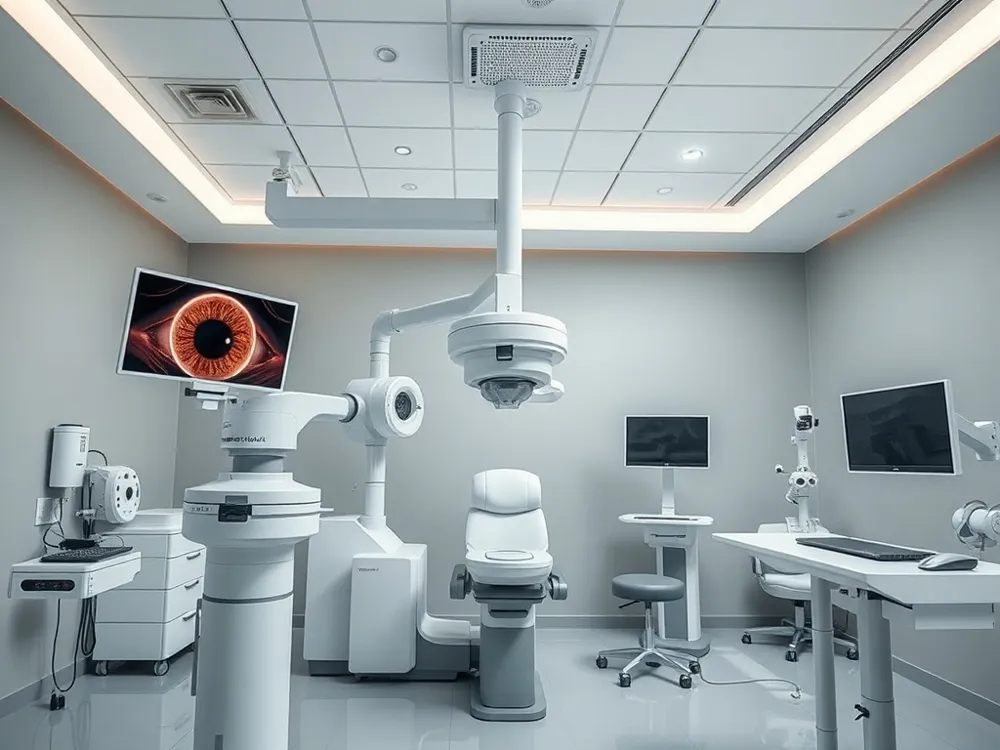
Rather than simply prescribing glasses or contacts, the practice uses advanced diagnostics, including the DRI OCT Triton, to evaluate each patient’s unique eye anatomy and lifestyle needs. The team then discusses the full range of options—from traditional eyewear to modern surgical procedures—ensuring patients make informed decisions tailored to their daily lives. This holistic model bridges the gap between routine eye exams and advanced vision correction, helping patients see the world more clearly without compromise.
Understanding LASIK: Comfort and Safety
Does LASIK eye surgery hurt?
LASIK is generally not a painful procedure. Before surgery begins, the eye is numbed with anesthetic drops, so no sharp pain is felt. During the creation of the corneal flap, a patient may experience only mild pressure or a strange sensation.
After the numbing wears off, temporary discomfort is common. This can feel like a gritty, burning, or watery sensation, similar to having something in the eye. This irritation usually peaks within a few hours and resolves within a day or two, especially with rest and prescribed lubricating drops. Some patients later notice dryness, but this is a manageable sensation rather than pain.
What are the disadvantages and contraindications for LASIK?
Disadvantages of LASIK include common side effects such as dry eyes, glare, halos, and night-vision problems. These are usually temporary but can be permanent in a small number of cases. Rare complications include flap-related issues, infection, corneal ectasia, and under- or over-correction that may require a secondary enhancement procedure.
Not everyone is a suitable candidate. Key contraindications include:
| Contraindication | Why It Matters | Alternative Consideration |
|---|---|---|
| Severe dry eye | Increased risk of post-operative discomfort and poor healing. | PRK or ICL |
| Thin or irregular corneas (e.g., keratoconus) | High risk of corneal ectasia (progressive thinning). | PRK, ICL, or RLE |
| Uncontrolled autoimmune diseases (e.g., lupus, RA) | Can impair healing and increase infection risk. | Evaluate case-by-case |
| Unstable vision (pregnancy, uncontrolled diabetes) | Results may not be lasting. | Wait for stability |
| Active eye infections or severe glaucoma | Surgery may worsen the condition. | Treat underlying issue first |
Patients with very high prescriptions may also experience myopic regression over time and might be better served by alternative procedures like ICL. A thorough pre-operative exam is essential to identify these risks and ensure safety.
Cost, Insurance, and Value of LASIK
National Price Ranges for LASIK
The cost of LASIK in the United States typically ranges from $1,500 to $5,000 per eye. Many patients pay an average of $2,200 per eye, although prices vary based on technology and geography. Advanced procedures like bladeless, wavefront-guided, or topography-guided LASIK generally cost more than standard LASIK. Clinics often include pre-operative diagnostics and a year of post-operative care in the quoted price, which can affect the total expense.
Factors That Influence Cost
Several elements determine the final price of LASIK. The type of laser platform used (e.g., femtosecond vs. microkeratome) and the surgeon’s experience drive costs higher. Geographic location also matters; practices in major metropolitan areas often charge more than those in smaller cities. Additionally, the complexity of the prescription (e.g., high myopia or astigmatism) may require more advanced mapping and treatment, increasing the fee.
Financing and Discount Programs
Since LASIK is an elective procedure, most medical and vision insurance plans do not cover it. However, many providers offer financing options such as CareCredit, payment plans, or special promotions. Patients can also use Health Savings Accounts (HSAs) or Flexible Spending Accounts (FSAs) to pay with pre-tax dollars. Employer vision plans sometimes provide negotiated discounts with specific LASIK centers, reducing the out-of-pocket cost.
Comparing Lifetime Expense: LASIK vs. Glasses and Contacts
While LASIK has a high upfront cost, it can be more cost-effective over a lifetime. A 30-year supply of contact lenses and supplies costs roughly $24,000, and glasses replaced every 1–2 years add thousands more. LASIK, by contrast, is a one-time expense that eliminates recurring purchases. For active individuals and those seeking long-term freedom from eyewear, LASIK often provides superior financial value and convenience. | Correction Method | Upfront Cost (per eye or per pair) | Recurring Costs | Long-Term Value (30 years) | |---|---|---|---| | Glasses | $100 – $600 per pair | Frames and lenses replaced every 1–2 years | High cumulative cost, plus inconvenience | | Contact Lenses | ~$800 per year (lenses + supplies) | Annual or monthly replacement, solutions | ~$24,000 total, with daily maintenance | | LASIK | $1,500 – $5,000 per eye | None (one-time) | Cost-effective over time; eliminates routine eyewear purchases |
Success Rates and What to Expect After Surgery
What is the success rate of LASIK eye surgery?
Modern LASIK achieves outstanding success rates. Clinical studies consistently show that over 98 % of patients attain 20/20 vision or better. Many leading centers report that 99 % of treated eyes achieve a functional 20/40 vision or better, meeting the standard required for driving without glasses. Patient satisfaction is correspondingly high, with more than 98 % of individuals reporting satisfaction with their outcomes.
These high success rates are supported by advances in technology. Modern systems use wavefront-guided and topography-guided mapping to create a personalized treatment plan for each eye. AI-driven algorithms further refine these plans, helping surgeons achieve exceptional precision. Serious complications remain rare—occurring in less than 1 % of cases—especially when thorough pre-operative screening identifies appropriate candidates.
What is the typical recovery time after LASIK, and how long do the results last?
Recovery after LASIK is rapid. Most patients notice clearer vision within a few hours of the procedure. The majority can return to normal activities, including work and driving, within 24 to 48 hours. Vision typically stabilizes within the first week, though minor fluctuations in sharpness can continue for up to a month as the eye fully heals.
The results of LASIK are long-lasting. The procedure permanently reshapes the cornea, so the correction of nearsightedness, farsightedness, or astigmatism is intended to be permanent. Long-term studies tracking patients for 10 to 20 years confirm that the vast majority maintain stable vision. However, age-related changes, such as presbyopia which begins in the mid-40s, can develop, potentially requiring reading glasses later in life. While most patients never need a follow-up, a small percentage—between 1 % and 5 %—may require an enhancement procedure years later to fine-tune their vision. Regular eye exams remain essential to monitor for any age-related changes.
Age, Health, and the Three Core Surgical Options
Are There Age Limits for LASIK or Other Vision-Correction Surgeries?
There is no strict upper age limit for LASIK; candidacy is based on eye health and prescription stability, not age alone. The minimum age is generally 18 for LASIK, though younger patients with stable vision might be steered toward PRK. Older adults can undergo LASIK, but age-related conditions like presbyopia or cataracts often make lens-based procedures like Refractive Lens Exchange (RLE) a better fit. RLE is typically recommended for patients over 40-45, offering presbyopia correction and cataract prevention.
Can People with Autoimmune Diseases Like Sjögren’s Syndrome or Hashimoto’s Disease Undergo LASIK Safely?
Autoimmune conditions like Sjögren’s syndrome or Hashimoto’s disease are traditionally listed as contraindications due to risks of corneal melting, severe dry eye, and impaired healing. Recent studies suggest well-controlled, mild disease with adequate tear production may allow LASIK after thorough evaluation. Each case requires detailed review of medical history and ocular surface health. Patients with uncontrolled autoimmune disease are usually advised to consider alternative options such as PRK, SMILE, or lens-based surgery.
LASIK, PRK, and RLE: The Three Core Options
The three main types of corrective eye surgery are LASIK, PRK, and Refractive Lens Exchange (RLE). LASIK reshapes the cornea under a flap using two lasers, offering rapid visual recovery. PRK reshapes the cornea’s surface without creating a flap, making it suitable for thinner corneas, though recovery is slower. RLE replaces the natural lens with an artificial intra-ocular lens, correcting presbyopia and high refractive errors, and is ideal for patients over 40 or those with thin corneas.
Beyond LASIK: Modern Vision‑Correction Solutions
What vision‑correction methods are available beyond LASIK, including newer surgeries?
Beyond LASIK, several advanced methods tailor treatment to individual needs. PRK (photorefractive keratectomy) reshapes the cornea without creating a flap, making it ideal for patients with thin corneas or those in high-impact sports where a flap could be a risk. Learn more about PRK as alternative for high prescriptions or thin corneas.
SMILE (small‑incision lenticule extraction) uses a single, tiny incision to remove a lenticule, preserving corneal nerves and reducing post-operative dry eye risk. It offers a fast recovery, often comparable to LASIK. Discover SMILE – the “unLASIK” alternative.
Implantable Collamer Lens (ICL) places a reversible, biocompatible lens behind the iris, correcting moderate-to-high myopia and astigmatism without altering the cornea. It is particularly suitable for patients with dry eyes or thin corneas. Explore EVO ICL – reversible lens for high myopia.
Refractive Lens Exchange (RLE) replaces the natural lens with an artificial intraocular lens, addressing presbyopia, high hyperopia, and preventing future cataracts. Understand Refractive Lens Exchange (RLE) explained. These options allow a highly personalized treatment plan based on age, corneal thickness, prescription severity, and lifestyle.
What laser or surgical options are available for correcting astigmatism?
Astigmatism can be effectively treated with LASIK, PRK, or SMILE, each reshaping the cornea to create a more uniform curvature. Learn about treating astigmatism: glasses, contacts, or LASIK. For higher degrees of astigmatism or patients with thin corneas, a toric ICL (Implantable Collamer Lens) can be implanted. Find out about EVO ICL vision correction for adults 18‑49. This lens provides precise, stable correction without removing corneal tissue and is a reversible option. The choice of procedure depends on the severity of the astigmatism, corneal thickness, and overall eye health, determined through detailed corneal topography and tomography.
Latest technology trends
Modern vision correction is increasingly data-driven. Topography-guided LASIK uses up to 22,000 data points to map the cornea's unique surface, creating a personalized treatment profile that can achieve superior outcomes. Read about Contoura® Vision topography‑guided custom LASIK explained. AI-guided treatment planning is emerging, using algorithms to optimize laser parameters for each individual eye, improving accuracy and predicting results. Learn about 2025 LASIK AI innovations. Innovations like Contoura® Vision and Phorcides Analytic Engine exemplify this trend toward hyper-personalized, surgeon-driven care, aiming to minimize side effects like glare and halos while maximizing visual quality. Bladeless, femtosecond laser flap creation has also become standard, enhancing safety and precision. | Procedure | Correction Type | Flap or Incision | Reversibility | Ideal Candidate | Key Advantages | | :--- | :--- | :--- | :--- | :--- | :--- | | LASIK | Myopia, Hyperopia, Astigmatism | Corneal flap | No | Healthy corneas, stable Rx | Fastest recovery, minimal discomfort | | PRK | Myopia, Hyperopia, Astigmatism | No flap (epithelium removed) | No | Thin corneas, active lifestyles | No flap risk, good for high-risk jobs | | SMILE | Myopia, Astigmatism | Tiny 2mm incision | No | Dry eye concerns, active patients | Less dry eye, faster recovery than PRK | | ICL | High Myopia, Astigmatism | No corneal change | Yes | Thin corneas, high Rx, dry eye | Reversible, UV protection, no dry eye | | RLE | Hyperopia, Presbyopia, Myopia | Small incision | No | Over 40, high Rx, presbyopia | Corrects presbyopia, prevents cataracts |
Risk Comparison and Post‑Surgery Care
Is Implantable Collamer Lens (ICL) riskier than LASIK?
Both LASIK and ICL procedures are very safe when performed by experienced surgeons. The primary risk with LASIK involves flap-related complications, such as dislocation or epithelial ingrowth, while ICL carries a slightly elevated risk of intra-ocular infection (endophthalmitis) and potential cataract formation. Modern ICL designs have significantly reduced cataract risk. Serious complications for either procedure are rare. The choice between them depends less on overall risk and more on individual factors like prescription strength, corneal thickness, and dry-eye risk.
Practical Recovery Tips
Recovery from vision correction surgery requires adherence to specific guidelines for optimal outcomes. Patients should avoid rubbing their eyes, wear UV-blocking sunglasses outdoors, and use prescribed artificial tears to manage temporary dryness. Most individuals can return to normal activities within a day or two after LASIK, while lens-based procedures may have a slightly longer healing period. Follow-up appointments are crucial to monitor healing.
What is the 20‑20‑20 rule after LASIK and why is it important?
The 20‑20‑20 rule is a simple practice for digital screen users: every 20 minutes, take a 20-second break to look at something 20 feet away. After LASIK, the eyes are in a healing phase and are more prone to dryness and fatigue. Observing this rule reduces eye strain, combats dryness, and promotes comfort, helping the cornea heal more smoothly and supporting faster visual recovery. This is especially beneficial for patients who spend many hours on computers or smartphones. | Procedure | Primary Risks | Typical Recovery | Key Post-Op Action | |---|---|---|---| | LASIK | Flap complications (e.g., dislocation, epithelial ingrowth) | Fast (1-2 days) | Avoid eye rubbing; use artificial tears | | ICL | Endophthalmitis, cataract formation | Moderate (few days) | Monitor intra-ocular pressure; use antibiotic drops | | PRK | Corneal haze, surface discomfort | Slower (weeks) | Use protective contact lens; UV protection | | RLE | Posterior capsule opacification (PCO) | Moderate (few weeks) | Report sudden vision changes; limit strenuous activity |
Choosing the Right Path for Clear Vision
Personalized evaluation at Apple Eye Care
Your journey to clearer sight begins with a thorough, personalized evaluation. Unlike a simple lens prescription, surgical candidates need a detailed assessment of corneal thickness, prescription stability, and overall eye health.
Integration of advanced diagnostics
We utilize advanced diagnostic tools, like the DRI OCT Triton, to create a detailed map of your eye. This data is crucial for determining candidacy and customizing any treatment plan, mirroring the precision of topography‑guided LASIK systems.
Balancing cost, lifestyle, and health
The choice between glasses, contacts, and surgery involves balancing upfront costs, long‑term expenses, and lifestyle needs. While LASIK is a one‑time expense often offset by years of savings, glasses offer a non‑invasive, flexible solution, and contacts provide an invisible correction.
Commitment to long‑term eye health
Our commitment extends beyond a single procedure. Even after successful vision correction, age‑related changes like presbyopia can occur, requiring continued care. Regular exams remain essential to monitor for future conditions such as cataracts or macular degeneration.
At a glance: Key factors in your vision-correction decision
| Factor | Glasses | Contact Lenses | LASIK Surgery |
|---|---|---|---|
| Invasiveness | Non‑invasive | Non‑invasive, but requires daily handling | Surgical, outpatient procedure |
| Cost over 10 years | Recurring (frames, lenses) | Recurring (boxes, solutions) | Single, larger upfront cost |
| Lifestyle impact | Slipping, fogging, limits activity | Risk of infection, requires hygiene routine | Freedom from eyewear, fast recovery |
| Candidacy | Broad, all ages and prescriptions | Most ages, requires healthy eye surface | Requires stable prescription, healthy cornea |
| Long‑term vision changes | Easily adjusted with new Rx | Easily adjusted with new Rx | Permanent correction; age‑related changes may still need readers |