A New Approach to Family Eye Care
Family eye care is moving beyond the standard one-size-fits-all exam. Personalized patient care in optometry builds treatment plans around each person's unique health history, lifestyle, and visual needs. For families in El Paso, this tailored approach means a single practice can serve every member — from a child with myopia to a grandparent managing glaucoma.
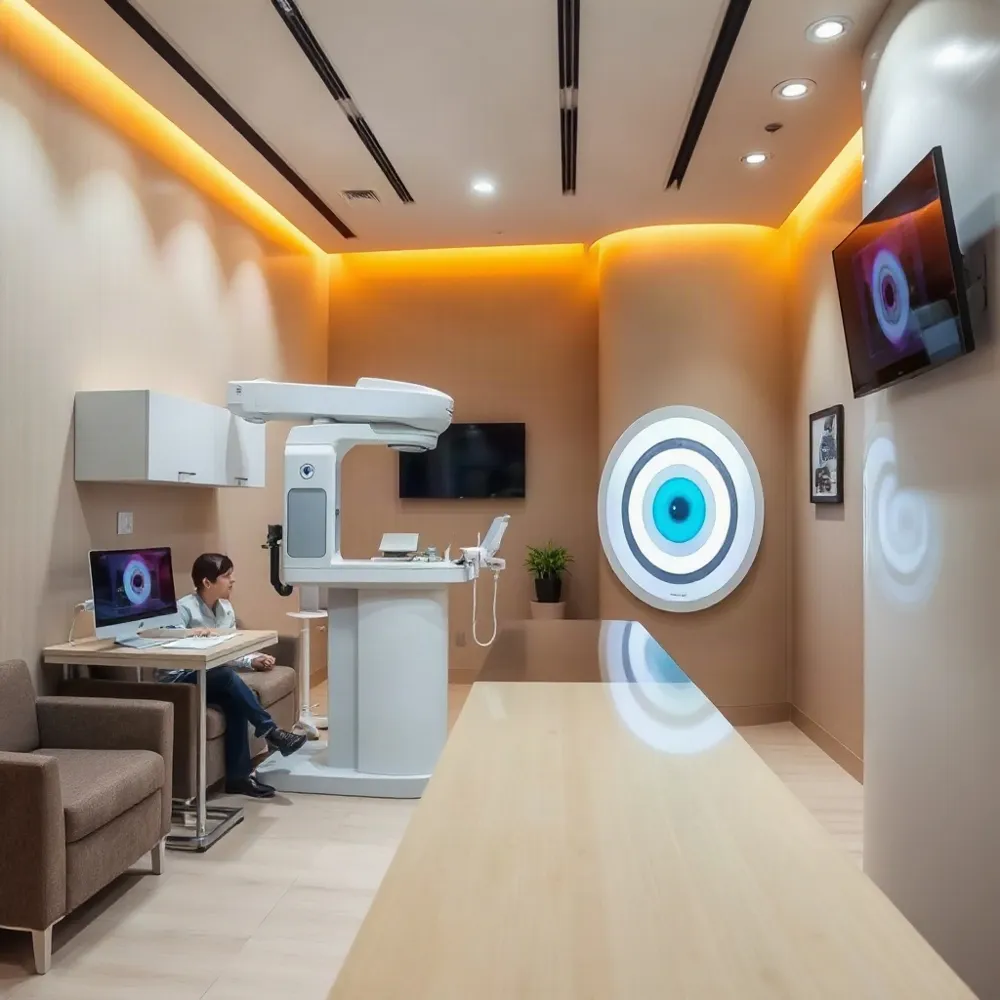
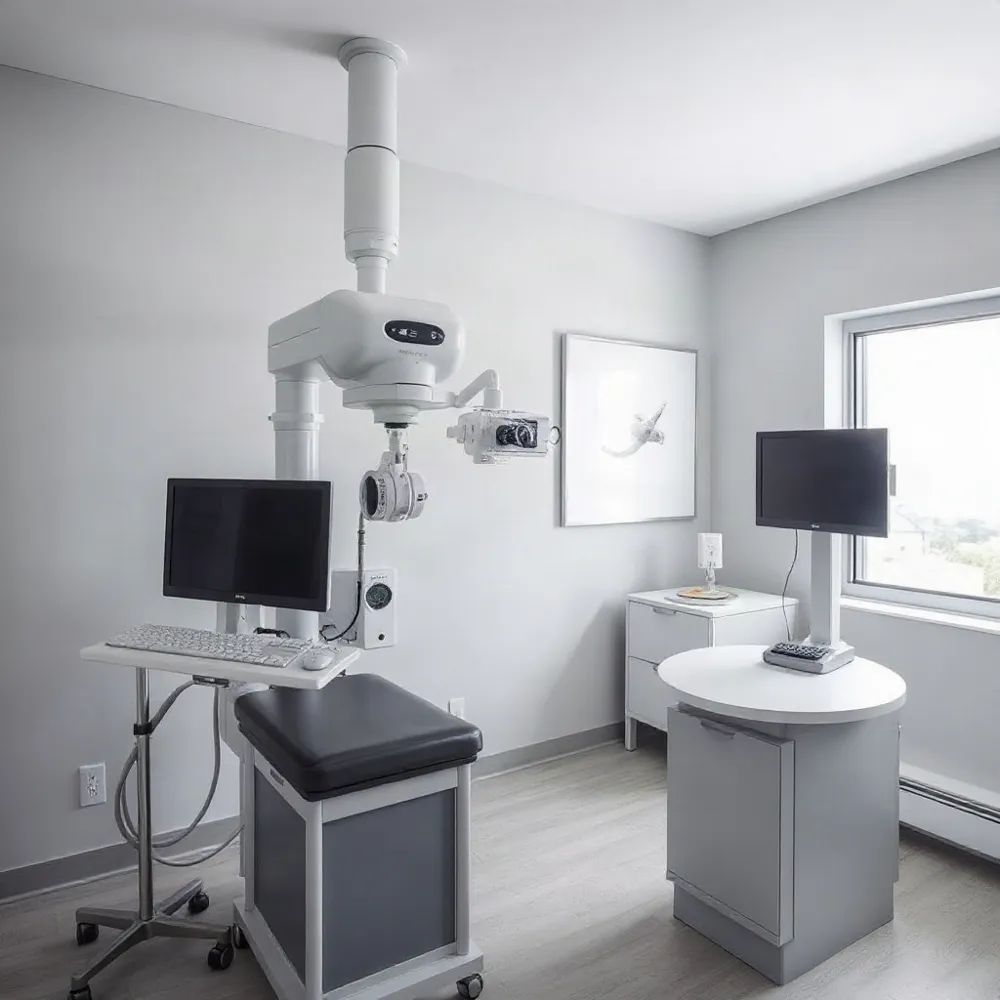
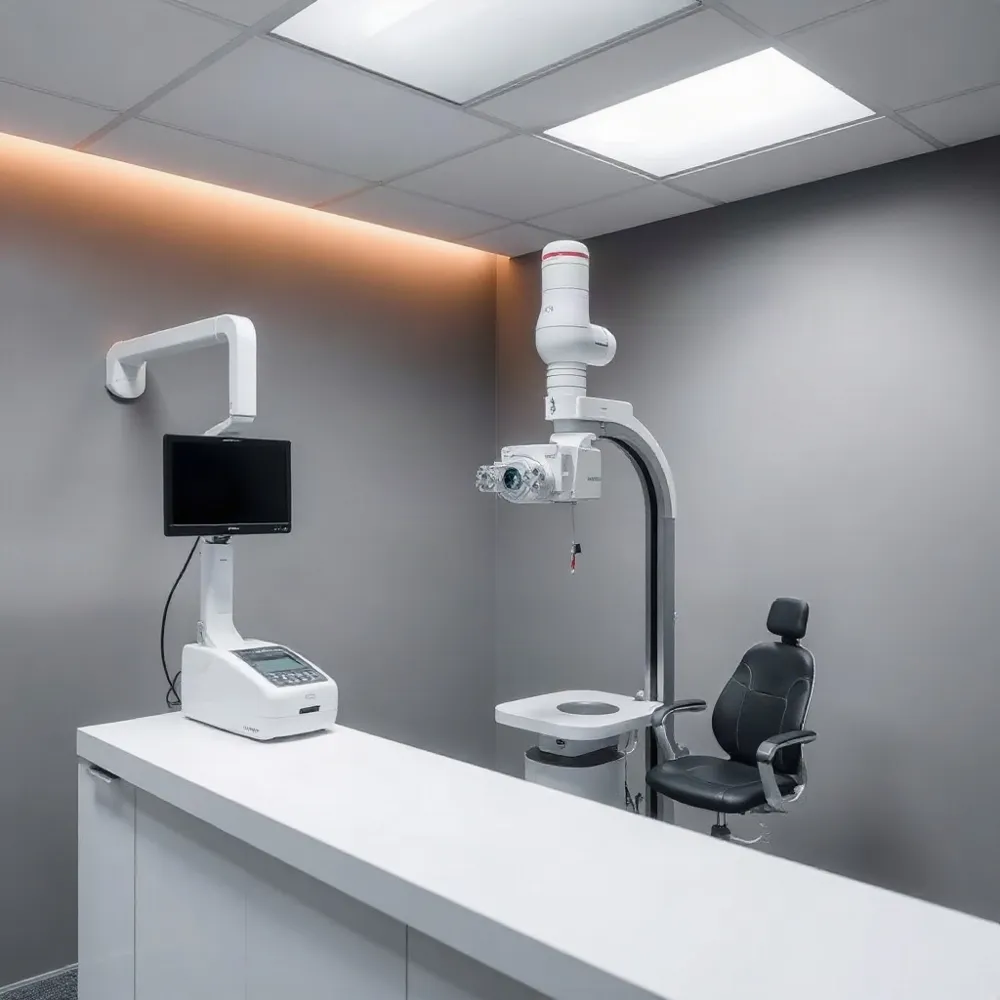
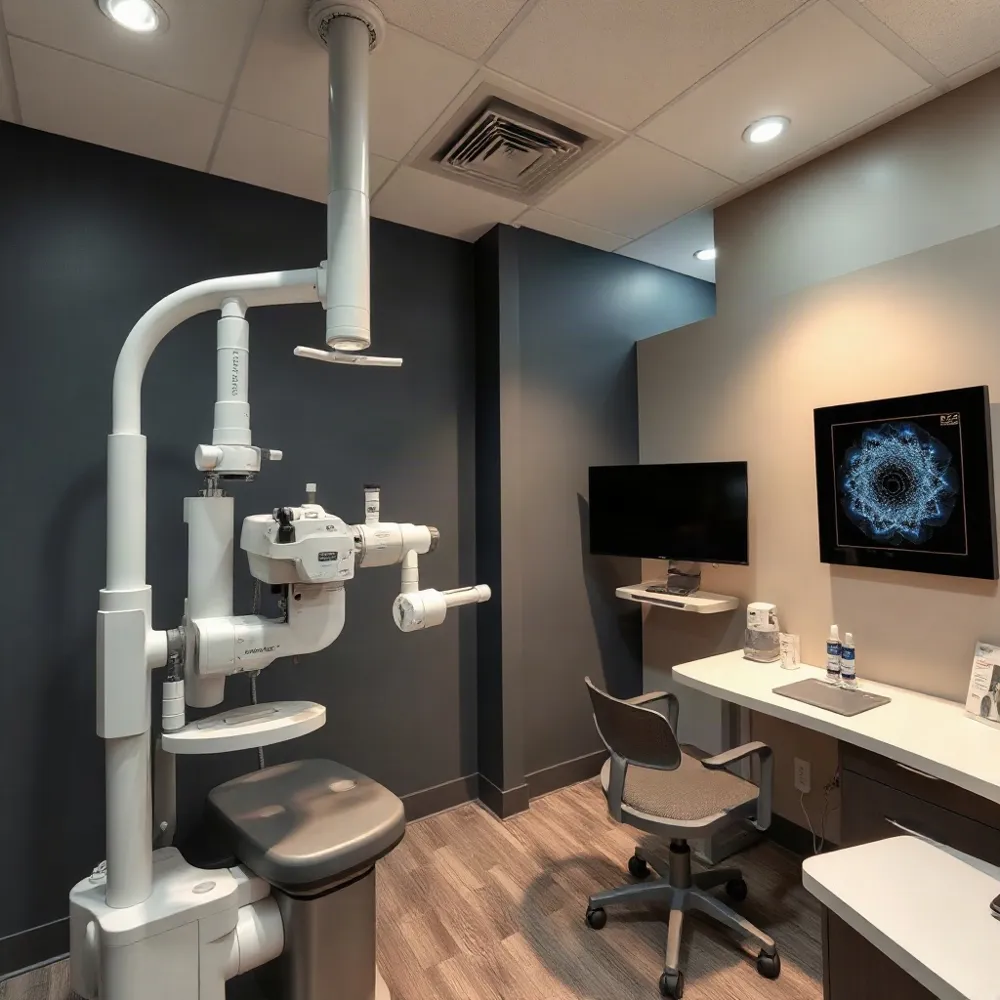
At Apple Eye Care, Dr. Stephen Applebaum and his team combine modern diagnostic tools such as the DRI OCT Triton with compassionate, family-focused attention. The result is earlier detection of conditions like cataracts and diabetic retinopathy, and care plans that fit real life. This article covers six specific ways personalized eye care enhances family vision health.
Key Facts on Personalized Eye Care
- Personalized eye care plans can boost patient adherence to therapy by up to 30%, as shown in research.
- Up to 90% of sight loss is preventable through early detection and intervention.
- The DRI OCT Triton is a high-resolution imaging system used for early detection of glaucoma, cataracts, and macular degeneration.
- Apple Eye Care in El Paso is the only optometry practice in Texas using the DRI OCT Triton.
- Personalized care plans have been shown to reduce emergency eye-care visits by 15-20% and increase patient satisfaction scores by an average of 25%.
- For children, a personalized myopia control plan can slow prescription changes and reduce the risk of high prescriptions later in life.
- Artificial intelligence assists clinicians by analyzing retinal scan data to flag early signs of diabetic retinopathy or glaucoma.
- Shared decision-making between doctor and patient increases adherence to prescribed plans and builds trust.
- Medical eye conditions like cataracts and glaucoma are often covered under medical health insurance, not just vision plans.
- The 10-10-10 rule for digital devices recommends looking at something 10 feet away for 10 seconds every 10 minutes to reduce eye strain.
1. Tailored Plans That Boost Adherence
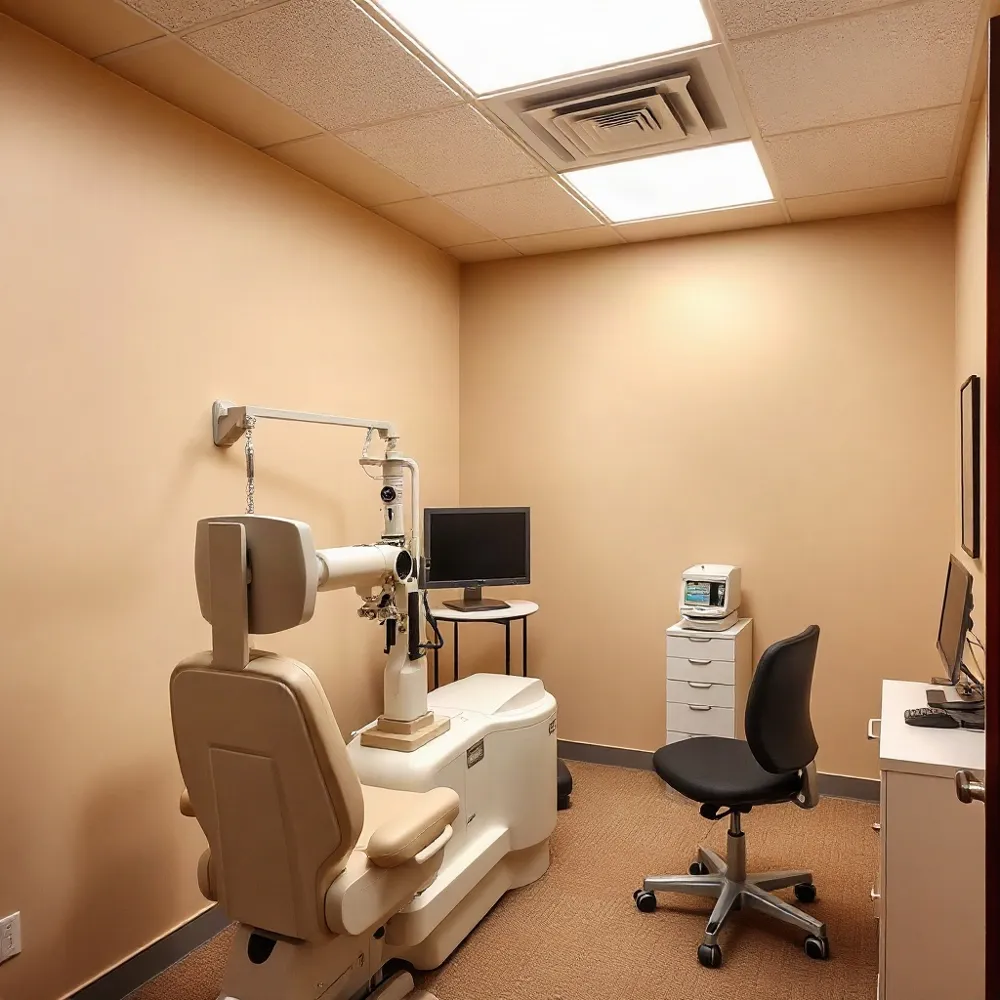 A standard prescription corrects how light focuses on the retina, but it does not account for how a patient actually lives. Personalized care plans build on a patient's daily screen time, outdoor hobbies, and family health history to create a strategy that fits their life rather than forcing their life to fit a generic solution.
Shared decision-making — where the doctor and patient discuss treatment options together — significantly increases adherence to prescribed plans. When patients understand why a particular lens or therapy is recommended and feel heard in the process, they are more likely to follow through. Research indicates that personalized eye care protocols can boost patient adherence to therapy by as much as 30%.
Aligning treatment goals with personal aspirations further improves long-term compliance. A grandparent who wants to read to their grandchildren or a driver who needs clear night vision will stay engaged with a care plan that directly supports those activities. At Apple Eye Care, Dr. Stephen Applebaum and his team move beyond standard prescriptions by incorporating each patient's lifestyle and visual demands, using tools like the DRI OCT Triton to track progress and adjust the plan as needs change.
2. Advanced Diagnostics for Early Detection
Up to 90% of sight loss is preventable through early detection and intervention. Many sight-threatening conditions develop silently, without noticeable symptoms, making routine screenings essential. Advanced diagnostic technology now gives optometrists the ability to identify ocular changes long before vision is affected.
Among the most advanced tools available is the DRI OCT Triton, a high-resolution imaging system that captures microscopic details of the retina and optic nerve. Apple Eye Care is the only optometry practice in Texas to offer this level of precision imaging, enabling their team to detect subtle, asymptomatic changes that traditional exams might miss.
What DRI OCT Triton Reveals
The DRI OCT Triton provides a cross-sectional view of the eye's layers, allowing doctors to identify early signs of glaucoma, cataracts, and macular degeneration. It also integrates a patient's longitudinal health history with each scan, so providers can track how conditions change over time with greater accuracy than standard methods.
This capability shifts eye care from reactive to proactive. Instead of treating vision loss after it occurs, Apple Eye Care can intervene earlier, often preserving sight that might otherwise be lost. For families in El Paso, this means a higher standard of preventive care delivered with modern technology.
Three simple habits support this high-tech approach. First, eat a nutrient-rich diet with leafy greens and omega-3-rich fish, which supports retinal health. Second, follow the 20-20-20 rule for screen breaks to reduce digital eye strain. Third, schedule annual comprehensive exams that include advanced imaging — this is the single most effective way to catch glaucoma, macular degeneration, and other silent conditions early.
3. Patient Satisfaction and Reduced Emergencies
Personalized care plans that address specific needs such as dry eye relief or cataract management have been shown to reduce emergency eye-care visits by 15-20%. When patients receive a plan tailored to their daily life, they are less likely to experience sudden problems that require urgent attention.
Patient satisfaction also rises substantially. Practices that adopt personalized protocols report an average 25% increase in patient-satisfaction scores. A comprehensive Health Risk Assessment and a thorough understanding of each patient's lifestyle are the foundations of this approach, ensuring that care feels relevant rather than generic.
Compassionate communication and empathy-based interactions further reduce anxiety during visits. When patients feel heard and respected, they become active partners in their health journey rather than passive recipients of instructions. This partnership builds trust and encourages consistent follow-through on treatment plans.
For comprehensive eye exams in El Paso, Apple Eye Care offers family-focused exams for all ages using advanced diagnostic technology like the DRI OCT Triton. Led by Dr. Stephen Applebaum, the practice provides personalized attention, from contact lens fittings to dry eye and cataract care.
4. Life-Stage Specific Care for Every Age
Vision needs change dramatically from childhood through the senior years, and a one-prescription-fits-all approach misses what matters at each life stage. Effective family eye care adapts to these shifts, offering specific strategies for children, working-age adults, active individuals, and older patients.
For children, a personalized myopia control plan can slow how quickly a child's prescription changes year after year, supporting more controlled eye development and reducing the risk of high prescriptions later in life. Custom glasses and specialized contact lenses help manage how young eyes focus, addressing nearsightedness before it progresses.
Adults facing long screen hours benefit from digital eye strain support, including computer vision exams, ergonomic advice, and lens options that reduce fatigue. For athletes and active patients, precision-fit contact lenses and sports vision evaluations improve performance and comfort during physical activity.
Proactive aging care monitors for cataracts, glaucoma, and macular degeneration in patients over 60, conditions that often develop without early symptoms. Regular imaging with tools like the DRI OCT Triton allows clinicians to track these chronic changes and adjust care plans as the patient's health evolves.
Optometrists can also accommodate patients with special needs, such as autistic children, by scheduling appointments during quieter times, minimizing bright lights, using matching shapes or pictures instead of letter charts, and allowing extra time for each step. Consistent providers and a calm environment make exams more manageable for the child and the caregiver.
At Apple Eye Care, Dr. Stephen Applebaum and his team design care plans that adapt as patients grow and life changes, ensuring that each family member receives the right support at every stage of life. The practice's family‑focused model treats patients from children to seniors with the same personalized attention and modern diagnostic capability.
5. Technology and AI That Enhance Personalized Care
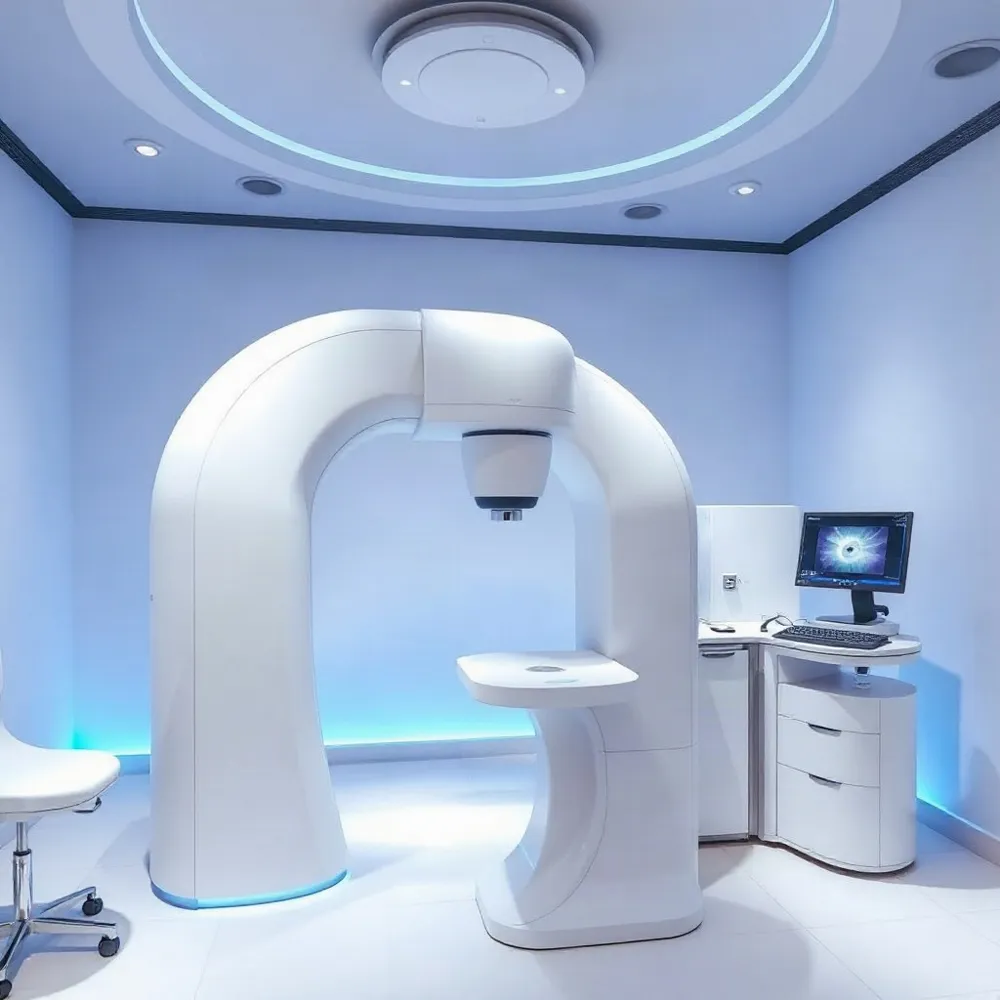 Modern optometry has moved well beyond the standard refraction test. At Apple Eye Care, advanced tools like the DRI OCT Triton — the only such device in the hands of a Texas optometrist — provide microscopic, high-resolution images of the retina and optic nerve. This level of detail allows the team to detect conditions such as glaucoma, macular degeneration, and diabetic retinopathy long before a patient notices symptoms. When early detection catches a disease in its earliest stages, treatment is far more effective and vision loss is often preventable.
Artificial intelligence now assists clinicians by analyzing the vast datasets these scans produce. AI algorithms can identify subtle biomarkers in retinal images that are invisible to the human eye, flagging the earliest signs of diabetic retinopathy or glaucoma for the doctor to review. This technology does not replace the optometrist's judgment — it acts as a decision-support layer, one more tool that frees the clinician to spend more time on personalized patient interaction rather than on manual image analysis.
Telehealth options at Apple Eye Care extend this personalized approach beyond the exam chair. Remote triage and follow-up consultations reduce unnecessary office visits, making it easier for busy families to stay on top of their eye health. Whether it is a quick check-in about contact lens comfort or a review of imaging results, virtual visits keep the care team connected to patients between annual exams. This blend of high-tech diagnostics and compassionate, family-focused connection is what distinguishes a modern practice from a simple eyeglass store.
6. Building Trust and Long-Term Partnerships
Trust between a patient and their eye care provider develops through consistent, open communication. The College of Optometrists notes that building trust using open-ended questions and reflective listening is a fundamental component of effective eye health management.
Shared decision-making turns patients into active partners in their own care. When treatment choices are discussed together, adherence to prescribed plans increases significantly. Patient feedback consistently highlights compassionate, informative, and patient-centered interactions as the foundation of a positive experience.
At Apple Eye Care, the team focuses on treating families, not just individual conditions. Dr. Stephen Applebaum and his staff take time to explain results, answer questions, and align care with each patient's lifestyle and goals. This approach turns a routine exam into the start of a long-term relationship that supports vision health for years to come.
Who is Dr. Stephen Applebaum?
Dr. Stephen Applebaum is a Doctor of Optometry who has been caring for families in El Paso since 1999. He leads the team at Apple Eye Care with decades of experience and a gentle, detail-oriented approach that has earned the trust of the community.
What sets Dr. Applebaum apart is his investment in advanced diagnostic technology. He is the only optometrist in Texas using the DRI OCT Triton, a high-resolution imaging device that provides microscopic views of the retina and optic nerve. This tool allows him to detect conditions like glaucoma and macular degeneration earlier than standard methods allow.
The practice is built on a foundation of family-focused, personalized care. Dr. Applebaum and his team take time to understand each patient's lifestyle, health history, and visual demands, creating tailored plans that address immediate vision needs and long-term eye health. From children to seniors, every patient receives compassionate, thorough attention.
, many local families point to Dr. Applebaum for his combination of experience, cutting-edge technology, and genuine commitment to patient well-being. His practice offers comprehensive services, including dry eye treatment, cataract and glaucoma management, and advanced diagnostics, all under one roof.
Insurance and Benefits for Vision Care
Understanding your vision insurance and medical benefits can make quality eye care more accessible for your entire family. At Apple Eye Care in El Paso, the team works with patients to clarify coverage, reduce out-of-pocket costs, and ensure that both routine and specialized eye care fits within your budget.
Vision insurance plans vary by provider and location, but most include allowances for annual eye exams and prescription eyewear. Apple Eye Care is in-network with many major plans, including VSP, EyeMed, United Healthcare, Aetna, Cigna, and Medicare. If you are asking yourself whether VSP vision care is worth it, the answer often depends on your specific needs. For families who require routine exams, glasses, or contact lenses, VSP can provide predictable out-of-pocket costs and discounts on frames and lenses. For those managing conditions like dry eye or needing advanced diagnostics with the DRI OCT Triton, VSP coverage can help offset the cost of essential specialized services.
Not all eye care falls under a traditional vision plan. Medical eye conditions such as cataracts, glaucoma, and diabetic retinopathy are often covered under broader medical health insurance, not just vision benefits. Apple Eye Care helps patients distinguish between the two and recommends providing insurance details ahead of your appointment to verify coverage and minimize surprises. If you are unsure what your plan covers, call (915) 833-0633 or bring your insurance card to your visit so the staff can provide a detailed breakdown of your specific benefits.
Preparing for Your Eye Exam
A thorough eye exam starts with the right preparation. Avoiding certain substances and activities beforehand helps ensure that your results are as accurate as possible.
Caffeine and alcohol can temporarily raise blood pressure and cause eye dryness or irritation, which may affect measurements. Prolonged screen time before an exam can lead to eye strain and fatigue, skewing your baseline assessment.
Bring your current glasses and contact lenses so the doctor can compare your present prescription to your needs. Pack an unopened blister pack for soft lenses if you wear them. Sunglasses are useful in case your pupils are dilated. Also bring your insurance card and any relevant medical documents.
At Apple Eye Care, the team led by Dr. Stephen Applebaum designs each exam to be both thorough and comfortable, taking the time to explain findings and answer questions before patients leave.
Understanding Eye Anatomy and Health Habits
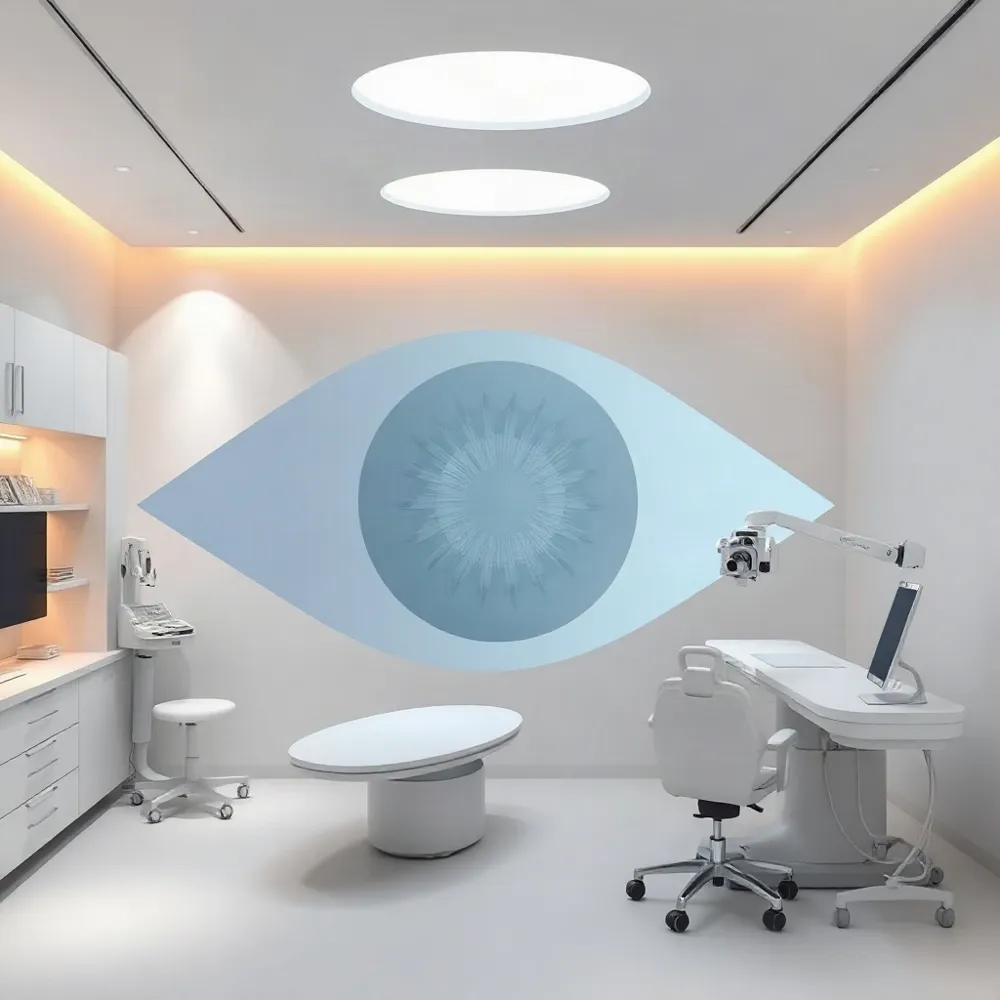 Knowing the basic parts of the eye helps explain why each component needs targeted care. The seven general components are the cornea, iris, pupil, lens, retina, optic nerve, and sclera. The cornea is the clear front that focuses light; the iris controls pupil size; the lens fine-tunes focus onto the retina, which converts light into signals sent via the optic nerve to the brain. The sclera is the tough white outer layer that protects the eyeball.
Healthy daily habits support all these structures. A balanced diet with leafy greens and omega-3s, UV-blocking sunglasses, and a smoke-free lifestyle each help reduce long-term risks such as cataracts and macular degeneration. Annual comprehensive exams allow early detection of conditions that often show no early symptoms.
For those who spend hours on digital devices, the 10-10-10 rule offers a simple remedy: every 10 minutes, look at something 10 feet away for 10 seconds. This relaxes the eye muscles and reduces digital strain. At Apple Eye Care, vision exams also serve as a window into total body health—revealing signs of diabetes, hypertension, and other systemic conditions through ocular changes.
Finding Affordable Eye Exams
The cost of an eye exam can vary widely, but the least expensive option often depends on your insurance coverage. Retail chains may offer competitive pricing, but for those with vision plans like VSP or EyeMed, an in-network provider typically delivers the lowest out-of-pocket cost.
At Apple Eye Care in El Paso, TX, we focus on providing comprehensive, personalized eye exams using advanced technology like DRI OCT Triton. To find your most affordable option, we recommend contacting us directly to discuss your specific needs and available payment plans.
In the United States, eligibility for a free eye test is primarily determined by government health programs. For example, California's Medi-Cal program provides free or low-cost vision care for residents with limited incomes. Children may also qualify if their household income is at or below 266% of the federal poverty level. Other factors such as pregnancy or disability can entitle individuals to vision benefits. Generally, receiving a free eye test requires meeting the income and eligibility criteria set by your state's Medicaid or similar program.
Your Family's Vision, Personalized
Personalized care sits at the center of meaningful family eye health. At Apple Eye Care, advanced diagnostics such as DRI OCT Triton combine with compassionate attention to help protect your family's vision for years to come. Schedule an appointment in El Paso and experience a tailored approach built around your specific needs.