Care for Every Stage of Life
A comprehensive eye exam does more than check how clearly someone can read a chart. It also helps assess eye health and identify changes that may call for attention. That broader view matters throughout life, from children developing vision to adults managing changing needs.
Good family eye care is personal: age, symptoms, health history, and daily activities all shape what care may be appropriate. In El Paso, Apple Eye Care provides eye exams, advanced diagnostics, and care for conditions including dry eye, cataracts, and glaucoma, with attention from a family-focused team led by Dr. Stephen Applebaum.
The patient stories discussed in this article come from third-party accounts shared by eye-care professionals. They illustrate why listening and follow-up matter, but they are not Apple Eye Care patient testimonials or evidence about the practice.
What a Comprehensive Eye Exam Can Reveal
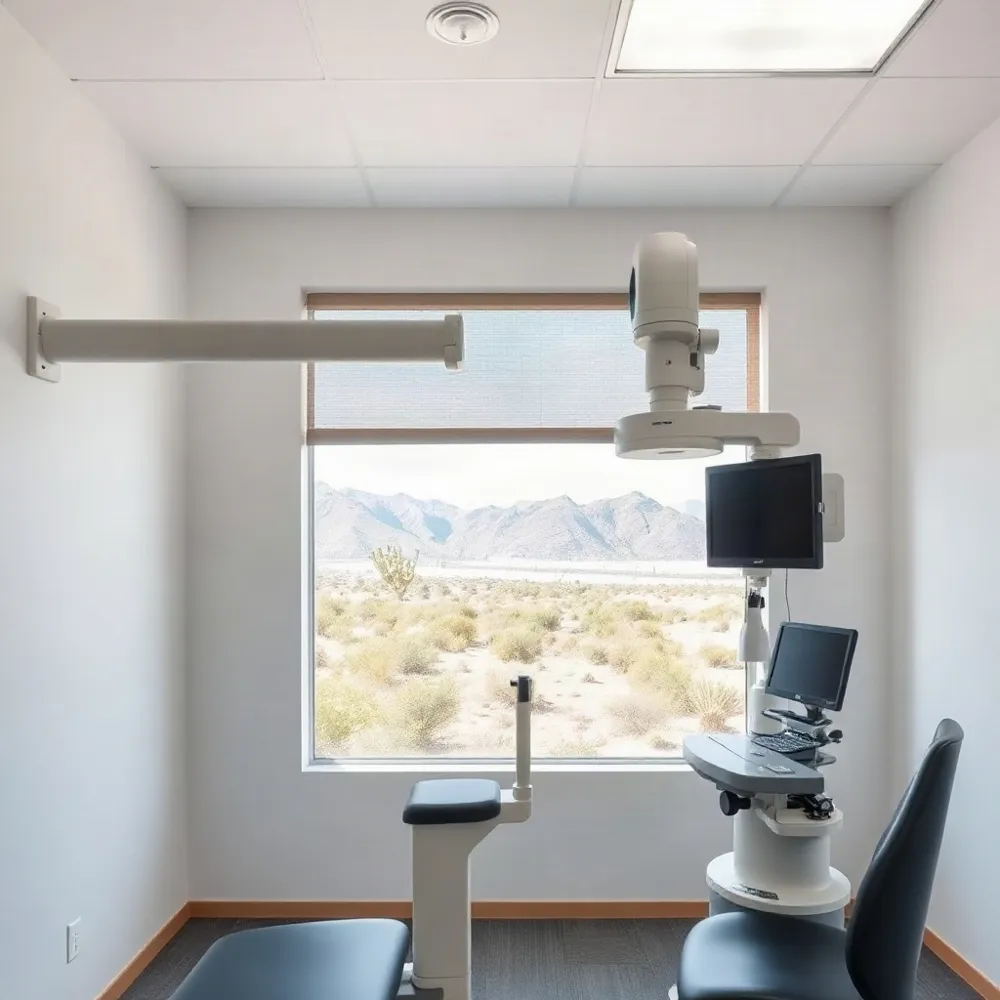 A comprehensive eye exam checks more than how clearly you see. It may include visual acuity and prescription testing, an assessment of the eyes’ internal and external structures, and screening for signs of eye disease. The exact tests depend on symptoms, age, health history, and risk factors.
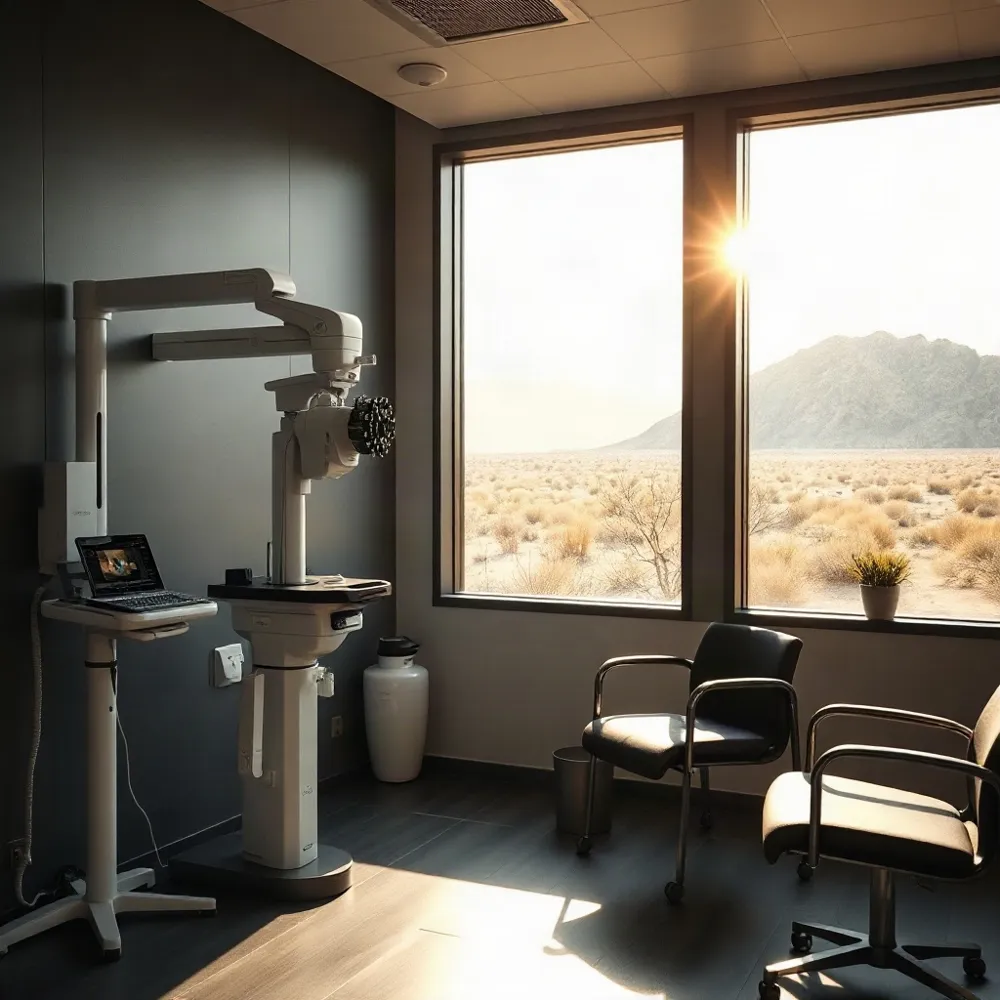
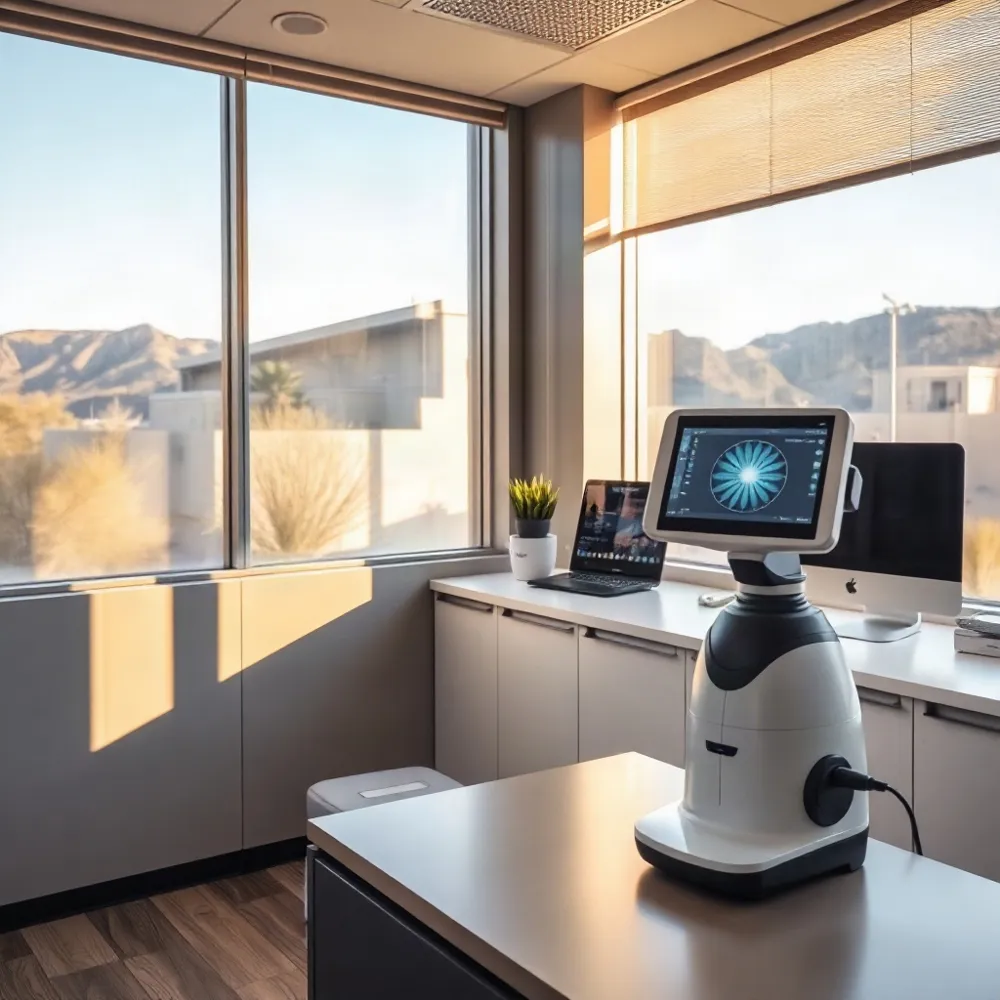
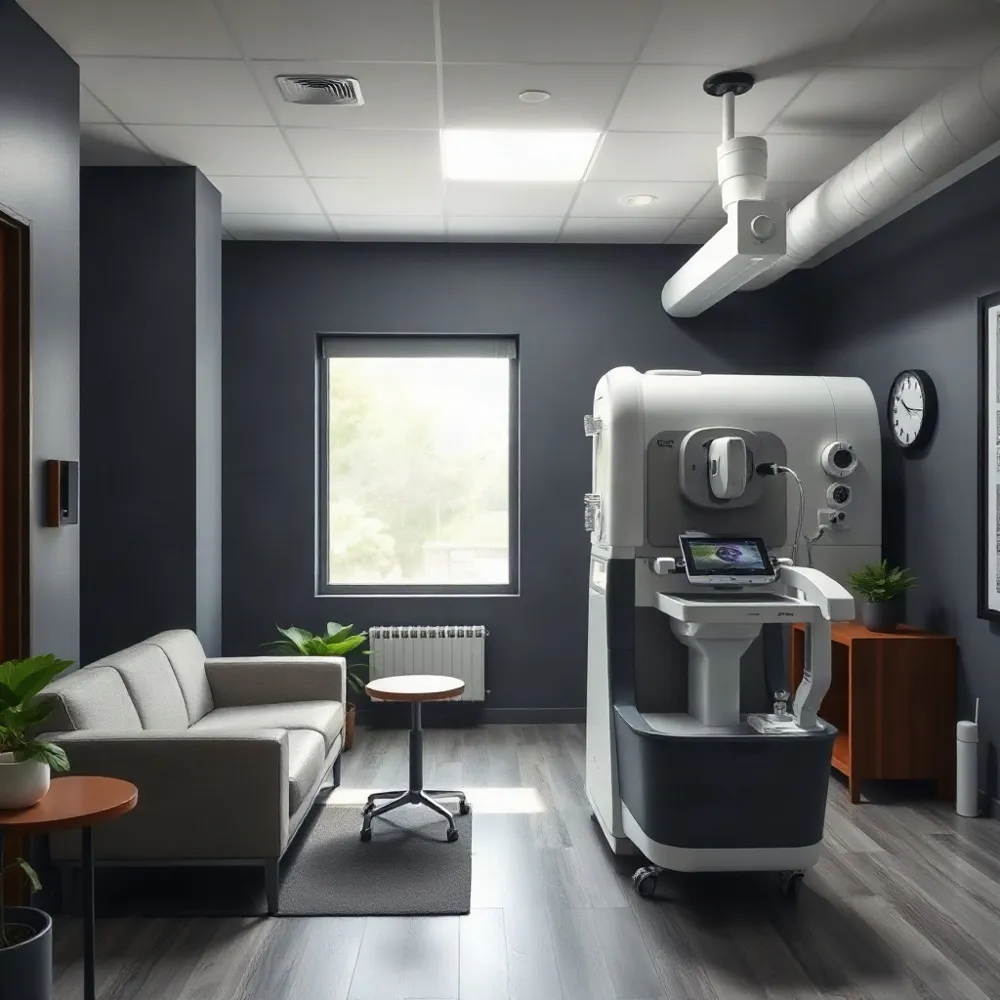
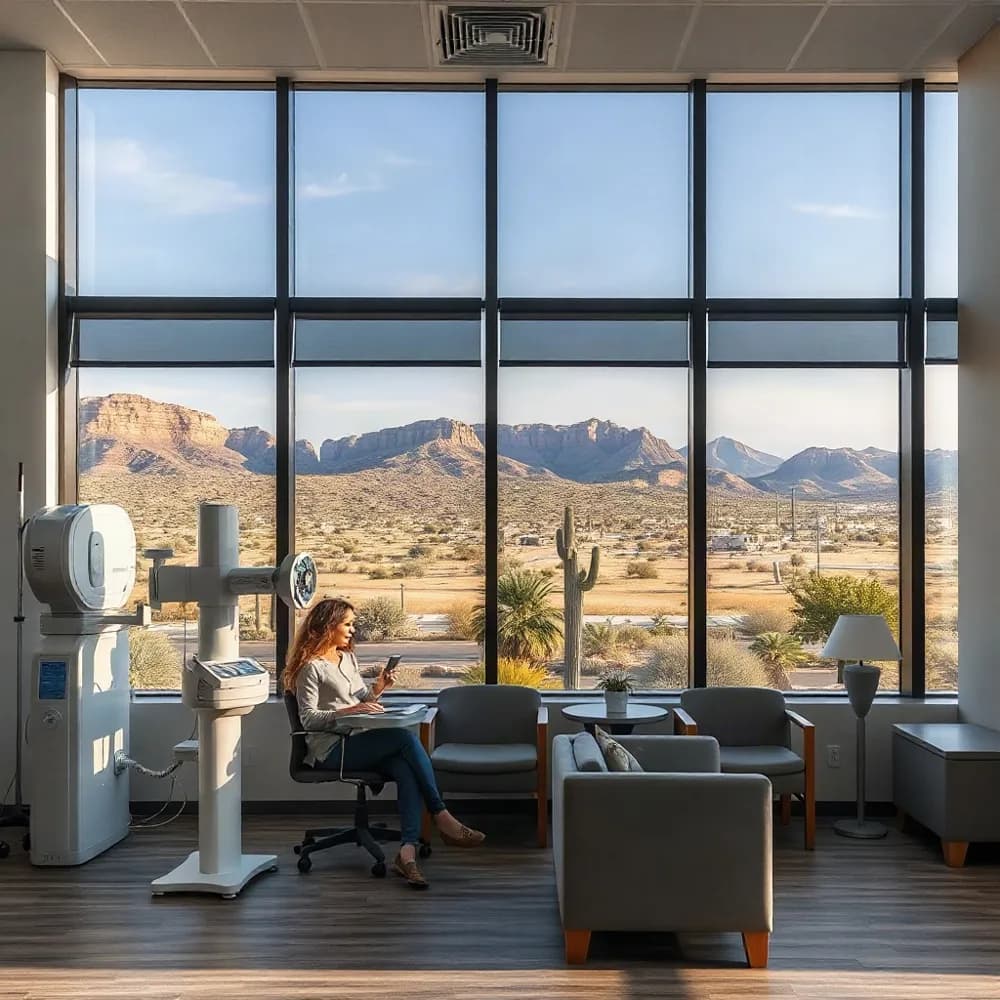
An optometrist may recommend retinal imaging, peripheral vision testing, or measurement of eye pressure when appropriate. At Apple Eye Care in El Paso, advanced diagnostics include the DRI OCT Triton, which supports evaluation of eye structures as part of care tailored to each patient.
An exam can identify refractive errors and may reveal conditions such as glaucoma, cataracts, macular degeneration, retinal disease, or diabetic retinopathy. The American Optometric Association’s annual-exam guidance also describes how an optometrist may examine the retina, blood vessels, and optic nerves for signs that merit attention.
Changes in retinal blood vessels can be associated with conditions such as diabetes or high blood pressure, but an eye finding alone does not diagnose either condition. It may instead prompt follow-up with a medical provider. Apple Eye Care’s comprehensive optometry services include eye-health evaluation alongside vision correction, with care shaped by each person’s needs.
Why Routine Exams Matter
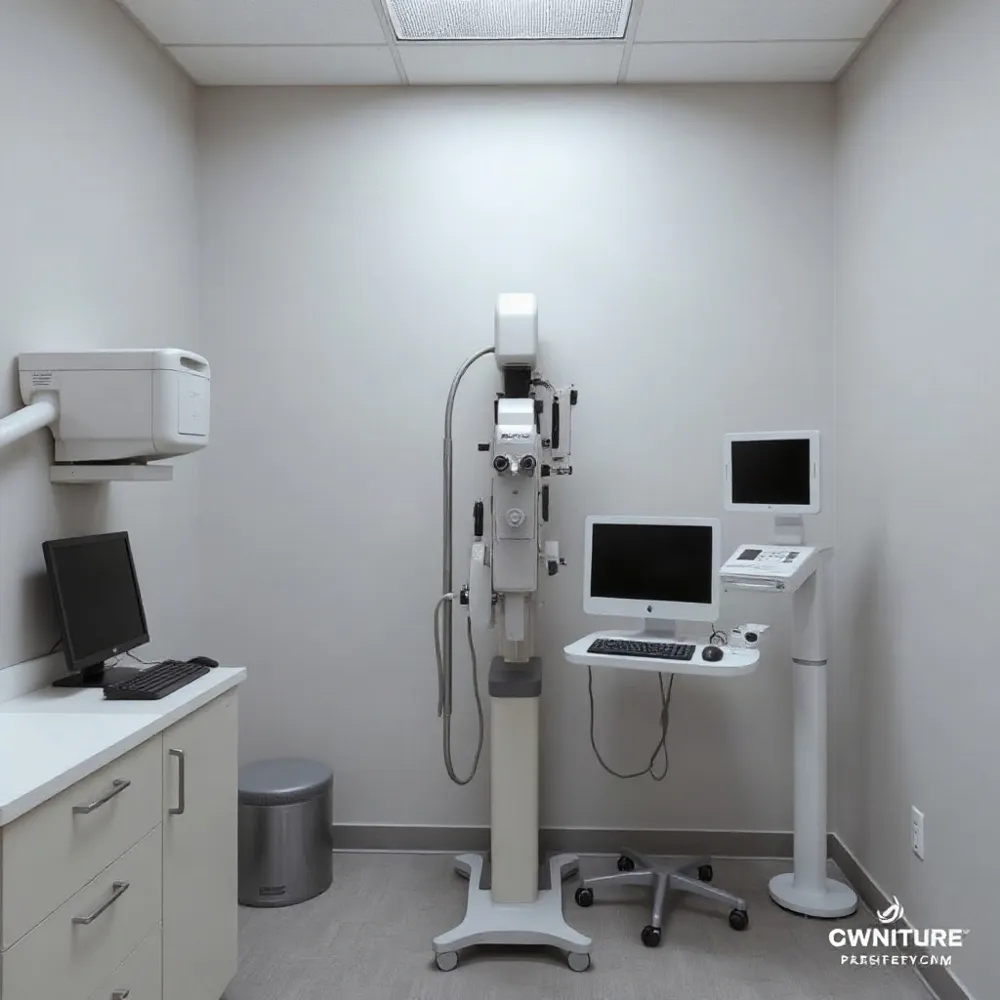 Vision can change gradually, making it easy to adjust without realizing that signs, reading, or driving have become harder. Routine exams assess both visual clarity and eye health, and can show when glasses or contact-lens prescriptions need updating, even if you feel no obvious difference. At Apple Eye Care in El Paso, comprehensive exams are part of a broader approach that includes monitoring eye health and addressing vision-correction needs.
Some eye conditions may develop with few noticeable symptoms at first. Macular degeneration, cataracts, and glaucoma can go unnoticed until later stages, so an exam offers a chance to check for changes before symptoms appear. Eye-care providers may also spot signs linked to broader health concerns, such as diabetes or high blood pressure.
Finding a change early can allow timely evaluation and care, which may help protect sight and quality of life. It cannot guarantee a particular result, but it gives patients and their providers more opportunity to discuss appropriate next steps. Apple Eye Care’s comprehensive optometry services include advanced diagnostics, alongside vision correction and management of conditions such as glaucoma and cataracts.
There is no single exam schedule that suits everyone. The American Optometric Association recommends annual in-person exams for adults ages 18 to 64, while experts differ on whether every healthy adult needs an exam each year. Timing may depend on age, symptoms, medical and family history, medications, vision needs, and other risk factors, as discussed in guidance on eye-exam frequency.
If you are unsure when to book, or have missed an appointment, ask an eye-care provider about a schedule that fits your circumstances. Make an appointment sooner if you notice symptoms or have risk factors such as diabetes, a history of eye disease, or medications that may affect vision.
Building Healthy Vision in Childhood
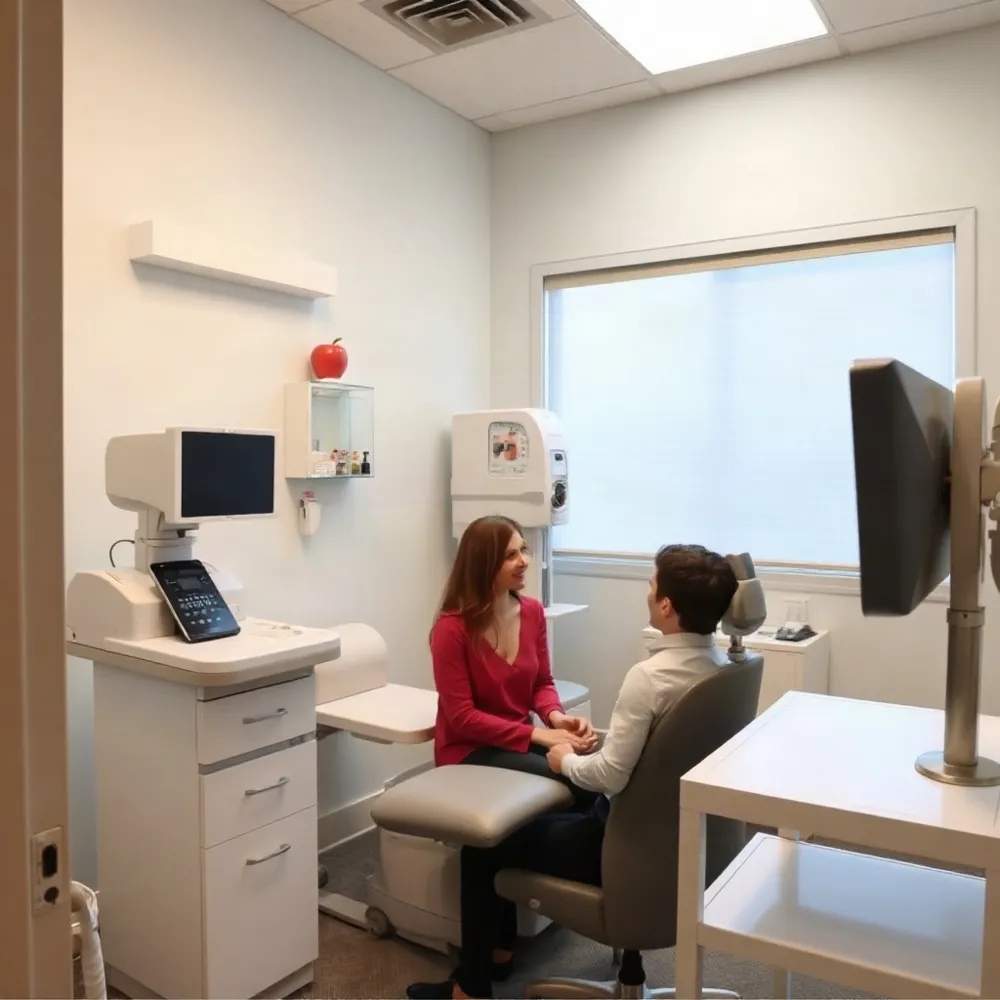 A child’s first comprehensive eye exam is recommended between 6 and 12 months, with follow-up visits around age 3 and before kindergarten, usually at age 5 or 6. A pediatrician’s vision screening is useful, but it does not replace an exam with an optometrist.
After that, children typically need an exam every one to two years. The schedule may change if a child wears glasses, has a health condition, or has other risk factors. Eye-exam timing should be tailored to individual needs, so parents can discuss the right schedule with an eye-care provider, as eye-exam recommendations emphasize.
Arrange a visit sooner if a child squints, rubs their eyes often, struggles to follow objects, or tilts their head to see. During an age-appropriate exam, an optometrist can assess vision and eye health, focusing, tracking, depth perception, and how well the eyes work together. This can reveal refractive errors, crossed eyes, or lazy eye that may not be apparent at home or in a school screening.
Care depends on the child’s needs and may include glasses, contact lenses for some older children, or recommendations such as vision therapy or patching. Follow-up visits help monitor changes as the child grows. At Apple Eye Care in El Paso, comprehensive optometry services include eye exams and personalized attention for families.
Comfortable vision can support reading, learning, play, and time with friends. School screenings can flag concerns, but they are not a substitute for comprehensive care. Apple Eye Care also offers advanced diagnostics, including DRI OCT Triton imaging, as part of its broader eye-care services.
Managing Changes in Eye Health
Eye care needs can shift with age, medical history, and everyday symptoms. An optometrist can assess common vision and eye-surface concerns, then recommend care based on examination findings rather than a one-size-fits-all plan.
These concerns include nearsightedness, farsightedness, age-related difficulty focusing up close, and dry eye disease. A comprehensive exam can also screen for or monitor cataracts, glaucoma, macular degeneration, and retinal conditions such as diabetic retinopathy. Eye exams may reveal signs associated with wider health issues, including diabetes and high blood pressure, as described in this overview of eye exam recommendations.
What happens next depends on the results. Some changes may call for monitoring or treatment by an optometrist; others may require referral to an ophthalmologist or coordination with another specialist. Apple Eye Care in El Paso offers comprehensive optometry and manages concerns such as cataracts and glaucoma, with recommendations shaped by each patient’s exam and health history.
Symptoms, medications, family history, and risk factors all help shape an appropriate care plan. Sharing changes in vision or other health updates gives the eye-care provider useful context for deciding what to monitor and when specialist input may be needed.
Stories That Make Attentive Care Matter
Individual stories from eye-care settings show why listening and follow-up matter, though anecdotes are not clinical guidance and cannot predict what will happen in another case.
One reported patient wore colored contact lenses continuously for an extended period and developed a severe infection that required hospitalization. The account illustrates that improper lens wear can carry serious risks, not that every wearer will have the same outcome. At Apple Eye Care, contact-lens concerns can be considered alongside comprehensive optometry care and the patient’s overall eye health.
Another patient reportedly mentioned during a routine visit that one eye could not see. Further questions revealed sudden vision loss months earlier, associated with a series of small strokes. Sudden vision loss warrants prompt attention rather than waiting for a routine appointment.
A third account described a person with sight in only one eye who delayed care for retinal detachment because of financial concerns. The clinician helped arrange reduced-cost retinal treatment. Practical barriers can affect when people seek care, so it is worth raising concerns with an eye-care provider and asking about next steps. Exam timing should reflect individual symptoms and risks, as guidance on eye-exam frequency explains.
Make Eye Care a Family Habit
Eye care supports clear vision, ongoing monitoring, and attention to possible health clues at every age. At Apple Eye Care in El Paso, comprehensive exams and advanced diagnostics, including DRI OCT Triton, help assess eye health alongside vision.
Exam timing depends on personal and family history, symptoms, and overall health. Families can discuss an appropriate schedule with an eye-care provider, and should seek prompt advice about sudden or unexplained vision changes. Adults may have different needs, so a universal interval does not fit everyone, as guidance on eye-exam frequency explains.
Personal stories can remind families why careful listening and follow-through matter, but anecdotes are not clinical guidance or Apple Eye Care patient testimonials. Compassionate care begins with taking concerns seriously and helping each person understand the next step.