The Importance of a Proper Contact Lens Fitting
A comprehensive eye exam goes far beyond checking whether your prescription changed. It evaluates the overall health of your eyes, including the retina, optic nerve, and internal structures. This thorough assessment helps detect early signs of conditions like glaucoma, cataracts, and macular degeneration, often before you notice any symptoms. For contact lens wearers, this exam also establishes a baseline for fitting, ensuring your eyes are healthy enough for lens wear.
Health. The exam checks for common eye diseases and conditions that can affect vision or lens comfort. This includes measuring eye pressure, examining the retina, and assessing tear film quality.
Prescription. Your refraction determines the exact lens power needed for optimal vision. The doctor may also check for astigmatism, which requires special toric lenses, and presbyopia, which may need multifocal options.
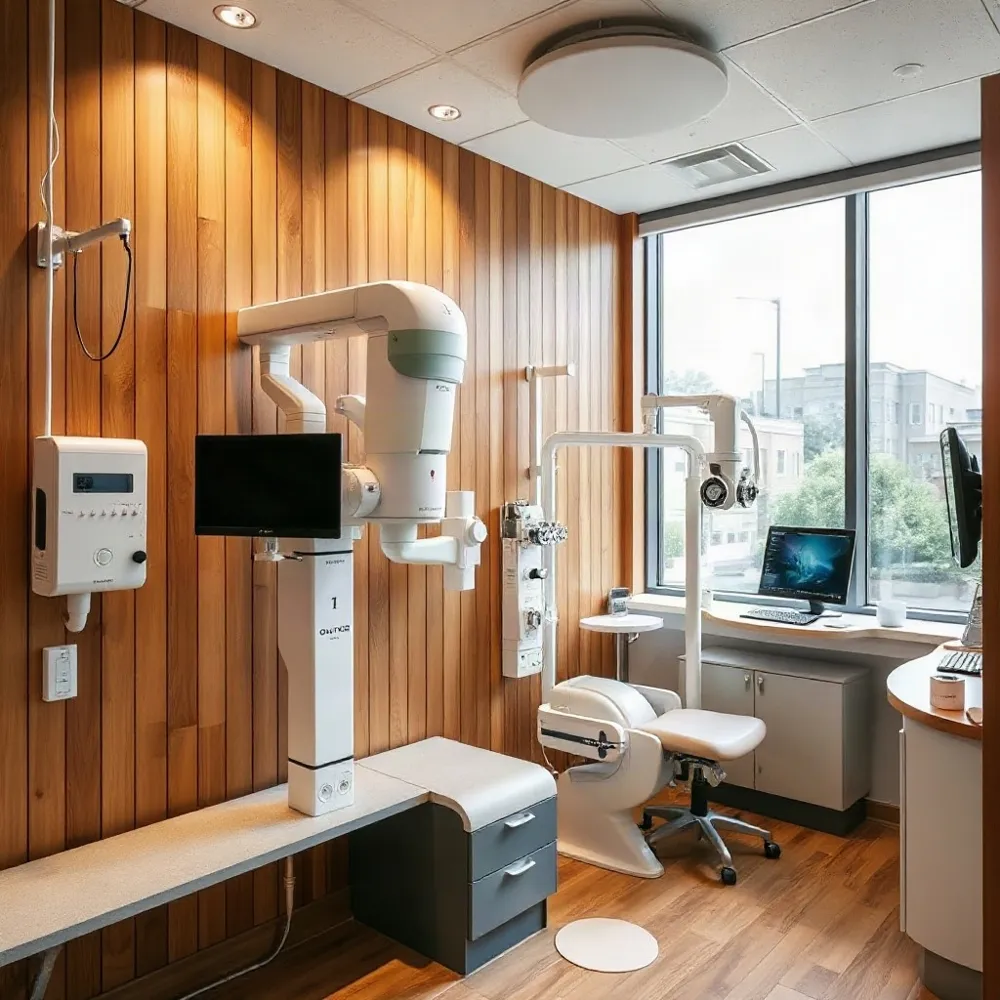
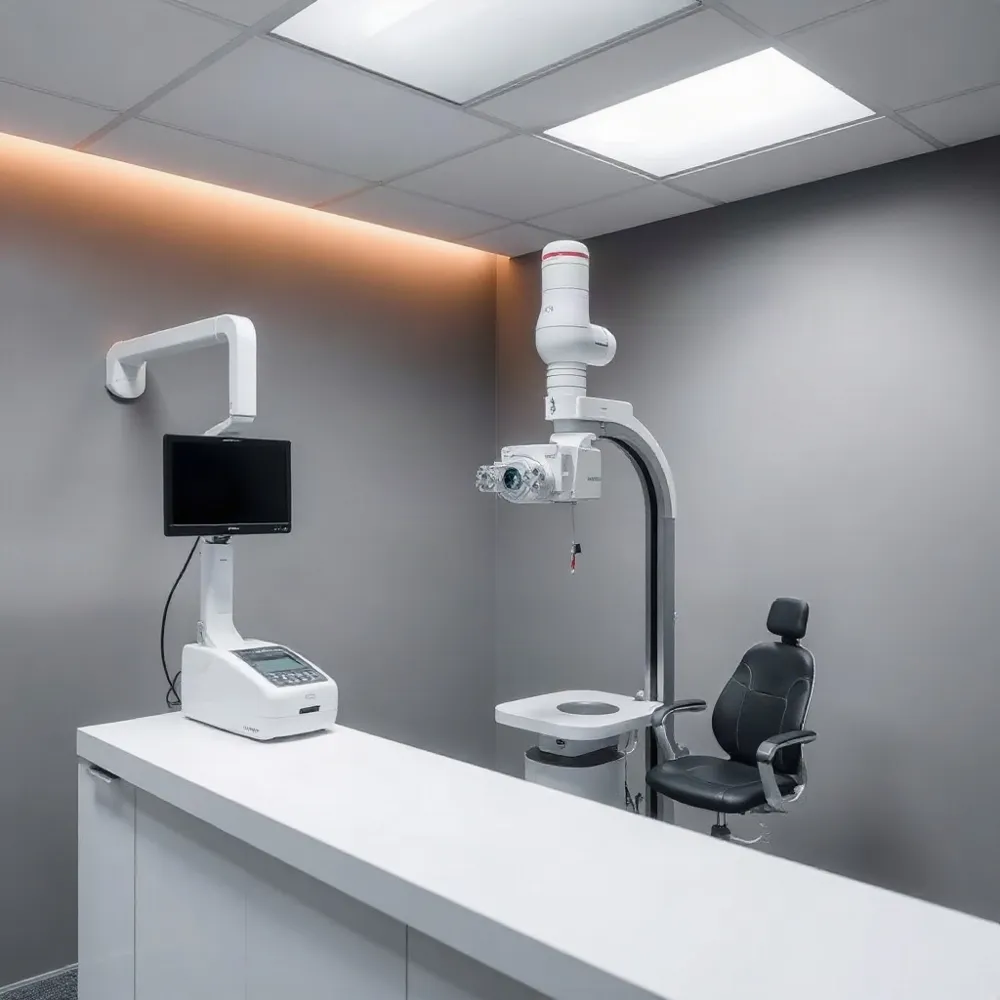
During the exam, our team uses advanced diagnostic tools like the DRI OCT Triton to capture detailed images of your eye's structures. These images allow us to detect subtle changes and conditions early, which is especially important for contact lens wearers. The exam also includes a tear film assessment, as dry eyes can affect lens comfort and fit. At Apple Eye Care, we pair this comprehensive groundwork with a personalized fitting process, so your lenses feel right from the first wear.
Contact Lens Fitting Essentials
- A contact lens fitting is more involved than a routine eye exam, evaluating lens resting position, movement with blink, and curvature match to cornea and tear film.
- A keratometer or corneal topographer measures corneal curvature and maps its surface in detail during the fitting.
- A slit-lamp exam assesses lens positioning, movement, and edge seal; a well-fitted lens moves about half a millimeter or less with each blink.
- Tear film quality and production are evaluated to predict dryness and ensure comfort; ill-fitting lenses can exacerbate dry eye, which affects millions.
- Risks of poor fit include reduced oxygen flow, corneal swelling, blurred vision, corneal ulcers, abrasions, infections, and neovascularization.
- The initial corneal measurement portion typically takes 10–15 minutes; trial lenses are worn for 10–20 minutes to assess fit and visual acuity.
- Toric lenses for astigmatism require more complex fitting to align with the corneal axis; multifocal and specialty lenses need advanced testing like topography.
- Recommendations include fitting every one to two years, or more often with discomfort or vision changes; follow-up is essential to report dryness, blurriness, or irritation.
- First-year cost of contact lens wear ranges from $300 to $800+ for new wearers, including exam, fitting fee, lenses, and supplies.
- Never ignore symptoms like redness, pain, or persistent blurriness—these can signal a serious infection like a corneal ulcer requiring prompt care; practices like Apple Eye Care offer emergency visits.
1. Why a Contact Lens Fitting Is Essential
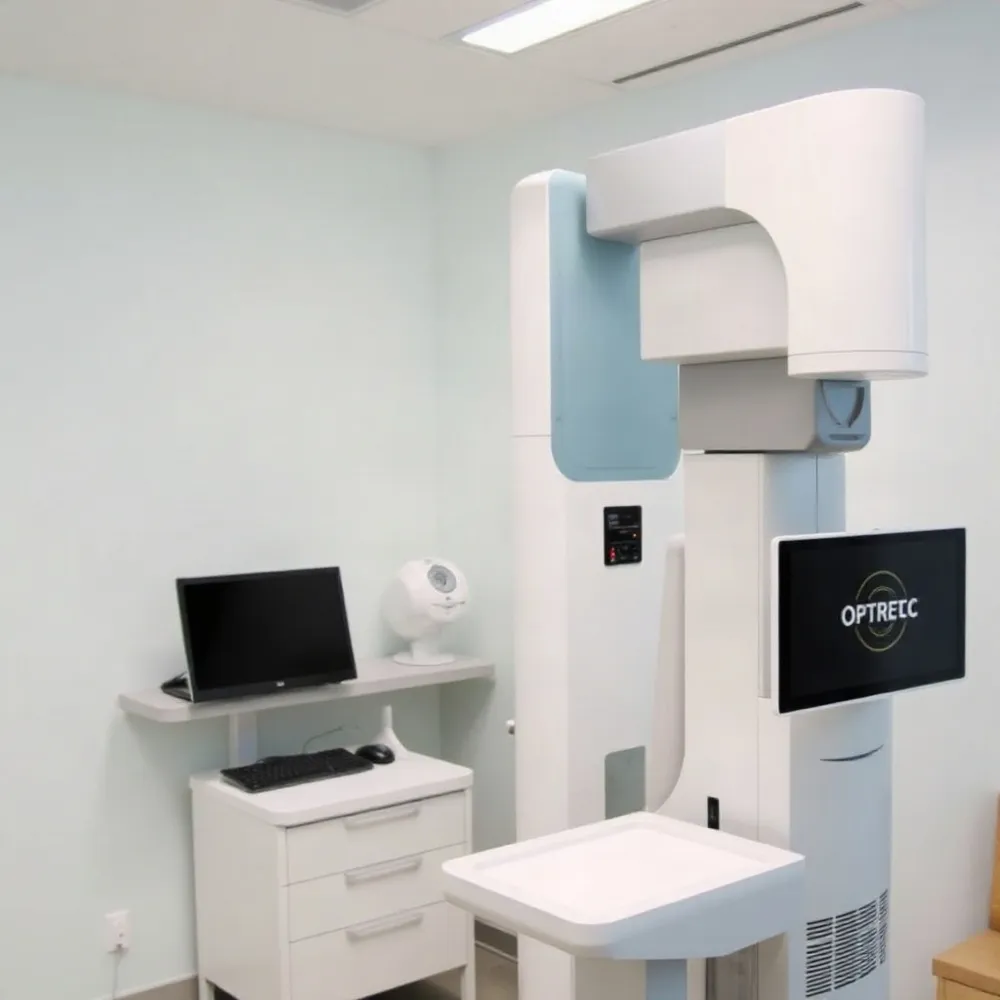 A contact lens fitting is more involved than a routine eye exam. While the prescription check determines power, the fitting evaluates how the lens rests on your eye, its movement with each blink, and whether the curvature matches your cornea and tear film. These detailed measurements are what make the difference between a lens you forget you're wearing and one that causes discomfort, blurred vision, or eye infections.
During a typical fitting, the eye care professional uses a keratometer to measure the curvature of the cornea and may perform a topography to map its surface in detail. The practitioner then places a trial lens on your eye and uses a slit lamp to assess how it positions and moves. Factors like tear film quality and the natural production of tears are checked to ensure the lens will stay comfortable throughout the day. This step-by-step process is crucial because a poorly fitted lens can lead to a range of issues.
The Risks of a Poor Fit
- A lens that sits too tightly can reduce oxygen flow to the eye, leading to swelling, blurred vision, and in serious cases, corneal ulcers.
- A lens that moves too much can irritate the delicate surface of the eye, causing a condition called giant papillary conjunctivitis (GPC), where the inside of the eyelid becomes red and swollen.
These complications are common and are why the fitting is so important. Rather than guess, a professional fitting uses precise measurements to match the lens to your unique eye. If you're researching what to expect, a detailed guide to the contact lens fitting process can help, but the core point is that this is a medical procedure designed to protect your vision and comfort.
Corneal mapping. Beyond power, the fitter maps the curvature and shape of your cornea to select a lens base curve that matches perfectly, ensuring even pressure and proper centration.
Tear film evaluation. Your tears provide the cushion between the lens and your eye. The fitter checks tear quantity and quality to choose a material (silicone hydrogel, daily disposable) and water content that keeps your eyes hydrated.
Lens movement assessment. The fitter observes how the lens moves with each blink, adjusting the fit if it's too tight or too loose. This directly prevents the kinds of abrasions and infections that come from a poor fit.
The fitting isn't a one-and-done event. For many patients, the process includes a trial wear period at home, followed by a follow-up visit to verify the lens performs well over time. This is where a practice like Apple Eye Care in El Paso stands out. Their fitting appointments go through an exhaustive, step-by-step process to find the right lens, including evaluating your tear film, corneal health, and vision needs with advanced tools like the DRI OCT Triton. They also take the time to explain what you should feel, how to handle and care for your lenses, and when to come back for re-evaluation.
2. Step-by-Step: The Contact Lens Fitting Process
 A contact lens fitting is a professional, comprehensive examination that goes far beyond simply reading a prescription. It evaluates your eye shape, tear film, and corneal health to ensure lenses sit comfortably and provide clear vision. During the appointment, your eye doctor measures your corneal curvature and diameter, checks for any underlying conditions that might affect lens wear, and assesses your tear quality to reduce the risk of dryness. Without this detailed assessment, even the most accurate prescription can result in poor vision and discomfort.
The fitting process typically includes several steps: an initial consultation, eye measurements, and the trial fitting of lenses. The doctor places a trial lens on your eye and lets it settle for 10 to 15 minutes to assess the fit. They check that the edges align properly with your cornea and that the lens doesn't move excessively when you blink. See what your eye doctor looks for at a contact lens fitting. If any issues arise, they adjust the lens type or brand. The eyecare professional uses a slit lamp to examine the fit under magnification, ensuring every parameter meets your specific needs.
Key Measurements in a Fitting
Curvature. The base curve measures the front surface of your eye to ensure a comfortable, well-lubricated fit. A mismatch can cause the lens to move too much or too little, leading to discomfort.
Diameter. The overall lens diameter affects how much of your eye the lens covers. Proper sizing prevents the lens from slipping off center or causing irritation.
Tear film. Assessing your tears helps predict dryness and ensures the lens remains moist and comfortable throughout the day. Hydration is critical for extended wear.
A proper fitting also includes a trial period where you wear the lenses at home to confirm comfort and vision quality. Learn more about the contact lens fitting process. If any discomfort or blurriness occurs, your eye care professional makes adjustments to improve the fit. Our team at Apple Eye Care recommends annual fittings, as your eye shape can change due to factors like aging, pregnancy, or medication. Regular visits ensure your prescription stays accurate and your eyes remain healthy.
- Book a comprehensive eye exam to confirm your prescription and check for contraindications.
- Schedule a separate contact lens fitting appointment, which may be included with your exam or offered as a standalone service.
- During the fitting, your eye doctor measures your corneal curvature and diameter, evaluates your tear film, and assesses your overall eye health.
- Try a trial pair of lenses to ensure a comfortable fit and clear vision; you'll have the opportunity to walk around and assess how they feel.
- Place a follow-up order to receive your full supply of contact lenses, tailored to your prescription and lifestyle.
How Often Should You Get a Contact Lens Fitting?
Most eye care professionals recommend a contact lens fitting every one to two years, or more frequently if you experience discomfort or changes in your vision. Annual fitting assessments are part of standard care. Conditions such as pregnancy, diabetes, or certain medications can alter corneal shape, necessitating more frequent evaluations. Always consult your eye doctor at Apple Eye Care to determine the ideal schedule for your needs.
| Fitting Type | Purpose | Ideal for |
|---|---|---|
| Annual | Maintain healthy, comfortable wear | Most wearers |
| Trial | Test lenses for comfort and vision | First-time or new brand wearers |
| Advanced | Correct astigmatism or presbyopia | Irregular corneas or presbyopia |
| Specialty | Manage dry eye or keratoconus | Complex eye conditions |
3. What to Expect During the Measurement Phase
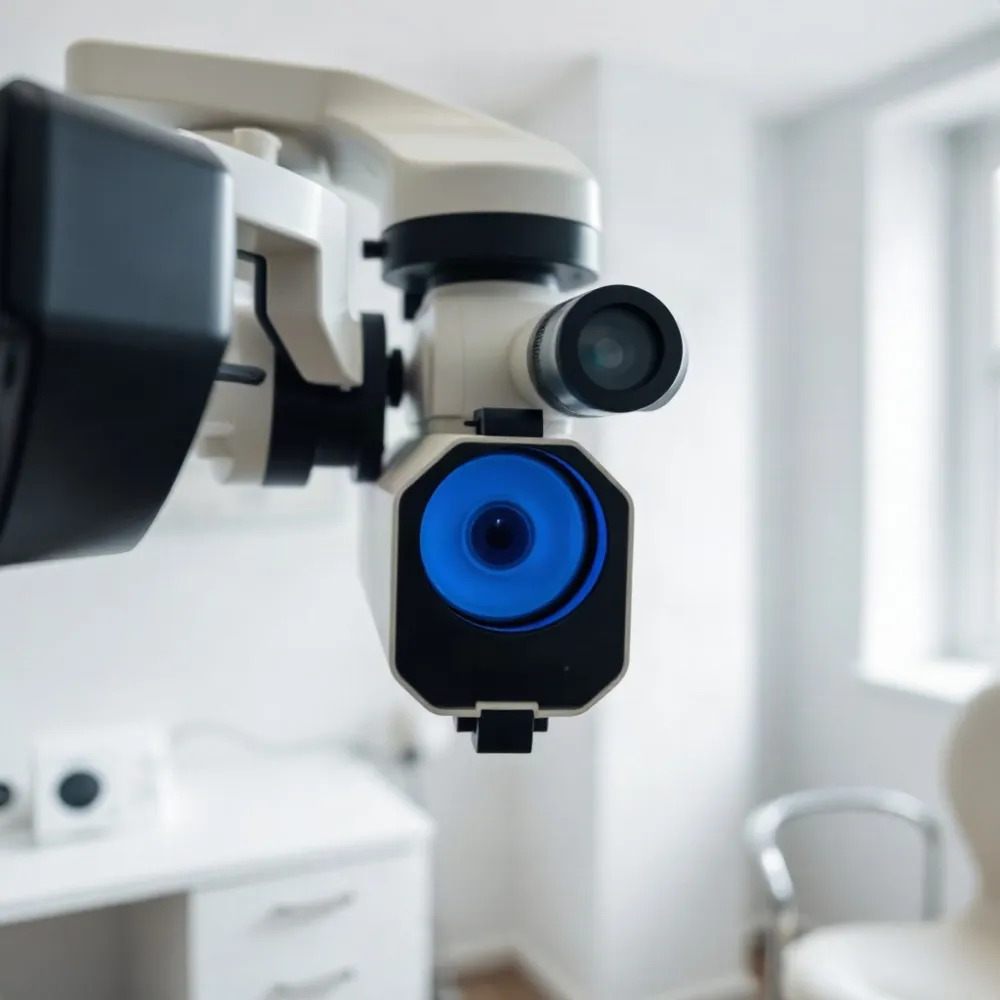 A contact lens fitting is much more than a quick exam and a trial pair. During the appointment, your eye care provider takes precise measurements of your eye, including the corneal curvature, pupil size, and the health of your tear film. These measurements determine which lens diameter, base curve, and material will sit comfortably and stay centered on your eye. The process is designed to catch issues like dry eye or astigmatism that can make standard lenses uncomfortable or even unsafe.
The Measurement and Evaluation Steps
Most fittings begin with a comprehensive eye exam to rule out conditions that would rule out lens wear. Your provider then uses a keratometer or corneal topographer to map the front surface of the eye, and a slit-lamp examination to assess tear quality and eyelid health. Based on these readings, the doctor selects a trial lens and evaluates how it moves and centers on the eye. The entire process can take anywhere from 30 to 60 minutes, and your provider will recheck the fit at the end of the trial period.
Corneal Topography. A non-invasive digital map of the cornea that reveals its exact curvature and shape. This guides the selection of the base curve and lens material for a precise fit.
Tear Film Assessment. Evaluating the quantity and quality of your tears helps determine whether a standard or moisture-rich lens will stay comfortable throughout the day.
Trial Lens Evaluation. You wear a diagnostic pair for 15 to 20 minutes to assess comfort, movement, and visual acuity. Your provider may adjust the power or fit before prescribing the final lens.
A proper fitting is essential for comfort and eye health. Ill-fitting lenses can cause dryness, irritation, and blurred vision, and in severe cases, can lead to corneal abrasions or infections. That's why a professional fitting is non-negotiable for anyone considering contacts.
| Step | What Happens | Why It Matters |
|---|---|---|
| Comprehensive exam | Checks prescription and eye health | Detects conditions that affect lens wear |
| Corneal measurement | Maps curvature and pupil size | Ensures correct base curve and diameter |
| Trial lens insertion | You wear a diagnostic pair | Assesses comfort, movement, and vision |
| Follow-up evaluation | Rechecks fit after trial period | Confirms long-term comfort and safety |
4. Trying On Lenses: Trial Pairs and Adjustments
 Once your eye care professional has measured your eyes and considered your lifestyle, the next step in the process is trying on a trial pair. This is a critical stage because it tells you and your optometrist whether the lenses you've chosen actually work for your eyes and your vision needs. In this phase, you'll wear the lenses for a short period, and you'll be asked to evaluate both comfort and clarity.
During a trial fitting, your optometrist will assess how the lens sits on your eye, how it moves when you blink, and whether it provides the correct amount of oxygen permeability for your cornea. According to step-by-step guide to contact lens fittings, the process typically involves a series of checks to ensure the lens is centered and doesn't cause irritation or dryness. You may be asked to sit in the waiting room for a few minutes to see how the lenses feel after the initial insertion, which is a standard part of the fitting process.
What to Expect During the Trial Period
Your trial pair isn't just about seeing whether the lenses work; it's also about fine-tuning the fit. You might walk out of the office with lenses that feel fine, but then notice some irritation after a few hours or when you look at a screen for long periods. This is exactly why you'll be asked to return for a follow-up visit. At Apple Eye Care, the team, led by Dr. Stephen Applebaum, takes time to listen to your feedback and makes adjustments to the lens design or material to address any discomfort. This personalized approach ensures that your trial pair is the first step toward a final prescription that works for you.
Many people are surprised to learn that trial lenses are often available at a reduced cost or even included in the fitting fee, depending on the practice. While the exact price varies, it's common for the trial to be considered part of the overall fitting service. This means you get to experience the lenses without committing to a full box right away. To make the most of your trial, wear the lenses exactly as instructed, keep them clean, and track any issues you encounter. Note whether you experience dryness, blurriness, or general discomfort, and report these to your optometrist during the follow-up.
Making the Most of Your Trial Lenses
To get the most out of your trial period, follow these simple tips to ensure a successful experience.
Wear Schedule. Wear the trial lenses for only the recommended hours per day for the first few days. This helps your eyes adjust gradually and reduces the risk of discomfort.
Hygiene. Always wash and dry your hands before handling the lenses. Use the recommended contact lens solution to clean and store them. This is non-negotiable for eye health.
Feedback. Pay close attention to how the lenses feel each day. If something feels off, note it. Your optometrist needs this information to make adjustments.
Professional Guidance. Follow your eye care professional's instructions to the letter. If you're unsure about anything, don't hesitate to contact the practice. At Apple Eye Care, the team is available to address any concerns you have during your trial.
The trial period is your chance to evaluate the lenses in real-life situations—at work, while reading, or during physical activity. Remember, a proper fitting isn't just about the initial exam; it's an ongoing process. Your final prescription is based on your feedback and the performance of the trial lenses. By the end of the trial, you'll have a clear idea of which lenses work best for you, and you'll be able to make an informed decision about your long-term vision care. For more detailed information, you can refer to the contact lens fitting process step-by-step guide. And when you're ready to move forward, Apple Eye Care is here to ensure you get the perfect fit for your eyes.
| Aspect | Trial Pair | Final Lenses |
|---|---|---|
| Purpose | Test comfort and fit | Long-term wear |
| Duration | Short-term (days to weeks) | Ongoing |
| Adjustment | May be fine-tuned | Prescription finalized |
| Cost | Often included in fitting | Varies by brand |
5. Factors Affecting Lens Fit and Comfort
 A successful contact lens fitting is the foundation of both clear vision and long-term eye health. A well-fitted lens should feel like a natural extension of your eye, allowing you to go about your day without discomfort, dryness, or blurred vision. When lenses fit poorly, even the most advanced prescription can fall short of providing the comfort and clarity you expect.
Comfort, visual acuity, and ocular health are the three pillars that define a proper fit. A lens that sits correctly on the cornea supports a healthy tear film, reducing the risk of dryness and irritation. On the other hand, a lens that is too tight or too loose can disrupt this delicate balance, potentially leading to corneal abrasions, infections, or other complications. At Apple Eye Care in El Paso, TX, the fitting process is thorough, using modern technology like the DRI OCT Triton to assess the structure of the eye in detail, ensuring each patient receives lenses that truly complement their unique anatomy.
Many people mistakenly assume that picking a contact lens is like choosing glasses, but the reality is far more involved. Your eye's curvature, diameter, and tear production all play a role in determining the right lens. A comprehensive fitting goes beyond just reading a prescription; it involves measuring the front surface of your eye, evaluating the tear film, and assessing how the lens moves with every blink. This precision is what separates a comfortable, all-day lens from one that constantly reminds you it's there.
6. Contact Lens Types and Their Fitting Needs
 A contact lens fitting is a professional examination that determines the exact specifications your eyes need for comfortable and safe lens wear. During this process, an eye care provider measures the curvature of your cornea, evaluates your tear film, and checks the health of the front surface of your eye. These measurements ensure that the lenses sit correctly on your eye, move appropriately with each blink, and provide clear, stable vision.
Without a proper fitting, even the most well-made lenses can cause problems. Ill-fitting lenses may lead to blurred vision, eye strain, or more serious complications such as corneal abrasions, infections, or neovascularization. The Contact Lens Fitting: What to Expect guide explains that an improper fit is one of the leading causes of contact lens discomfort and discontinuation. Skipping this step is a gamble with your eye health, not just your lens budget.
What Happens During a Contact Lens Fitting
The fitting process is much more involved than simply trying on a pair of lenses. It typically begins with a comprehensive eye exam to check your overall vision and eye health. Next, your provider measures your corneal curvature using a keratometer or a topographer, and evaluates your tear film quality. These steps are detailed in the Step-by-Step Guide to Contact Lens Fittings, which outlines the entire journey from initial assessment to final checkout.
Specialty Lenses Require a Fitting, Too
Patients with astigmatism, presbyopia, or dry eyes often require specialty lenses such as toric or multifocal designs. These lenses have specific axis, cylinder, and add-power requirements that must be measured precisely. The guide What Is a Contact Lens Fitting? notes that a standard prescription does not translate directly to a contact lens prescription for these types. A fitting ensures that the lenses align properly with your cornea's unique shape to correct your vision effectively.
The Fit Is Assessed After You Leave
The fitting process does not end when you put in the trial lenses. Your eye care professional will evaluate the fit in-office, asking you to blink, look side to side, and assessing the lens movement and centration. After a period of wear, a follow-up appointment determines if the lenses continue to perform well. This is why The Contact Lens Fitting Process: Step-by-Step Guide to Finding the Right Lenses for You emphasizes the importance of returning for that final check, as the cornea can change shape slightly after wearing lenses.
How Often Should You Be Fitted?
Your contact lens prescription changes as your eyes change, and so does the fit of your lenses. The Fitting the Right Patient with the Right Contact Lens flowchart, used by many eye care professionals, shows that a re-fitting is recommended at least once a year, or whenever you notice changes in comfort or vision. This regular check-up is not just a formality; it is a crucial step in preventing long-term corneal damage.
| Aspect | Why It Matters | Who Needs It |
|---|---|---|
| Corneal curvature | Ensures proper lens-cornea relationship | Everyone, especially those with irregular corneas |
| Tear film assessment | Prevents dryness and discomfort | Patients with dry eye symptoms |
| Trial lens fitting | Verifies comfort and vision in real time | All new and experienced wearers |
| Follow-up visit | Detects early changes in eye health | All contact lens wearers, annually |
7. Follow-Up Care and Regular Monitoring
 A proper contact lens fitting is about far more than confirming that a lens feels comfortable in the moment. An ill-fitting lens can rest too tightly on the cornea, cutting off the oxygen supply that the eye's surface needs to stay healthy. Over time, that oxygen deprivation can lead to corneal swelling, blurred vision, and a heightened risk of infection. A diagnostic fitting, where your eye care professional measures the curvature and diameter of your eye, is designed specifically to prevent these outcomes by matching the lens to your unique corneal shape.
During the fitting, your doctor uses a device called a slit lamp to observe how the lens sits on your eye and how it moves when you blink. The goal is not just comfort but optimal movement and centration. According to a step-by-step guide to contact lens fittings, the process involves a series of measurements and trial lenses to find the right fit for your individual eyes. This is the same rigorous approach that Apple Eye Care applies in its own fittings, using advanced diagnostic equipment like the DRI OCT Triton to map the cornea in detail and ensure the lens sits correctly from the start.
The Risks of an Improper Fit
Skipping or rushing a fitting introduces a set of avoidable risks. A lens that is too flat can slide across the eye, causing irritation and a foreign body sensation. A lens that is too steep can trap tears and debris beneath it, creating a breeding ground for bacteria. In more severe cases, a poorly fitted lens can lead to corneal ulcers, which are painful and can permanently scar the cornea if not treated promptly. The contact lens fitting process is designed to catch these problems before they occur by allowing your eye care professional to evaluate how the lens behaves on your eye in real time.
Beyond the cornea, an improper fit can also affect tear film stability. A lens that doesn't match your tear film's natural dynamics can exacerbate dry eye, a condition that already affects millions of people. A successful contact lens fitting takes this into account, often recommending lenses with specific moisture-retention properties or a different replacement schedule. Apple Eye Care's dry eye treatment and specialized fitting services are designed to address these factors, so you leave with lenses that not only correct your vision but also support your eye's long-term health.
How Fitting Protects Your Vision
The protective value of a proper fitting is measurable. When the lens fits correctly, it allows oxygen to permeate the cornea at a healthy rate, reducing the risk of hypoxia-related complications. It also ensures that your prescription is accurate, which is critical for preventing eye strain and headaches. The fitting process is not a one-size-fits-all affair; it is a customized evaluation of your eye's anatomy. For example, the way your eyelids interact with the lens during a blink can be as important as the lens's power, and a fitting accounts for these subtle dynamics.
Beyond the initial appointment, a proper fitting establishes a baseline for future eye health. Your eye care professional can compare changes in your corneal curvature and tear film over time, catching early signs of conditions like keratoconus or glaucoma. This is where Apple Eye Care's comprehensive approach stands out. By combining a thorough fitting with advanced diagnostics and ongoing care, the practice ensures that your contact lens journey does not end at the fitting room door. Instead, it continues with regular check-ups that keep your eyes healthy and your vision clear for years to come.
8. Understanding the Cost: What Does a Contact Lens Fitting Run?
 The price of a contact lens fitting isn't a single fixed number. It varies based on the type of lenses you need, the technology required for your measurements, and the experience of the eye care professional. Most practices combine the fitting fee with the cost of a comprehensive eye exam, which is where the total can quickly add up unless you understand the breakdown.
On average, contact lens fittings in the United States range from $50 to $150, though this can be higher in metropolitan areas or when advanced diagnostic equipment is used.[citation needed] The fee typically covers the professional time, the evaluation of your eye's surface, and a trial pair of lenses. It's important to note that this is separate from the cost of the lenses themselves, which you'll purchase separately.
Why the Price Varies by Practice
Not all fittings are the same, and the price often reflects the level of personalized care. A practice that uses advanced diagnostic tools like a corneal topographer to map the curve of your eye may charge more, but that technology leads to a more precise fit and better long-term comfort.[citation needed] Cheaper fittings might rely on a basic trial-and-error approach, which can mean more visits and more frustration if the lenses don't settle correctly.
Basic fitting. This covers a standard trial pair and basic measurements of your cornea. It's the most affordable option and works well for simple prescriptions or occasional wearers.
Advanced fitting. This includes additional testing like corneal topography or tear film evaluation, essential for astigmatism, multifocal, or specialty lenses. It costs more but ensures a more accurate and comfortable fit.
Specialty fitting. For conditions like keratoconus or post-surgical corneas, the fitting is far more complex and requires more chair time and follow-up, driving the price to the higher end. Practices like Apple Eye Care handle these cases with the same family-focused attention to detail, ensuring you're not treated like a number.
When you're comparing prices, the cheapest option often isn't the best value. A practice that undercuts on price might skip the detailed measurements that prevent dry eyes or blurred vision later. On the other hand, a fitting that's slightly more expensive but includes comprehensive testing and follow-up appointments can save you money in the long run by avoiding replacements and office visits.
What's Included in the Fitting Fee?
The fitting fee at most practices, including Apple Eye Care, isn't just about putting a lens in your eye. It covers the professional evaluation of your eye's shape and health, the selection of the right lens type for your lifestyle, and the initial trial period. You're also paying for the expertise to diagnose conditions like dry eye or allergies that could affect how your lenses feel.
| Fitting Type | Typical Fee Range | What's Covered |
|---|---|---|
| Basic | $50 - $100 | Trial lenses, standard measurements |
| Advanced | $100 - $150 | Corneal topography, tear film analysis |
| Specialty | $150 - $250 | Custom lenses, extended follow-up |
These ranges are typical starting points. The key is to ask upfront what the fee includes and whether follow-up visits are covered. Some practices roll the fitting cost into a package with the eye exam, which can make budgeting easier. At Apple Eye Care, the staff is transparent about pricing and will walk you through the breakdown before you commit, so there are no surprises when you check out.
Do They Dilate Your Eyes During a Fitting?
 Finding an eye doctor who accepts Medicaid can feel like a puzzle, but it’s often simpler than you think. Most people don’t realize that Medicaid, including the Children’s Health Insurance Program (CHIP), typically covers routine eye exams and contact lens fittings for eligible children and adults. The key is knowing exactly what to look for and where to search.
Check Your Medicaid Plan First
Start with your state’s Medicaid website. Every state runs its own program, and the coverage and participating providers vary widely. Look for a “Find a Doctor” or “Provider Directory” tool, then filter by “eye care” or “optometrist.” If your plan is a managed care organization (MCO), you must check that specific insurer’s directory, not just the general Medicaid site.
For example, Texas’s Medicaid program, known as STAR and STAR Health, covers eye exams and contact lenses for children. Adults may have more limited coverage, but many states include a basic exam and a pair of glasses or contacts. Read the fine print on copays and covered services so you know what to expect before you book.
Call Ahead to Confirm the Fitting Process
Not every practice that takes Medicaid offers the same level of service. Contact lens fittings, in particular, require extra time and diagnostic tools that some offices may not provide under public insurance. Before you commit, call the office and ask these three questions:
- Do you accept my specific Medicaid plan, and do you bill it directly?
- Do you offer a complete contact lens fitting, including the latest technology?
- What is the cost of follow-up visits if my lenses need adjustments?
These answers screen out practices that only do basic exams and help you find one that prioritizes your long-term eye health. For instance, a proper fitting goes beyond simply measuring your prescription; it checks the curvature of your eye and the lens’s movement, as outlined in a step-by-step guide to contact lens fittings. An office that mentions modern diagnostic equipment during the call is more likely to give you a comfortable, accurate fit.
What to Expect at a Medicaid-Covered Fitting
Once you’ve found a practice, understand what the fitting involves. A standard contact lens appointment includes measuring your cornea’s shape and diameter, checking your tear film for dryness, and having you try on lenses to assess comfort and vision clarity. This isn’t the same as a routine eye exam; it’s a separate, more detailed process.
For example, a guide from Eyevantage Katy explains the classic steps: initial assessment, trial lens placement, and a follow-up to ensure the lenses settle well on your eyes. If your doctor rushes through or skips the follow-up, that’s a red flag. A thorough fitting reduces the risk of dryness, infection, and blurry vision, which is especially important if you have astigmatism or presbyopia.
How Apple Eye Care Fits Into Your Search
If you’re in El Paso, TX, and wondering about Medicaid acceptance, it’s worth calling Apple Eye Care. This family-focused practice is led by Dr. Stephen Applebaum and uses advanced technology like the DRI OCT Triton for detailed imaging. While some offices may only fit standard soft lenses, Apple Eye Care offers specialized care for dry eye, cataracts, and glaucoma, meaning you’re more likely to get a fitting that suits your unique needs.
The practice also stands out because it doesn’t treat contact lens fittings as a one-size-fits-all job. Instead, the team spends extra time measuring your eyes and discussing your lifestyle, whether you need daily disposables for sports or toric lenses for astigmatism. That personalized attention, combined with modern equipment, makes the fitting process smoother than at high-volume chains that may rush you through.
Alternatives If You Can’t Find a Provider
If your search for a Medicaid-accepting eye doctor comes up empty, you still have options. Look into community health centers, which often offer sliding-scale fees and accept public insurance. Also, some practices offer discount plans for patients paying cash; while this isn’t the same as Medicaid, it can make fittings more affordable in the short term.
However, be cautious about chains that advertise low prices but then add surprise fees for the fitting or for follow-ups. A proper fitting is an investment in your vision, and cutting corners can lead to discomfort or complications. Weigh the total cost, including the exam, the fitting, the lenses themselves, and any adjustments, before deciding.
| Step | What It Includes | Why It Matters | Questions to Ask |
|---|---|---|---|
| Check plan coverage | Review your state Medicaid or MCO benefits | Ensures you know what’s covered | Do you have a yearly contact lens allowance? |
| Find a provider | Use provider directories or call the practice | Saves time and avoids billing issues | Do you accept my exact plan? |
| Book the fitting | Schedule a separate appointment for contact lenses | The exam alone doesn’t fit lenses | How long is the fitting appointment? |
| Try on trial lenses | Wear test lenses in the office | Verifies comfort and vision | Can I order a trial pair to take home? |
| Attend follow-up | Return after a week of wear | Catches issues early | Is the follow-up covered by Medicaid? |
By being proactive and asking the right questions, you can find an eye doctor who not only accepts Medicaid but also provides the level of care your eyes deserve. Whether that’s at a large clinic or a specialized practice like Apple Eye Care, the effort you put into your search pays off in clearer, more comfortable vision.
How to Prepare for a Contact Lens Fitting
 A contact lens fitting is not a one-size-fits-all event. The entire process, from the initial consultation to the final dispensing of your first pair, can vary significantly depending on your eye health, the type of lenses prescribed, and the complexity of your prescription. On average, a comprehensive fitting appointment at a standard optometry practice takes between 30 and 60 minutes. This duration is not merely procedural; it reflects the deliberate, step-by-step evaluation that ensures your lenses fit comfortably, correct your vision effectively, and maintain the health of your ocular surface. For a new wearer, the initial visit often requires more time, closer to an hour, because it includes a baseline measurement of your cornea, a trial lens insertion, and a comprehensive evaluation of how the lens settles on your eye.
The timeline can be broken down into distinct phases. The initial assessment, which involves measuring the curve and diameter of your cornea using a keratometer or corneal topographer, typically takes about 10 to 15 minutes. This is followed by the diagnostic trial phase, where the optometrist inserts test lenses to evaluate your tear film interaction and visual acuity. This step alone can add another 15 to 20 minutes. The final portion of the fitting, which includes prescribing the correct parameters, teaching you how to insert and remove the lenses, and reviewing proper care and hygiene routines, usually takes the remaining time. The entire process is designed to be thorough, not rushed, because getting it wrong can lead to discomfort, blurred vision, or even serious eye infections.
What Factors Affect the Duration of a Contact Lens Fitting?
Several factors can extend the time you spend at the optometrist's office. Your personal prescription and eye anatomy play a significant role. For example, if you require toric lenses to correct astigmatism, the fitting process is more complex, as the lens must be carefully aligned with the axis of your cornea. This can add 15 to 30 minutes to the process compared to a standard spherical lens fitting. Similarly, if you have a condition like presbyopia and require multifocal lenses, the fitting will involve more diagnostic steps to ensure both distance and near vision are optimally corrected, potentially adding another 15 minutes.
Prescription. Complex prescriptions, such as toric (astigmatism) or multifocal corrective shapes, require more diagnostic measurements and a longer trial-and-error period during the fitting to determine the optimal parameters.
Eye Health. The presence of conditions like dry eye syndrome or a history of eye allergies can influence the choice of lens material and the fitting approach, potentially requiring additional testing and evaluation.
Experience Level. A first-time wearer will spend more time on thorough instruction for insertion, removal, and handling, whereas an experienced wearer might have a faster dispensing appointment.
Lens Type. Soft daily disposables are generally quicker to fit than monthly silicone hydrogel lenses or rigid gas permeable (RGP) lenses, which often require more customization.
Fitting Fee. Professional fees for the fitting and consultation, typically ranging from $50 to $200, depending on the complexity of the prescription and the practice's location.
Lens Cost. The price of the contact lenses themselves, which varies by brand, material, and replacement schedule. A year's supply of daily disposables can cost between $200 and $500, whereas annual wear lenses might be less upfront but have higher maintenance costs.
Total First-Year Cost. When factoring in the initial exam, the fitting fee, the lenses, and supplies like solution and a case, the first-year cost of contact lens wear can range from $300 to $800 or more for new wearers.
Many independent practices, including Apple Eye Care, include the contact lens fitting as part of their comprehensive-fitting packages, which can be structured to include several follow-up appointments. This bundled approach can provide better value and ensure you receive the necessary aftercare without unexpected per-visit charges, whereas some chain retailers might charge separate fees for each evaluation step.
What to Expect During a Contact Lens Fitting
While the exact steps can vary, a typical contact lens fitting is a multi-stage process. The goal is to evaluate not just your visual acuity but also the interaction between the lens, your eyelid, and the tear film. A successful fitting ensures that the lens moves about a half a millimeter or less with each blink, that your vision is stable, and that you experience no discomfort or redness. The process usually involves several standard steps.
- Initial Consultation and Eye Exam: Your optometrist will review your medical and vision history, measure your refractive error, and perform a general health assessment of the front of your eyes.
- Corneal Measurements: Using a keratometer or a more advanced topographer, the doctor will map the curvature and shape of your cornea to determine the base curve and diameter of the lens that will fit best.
- Diagnostic Trial Lenses: The optometrist will place a pair of trial lenses on your eyes to evaluate the fit in real time. You will be asked to look in various directions and blink naturally so the doctor can assess the lens's movement and stability.
- Biomicroscopy Examination: Using a slit-lamp microscope, the doctor will assess how the lens is positioned on your eye, checking for any signs of tightness, excess movement, or a poor seal at the edges.
- Visual Acuity Testing: Your vision will be checked with the trial lenses in place using a Snellen eye chart to ensure the prescription provides the sharpest possible vision.
- Over-Refraction: Sometimes, the doctor will place an additional trial lens over the diagnostic lens to fine-tune the prescription.
- Fluorescein Evaluation: A yellowish dye called fluorescein is sometimes placed on your eye and observed under a blue light. This highlights the tear film layer under the lens and helps the doctor see any points of friction or poor fit.
- Dispensing and Education: Once the perfect fit is found, the doctor will give you a final pair, teach you how to properly insert, remove, and clean the lenses, and answer any questions about wear time and replacement schedules.
- Follow-up Appointment: A follow-up visit is usually scheduled for one week or one month later to reassess the fit, check for any long-term changes in your eye health, and address any concerns you might have.
The entire fitting process should never feel rushed. A thorough practitioner is interested in more than just your level of vision; they are concerned with how the lens interacts with your unique ocular surface. The step-by-step guide to contact lens fittings from the team at Apple Eye Care highlights that a proper fit is a primary factor in long-term comfort and eye health.
The Role of the Eye Care Professional and the Check-up
A contact lens fitting is a medical procedure, and it's only as good as the expertise of the person performing it. An experienced eye care professional, or EPP service provider, will use their clinical judgment to interpret the measurements and make adjustments. They are also responsible for patient education, which is a critical component of the fitting process. The Contact Lens Fitting: What to Expect at Apple Eye Care explains that the educational component is where they teach you how to handle the lenses safely to avoid infections.
Regular after-care visits, normally recommended at one week, one month, and then annually, are not optional. These checks are vital for monitoring the health of your eye and the performance of your lenses. They allow the optometrist to detect early signs of conditions like papillary conjunctivitis (GPC) or corneal neovascularization that can result from a poorly fitting lens. In this regard, the initial fitting is not an event but a process, and the time spent on it is an investment in your long-term ocular health. What starts as a 30-minute appointment turns into a lifelong relationship with your contact lens provider, ensuring your eyes stay healthy, comfortable, and seeing clearly.
| Phase | Typical Duration | Key Activities |
|---|---|---|
| Initial Consultation | 10-15 minutes | Medical & vision history, baseline eye health exam |
| Corneal Measurements | 5-10 minutes | Keratometry / topography to determine base curve and lens diameter |
| Diagnostic Trial | 10-20 minutes | Insertion of trial lenses, slit-lamp exam, visual acuity check |
| Over-Refraction & Refinement | 5-10 minutes | Fine-tuning the prescription with additional trial lenses |
| Dispensing & Education | 5-15 minutes | Insertion/removal training, care instructions, replacement schedule |
| Follow-up Appointment | 15-20 minutes | One-week or one-month post-fit evaluation and adjustment |
Open Communication with Your Eye Doctor
 The material of your contact lens is just as important as how it fits. Disposable daily lenses, for instance, are a great choice if you prefer a fresh lens every day, while monthly or bi-weekly options offer durability and cost savings over time. Your eye care professional will explain the differences and help you choose a material that suits your vision needs, tear film, and daily routine — whether that’s near-constant screen time or frequent outdoor activity.
During this part of the conversation, expect to discuss what you do each day and how your eyes feel by mid-afternoon. If your eyes get dry, your fitter may recommend a silicone hydrogel lens for higher oxygen flow, or a daily disposable that retains more moisture. At Apple Eye Care in El Paso, the team considers these lifestyle factors alongside your prescription so that the recommended material supports your comfort from morning to night.
Keep in mind that your doctor may also suggest a short trial period with a particular material. Getting used to contacts takes time, and a professional fitting helps ensure you don’t experience unnecessary irritation. If you’re not used to contact lenses, it’s normal for your eyes to water or for your vision to blur during the first few days. The right material and a comfortable fit can minimize these initial adjustments.
What Happens After the Fitting?
 Once your trial lenses are in place, the fitting is far from over. The way you handle, clean, and wear your lenses during the first days has a direct impact on your comfort and eye health. Apple Eye Care provides a detailed aftercare plan with every fitting, so you know exactly what to do once you leave the exam chair.
How to Wear and Clean Your Trial Lenses
Follow the wearing schedule your optometrist gives you, whether that means starting with a few hours a day and building up, or wearing them during all waking hours from day one. Always wash and dry your hands before touching your lenses, and use only the recommended contact lens solution. Never use water or saliva, as these can introduce harmful microorganisms to the eye.
Clean your lenses by rubbing them gently with solution, even if you use a no-rub formula, then rinse and store them in a fresh solution each night. Replace the lens case every three months to prevent bacterial buildup. These simple habits reduce the risk of infection and ensure your trial lenses feel as comfortable on day seven as they did on day one.
Insertion. Always insert lenses before applying makeup or lotions, and wash hands thoroughly. Use the pad of your finger, not your nail, to avoid scratching the lens.
Removal. Wash and dry hands first. Look upward and slide the lens to the white of your eye before pinching it gently with your thumb and index finger. Never use tweezers or other tools.
Disposal. Daily disposables go in the bin after a single wear. Monthly or bi-weekly lenses should be discarded on schedule, even if they still feel comfortable, as protein deposits build up over time.
Signs Your Lenses Need Adjustment
Some mild awareness of the lens in the first few minutes is normal, but persistent discomfort, redness, blurring, or a feeling that something is stuck in your eye are not. These can signal a poor fit, an ill-fitting curve, or an edge that is too tight. Never ignore these symptoms or try to "tough it out" — wearing an ill-fitting lens can scratch your cornea or lead to more serious complications.
Mention any of these issues at your follow-up visit, which is typically scheduled one week after the fitting. During that visit, your optometrist may adjust the lens power, base curve, or diameter, or recommend a different material altogether. The goal is to find a lens that you barely notice, and that stays centered on your eye without shifting excessively.
| Symptom | Possible Cause | Action |
|---|---|---|
| Burning or stinging | Dry eye or solution intolerance | Use rewetting drops; check solution |
| Blurred vision | Lens power incorrect | Book a re-evaluation |
| Redness or irritation | Poor fit or edge roughness | Remove lens; contact your eye doctor |
| Lens feels tight | Steep base curve | Ask about a flatter fit |
If your eyes become red, painful, or light‑sensitive, or if you experience a sudden decrease in vision, remove your lenses immediately and contact your eye doctor right away. These can be signs of a corneal ulcer or another serious infection that requires prompt care. At Apple Eye Care, the team is available for emergency visits and will see you quickly to address any concerns with your trial lenses.
Achieving Comfortable and Clear Vision with Contacts
A contact lens fitting is about far more than verifying your glasses prescription. During the process, your eye doctor evaluates how a lens interacts with the entire surface of your eye, from the curvature of your cornea to the health of your tear film. The goal is a lens that sits correctly, moves appropriately with each blink, and delivers consistent vision and comfort throughout the day. This is why the fitting is a distinct clinical procedure, not just a quick add-on to an eye exam.
During the fitting, the doctor measures several key aspects of your eyes, including corneal curvature, pupil size, and the diameter of your visible iris. These measurements guide the choice of lens diameter, base curve, and material. The doctor will then place a trial lens on your eye, evaluate its position and movement under a slit lamp, and ask how the lens feels. Because no two eyes are exactly alike, the fitting often involves trying multiple lenses and making small adjustments until the combination of fit, vision quality, and comfort is right. Practices like Apple Eye Care build this trial-and-error process into their standard protocol so patients leave with a pair that feels like part of their daily routine.
The Range of Lenses Your Fitting May Cover
A standard fitting is not a one-size-fits-all prescription. Your doctor may evaluate different types of lenses to find the right match for your anatomy and lifestyle:
- Soft daily disposable lenses for occasional wear or sensitive eyes
- Monthly or bi-weekly soft lenses with enhanced oxygen permeability
- Toric lenses for astigmatism, which correct vision at different meridians
- Multifocal or bifocal lenses for presbyopia, correcting near and distance vision in one lens
- Gas-permeable (GP) rigid lenses for sharper vision or irregular corneas
The fitting process also clarifies which lens type you should avoid. For example, patients with moderate to severe dry eye often struggle with certain soft materials, while those with a high prescription may benefit from high-oxygen silicone hydrogel. Your eye doctor will consider your tear film quality, daily screen time, and any history of allergies or infections before recommending a specific brand or modality.
What Happens After the Initial Fitting
A successful fitting does not end when you walk out with the trial lenses. Most practices schedule a follow-up evaluation within one to four weeks, especially for first-time wearers or those switching to a new lens type. During this visit, the doctor checks for redness, lens deposits, or changes in corneal curvature, and confirms that your vision is stable. Adjustments to the base curve or lens material are common at this stage, and the doctor may also revise your wearing schedule or care routine based on how your eyes respond.
One of the best ways to ensure a smooth fitting experience is to come prepared. Bring your current glasses, a list of any medications you take, and details about your typical day, including hours spent on screens or in dry environments. Be honest about symptoms like itching, burning, or headaches, since these can signal a poorly fitted lens. Asking informed questions, such as how to tell if a lens is too tight or too loose and what to do if a lens feels uncomfortable mid-day, helps you understand what a proper fit should feel like.
The Cost of a Proper Fitting
A contact lens fitting is a professional service, not a retail transaction. Prices typically range from $50 to $150, though the total may be higher for specialty lenses such as toric or multifocal, or for complex cases involving conditions like keratoconus. This fee is separate from the cost of the lenses themselves and often includes follow-up visits within a set period. Apple Eye Care provides transparent pricing and bundles for the fitting and follow-up care, so you know the full cost before you commit.
| Lens Type | Typical Fitting Cost | Best For |
|---|---|---|
| Spherical (regular) soft lenses | $50 - $100 | Nearsightedness, farsightedness |
| Toric lenses | $75 - $150 | Astigmatism |
| Multifocal lenses | $100 - $200 | Presbyopia, age-related near vision loss |
| Rigid gas-permeable (RGP) lenses | $150 - $250 | Sharp vision, irregular corneas |
While a lower price might be tempting, the long-term cost of an ill‑fitting lens goes beyond simple discomfort. Hidden expenses include replacing lost or damaged lenses more frequently, buying rewetting drops or solutions you would not need with a proper fit, and potentially paying for an emergency appointment to address a scratch or infection. A properly fitted lens reduces these risks and often lasts the full intended replacement cycle, protecting both your eye health and your wallet.
Why Professional Fittings Matter for Long‑Term Eye Health
A lens that looks fine in a store mirror may not be right for your eyes. Poorly fitted contact lenses are a common cause of corneal abrasions, infections, and a painful condition called giant papillary conjunctivitis, where small bumps form on the inside of the eyelid. Over time, an improper fit can also lead to a condition called corneal neovascularization, where blood vessels grow into the cornea to compensate for a lack of oxygen. These are entirely preventable when the fitting is done carefully.
Your eye doctor is your most reliable ally in this process. A professional fitting goes beyond reading a prescription, it evaluates how your eye moves, how your tear film spreads, and how the lens interacts with your eyelid. At Apple Eye Care, we combine advanced diagnostic equipment with a personalized, step‑by‑step approach to find the lens that fits your eyes comfortably and safely, not just today, but for years to come. Schedule your contact lens fitting today and enjoy clear, comfortable vision knowing your eye health is in experienced hands.