
When the World Looks Hazy
A gradual change in sight can be easy to dismiss at first. Distance may look hazy, colors less vivid, or headlights and bright lamps more glaring. Reading, driving, or enjoying familiar hobbies may also take more effort than before.
These changes can have several causes, so an eye exam is needed to identify what is affecting vision. Cataracts cloud the eye’s natural lens, and cataract surgery treats them by removing that lens and replacing it with an artificial intraocular lens, or IOL. The procedure can improve sight for many people, but results and experiences vary.
Clearer vision after surgery should not be described as restoring the original lens naturally: the cloudy lens is replaced with an artificial one. For Apple Eye Care readers in El Paso, this article offers general information about cataracts and treatment discussions, not a promise that the practice performs surgery or a report of its patients’ surgical outcomes. An eye-care professional can assess symptoms and explain appropriate next steps.
Recognizing Cataract-Related Blur
 Cataracts form when the eye’s normally clear natural lens becomes cloudy. As the lens scatters or blocks light, vision may gradually seem hazy, dim, or less distinct, much like looking through a fogged or dirty window. The Cleveland Clinic’s guide to cataract symptoms explains how clouding can interfere with light passing through the eye.
Colors may appear faded or yellowed, while bright lamps and headlights can produce glare or halos. These changes may make reading uncomfortable, especially in poor light, or make it harder to see clearly while driving at night. Symptoms can develop in one eye or both, and the experience may differ between eyes.
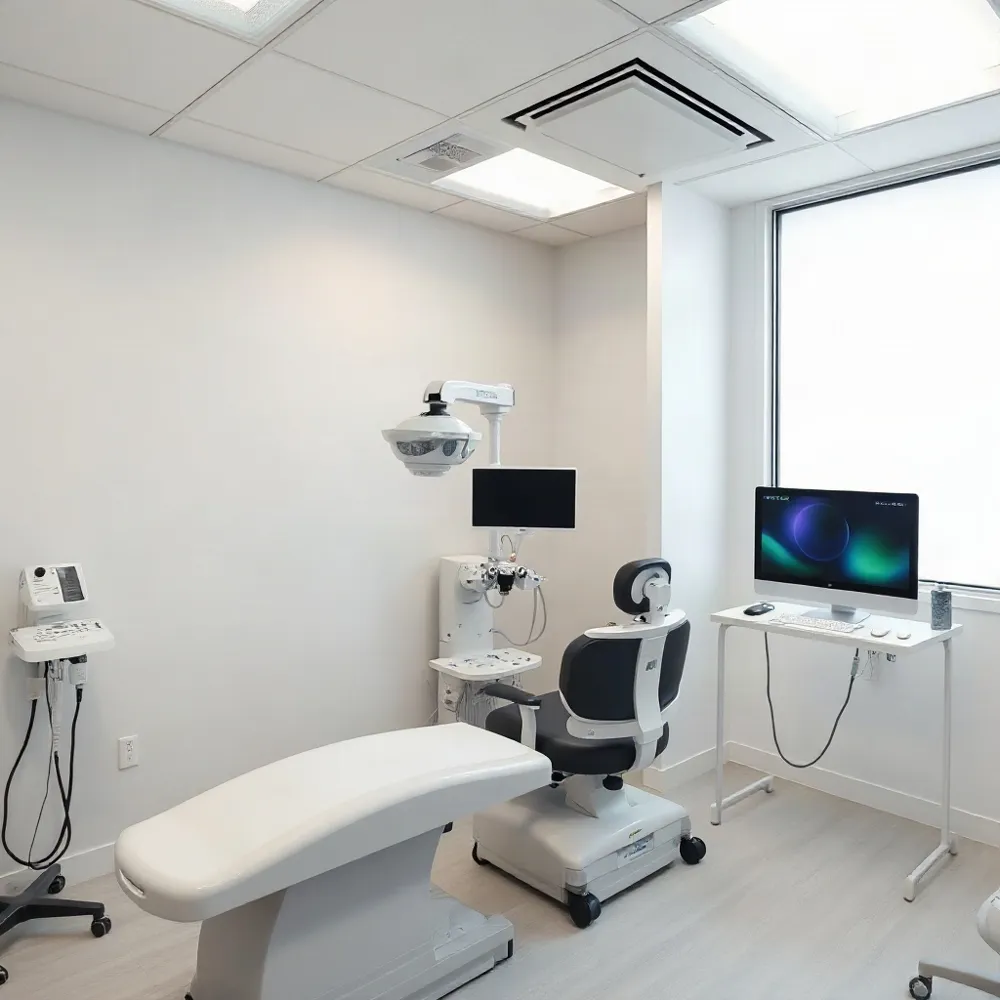
Blur does not always mean a cataract is responsible. Other eye conditions can also affect clarity, so an eye examination is needed to identify the cause and assess overall eye health. At Apple Eye Care in El Paso, comprehensive eye exams and advanced diagnostics, including DRI OCT Triton, support evaluation of vision and eye health; an assessment can help clarify whether cataracts or another issue may be contributing.
If sight changes are affecting daily tasks, describe when the blur occurs and whether glare, dimness, or color changes accompany it. Those details can help an eye-care professional evaluate the problem and discuss appropriate next steps.
What Surgery Can and Cannot Do
Once the eye’s natural lens has become cloudy from a cataract, it does not clear on its own. The Cleveland Clinic’s guide to cataract surgery describes surgery as the only proven treatment for cataracts in adults: the cloudy lens is removed and replaced with an artificial intraocular lens, or IOL.
Updated glasses, brighter lighting, or anti-glare lenses may make everyday tasks more comfortable for a time, but they do not remove the clouding. No diet, supplement, eye exercise, or eye drop has been shown to dissolve an established cataract. Be cautious of products making that claim, and ask an eye-care professional before trying them.
The aim of surgery is clearer vision, not restoration of the original natural lens. How much vision improves depends partly on the health of the rest of the eye. Conditions such as glaucoma or macular degeneration can limit the result because surgery does not reverse vision loss caused by those diseases.
At Apple Eye Care in El Paso, eye exams and advanced diagnostics, including DRI OCT Triton, can help assess overall eye health when discussing cataracts and next steps. If changes begin affecting reading, driving, or other daily activities, an eye-care professional can help identify the cause and explain appropriate options.
Choosing the Right Time to Act
 The decision to consider cataract surgery usually depends on how much vision trouble affects everyday life, not simply on the cataract’s size or how long it has been present. Cloudiness, glare, faded colors, or difficulty seeing at night may become reasons to discuss treatment when they interfere with activities that matter to you.
For one person, the concern may be reading comfortably; for another, it may be driving, working, watching television, cooking, or managing daily tasks independently. Mayo Clinic’s guidance on cataract surgery describes these kinds of activity limits as reasons to discuss whether surgery is appropriate. An eye exam can also help distinguish cataract symptoms from problems linked to other eye conditions.
Cataracts are not usually an emergency, and when vision remains adequate, waiting often does not harm the eye. That can leave time to weigh symptoms, preferences, and treatment options with an eye-care professional. At Apple Eye Care in El Paso, comprehensive eye exams and advanced diagnostics, including DRI OCT Triton, can support assessment of cataracts and overall eye health.
Surgery may also be considered if a cataract makes it harder for clinicians to examine, monitor, or manage another condition inside the eye, such as diabetic retinopathy or macular degeneration. Removing the cataract can improve the view of the eye’s interior, but it does not treat vision loss caused by that separate condition. An individualized evaluation helps clarify both the reason for considering surgery and what it may realistically improve.
The Everyday Difference Clearer Vision May Make
For many people, cataract surgery brings clearer vision, less glare, and colors that appear brighter. Contrast may improve as well, making details easier to distinguish. The Cleveland Clinic reports that vision improves in about 97% of patients, but that figure is not a promise of an individual result. How much sight improves depends in part on overall eye health and the artificial lens selected; glaucoma, macular disease, or diabetic eye disease can limit the outcome. Some people still need glasses for certain tasks.
Clearer sight may make familiar activities easier, including reading, sewing, computer work, watching television, or driving. At Apple Eye Care in El Paso, eye exams and advanced diagnostics such as DRI OCT Triton help assess eye health and identify conditions that may affect vision. An eye-care professional can explain what cataract treatment may, and may not, change for an individual.
One account from San Francisco Eye Institute offers a personal example: after cataract surgery, patient Michael described clearer vision and richer colors, and said he could drive and run without glasses. His experience is a testimonial from that clinic, not an Apple Eye Care patient story or a prediction of what others will experience.
The American Academy of Ophthalmology reports that studies suggest cataract removal may lower the risk of falls. This is a possible benefit, not a guarantee that surgery will prevent falls. The same source describes a long-term study in which older adults who had cataract surgery were less likely to develop dementia than those who did not. That finding shows an association, not proof that surgery prevents dementia. Researchers have proposed that clearer vision may support awareness and engagement with surroundings, but this explanation has not been established as the mechanism.
Vision can be blurry at first and usually improves as the eye heals. The Cleveland Clinic’s cataract surgery guidance describes improvement over the days and weeks after surgery. Follow-up with the eye-care team helps track healing and address concerns, including whether glasses may still be useful.
Matching Lens Choices to Visual Needs
During cataract surgery, the cloudy natural lens is replaced with an artificial intraocular lens (IOL). The lens’s focusing power and design can be discussed with an eye-care professional before surgery, with options matched to the eye’s health and the person’s visual priorities.
A standard monofocal IOL is generally set to focus at one distance, often far away, so reading glasses may still be needed. Specialty lenses offer other possibilities: a toric IOL can correct astigmatism, while some multifocal or extended-depth-of-focus lenses may support near or intermediate vision. These options may reduce reliance on glasses, but none guarantees that glasses will no longer be needed. Mayo Clinic’s overview of IOL options explains common lens types and their trade-offs.
Cataract removal can improve clarity and reduce glare or night-vision difficulty caused by the cloudy lens. It cannot promise perfect night vision, however. Some specialty lenses can also cause glare or halos, so it is useful to discuss the potential benefits and trade-offs before choosing. The Cleveland Clinic’s guide to cataract surgery also notes that specialty lenses may not be covered by insurance.
The best fit depends on more than a prescription. Eye health, work tasks, hobbies, preferred reading and computer distances, and budget can all shape the conversation. At Apple Eye Care in El Paso, cataract management is part of a broader optometry practice that also offers comprehensive eye exams and advanced diagnostics, helping inform discussions about individual eye health and visual needs.
Risks, Expectations, and Satisfaction
Cataract surgery often improves sight, but it is an operation, and no result is guaranteed. Blurry vision, mild discomfort, light sensitivity, dryness, and irritation can occur while the eye heals. Some people continue to need glasses, or find that their vision does not focus at the distance they expected. Apple Eye Care offers comprehensive eye exams and cataract management in El Paso, which can help patients discuss their eye health and questions before deciding what care to pursue.
Less common complications can include infection, bleeding or swelling, increased eye pressure, retinal detachment, or movement of the artificial lens. The membrane behind the implant can also become cloudy, a condition called posterior capsule opacification, or PCO, which may blur vision later. PCO can often be treated with an outpatient laser procedure. The Cleveland Clinic’s overview of cataract surgery risks describes these possible complications and advises discussing individual risk with an eye-care professional.
Risk and likely vision results depend partly on other eye diseases and medical conditions. Conditions such as glaucoma or macular degeneration may limit how much vision improves, even when the cataract is successfully removed. Apple Eye Care uses comprehensive exams and advanced diagnostic technology, including DRI OCT Triton, as part of its broader eye-care services. An evaluation can help identify concerns that may affect vision, though surgical decisions and outcomes require discussion with the appropriate eye-care professional.
Dissatisfaction can happen even after surgery is technically successful, but the available source does not give an overall percentage of patients who experience it. In an EyeWorld interview, surgeon Surendra Basti estimated that about one-quarter of dissatisfied patients he sees do not initially voice their concerns. That estimate refers to his experience with dissatisfied patients, not to all people having cataract surgery.
Concerns may involve a focusing distance that differs from expectations, glare or halos, reduced contrast, dry eye, or stinging from drops. Before treatment, describe the distances and activities that matter to you, along with any worries about risks or recovery. Afterward, tell the care team about symptoms or results that concern you. Open, specific discussion can help clarify what is happening and whether follow-up or treatment is appropriate.
The First Week of Recovery
Cataract surgery is usually performed as an outpatient procedure, so patients go home the same day. Arrange for someone else to drive you, since you should not drive immediately after surgery. Your care team will explain how to protect the treated eye and when to return for follow-up.
Vision may seem blurry or cloudy at first, and the eye can feel mildly scratchy, tender, or sensitive to light. These effects often ease as healing progresses, but each person’s recovery is different. Cleveland Clinic’s recovery guidance notes that vision commonly improves over the days and weeks after surgery.
Use prescribed eye drops exactly as directed, and wear the protective shield for as long as your surgeon advises, including during sleep if instructed. Avoid rubbing or pressing on the eye. Keep water, soap, and shampoo out of it, and follow your care team’s directions about bathing and personal care.
For the first few days, avoid strenuous exercise, heavy lifting, bending with your head below your waist, and activities that could expose the eye to dust, dirt, or water. Resume these activities only when your surgeon says it is safe. Wait to drive until your vision is adequate and your eye-care provider has cleared you. Apple Eye Care’s comprehensive eye care and cataract management in El Paso can help patients discuss eye health and next steps with a care professional; follow the operating surgeon’s specific recovery instructions.
Attend all scheduled follow-up visits so the care team can check healing and answer questions. Contact your eye-care team promptly for severe or worsening pain, sudden vision loss, increasing redness, discharge, or another symptom that concerns you. The MyHealth Alberta aftercare guide also advises seeking medical help for worsening vision, eye pain, or new flashes and floaters.
Healing and Changes Worth Checking
 A cataract incision is small and generally starts closing within the first day, but the eye needs longer to heal. Many people notice clearer sight within a few days. Blurriness or day-to-day changes can continue as the eye adjusts, so early fluctuations do not always mean there is a problem.
Guidance on full recovery varies: Cleveland Clinic describes recovery as commonly taking about four weeks, while Mayo Clinic says healing can take up to eight weeks. These are general ranges, not deadlines. Eye health and the details of surgery affect how quickly vision settles, making follow-up visits and the surgeon’s instructions important.
Blur or pain that appears, worsens, or persists months or years after surgery should not automatically be considered part of normal healing. Possible causes include dry eye, a changed glasses prescription, posterior capsule opacification (clouding of the membrane behind the artificial lens), or another eye condition. Apple Eye Care’s comprehensive optometry services include eye exams and management of cataracts and other eye conditions, which can help assess persistent changes.
Arrange an eye exam if symptoms linger or return well after recovery, and contact an eye-care professional promptly if vision is getting worse. Sudden vision loss, severe pain, marked redness, new flashes or floaters, or a curtain-like shadow calls for urgent evaluation. Even when symptoms seem mild, a clinician can determine whether they relate to healing, glasses, or another issue.
A Personal Decision About Clearer Sight
Clearer vision may make familiar pleasures, such as reading, pursuing a hobby, or recognizing details outdoors, easier to enjoy again. But other people’s stories and general research cannot predict what one person will see after treatment. Cataract surgery replaces the cloudy natural lens with an artificial lens, and results depend on individual eye health and visual needs.
If gradual blur, glare, or faded colors are affecting daily life, an eye exam can help identify the cause and guide next steps. An eye-care professional can discuss whether cataract management or surgery is appropriate, when to consider it, which lens options fit your priorities, whether glasses may still be needed, and the risks and recovery involved. Mayo Clinic’s cataract surgery guide notes that timing and lens decisions are individualized.
At Apple Eye Care in El Paso, comprehensive eye exams and cataract management provide a setting for discussing those questions with an eye-care team. The choice to pursue treatment is personal: the aim is to understand your options and make a decision grounded in your own vision, health, and everyday needs.