Finding the Perfect Vision Solution for Your Unique Lifestyle
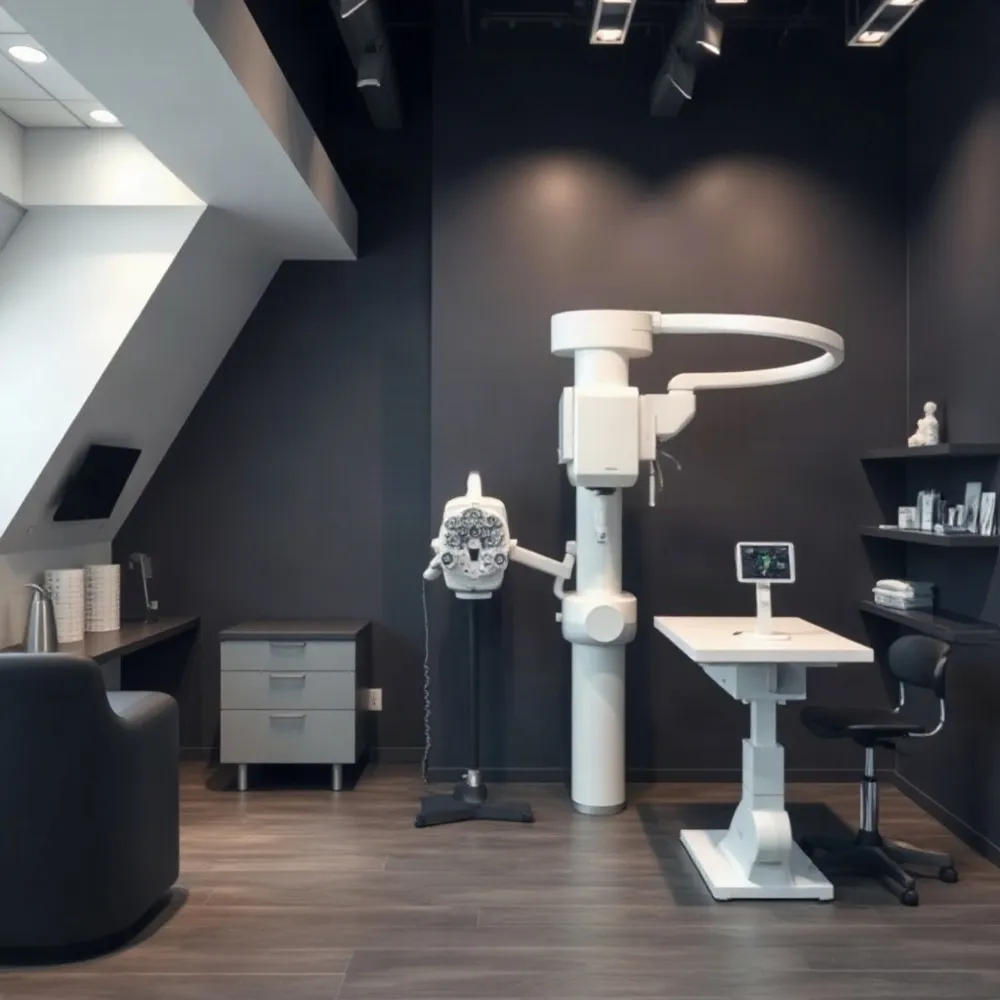
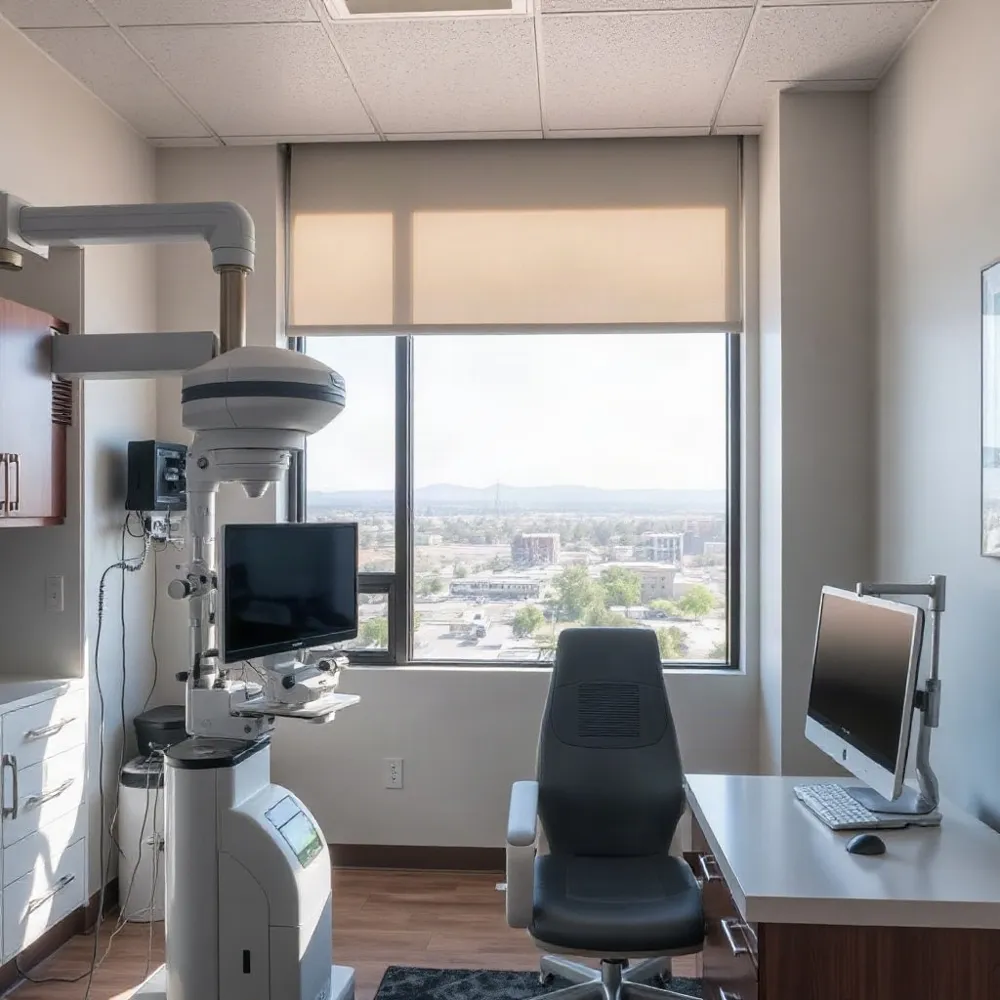
Selecting a vision correction surgical procedure is a personal journey that should be tailored to your specific anatomy and daily habits. At Apple Eye Care, the team emphasizes that effective eye health requires moving beyond standard one-size-fits-all management. Instead, the practice utilizes advanced diagnostics like the DRI OCT Triton to map your unique ocular structure and determine if laser technologies or lens-based solutions provide the best match for your long-term goals.
The spectrum of available tools ranges from cornea-reshaping surgeries to the replacement of a natural lens. While generic providers may offer a standard approach, Apple Eye Care delivers a patient-centered consultation process to distinguish between candidates for procedures like LASIK and those better suited for premium lens implants. Because your vision needs change with age and activity, an examination with a professional who prioritizes comprehensive eye exams ensures your chosen path supports your lifestyle, whether you need freedom from athletic gear or help managing age-related near-vision loss.
Professional Guidance and Choosing Your Eye Care Partner
 Selecting the right provider for your vision needs starts with understanding the different roles within eye care. While often confused, the primary distinction between an optometrist and an ophthalmologist rests on the scope of their clinical training.
What are the primary differences between an optometrist and an ophthalmologist?
An optometrist, who holds a Doctor of Optometry (OD) degree, specializes in primary eye care. They are your first point of contact for routine vision exams, contact lens fittings, and the management of common conditions like dry eye or mild ocular irritation. At Apple Eye Care, we prioritize this foundational, preventative care to maintain your long-term eye health through regular, comprehensive checkups.
In contrast, an ophthalmologist is a medical doctor (MD or DO) trained to provide comprehensive medical and surgical eye care. While an optometrist focuses on early detection and daily vision maintenance, an ophthalmologist is equipped to perform complex surgeries and treat advanced, sight-threatening diseases found in the interior structures of the eye. Practitioners in these fields often work as a coordinated team: when a patient requires advanced intervention, such as complex cataract surgery or specialized retinal management, an optometrist will initiate a referral to an appropriate surgical specialist.
- Optometrists serve as primary care providers for routine exams and standard vision prescriptions.
- Ophthalmologists act as surgical specialists for corrective procedures and complex disease management.
- A collaborative referral network ensures you receive seamless care at the appropriate level for your condition.
Understanding the Spectrum of Vision Correction Procedures
 Correcting refractive errors involves a wide variety of approaches, ranging from traditional eyewear to advanced surgical interventions. Understanding the distinct differences between these options helps patients select the path that aligns best with their specific anatomy and visual goals, as refractive surgery and non-surgical aids offer unique advantages based on lifestyle demands.
What are the common methods for vision correction?
Vision correction is generally categorized into three primary approaches. Laser-assisted procedures like LASIK, PRK, and SMILE work by reshaping the cornea to improve how light enters the eye. For those whose needs extend beyond corneal modification, lens-based procedures such as Refractive Lens Exchange (RLE) or intraocular lens (IOL) implantation provide a permanent alternative by replacing or augmenting the eye's natural lens. Non-surgical options, including high-quality glasses and contact lenses, remain an essential, reversible choice for many individuals.
At Apple Eye Care, the consultation process prioritizes a custom treatment plan that matches your specific lifestyle to the most effective technology. While some patients find the simplicity of glasses sufficient, others seek the freedom from daily maintenance that procedures like LASIK offer. According to research from the University of Utah, these surgical investments often pay for themselves through the elimination of recurring costs for frames and contacts.
| Category | Primary Technique | Best For |
|---|---|---|
| Laser Surgery | Cornea Reshaping | Stabilized Prescriptions |
| Lens-Based | Lens Replacement | Presbyopia & Cataracts |
| Non-Surgical | Frames/Contacts | Flexible/Reversible Needs |
Comparing LASIK and Refractive Lens Exchange
 Selecting the right surgical path for your vision involves weighing the benefits of corneal-based procedures against lens-based replacements. LASIK is a refractive surgery that uses precision lasers to reshape the surface of the cornea, effectively correcting common errors like nearsightedness, farsightedness, and astigmatism. This approach is highly effective for patients with healthy, stable corneas who want a quick LASIK recovery.
How do LASIK and Refractive Lens Exchange (RLE) compare?
While LASIK modifies the cornea, Refractive Lens Exchange is an internal procedure similar to cataract surgery. RLE involves the removal of the natural crystalline lens and its replacement with a custom intraocular lens (IOL). This alternative is often a better match for patients over 40 who are experiencing presbyopia, a condition where the eye loses its ability to focus on close objects, a challenge where standard laser procedures may be limited.
- Candidate Age: LASIK is typically favored by those between 25 and 40 whose vision has stabilized.
- Procedure Mechanism: LASIK reshapes the cornea, while RLE replaces the internal lens to mimic better focus.
- Addressing Presbyopia: RLE can incorporate multi-focal IOLs that reduce dependency on reading glasses, which is a significant factor as eyes change with age.
| Procedure | Target Tissue | Common Candidate Profile |
|---|---|---|
| LASIK | Cornea | Younger, stable prescription |
| RLE | Internal Lens | Patients over 40 with presbyopia |
Cataract Surgery and Advanced Intraocular Lens Technology
What should I know about cataract surgery and lens options?
Cataract surgery is a routine outpatient procedure where your surgeon removes the eye’s natural, clouded lens and replaces it with a clear artificial intraocular lens (IOL). At Apple Eye Care, we utilize advanced diagnostics to ensure precision throughout this process, which typically involves a recovery period lasting about four weeks. When selecting an IOL, you can choose from monofocal lenses, which provide clear vision at a single fixed distance, or premium options like multifocal and toric lenses designed to correct presbyopia or astigmatism simultaneously.
Because this is a permanent investment in your vision, the best choice depends heavily on your specific lifestyle, daily activities, and visual goals. Unlike standard monofocal options that may be fully covered by insurance, premium IOLs often involve out-of-pocket costs, though many patients find the long-term visual clarity worth the investment. Through personalized consultations, we evaluate your eye health to determine which lens technology best suits your needs for clear, comfortable sight.
What potential complications are associated with refractive lens procedures?
Refractive lens procedures are generally safe, yet they involve a period of healing during which you may experience temporary side effects like dry eyes, glare, halos, or light sensitivity. More serious, though rare, risks include infection, retinal detachment, or inflammation within the eye. Apple Eye Care prioritizes patient safety by conducting comprehensive pre-operative evaluations to help you understand these risks before any procedure begins.
Some patients may eventually experience posterior capsule opacification, often referred to as a secondary cataract, which can cause blurred vision months or years after the initial surgery. Fortunately, this is managed simply through a routine, non-invasive laser procedure. Keeping up with regular comprehensive eye exams is the best way to monitor your long-term success and address any changes in your vision promptly.
Vision Maintenance and Future Innovations
Maintaining long-term ocular health requires more than just updated prescriptions. Consistent comprehensive eye exams are vital because they allow professionals to monitor for asymptomatic conditions like glaucoma and macular degeneration. At Apple Eye Care, we emphasize preventative care, utilizing advanced diagnostics to track changes in your vision and corneal health over time, ensuring any concerns are addressed before they impact your daily life.
What is the recommended practice for reducing digital eye strain?
To minimize digital eye strain, implement the 20-20-20 rule. Every 20 minutes, take a 20-second break to look at an object at least 20 feet away. This habit resets your focus and reduces the fatigue associated with prolonged screen time. Your workstation should be well-lit to reduce glare, and screens should remain at an arm's length away. Consciously blinking more frequently is also essential, as staring at digital devices often decreases our blink rate, leading to dry eyes. If you continue to experience discomfort despite these adjustments, our team at Apple Eye Care can provide a comprehensive evaluation to address persistent symptoms.
Are there innovative non-laser alternatives for vision correction currently in development?
Researchers are actively developing innovative non-laser alternatives to vision correction, most notably a technique called electromechanical reshaping (EMR). Unlike current laser procedures that remove corneal tissue, EMR uses mild electrical pulses to temporarily soften the cornea's collagen structure. This process allows the eye to be gently molded into a corrective shape without incisions. Because this method potentially avoids complications like dry eyes and diminished corneal strength, it is being explored as a less invasive future alternative to current refractive surgery options.
Your Commitment to Lifetime Vision Excellence
Achieving lasting visual clarity starts by scheduling a comprehensive consultation with Dr. Stephen Applebaum. During this personalized session, your team will perform detailed diagnostic imaging, such as with the DRI OCT Triton, to assess your ocular health and determine your candidacy for advanced correction procedures.
Evaluating your unique visual goals is the most effective way to align surgical outcomes with your active lifestyle. Whether you are managing presbyopia or seeking to reduce dependency on corrective lenses, an informed plan ensures your treatment supports you for decades to come.
Consistent comprehensive eye exams serve as the foundation for your long-term success. By partnering with a dedicated practice, you are making a meaningful investment in your future sight, ensuring your vision remains a strength throughout every stage of life.