Seeing the World Through a Clearer Lens
Cataracts represent one of the most common vision challenges for aging populations, affecting nearly 50% of Americans by age 75. Cataracts typically develop as proteins within the natural lens clump together, gradually obstructing light and causing symptoms like blurred vision, sensitivity to glare, and dulled color perception.
Because this decline is often slow, many individuals adapt to their limited sight without realizing how much it affects their independence. Cataract surgery is increasingly viewed as a lifestyle-enhancing intervention rather than a basic medical necessity. Research indicates that restoring visual clarity helps maintain cognitive function, mobility, and social engagement, while significantly lowering the risk of accidents like hip fractures in older adults.
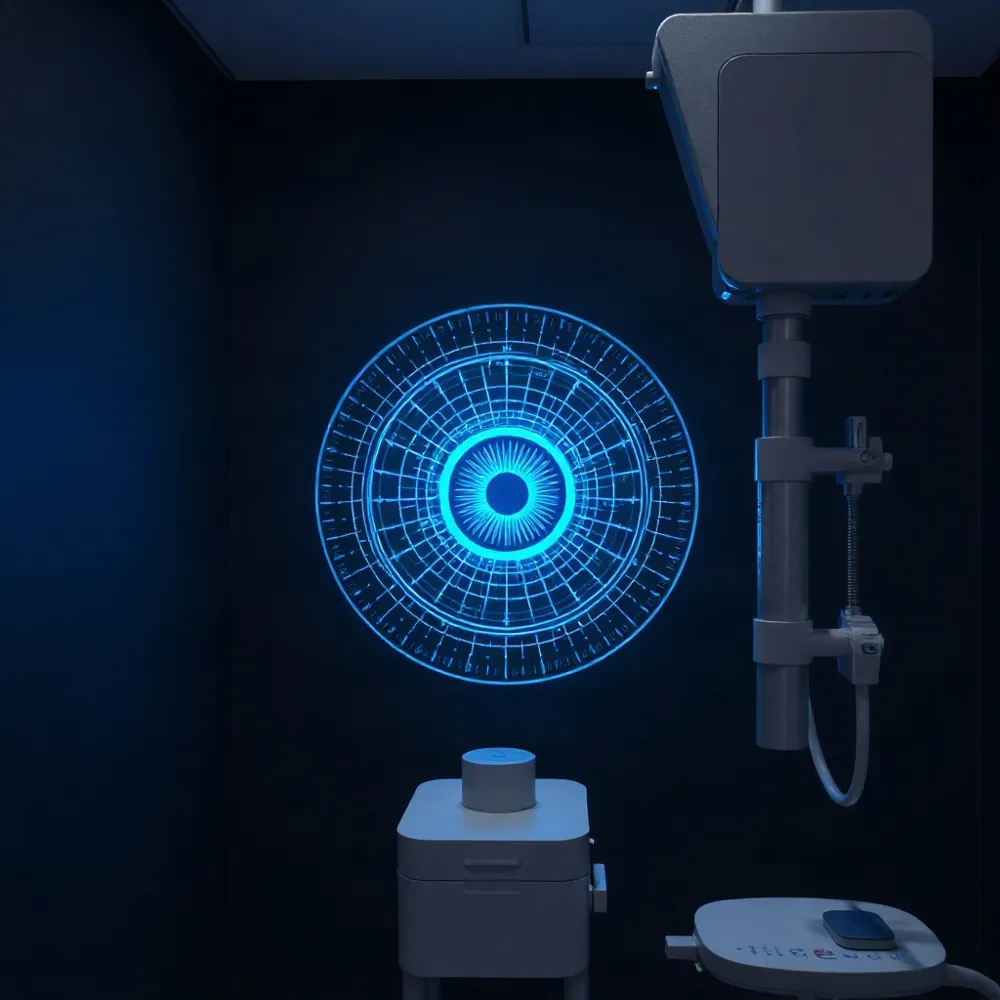
At Apple Eye Care, we believe that effective management requires a blend of advanced diagnostic technology and genuine compassion. By utilizing high-precision tools such as the DRI OCT Triton, we ensure each patient receives a treatment plan tailored to their specific anatomy and visual goals. Dr. Stephen Applebaum and our team focus on more than just clinical outcomes, prioritizing the restored quality of life that comes with clearer, more vibrant sight.
Modern Surgical Techniques for Lasting Visual Clarity
 Modern cataract surgery has transformed from a complex inpatient procedure into a highly efficient day-case surgery performed in minutes with local numbing drops. These advancements focus on precision and rapid healing, allowing patients to regain visual function with minimal disruption to their daily lives.
What are the common techniques used in modern cataract surgery?
Modern cataract surgery typically employs two primary techniques to address clouded natural lenses: traditional phacoemulsification and laser-assisted cataract surgery. In the standard phacoemulsification method, a surgeon creates a small incision and uses ultrasound energy to break the cataract into small fragments, which are then gently suctioned away. Alternatively, laser-assisted cataract surgery uses specialized laser technology to perform key steps of the procedure, such as the initial incisions and the softening of the cataract, with high precision.
At Apple Eye Care, we integrate advanced diagnostics like the DRI OCT Triton to map the unique anatomy of your eye before the procedure. This diagnostic precision ensures that the subsequent replacement of the cloudy lens with a modern intraocular lens is perfectly tailored to your individual vision goals. Whether you require a standard monofocal lens or a premium intraocular lens designed to address astigmatism or near vision loss, our surgeons utilize these techniques to prioritize both safety and long-term clarity. By moving beyond a one-size-fits-all approach, these modern surgical methods allow us to restore clear vision and improve overall quality of life for our patients.
Understanding Success Rates and Reliable Outcomes
 What is the average success rate of modern cataract surgery? Cataract surgery is widely recognized as one of the safest and most successful surgical procedures performed today. Statistics show an exceptionally high success rate, with approximately 97% of patients achieving visual acuity of 20/40 or better following the procedure. Due to its reliability, it has become one of the most common surgeries in the United States, with nearly four million operations performed annually per data from the American Academy of Ophthalmology.
These high success rates are a testament to modern medical advancements, which allow patients to restore their vision and significantly improve their quality of life. At Apple Eye Care, we prioritize this standard of excellence by utilizing advanced diagnostic tools, such as the DRI OCT Triton, to create a precise surgical plan for every patient. This personalized attention ensures that factors like existing refractive errors are managed during the lens replacement process.
The commitment of a professional, compassionate team led by Dr. Stephen Applebaum is central to achieving these reliable results. By focusing on detailed pre-operative counseling and expert technique, cataract surgery serves not just as a vision-correcting procedure, but as a path to enhanced physical and mental well-being. Patients often report life-changing experiences, regaining the clarity needed to navigate daily life with renewed confidence and independence.
Transforming Quality of Life Through Restored Sight
 For many, the decline in vision caused by cataracts is so gradual that the true impact on daily living goes unnoticed until simple tasks become significant hurdles. At Apple Eye Care, we emphasize that the primary goal of cataract surgery is not merely technical, but the restoration of your personal independence and daily satisfaction.
How can cataract surgery impact a patient's quality of life?
Cataract surgery significantly enhances quality of life by restoring clarity to vision and improving color perception, which often feels like a renewed outlook on the world. By removing the cloudy lens, patients frequently regain the ability to safely perform essential tasks such as driving, cooking, and reading without significant strain. This newfound independence often leads to increased confidence and a more active, vibrant social life. Furthermore, many patients experience a reduction in reliance on glasses, which simplifies daily routines and provides a sense of freedom. Ultimately, the procedure addresses the functional limitations caused by cataracts, empowering individuals to return to the hobbies and daily activities they once found difficult or impossible.
Beyond the immediate visual clarity, clinical data highlights that cataract removal provides lasting systemic health benefits. [Research published by the American Academy of Ophthalmology](https://www.aao.org/eye-health/tips-prevention/surprising-benefit-cataract-surgery-treatment) suggests that restoring clear vision may help slow cognitive decline, potentially reducing the risk of depression and dementia in older adults. By improving contrast sensitivity and depth perception, patients often feel much safer when moving through their environment, which directly correlates to a lower incidence of physical injuries like hip fractures.
At Apple Eye Care, our team utilizes advanced diagnostics like the DRI OCT Triton to tailor surgical plans to your specific lifestyle goals. Whether it is improving your confidence behind the wheel during night driving or restoring the visual acuity needed for detailed crafts and reading, our focus is on ensuring you see the world with comfort and ease. As noted in findings from the National Institutes of Health, successful outcomes extend beyond sight to strengthen your emotional and social well-being.
Navigating the Recovery Process and Activity Guidelines
While many patients notice initial improvements in brightness and clarity within 24 to 48 hours, full visual stabilization typically occurs over several weeks. At Apple Eye Care, we use advanced diagnostics like the DRI OCT Triton to monitor healing and ensure your outcomes align with your personal vision goals. Because the brain needs time to adapt to a clear lens after years of adjusting to cataract progression, maintaining patience during this period is essential for the best results.
What are the typical recovery timelines and activity restrictions following cataract surgery?
While recovery varies by individual, most patients initially experience blurry or unstable vision that improves within a few days. During the first 48 hours, it is essential to rest and protect the eye, as directed by your surgeon. You should avoid strenuous activities during the first week, though light aerobic exercises like walking or jogging are generally permissible. For safety reasons, you must avoid swimming for at least one month following the procedure. Always consult with your eye doctor to receive personalized clearance before resuming your normal, more intense physical routines.
Managing the interval between procedures requires a tailored strategy. Since surgery is usually performed on one eye at a time to ensure stability, you may experience temporary imbalances in depth perception or vision quality while the first eye heals. According to the American Academy of Ophthalmology, following specific post-operative care, such as using medicated eye drops for approximately one month and wearing protective shields, is vital for a smooth transition. Many patients find that communicating these interim challenges directly with their provider helps them feel more confident and secure as they balance their vision needs between visits.
Managing Post-Surgical Healing and Expectations
The period following cataract surgery is a critical time for visual stabilization. Most patients encounter minor, temporary sensations as the eye recovers from the procedure. Common, expected symptoms often include a persistent feeling of grittiness, mild irritation, or increased light sensitivity. While these sensations typically diminish as the surface of the eye heals, patients may also notice fluctuating clarity in the initial days. Apple Eye Care provides personalized monitoring during this recovery window, using advanced diagnostics to ensure each patient reaches their optimal visual potential safely.
What are the potential long-term side effects or common post-surgical complications?
Recovery involves more than just physical healing. Some individuals may experience visual phenomena known as dysphotopsia, which includes perceiving halos or starbursts around bright light sources, particularly at night. These outcomes are often linked to the type of intraocular lens selected for the surgery. While many of these visual artifacts are temporary and resolve as the brain and eye adapt to the new lens, open communication regarding these symptoms is vital. Consistent use of prescribed medicated eye drops is essential to manage potential inflammation and minimize the risk of infection. Patients should contact the surgical care team if they encounter warning signs such as persistent or worsening pain, significant flashes of light, or a sudden loss of vision. Professional oversight ensures that any lingering discomfort or healing delays are addressed promptly, helping to secure the best possible long-term result.
Bridging the Gap Between Expectations and Reality
While cataract surgery boasts high clinical success rates of roughly 97% to 98% per current data, patient dissatisfaction often arises from mismatched expectations regarding vision range or subtle sensory changes rather than technical failure. Achieving personal satisfaction requires moving beyond average outcomes to address how specific intraocular lens (IOL) technologies align with your unique daily tasks, such as driving at night or reading fine print.
How should patients balance the high success rates of cataract surgery against the reported risks of patient dissatisfaction?
While cataract surgery boasts high clinical success rates, patient dissatisfaction often stems from unmet expectations regarding refractive outcomes, quality of vision, or physical comfort rather than surgical failure. To balance these realities, patients should engage in thorough preoperative discussions with their eye care team to ensure a realistic understanding of potential visual trade-offs, such as reading distances or contrast sensitivity. It is vital to communicate your specific lifestyle needs and visual goals clearly during these consultations to align surgical planning with your personal expectations.
At Apple Eye Care, Dr. Stephen Applebaum and his team utilize advanced diagnostic tools like the DRI OCT Triton to map individual eye anatomy, helping to translate clinical goals into predictable results. Many common concerns, such as post-surgical dry eye or temporary light sensitivity, are often manageable with the right guidance and patience as the eye heals. By prioritizing clear communication regarding premium lens choices versus monofocal options before the procedure, you can effectively manage postoperative expectations and improve overall happiness, with recent studies noting that about 74% of patients report increased quality of life following successful treatment.
Embracing a Future of Clearer Horizons
Restoring vision through cataract surgery offers benefits that extend well beyond the clarity of individual sightlines. Research from the American Academy of Ophthalmology indicates that by improving sensory input, patients may experience slower rates of cognitive decline and a reduced risk of depressive symptoms. Clearer vision acts as a foundational element for mental sharpness, allowing seniors to maintain independence and social engagement.
The physical safety improvements are equally significant. Better depth perception and contrast sensitivity provide a tangible reduction in the frequency of falls, which are a major concern for aging populations. Data shows that this procedure is linked to a lower incidence of hip fractures, directly protecting long-term physical health by ensuring patients can navigate their environments with confidence rather than caution.
At Apple Eye Care, we integrate advanced diagnostics like the DRI OCT Triton to ensure each surgical plan is uniquely tuned to the patient’s ocular health. For those experiencing blurred vision or dulled color perception, a consultation with Dr. Stephen Applebaum offers a pathway toward reclaiming quality of life. Embracing surgery is a transformative step, turning the gradual dimming of the world into a renewed, vibrant perspective on daily living.