Understanding the Chronic Reality of Dry Eye Disease
Dry eye disease is a complex, long-term condition that rarely resolves on its own. While many people attribute their discomfort to temporary fatigue, the disorder stems from chronic issues with tear production or rapid evaporation per the Cleveland Clinic.
Your vision relies on a stable, three-layer tear film acting as a protective shield for the eye. When this film becomes unstable, you may experience persistent gritty sensations, redness, or fluctuating vision clarity as noted by Yale Medicine. Left unmanaged, severe dryness potentially leads to corneal tissue damage or permanent vision loss.
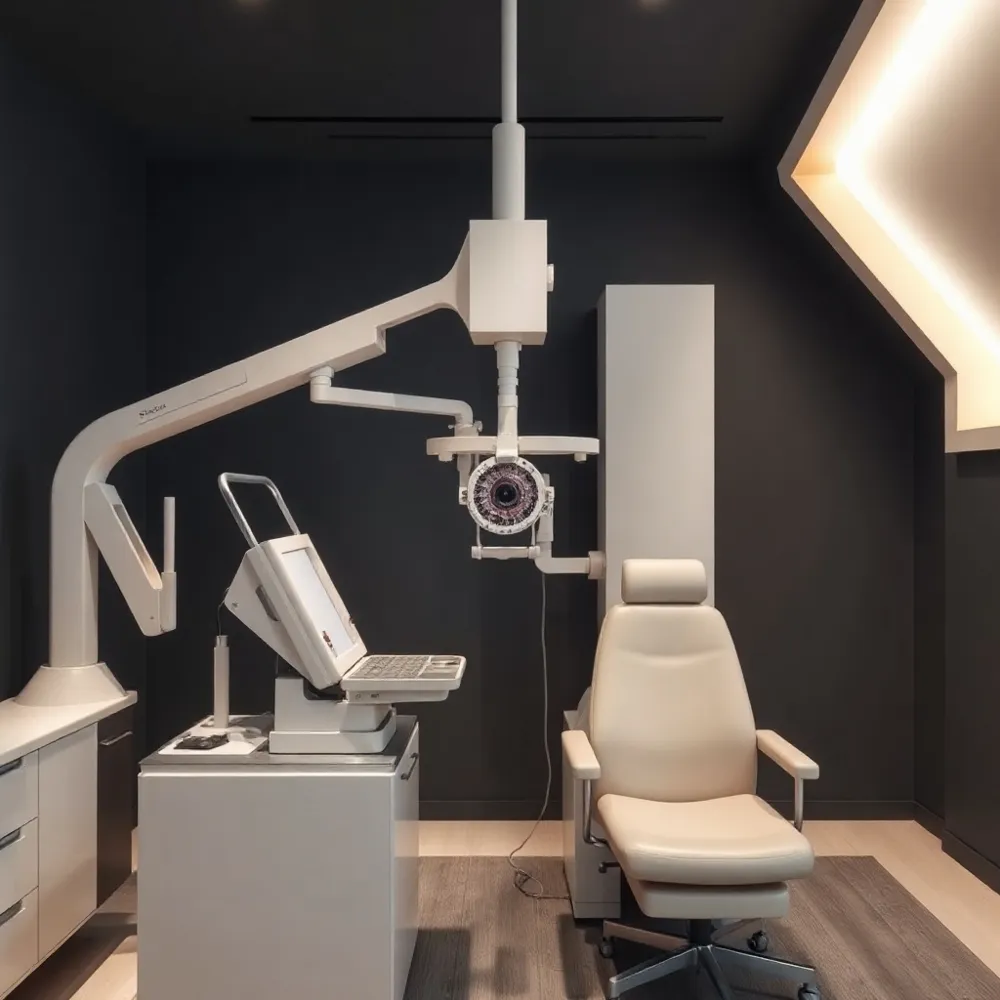
At Apple Eye Care, we recognize that no two patient cases are identical. Rather than relying on generic, one-size-fits-all symptom management, we utilize advanced diagnostic technology like the DRI OCT Triton to assess the specific quality of your tear film and the health of your meibomian glands. By creating a personalized long-term maintenance plan specific to your ocular structure, we provide targeted solutions that aim to restore comfort and protect your future vision health.
Recognizing the Risks and Long Term Vision Impacts
 Dry eye syndrome occurs when your eyes fail to produce enough quality tears or when tears evaporate too quickly, leading to inadequate lubrication of the eye's surface. At Apple Eye Care, we categorize this into primary types: aqueous-deficient dry eye, where tear production is insufficient, and evaporative dry eye, which often stems from meibomian gland dysfunction where the oily layer of the tear film is compromised. Research confirms that evaporative dry eye is the most prevalent form, accounting for 86% of all cases per Southwest Eye Institute.
While many patients initially associate the condition with simple discomfort like a gritty sensation, burning, or light sensitivity, the long-term implications are far more serious. Chronic inflammation and persistent irritation can lead to significant tissue damage. As noted by the Cleveland Clinic, dry eye is a chronic condition, and failing to manage it can progress beyond mere irritation to reach the corneal surface.
If left untreated, severe dryness can potentially damage the cornea, resulting in complications such as corneal ulcers, scarring, or infections that may cause permanent vision loss as reported by Yale Medicine. The impact of chronic dry eye on quality of life is significant, with some studies suggesting the burden is comparable to the physical limitations experienced by someone recovering from a hip fracture per PMC. Early intervention is critical to protecting your ocular health and maintaining clear vision for the future.
Common Environmental and Lifestyle Triggers
Your daily routine and environment often dictate the stability of your tear film. While chronic dry eye has complex physiological roots, certain external factors frequently act as catalysts for sudden symptomatic flares. At Apple Eye Care, we often see that patients overlook how modern habits directly influence their ocular health, turning occasional irritation into a persistent condition.
The most significant modern trigger is prolonged screen time. When you focus on a digital device, your natural blink rate can drop by more than half, preventing the spread of moisture across the ocular surface and accelerating evaporation per Yale Medicine. This dryness is further compounded by your surroundings. Exposure to dry climates, high-velocity air conditioning, and wind can strip away tears faster than your glands can replenish them per UT Southwestern.
Medications serve as another common, yet hidden, contributor to discomfort. Many systemic drugs, including those for high blood pressure, depression, and allergies, can inadvertently decrease tear production per UT Southwestern. Because antihistamines specifically work to dry out mucous membranes, they are frequently misidentified as allergy relief when they are actually exacerbating dry eye symptoms.
What common triggers lead to the sudden development of dry eyes?
Dry eyes are frequently triggered by environmental factors, such as spending time in windy, smoky, or dry conditions where tears evaporate too quickly. Prolonged use of digital screens for computers or tablets also acts as a major trigger, as individuals tend to blink less frequently during these activities. Changes in your immediate surroundings, such as being in an air-conditioned room or traveling on an airplane, can disrupt tear stability and lead to sudden discomfort. Additionally, sudden onset can stem from the use of certain medications, such as those for allergies, colds, or high blood pressure, which may decrease tear production. If you experience these symptoms unexpectedly, it is important to consult with an eye care professional, like those at Apple Eye Care, to identify the specific root cause and explore appropriate treatments.
Evaluating the 20-20-20 Rule for Digital Strain
The 20-20-20 rule is a visual habit designed to help mitigate digital eye strain by suggesting that every 20 minutes, you take a 20-second break to look at something at least 20 feet away. This strategy encourages a more natural blink rate, which is often significantly reduced during high-focus tasks like reading or working on digital devices, helping to prevent the rapid evaporation of your tear film per Yale Medicine.
Why clinical evidence regarding the rule remains debated
While it is a widely recommended practice to combat fatigue, clinical research on the definitive effectiveness of this interval-based approach for treating ocular dryness remains inconclusive. Some studies have found no significant improvement in long-term eye function or specific binocular vision markers when strictly adhering to the methodology. Despite the limited objective data, making a conscious effort to look away from screens frequently serves as a helpful, low-cost reminder to rest your eyes and manually reset your blink cycle during long periods of digital work.
The necessity of professional evaluation for digital fatigue
Generic habits are often insufficient for patients dealing with chronic symptoms or underlying conditions like meibomian gland dysfunction. If you find that digital eye strain persists regardless of your home routines, it is important to consult with a professional for a comprehensive evaluation. At Apple Eye Care, we utilize advanced diagnostics to assess the health of your ocular surface and determine if you require specialized interventions. Rather than relying on trial-and-error with screens, our team provides personalized treatment plans to stabilize your tear production and restore comfort, ensuring that digital demands do not lead to long-term corneal damage.
Modern Clinical Treatments and Advanced Procedures
 Effective management of chronic dry eye often requires a personalized, multi-factorial approach that addresses the root cause of the condition. While at-home habits like warm compresses help, severe dry eye often demands professional intervention to prevent permanent corneal damage or vision loss. At Apple Eye Care, we prioritize advanced diagnostics to identify if your discomfort stems from tear deficiency or gland-based issues, allowing us to move beyond temporary relief.
What are the most effective clinical treatments currently available for managing chronic dry eye?
In-office, patient-specific treatments include advanced thermal pulsation systems like LipiFlow or TearCare to clear meibomian glands. These technologies use localized heat and gentle massage to effectively unclog oil production. For patients whose condition is exacerbated by underlying redness and vascular inflammation, Intense Pulsed Light (IPL) has become a standard approach to calm the ocular surface and restore gland function. Clinicians may also utilize punctal plugs, which reside in the tear ducts to prevent premature moisture drainage, or specialized scleral lenses that vault over the cornea to maintain a protective fluid reservoir.
- Thermal pulsation (LipiFlow, TearCare) to improve oil layer stability.
- IPL therapy to address chronic inflammation and improve gland health.
- Punctal plugs for enhanced moisture retention.
- Scleral lenses to provide a consistent lubricating environment for the cornea.
- Prescription immunomodulators or neuro-stimulating nasal sprays to spur natural tear production.
Because dry eye disease is a complex, chronic condition, most patients benefit from a laddered approach. At Apple Eye Care, we combine these clinical interventions with a disciplined eyelid hygiene routine. Unlike generic options, our personalized protocols ensure you are not just treating symptoms with drops, but actively managing the ocular surface to regain comfortable, clear vision.
The Role of Nutrition and Lifestyle Habits
Incorporating specific nutrients into your daily intake serves as a proactive way to bolster the ocular surface. Research indicates that omega-3 fatty acids, commonly sourced from flax seeds or fish oil, effectively improve the lipid layer of your tear film, which helps prevent premature evaporation. Alongside these fats, vitamins A, C, D, and E are critical for maintaining healthy eye function and reducing systemic inflammation that often exacerbates dryness.
Can nutritional supplements like lutein, zeaxanthin, or other vitamins improve dry eye symptoms?
Recent clinical research suggests that certain nutritional supplements, including lutein and zeaxanthin, may play a beneficial role in managing eye health and uncomfortable symptoms. Studies have indicated that these antioxidants can help reduce eye strain and, when combined with other nutrients, contribute to improved tear production in patients struggling with dry eye disease. While these supplements show promise in supporting ocular comfort, they should be viewed as part of an overall management plan. At Apple Eye Care, we emphasize that individual needs vary, and lifestyle factors like excessive screen time often require a multi-faceted approach. We recommend consulting with Dr. Applebaum to determine if targeted supplementation or other professional dry eye treatments are the right choice for your specific symptoms.
Beyond internal nutrition, foundational habits such as consistent lid hygiene and hydration provide the necessary environment for stable tear production. Regularly cleansing the eyelid margins helps prevent debris from obstructing the meibomian glands, while drinking sufficient water throughout the day ensures the lacrimal glands remain functional. These daily practices form the baseline for long-term comfort and help protect ocular tissues from the chronic irritation often associated with dry eye disease.
Navigating Long-Term Maintenance and Success
Dry eye disease is generally considered a chronic condition rather than one that is permanently cured. Because it often stems from complex, underlying factors like age, hormonal changes, or environmental stressors, most patients require long-term management to maintain comfort and eye health. Per Cleveland Clinic, there is no single cure, but effective treatment plans can successfully reduce symptoms and improve quality of life.
Is it possible to permanently cure dry eyes, or is long-term management required?
By working with an eye care professional, you can identify the specific cause of your dry eye and implement a personalized, multi-step strategy. This approach range from daily lubricating drops to advanced clinical procedures to manage the condition over time. Ongoing care and adjustments to your routine are essential to controlling flare-ups and keeping your eyes properly hydrated. At Apple Eye Care, we emphasize this personalized approach, pairing diagnostic testing with tailored strategies to move beyond simple symptom management.
Success with chronic conditions relies on consistent adherence to prescribed routines. Similar to how other medical facilities might manage treatment through standard follow-ups, we support patients in creating a manageable daily schedule that includes lid hygiene and moisture maintenance. Monitoring for symptoms is critical, as patients often experience periodic flares even with a stable regimen. When you notice a return of irritation, it is time to recalibrate your treatment plan rather than continuing with ineffective methods.
When to Schedule Your Professional Consultation
 Many individuals assume that periodic ocular discomfort is a normal part of daily life, yet waiting for a routine annual exam often allows underlying issues to progress. When your symptoms persist despite consistent reliance on at-home remedies like preservative-free artificial tears or daily warm compresses, you have reached a tipping point for professional intervention. Ignoring persistent irritation or fluctuating vision can lead to significant damage to the ocular surface, including potential corneal scarring or long-term vision impairment, as noted by the Cleveland Clinic.
When should I seek professional optometric care for persistent dry eye symptoms? You should seek professional care if your dry eye symptoms persist or worsen despite at-home measures and increased environmental moisture. Experts suggest scheduling an appointment if discomfort continues for more than one to two weeks, or if symptoms explicitly interfere with your daily productivity, such as driving or screen-intensive activities. Because chronic dry eye is a complex condition, it rarely resolves without a targeted management strategy. At Apple Eye Care, we conduct comprehensive evaluations using advanced diagnostics like our DRI OCT Triton to identify the root cause of your specific condition.
Unlike standard practices that may rely on a one-size-fits-all approach, Apple Eye Care partners with you to develop a personalized treatment plan. By moving beyond symptomatic management, our compassionate team, led by Dr. Stephen Applebaum, focuses on preventing the progression of glandular dysfunction and inflammation. If left untreated, severe dryness carries risks comparable to major physical limitations, according to research on quality of life. Early diagnostic consultation allows for more effective intervention, ensuring you preserve your ocular health rather than merely coping with recurring flares.
Achieving Ocular Wellness Through Compassionate Care
Managing chronic dry eye disease requires more than simple symptom suppression, as persistent ocular surface inflammation can lead to permanent vision loss if neglected. Proactive, expert-led intervention ensures that you address the underlying mechanical or systemic drivers of your discomfort rather than relying solely on temporary relief.
At Apple Eye Care, our team prioritizes your long-term comfort through precise diagnostics, such as the DRI OCT Triton, which allows us to tailor treatment plans to your unique ocular needs. By integrating advanced technology with personalized care, we help patients reclaim their ability to read, drive, and work without the constant distraction of irritation.
Your vision health is vital to your overall quality of life. We invite you to visit us for a comprehensive consultation, where our compassionate team will guide you through evidence-based solutions designed to sustain your ocular wellness for years to come.