Prioritizing Eye Health Through Collective Family Care
Scheduling eye exams for multiple family members simultaneously is a practical strategy that streamlines your healthcare management. Beyond the convenience of unified records, joint visits allow providers to monitor hereditary conditions that may affect the entire family. By treating vision care as a collective family activity, you reduce the logistical burden of multiple appointments while ensuring consistent health monitoring.
When children observe parents participating in routine eye care, it demystifies the experience and helps foster a lifelong habit of prioritizing visual health. Children often do not complain about vision changes because they lack a reference point for what clear sight looks like. Proactive monitoring is essential, as one in five children experiences undiagnosed vision problems that can impede academic performance.
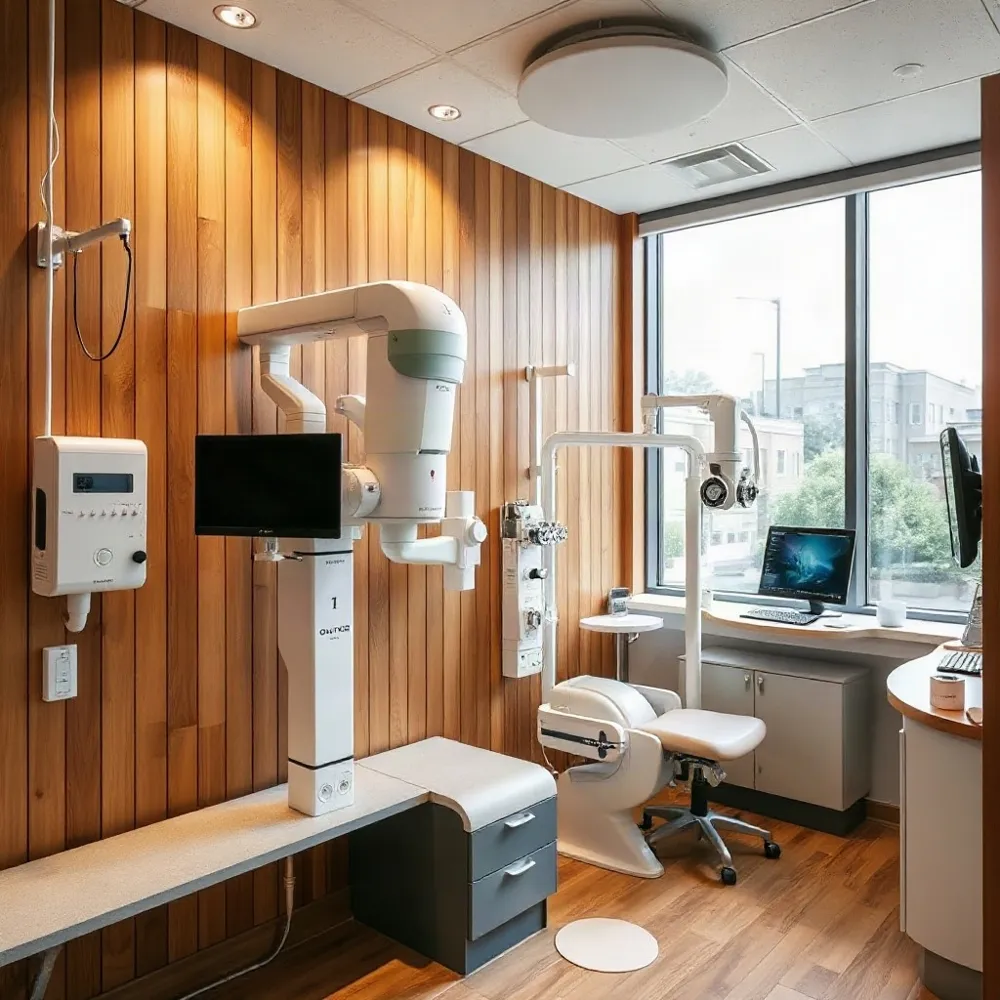
At Apple Eye Care, Dr. Stephen Applebaum and his team emphasize personalized attention to ensure every patient receives age-appropriate care. Unlike high-volume retail chains that may prioritize rapid turnover, our practice utilizes advanced diagnostics such as the DRI OCT Triton to track long-term changes with precision. By choosing a local provider focused on compassionate, family-centered outcomes, you ensure that your children receive the same thorough, professional standard of care that the American Optometric Association recommends for optimal ocular health.
Understanding the Necessity of Pediatric Eye Evaluations
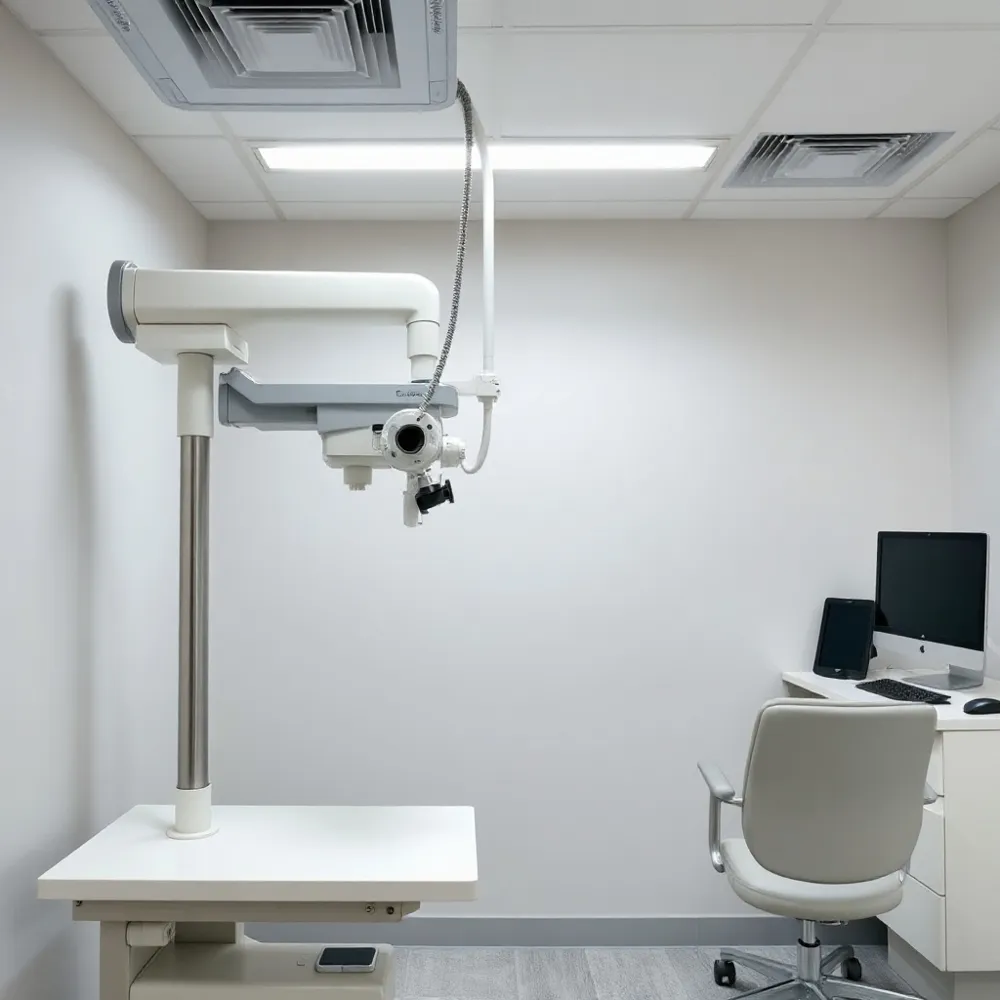 Vision is a primary engine of early childhood development, as approximately 80% of what a child learns in school is acquired through sight. Despite this, one in five children suffers from an undiagnosed vision problem. Because children often assume their limited visual clarity is normal, they rarely complain about symptoms, making proactive professional care the most reliable way to ensure their academic and social success.
Are regular eye exams necessary for children even if they don't wear glasses?
Yes, regular comprehensive eye exams are essential for children even if they do not wear glasses. While school and pediatrician screenings help identify basic distance vision issues, they are not a substitute for a thorough examination performed by an eye doctor, which evaluates overall ocular health and critical visual skills like depth perception, eye alignment, and focusing ability. As noted by the CDC, these skills are fundamental to learning, and many vision problems do not present obvious symptoms that parents would notice at home. Early detection of conditions like amblyopia or misaligned eyes is vital for successful treatment during a child's development. At Apple Eye Care, we use advanced diagnostics and age-appropriate techniques to ensure your child’s visual system is developing correctly for long-term health.
Do I need to be present for my child's eye appointment?
Yes, for children 16 and younger, a parent or legal guardian must be present to provide consent and participate in the health history discussion. Because comprehensive eye exams require an accurate account of birth history, development, and family health background, your participation is essential for an effective assessment. Even if your child has previously passed a school or pediatrician vision screening, those sessions are not a substitute for a professional exam and require your direct input to ensure all concerns are addressed. Being present allows Dr. Applebaum to gather necessary details about any observed symptoms, such as frequent eye rubbing, head tilting, or tracking difficulties, which are critical for diagnosing potential issues. We emphasize this personalized approach to ensure that your child receives the most accurate, thorough care possible during their visit.
Why Comprehensive Exams are Vital for Every Age
 Regular eye examinations are vital because many eye conditions in their early stages present no obvious symptoms, making professional evaluation the only way to detect issues before they progress. For children, early exams are crucial to identify and treat conditions like amblyopia to ensure proper vision development. Adults benefit from routine screenings that monitor eye health over time, allowing for the early detection of common, sight-threatening diseases such as cataracts, glaucoma, and macular degeneration. Beyond simple vision correction, these comprehensive exams allow eye doctors to identify systemic health concerns, including diabetes and high blood pressure, by observing specific signs within the ocular blood vessels.
Why are regular eye examinations important for both children and adults?
Prioritizing regular care is a proactive step that protects long-term vision and contributes to overall well-being. At Apple Eye Care, we focus on this level of thorough care rather than the high-volume model used by large chain retailers. By returning to the same doctor for consistent, annual visits, patients build a documented history that makes it easier to catch subtle changes in ocular health before they impact daily life.
Can eye problems be inherited?
Genetics play a significant role in eye health, with hundreds of conditions linked to hereditary factors. Common issues such as refractive errors, cataracts, glaucoma, and age-related macular degeneration often show clear family patterns. For instance, having a family member with glaucoma can increase your personal risk of developing the condition significantly. Because early detection is vital to preventing permanent vision loss, it is essential to share your family history with our team at Apple Eye Care during your visit. Our use of advanced diagnostic technology, specifically the DRI OCT Triton, allows us to provide the precise, proactive monitoring needed to manage these inherited risks effectively.
Common Eye Concerns and Modern Management Solutions
What are the most common eye problems?
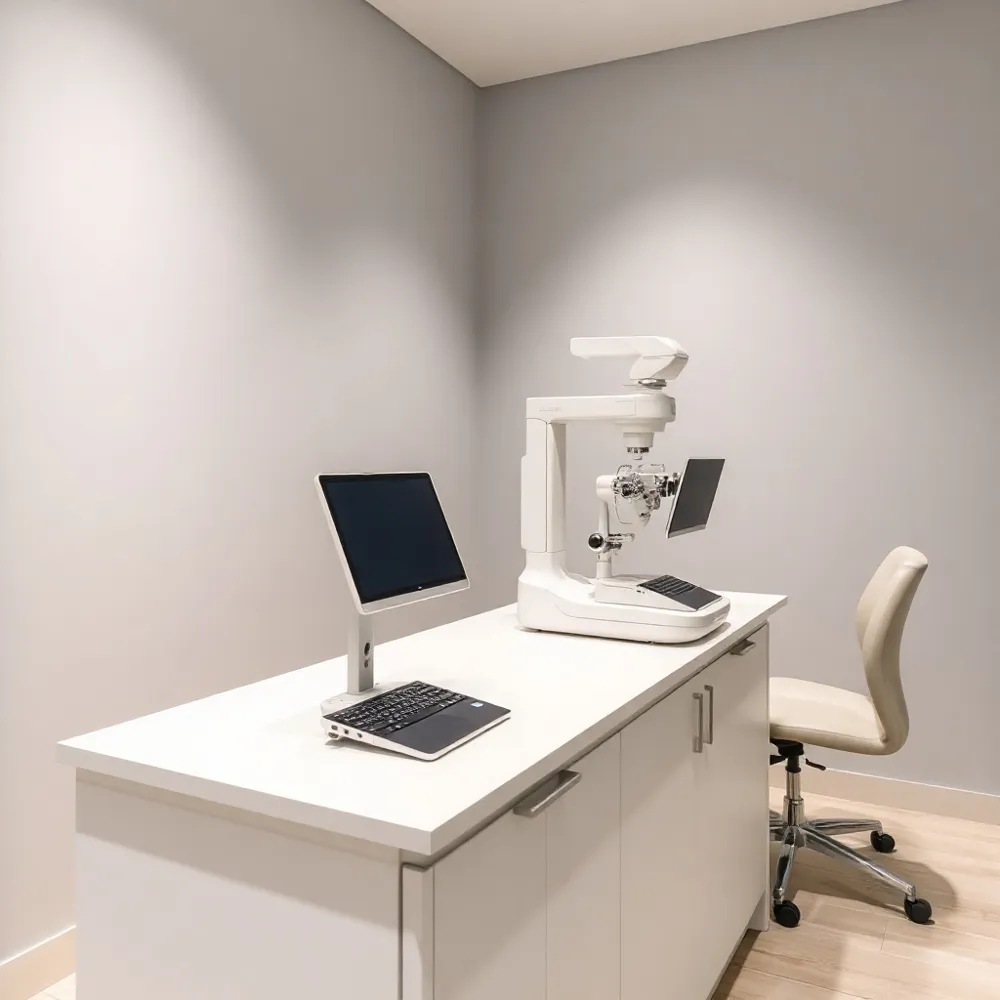
Refractive errors, such as nearsightedness, farsightedness, and astigmatism, remain the most common vision issues, typically addressed with precise optical correction. Many patients also encounter dry eye syndrome, a condition that results in chronic discomfort and surface irritation. Beyond these, modern eye care must manage progressive conditions like cataracts, glaucoma, and macular degeneration to preserve long-term visual function. Frequent concerns also include eye allergies and digital eye strain, which arises from prolonged engagement with computer screens and mobile devices. While large retail chains often rely on high-volume, rapid patient turnover, Apple Eye Care distinguishes itself by using advanced diagnostic tools like the DRI OCT Triton and personalized treatment protocols to manage these complex conditions with tailored attention.
What is the 20-20-20 rule for eye health?
The 20-20-20 rule offers a practical strategy to mitigate digital eye strain: every 20 minutes, patients should pause to focus on an object at least 20 feet away for at least 20 seconds. This habit forces the eyes to relax the focusing muscles required for near-task work. Although the technique is widely recommended, patients should remember that professional clinical oversight is necessary to distinguish simple fatigue from more serious underlying health issues. Building a consistent relationship with a local provider ensures that your eye health is monitored over time, rather than receiving the one-size-fits-all approach common at high-volume clinics. By pairing simple daily habits like the 20-20-20 rule with regular exams at Apple Eye Care, you create a sustainable foundation for visual comfort in an increasingly digital world.
Preparing for Your Next Family Appointment
What is the difference between an optometrist and an ophthalmologist?
The primary difference between an optometrist and an ophthalmologist lies in their level of medical training and the scope of care they provide. An optometrist holds a Doctor of Optometry degree and specializes in primary eye care, including routine eye exams, vision correction, and the management of non-surgical eye conditions. In contrast, an ophthalmologist is a medical doctor who has completed extensive medical and surgical training, making them the most qualified professional to diagnose and treat complex eye diseases. While optometrists focus on your daily vision needs and preventive care, ophthalmologists are specifically trained to perform delicate eye surgeries and handle advanced medical interventions. At Apple Eye Care, our team provides comprehensive optometry services including diagnostics and specialized care to ensure you receive the most appropriate level of support for your specific eye health needs.
What should I avoid doing before an eye exam?
To ensure accurate results and a comfortable experience, you should avoid straining your eyes by limiting excessive screen time immediately before your visit. Research from the CDC highlights that regular comprehensive exams are essential for monitoring vision changes over time, so arriving prepared helps maximize the effectiveness of your appointment. If you are a contact lens wearer, refrain from wearing them if your doctor has instructed you to do so, as this can affect certain measurements. Since exams often involve dilation, you should avoid driving yourself if you are concerned about light sensitivity afterward and be sure to bring a pair of sunglasses. Finally, avoid arriving unprepared regarding your current eyewear. Bringing your existing glasses and any contact lens packaging helps your optometrist accurately assess your vision needs compared to the generalized screenings often offered by other providers.
Transparency regarding your family health history is also vital. Because 61% of children who fail a school vision screening do not follow up with an eye doctor, having a clear record of both personal and hereditary conditions allows us to identify risks that might otherwise go undetected. Sharing this information ensures that every family member receives the personalized attention required to protect their long-term vision.
Investing in Long-term Vision at Apple Eye Care
Unified family eye care transforms routine health monitoring into a shared wellness goal. By observing parents prioritize their check-ups, children form lasting habits that ensure long-term visual success. At Apple Eye Care, we provide the personalized, technology-driven diagnostics needed to track your family's health over time. We invite you to visit www.appleeyecare.com to schedule a comprehensive exam and secure your family's clear future together.