Notice Changes Early
Changes in vision can be easy to miss, especially in children who may not recognize or describe blurry sight. Some age-related eye diseases also develop without noticeable early symptoms, so clear vision does not always mean the eyes are healthy.
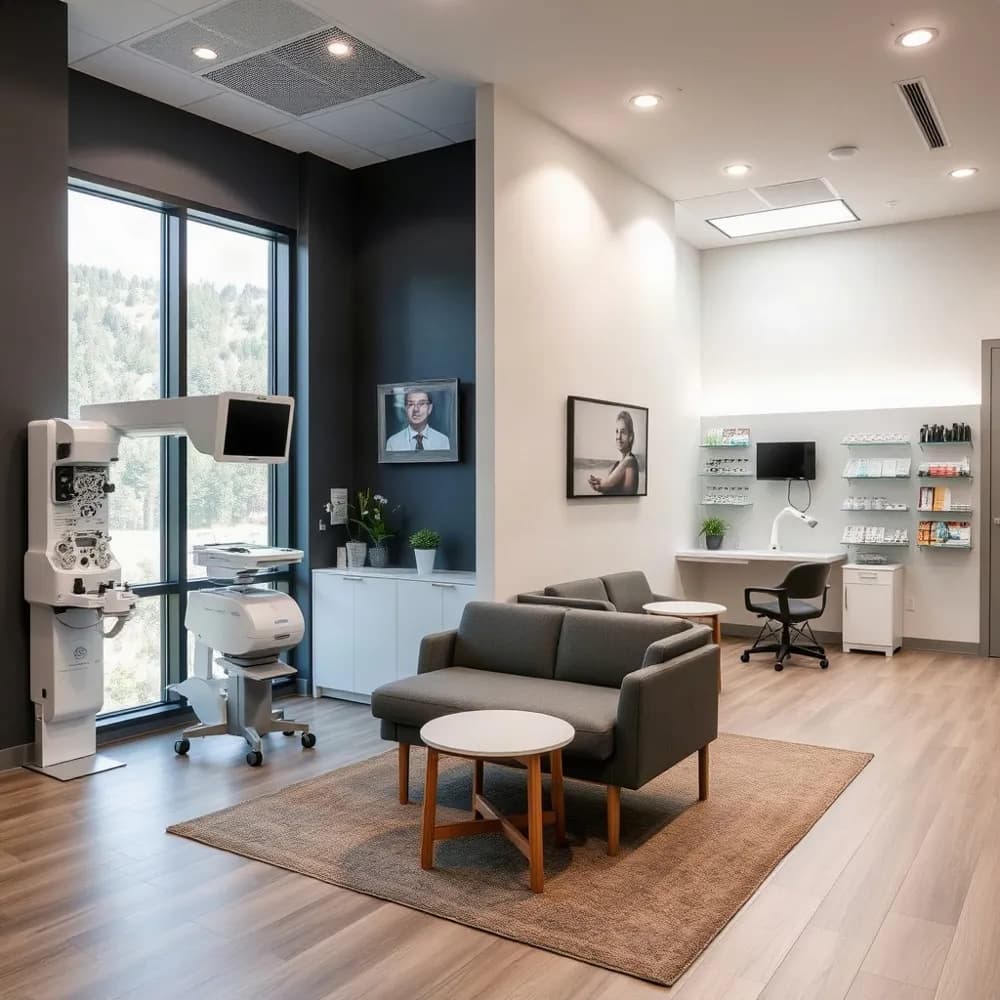
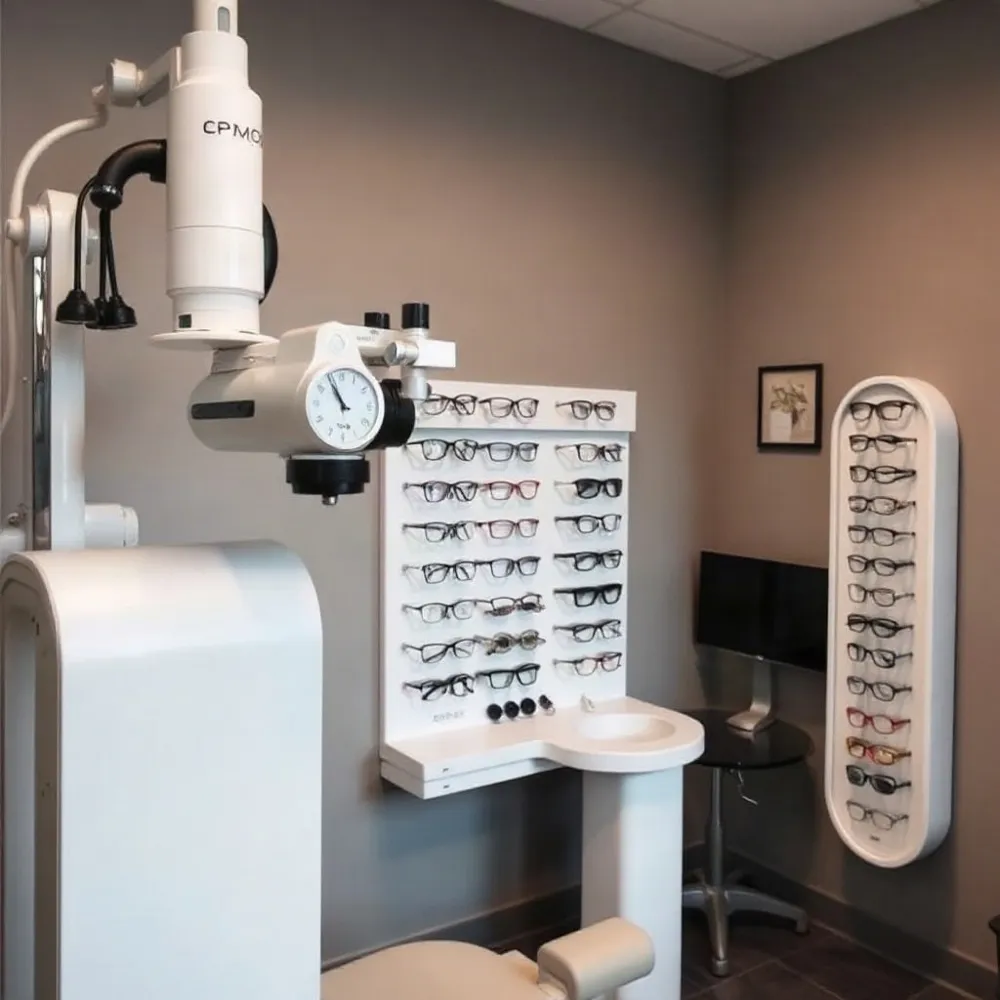
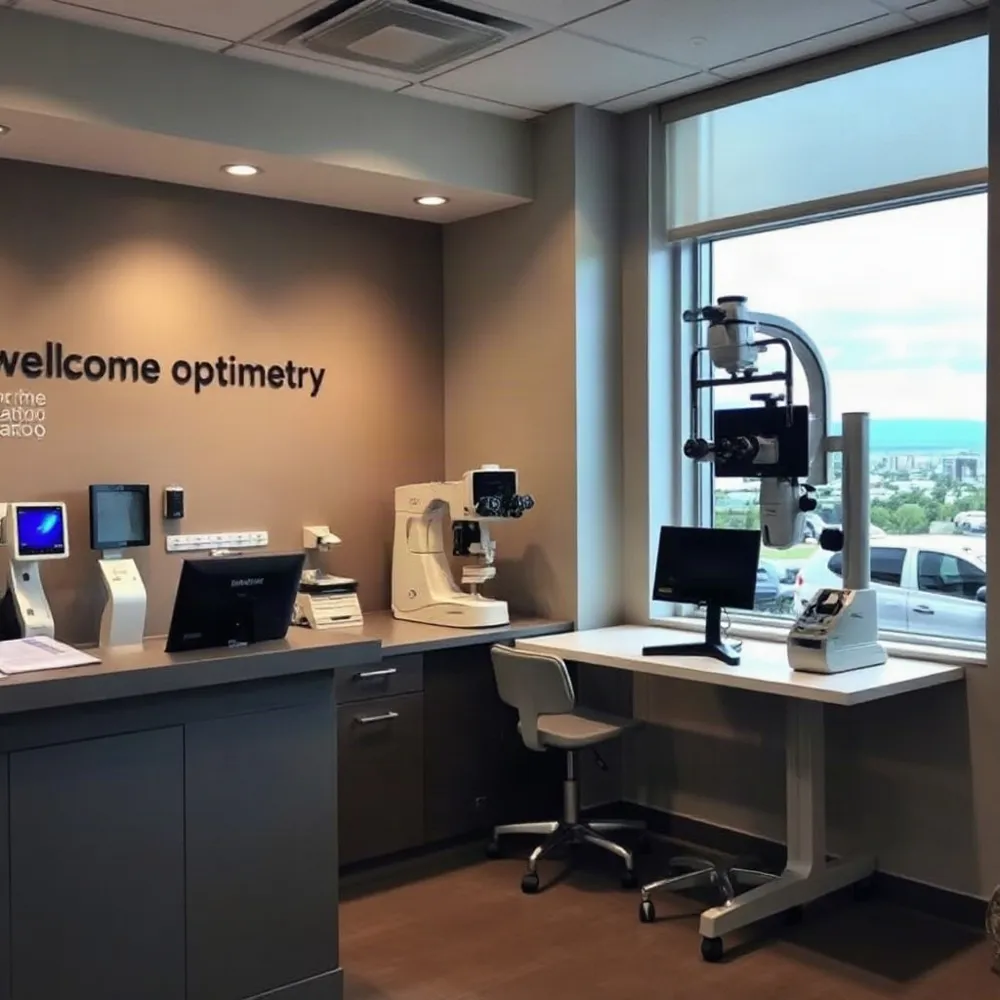
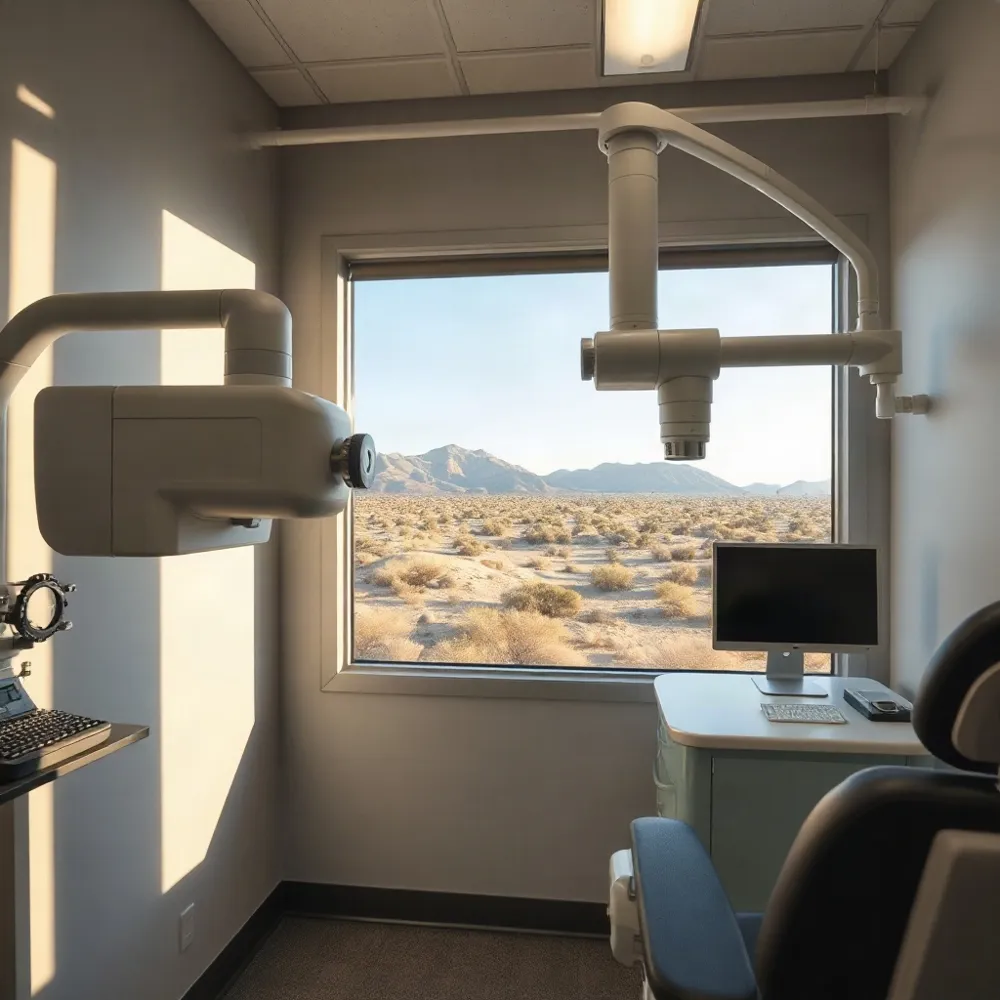
This guide outlines signs that may warrant attention in children and older adults. These observations are not a diagnosis; an eye-care professional can assess what is causing them. Apple Eye Care in El Paso offers comprehensive eye exams and advanced diagnostics, including DRI OCT Triton imaging, as part of its optometry services.
Arrange an evaluation when a change concerns you. Sudden vision loss, severe pain, new flashes or floaters, or a sudden change in vision calls for prompt or urgent care rather than waiting for a routine appointment.
Eye Health Warning Signs and Care
- Squinting, sitting close to screens, holding books near the face, or avoiding close-up tasks may indicate a child has difficulty seeing, but these behaviors are clues rather than a diagnosis.
- Head tilting, covering one eye, or an eye that turns can reflect a vision or alignment concern; an eye-care professional should assess the cause.
- Persistent redness, watering, itching, discharge, or irritation can have multiple causes, including blocked tear ducts, conjunctivitis, or allergies, and symptoms alone cannot determine the cause.
- A cloudy eye or unusual white pupil reflection in a child warrants professional evaluation; cataracts can cloud the lens and may be present at birth or develop after injury.
- Persistent or worsening blur, dimness, or distortion merits an eye evaluation; AMD can affect central vision, while glaucoma can reduce peripheral vision and may have few early symptoms.
- A sudden increase in floaters, new flashes, a curtain-like shadow, or sudden vision loss may signal a retinal problem and requires prompt or urgent eye care.
- Sudden vision decrease, double vision, eye pain, or significant redness or swelling warrants prompt contact with an eye-care professional or emergency care; painful eye swelling with fever or impaired movement in a child is urgent.
- Newborns should receive a basic eye-health check, while screening guidance includes a check at 6–12 months and assessment of vision and alignment between ages 3 and 5; concerns or failed screening warrant comprehensive evaluation.
- Older-adult exam intervals vary: the American Optometric Association advises annual exams after 60, while Cleveland Clinic recommends about yearly exams after 50; individual risk factors can affect timing.
- Presbyopia commonly becomes noticeable after age 40 as the lens becomes less flexible; glasses can correct refractive errors and help near focus, but they do not treat eye disease.
1. Squinting and Close Viewing
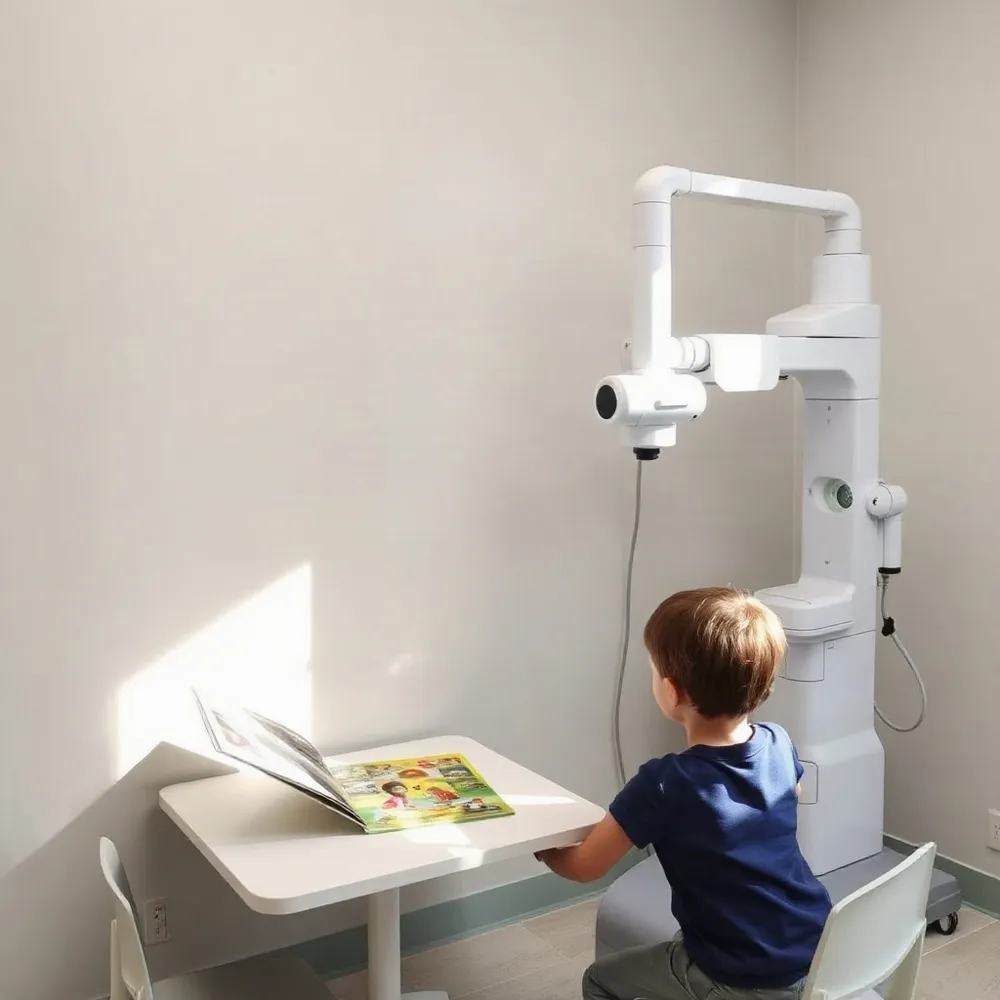 Squinting to see the classroom board, sitting close to a screen, or holding a book near the face can signal that a child is having trouble seeing clearly. Some children also avoid reading or other close-up tasks when focusing feels difficult. These behaviors are clues, not a diagnosis.
Nearsightedness, farsightedness, and astigmatism are refractive errors that can blur distance vision, near vision, or both. Children may not realize their sight differs from normal, so the problem can go unnoticed. The American Academy of Ophthalmology’s guidance on children’s eye screening explains that screening can identify concerns, while a comprehensive eye exam can assess visual acuity and focusing. Apple Eye Care offers eye exams and vision correction, with assessments tailored to each patient.
2. Head Tilting and Eye Misalignment
A child who regularly tilts their head, covers one eye, or seems to look from an unusual angle may be compensating for a vision difficulty. These behaviors do not identify the cause, but they are worth discussing with an eye-care professional.
Notice whether one eye turns inward, outward, upward, or downward, or whether your child struggles to coordinate vision during play or avoids coloring, puzzles, and other detailed activities. Such clues can have different explanations, so an examination is needed to determine what is happening. The American Academy of Ophthalmology’s guidance on childhood eye conditions describes eye misalignment as strabismus and advises prompt treatment because the brain may begin to ignore the misaligned eye, potentially affecting vision development.
At Apple Eye Care in El Paso, comprehensive eye exams and advanced diagnostics, including DRI OCT Triton, support personalized assessment when a child shows possible vision concerns. A clinician can determine whether further care is needed; visible signs alone are not a diagnosis.
3. Redness, Watering, and Irritation
Persistent watering, redness, itching, sticky discharge, or irritation in a child can have several causes. In babies, ongoing watering or irritation may be associated with a blocked tear duct; redness and discharge may also occur with conjunctivitis, or pink eye. These signs do not identify the cause on their own, so an eye-care professional can assess symptoms that persist or recur. The American Academy of Ophthalmology’s guide to childhood eye conditions describes both conditions and when they need care.
Viral and bacterial conjunctivitis can spread to others, while allergy-related conjunctivitis is not contagious. Because redness, itching, and tearing can occur with more than one type, avoid assuming that symptoms reveal whether an infection is present. At Apple Eye Care in El Paso, assessment is part of a broader optometry service that includes personalized attention and advanced diagnostics.
Older adults may notice burning or stinging, unusually few or many tears, or dry-eye discomfort. Age-related changes can affect tear production, but persistent irritation or symptoms that interfere with clear vision deserve an eye examination. Apple Eye Care also provides dry eye treatment, allowing symptoms to be evaluated in the context of a patient’s overall eye health.
4. Cloudiness and Abnormal Reflections
A cloudy-looking eye in a child can signal a cataract, which clouds the normally clear lens and may make it harder to see clearly. Cataracts can be present at birth or develop after an eye injury. A white or unusual reflection in the pupil, especially in a photograph, is rare but should be assessed by an eye-care professional because it can indicate an eye disease. The American Academy of Ophthalmology’s guidance on childhood eye conditions describes these signs and the need for evaluation.
In older adults, cataracts may cause vision to become gradually cloudy or blurred, colors to look duller, contrast to decrease, or glare to become more troublesome. These changes can have other causes, so symptoms alone cannot confirm cataracts. Apple Eye Care in El Paso offers comprehensive eye exams and advanced diagnostics, including DRI OCT Triton, to help assess changes in eye health and vision.
A comprehensive exam can identify cataracts and distinguish them from other age-related eye problems. The American Optometric Association’s senior vision guidance also advises older adults to seek care when they notice a change in vision.
5. Changes in Central or Side Vision
Persistent or worsening blur, dimness, or distortion deserves an eye evaluation, especially when it makes reading, recognizing faces, or judging distances harder. These changes can affect everyday tasks and driving, but they should not be dismissed as an inevitable part of aging.
Age-related macular degeneration (AMD) can damage the macula and reduce sharp central vision, which people use to read and recognize faces. Glaucoma damages the optic nerve and can reduce peripheral vision. Both may develop without obvious early symptoms, so an eye exam can matter even when vision seems unchanged. The American Optometric Association's senior vision guidance describes these risks.
Difficulty seeing at night, adapting to glare, distinguishing colors, or noticing objects at the side can also make driving less comfortable or safe. A comprehensive exam can help identify the cause; at Apple Eye Care in El Paso, evaluations may include advanced diagnostics such as DRI OCT Triton alongside personalized optometric care.
6. New Floaters, Flashes, or Shadows
 A few spots or floaters can appear as the eye’s vitreous changes with age. But a sudden increase in floaters, new flashes of light, or a curtain-like shadow across your vision can signal a retinal problem. These symptoms do not identify the cause on their own, but they need prompt attention.
The Cleveland Clinic’s guide to age-related eye problems lists floaters, flashes, and retinal detachment among concerns that can affect older adults. New floaters or flashes, a shadow, or sudden vision loss should not wait for a routine appointment. Contact an eye-care professional or seek urgent eye care.
Apple Eye Care offers advanced diagnostics, including DRI OCT Triton imaging, as part of its comprehensive optometry services in El Paso. An examination can help assess a change in vision, while urgent symptoms still warrant prompt care.
7. Pain, Swelling, and Sudden Vision Changes
Painful swelling or bulging around a child’s eye, especially with fever, blurred vision, or difficulty moving the eye, can signal cellulitis, an infection that may spread quickly. These symptoms need immediate medical attention, not a wait-and-see approach. The American Academy of Ophthalmology’s guidance on childhood eye conditions describes these warning signs.
At any age, do not ignore eye pain, a red eye, a swollen eyelid, sudden loss or decrease in vision, or double vision. Sudden or severe symptoms warrant prompt contact with an eye-care professional or emergency care; a routine appointment is more appropriate for mild, stable concerns. Apple Eye Care in El Paso offers eye exams and advanced diagnostics, including DRI OCT Triton, for evaluation of eye health.
When vision changes are sudden, worsening, or accompanied by significant pain or swelling, seek care promptly rather than waiting for a scheduled exam. The CDC’s guidance on why eye exams matter also advises contacting an eye doctor as soon as possible for decreased vision, eye pain, redness, or double vision.
Children’s Exam Timing
 A trained professional should check a newborn’s basic eye health, including the pupils’ responses and the red reflex. This is an initial check, not a comprehensive eye exam. Babies born prematurely, showing signs of eye disease, or with a family history of childhood eye conditions may need a full examination sooner.
For other children, the American Academy of Ophthalmology’s screening guidance recommends age-based checks as vision develops. Screening during infancy includes a check between 6 and 12 months; children should also have vision and eye alignment assessed between ages 3 and 5, with evaluation before school entry as appropriate.
Screening is a brief check for possible problems, while a comprehensive exam can diagnose eye disease and assess eye health in greater depth. A failed or incomplete screening, a vision complaint, or another concern warrants a comprehensive evaluation rather than waiting for the next routine check. At Apple Eye Care in El Paso, comprehensive optometry services include eye exams and advanced diagnostics; the appropriate follow-up timing depends on each child’s needs.
Older Adult Exam Frequency
How often should older adults have an eye exam? Recommendations vary: the American Optometric Association advises annual exams for adults over 60, while Cleveland Clinic recommends a complete exam about every year after 50 and says to confirm personal timing with an eye-care specialist.
Regular comprehensive exams matter because conditions such as glaucoma can cause few or no early symptoms. Diabetes, high blood pressure, family history, and existing eye conditions may affect the schedule. At Apple Eye Care in El Paso, comprehensive exams and advanced diagnostics, including DRI OCT Triton, support individualized assessment. Ask your eye-care specialist how often you should be seen, and seek prompt care for sudden vision changes or eye pain rather than waiting for a routine visit.
Presbyopia and Near Focus
Presbyopia is an age-related change that makes it harder to focus on close objects. As the eye’s lens becomes less flexible, shifting focus to nearby text or small details can take more effort. It commonly becomes noticeable after age 40, though the timing and degree of change vary. Cleveland Clinic’s overview of age-related eye problems explains how reduced lens flexibility can affect near vision.
Difficulty reading small print is not always presbyopia. Other focusing changes or eye conditions can cause similar symptoms, so an eye exam can help confirm the cause and identify suitable correction, such as eyeglasses. At Apple Eye Care in El Paso, comprehensive exams and personalized vision correction help assess near-focus changes alongside overall eye health.
Common Eye Diseases
Common conditions that can threaten sight include cataracts, glaucoma, age-related macular degeneration (AMD), and diabetic retinopathy. Cataracts cloud the eye’s lens, glaucoma damages the optic nerve, and AMD affects central vision used for tasks such as reading and recognizing faces. Diabetic retinopathy harms blood vessels in the retina. These conditions can lead to lasting vision loss if damage advances.
Dry eye is also common, particularly with age, and can cause irritation, burning, or blurred vision. Some eye diseases have few or no noticeable symptoms early on, so a person may not realize vision is at risk. The CDC’s guidance on why eye exams matter explains how comprehensive exams can detect disease early. At Apple Eye Care in El Paso, advanced diagnostics and comprehensive optometry care support evaluation of eye health alongside vision correction.
Glasses and Focusing Problems
Glasses can correct refractive errors, including nearsightedness, farsightedness, and astigmatism. These occur when the eye does not focus light properly, causing blur at near or far distances. The right lens depends on an individual prescription.
Lenses may also help with presbyopia, the age-related difficulty focusing on close objects. A comprehensive eye exam can assess focusing and check whether another issue is causing blurred vision. Glasses can improve focus, but they do not treat eye diseases or suit every cause of vision change.
At Apple Eye Care in El Paso, an eye exam can assess vision and eye health, with advanced diagnostics such as DRI OCT Triton available as part of its care.
For an overview of how refractive errors affect vision, see the American Academy of Ophthalmology.
Make Eye Care Routine
The same sign can have several causes, so changes in vision or eye appearance need professional assessment rather than guesswork. Apple Eye Care offers eye exams and advanced diagnostics, including DRI OCT Triton, to assess eye health.
Keep routine exams on schedule even when vision seems normal: children need age-appropriate screening, and older adults benefit from regular comprehensive exams because some eye diseases develop without early symptoms. Children’s screening guidance and CDC guidance on eye exams explain why checks matter across life stages.
Contact an eye-care professional promptly about sudden vision loss, new flashes or floaters, significant pain, or other sudden or severe changes. Do not assume these symptoms are a normal part of aging.