Understanding the Silent Threat of Glaucoma
Glaucoma is a group of progressive eye diseases that function as the second-leading cause of blindness globally, per Cleveland Clinic. Often characterized as the silent thief of sight, primary open-angle glaucoma frequently causes permanent damage to the optic nerve without early warning signs or pain Understanding Glaucoma: Symptoms, Causes, Diagnosis, .... Because vision loss from this condition is irreversible, recognizing its asymptomatic nature is essential for maintaining long-term eye health.
Early detection remains the most effective strategy for preventing severe vision loss, according to the American Academy of Ophthalmology. As of 2022, millions of individuals in the United States were affected by the condition, with up to half remaining unaware of their status How Glaucoma Progresses And What You Can Do To .... Professional assessments are vital because simple pressure checks alone are insufficient to rule out the disease.
At www.appleeyecare.com, Dr. Stephen Applebaum and his team prioritize precision through comprehensive diagnostic tools like optical coherence tomography. Unlike generalized screening clinics that may rely on basic tonometry, this practice utilizes advanced technology to map eye tissue and track subtle structural changes. Consistent follow-up care allows for personalized management strategies that protect the optic nerve and preserve functional vision for patients throughout El Paso.
Identifying Early Warning Signs and Understanding Risks
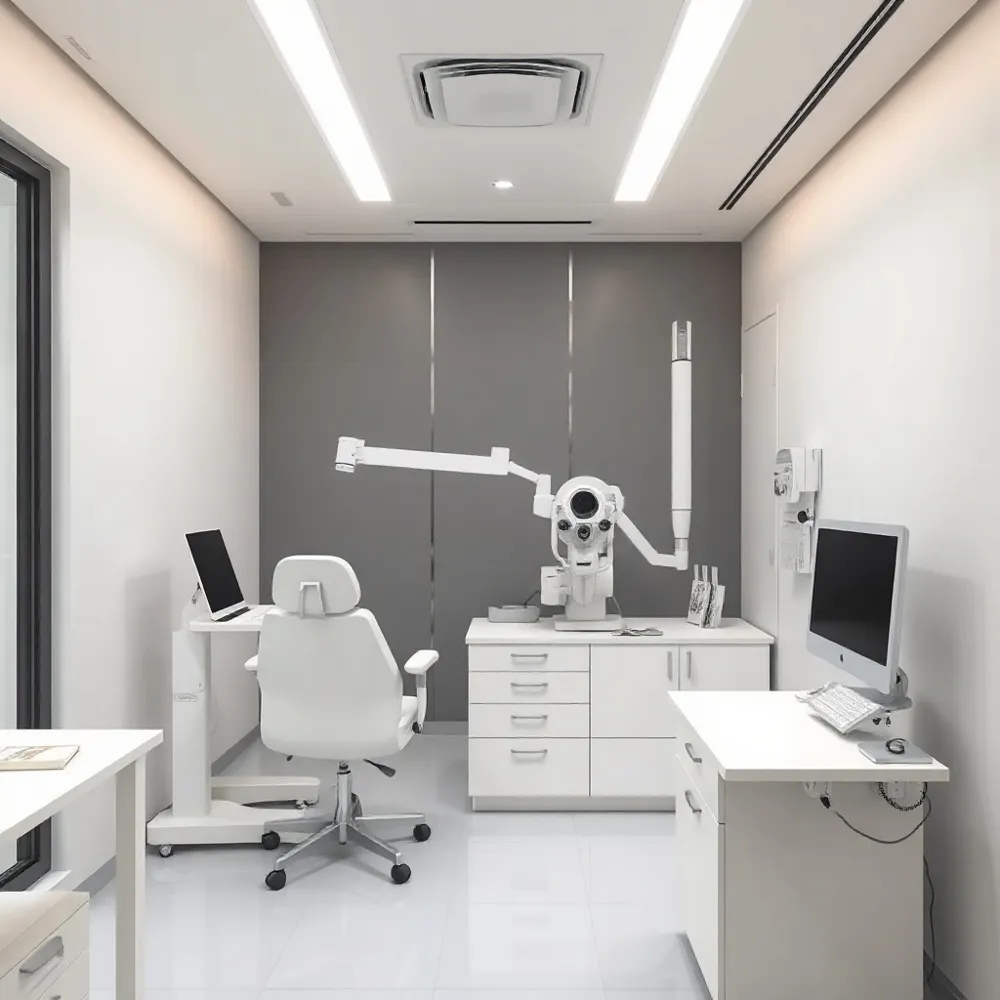 Glaucoma is a progressive optic neuropathy characterized by damage to the optic nerve head and subsequent visual field loss, per Ophthalmology Times. Frequently described as the silent thief of sight, it develops gradually without early pain or vision changes, according to the American Academy of Ophthalmology. Because of this silent progression, roughly half of those affected in the United States remain unaware they have the condition, notes the Cleveland Clinic.
At Apple Eye Care, we emphasize that early detection is the primary defense against irreversible damage. While chronic open-angle glaucoma often remains asymptomatic until peripheral vision is significantly compromised, acute angle-closure glaucoma acts as a medical emergency. This urgent form manifests with sudden, intense eye pain, nausea, vomiting, and rainbow-colored halos around lights, requiring immediate intervention to protect vision. Unlike some clinics that rely on simple screenings, our practice in El Paso utilizes advanced diagnostics to identify subtle structural changes long before they impact daily life.
Recognizing Your Personal Risk Profile
Certain demographic and health factors elevate the risk of developing glaucoma. Age is a prominent factor, with risk increasing significantly for those over 40. Ethnicity also plays a role, as African American, Hispanic, and Asian populations may face higher risks depending on the specific type of glaucoma. Furthermore, a family history of the disease, diabetes, high blood pressure, and long-term steroid use necessitate more frequent monitoring, as detailed by the American Academy of Ophthalmology.
- Advancing age, specifically 40 years and older.
- Family history of the disease.
- Underlying systemic conditions such as diabetes or hypertension.
- High intraocular pressure or thin central corneal thickness.
- Specific ethnic heritage, including African, Hispanic, or Asian descent.
Diagnostic Technology for Precision Monitoring
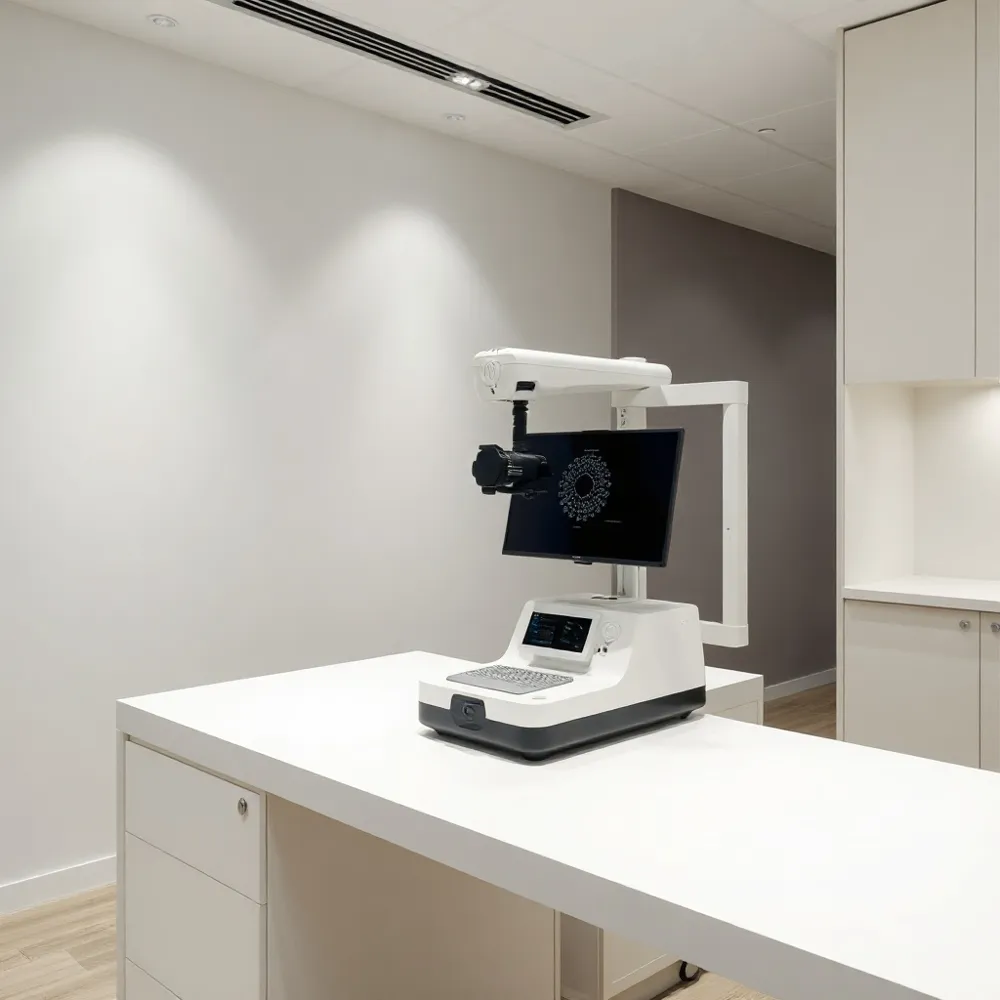 Detecting and monitoring glaucoma requires a comprehensive approach, as no single test provides a definitive diagnosis. Practitioners typically begin by measuring intraocular pressure via tonometry to check for elevated levels, though many patients maintain a normal pressure range. A thorough assessment includes evaluating the optic nerve for signs of structural changes, such as cupping or asymmetry.
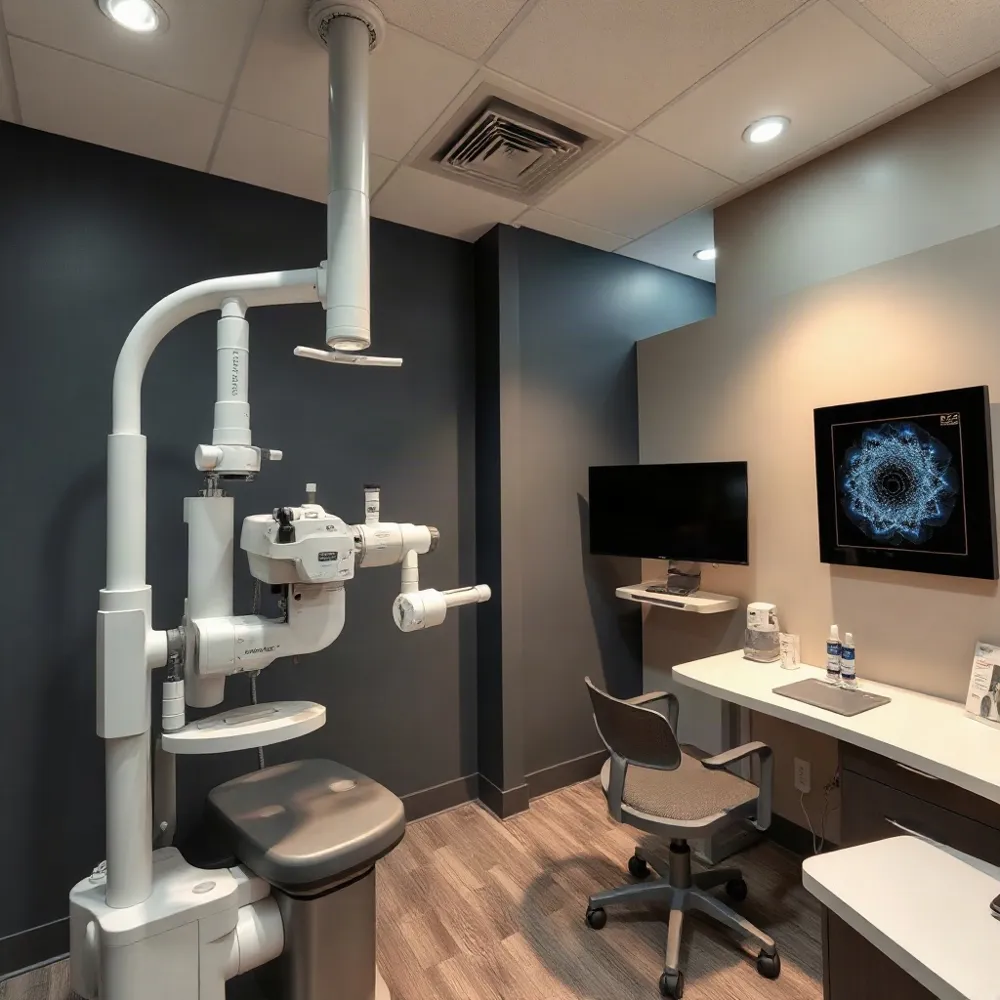
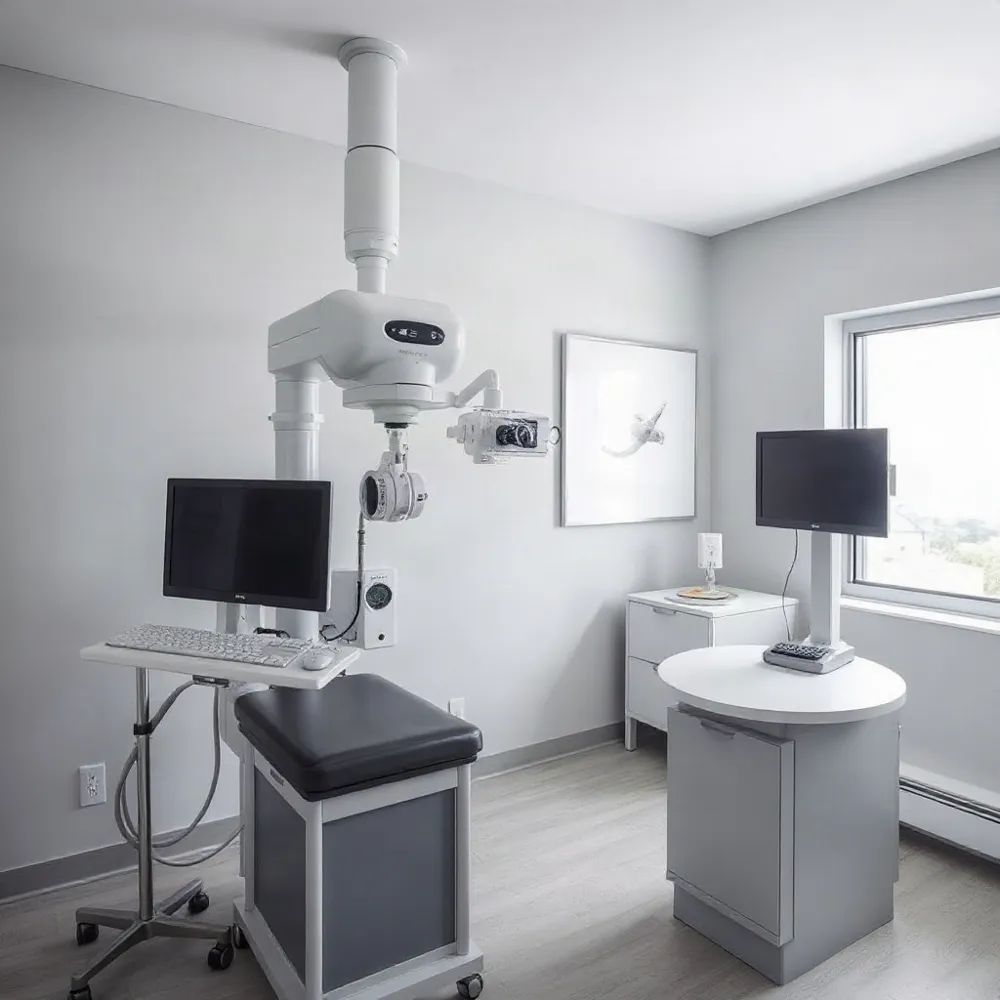
At Apple Eye Care, the team utilizes advanced diagnostics, including the DRI OCT Triton, to provide high-resolution structural imaging. This optical coherence tomography technology quantitatively measures the retinal nerve fiber layer thickness and the cup-to-disc ratio to identify damage long before it becomes visible to the naked eye. While other regional providers like El Paso Eye Surgeons rely on a mix of clinical and research-based surgical interventions, the use of objective baseline tracking through OCT allows for a more personalized approach to tracking subtle shifts in ocular anatomy.
Beyond structural imaging, visual field testing remains a cornerstone for monitoring the functional integrity of the optic nerve. By mapping peripheral vision, clinicians can detect progressive loss even when a patient is unaware of any deficit. Because glaucoma is a progressive condition, the European Glaucoma Society suggests multiple annual tests in the initial diagnostic phase to establish a reliable baseline. This consistent, data-driven monitoring enables eye care professionals to adjust treatment strategies before irreversible vision loss occurs.
Decoding Intraocular Pressure and Treatment Targets
What is considered a normal intraocular pressure range for glaucoma management? In the context of glaucoma management, it is more accurate to use the term average eye pressure rather than normal, as individual needs vary significantly. Generally, most people have an intraocular pressure between 10 and 21 mmHg, per Cleveland Clinic. However, having a reading within this range does not guarantee the absence of glaucoma, nor does a higher reading automatically confirm the presence of the disease.
At Apple Eye Care, Dr. Stephen Applebaum and his team emphasize that ocular hypertension can exist without optic nerve damage. Consequently, clinicians evaluate pressure alongside other factors like corneal thickness, optic nerve health, and visual field tests. While some local practices like El Paso Eye Surgeons focus heavily on surgical throughput, this office prioritizes a personalized target pressure specific to your anatomy to help prevent nerve damage and preserve your long-term vision.
Traditional clinic-based measurements often rely on a single data point, yet intraocular pressure is a dynamic parameter that fluctuates according to individual circadian rhythms, per Swiss Medical Weekly. A pressure reading taken during an afternoon appointment may fail to capture nocturnal spikes that potentially contribute to optic nerve damage. Because single measurements during clinic hours often provide an incomplete picture, newer technological advancements are shifting the focus toward continuous 24-hour monitoring.
- Goldmann Applanation Tonometry remains the clinical standard but offers only a snapshot of pressure.
- Continuous 24-hour monitoring technologies can capture IOP fluctuations that occur outside of standard office visits.
- Individual target pressures are frequently adjusted based on the rate of disease progression and the results of structural imaging, such as OCT scans.
- Strict adherence to monitoring schedules is essential because the target safe IOP level for a patient is individual and may change over time, according to Glaucoma Australia.
Advanced Interventions for Progressive Disease
Managing glaucoma involves a multi-layered approach to protecting the optic nerve when standard care requires more aggressive intervention. While initial therapy often relies on prescription eye drops to manage fluid outflow, advancing disease may necessitate surgical paths. Procedures like Selective Laser Trabeculoplasty or laser iridotomy offer non-invasive ways to improve drainage and lower pressure.
For patients where medical or laser therapy proves insufficient, surgical options like trabeculectomy or Minimally Invasive Glaucoma Surgery (MIGS) provide effective alternatives. At Apple Eye Care, we integrate these management strategies by leveraging advanced diagnostics, such as the DRI OCT Triton, to track subtle structural changes before they impact daily function.
Can glaucoma be cured, and is it possible to reverse vision loss?
Currently, there is no cure for glaucoma, and any vision lost to the disease is generally considered permanent, per the American Academy of Ophthalmology. While medical researchers are working on advanced regenerative therapies, these remain in the developmental stages. Significant clinical evidence suggests that certain surgical interventions can lead to a sustained, long-term improvement in visual function for some patients by relieving pressure-related stress on struggling nerve cells. Because early detection is critical, regular eye exams are essential to monitor your eye health and prevent further progression. At Apple Eye Care, we focus on managing intraocular pressure and protecting your remaining vision through early diagnosis and personalized, modern care.
What defines advanced glaucoma and how does it manifest symptomatically?
Advanced glaucoma is characterized by significant, permanent damage to the optic nerve fibers, resulting in a substantial loss of visual field, as noted by the Glaucoma Research Foundation. While early stages are often asymptomatic, the advanced stage manifests as a noticeable narrowing of the field of view, commonly described as tunnel vision. Patients at this stage may struggle with central vision tasks, making daily activities like reading or navigating unfamiliar environments difficult. Because the progression is gradual and painless, individuals often do not realize the extent of the damage until central vision is severely compromised. Regular, professional eye exams at Apple Eye Care are essential for detecting this condition before it reaches such a debilitating, advanced state.
Lifestyle Choices to Support Long-term Eye Health
 Managing glaucoma requires a commitment to your long-term health beyond clinical visits. While medical treatments like prescribed eye drops remain the foundation of eye pressure control, consistent lifestyle habits provide essential support for optic nerve health.
What lifestyle modifications and protective measures can help manage glaucoma?
Daily habits can influence your intraocular pressure and blood flow. A heart-healthy diet rich in fruits, vegetables, and lean proteins helps maintain circulation to the optic nerve, as noted by BrightFocus Foundation. It is wise to monitor caffeine intake, as high levels may elevate pressure, and avoid rapid, large fluid consumption.
Physical activity supports systemic health, but specific movements matter. Moderate, consistent exercise like brisk walking helps lower pressure, per AAO. However, avoid activities involving prolonged head-down positions, such as inversion tables or certain yoga poses, which can spike pressure. Additionally, protect your eyes from physical injury with safety eyewear during sports or home projects, and ensure you maintain good sleep posture by keeping your head slightly elevated.
Can I maintain my vision if I have been diagnosed with glaucoma?
Maintaining vision after a diagnosis is highly achievable through proactive care and consistent adherence to treatment plans. At www.appleeyecare.com, Dr. Stephen Applebaum and his team emphasize that following your specialized treatment plan is the most reliable way to slow disease progression and protect optic nerve fibers. While competitors may offer research-based surgical interventions, the personalized approach at our practice ensures that every patient receives tailored monitoring using advanced tools like the DRI OCT Triton to catch subtle changes early.
Regular follow-up appointments allow your care team to track treatment efficacy and adjust your strategy as needed. By combining medical diligence with these supportive lifestyle habits, you can play an active role in safeguarding your vision for years to come.
Personalized Care and Future Innovations
How is the effectiveness of glaucoma treatment monitored over time?
Effective glaucoma management relies on a comprehensive ongoing monitoring approach that extends beyond simple pressure checks. Clinicians evaluate treatment success by combining regular intraocular pressure measurements with detailed structural and functional assessments. While tracking pressure helps gauge medication impact, doctors must also monitor the optic nerve for physical changes using high-tech imaging like the DRI OCT Triton to ensure disease stability. Apple Eye Care prioritizes these diagnostic insights to track nerve health and identify subtle signs of damage.
Visual field testing remains essential for detecting functional loss, which might indicate that current therapeutic levels are insufficient. If the condition progresses despite lower pressure, clinicians often conduct a broader systemic health assessment to investigate contributing factors such as vascular dysregulation or obstructive sleep apnea. By integrating these diagnostic tools, the team at Apple Eye Care ensures that your treatment plan remains personalized to your specific clinical needs, effectively protecting your long-term vision.
What are the latest innovations and emerging treatments for glaucoma?
Traditional care focuses on reducing pressure through medicated eye drops, laser therapy, or surgery. Current research is expanding into neuroprotective and regenerative approaches that aim to preserve the delicate optic nerve. Scientists are investigating innovative therapies, including implants that could eventually bypass the need for daily medication, as well as regenerative methods that target the repair of damaged nerve fibers.
Collaborative research initiatives work to decode the early cellular mechanisms of glaucoma to unlock more effective interventions. While these advancements remain in development, they offer significant hope for patients seeking alternatives to standard surgical procedures. At Apple Eye Care, the commitment to patient-centered care ensures that patients have access to the latest diagnostic technologies while benefiting from a compassionate, personalized approach that remains responsive to these evolving breakthroughs in eye health.
Empowering Your Journey with Professional Support
Effective management of a progressive condition like glaucoma requires a sustained partnership with an eye care specialist. Because glaucoma often lacks early symptoms, regular comprehensive eye exams serve as the primary tool for preserving your vision over time.
At Apple Eye Care, patients in El Paso receive personalized attention led by Dr. Stephen Applebaum. The team utilizes advanced diagnostics, such as the DRI OCT Triton, to track subtle structural changes that traditional screenings might miss. By integrating sophisticated technology with compassionate, ongoing care, the practice ensures that treatment plans are tailored to your specific needs, helping you stay ahead of potential vision loss.