A Family-Focused Approach to Eye Health
Routine eye exams are critical for overall health, yet many adults mistakenly assume their vision is fine without professional evaluation. At Apple Eye Care, Dr. Stephen Applebaum provides personalized, family-focused care that ensures every member of your household receives the attention they need. Unlike basic vision screenings that may miss underlying concerns, our comprehensive exams evaluate the entire ocular system.
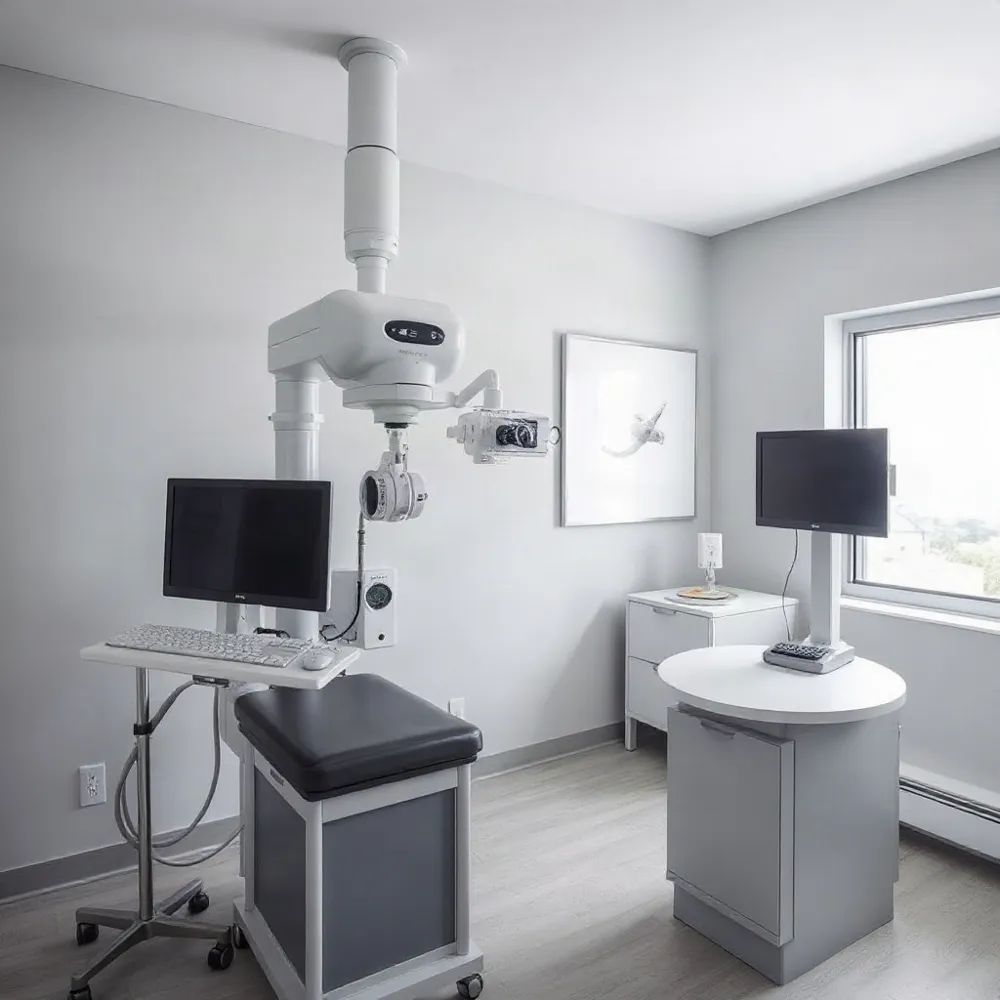
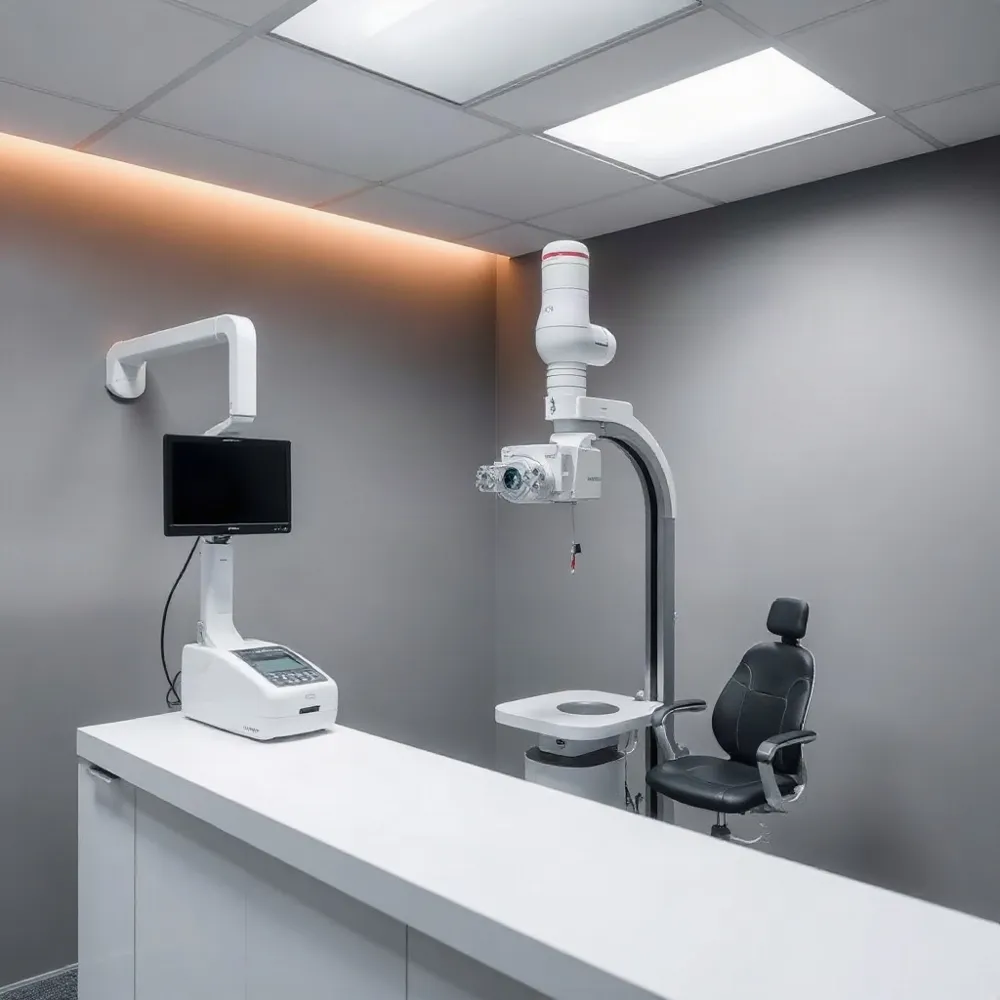
Using advanced tools like the DRI OCT Triton, we offer precise diagnostics for patients of all ages, from children needing early intervention to seniors managing age-related changes. While some centers focus solely on quick prescriptions, our El Paso practice prioritizes long-term wellness through tailored treatment plans, ensuring your family maintains clear, comfortable vision for years to come.
Why Regular Eye Exams Are Essential for All Ages
 Many serious eye conditions lack obvious signs in their early stages, making professional evaluations crucial for maintaining long-term vision. Conditions such as glaucoma, cataracts, and age-related macular degeneration often progress without symptoms, meaning problems may be well-established before they affect your daily life. Regular comprehensive eye exams allow your eye care team to identify these risks early, significantly improving the success of treatment and preventing irreversible vision loss.
Beyond surface vision, your eyes offer a window into your overall physical health. An experienced optometrist can identify early warning signs of more than 270 chronic diseases, including diabetes, autoimmune disorders, and high blood pressure, by examining the blood vessels at the back of the eye. For example, patients at Apple Eye Care receive a thorough health evaluation that detects systemic indicators often missed during standard, limited vision screenings. This capability allows Apple Eye Care to provide precision diagnostics using advanced technology like the DRI OCT Triton to catch issues at their earliest stages.
Consistent visits also ensure your vision prescriptions stay aligned with your current needs, addressing refractive errors that cause headaches and fatigue. While online tools may suggest they can update a prescription, they lack the diagnostic depth required to monitor eye health or structure a personalized therapy plan. Whether you are a student requiring annual check-ups or an adult managing digital eye strain, routine professional care remains the most effective form of preventative medicine. At Apple Eye Care, the team focuses on these recurring evaluations to keep your vision sharp and your comfort high, ensuring that any necessary adjustments are made through a lens of total ocular health rather than simple refraction.
Understanding Comprehensive Eye Exams and Services
Eye care services encompass the clinical assessments and resources vital to improving visual acuity and long-term ocular health. Unlike basic vision screenings, which often focus exclusively on identifying a need for corrective lenses, a comprehensive eye exam serves as a full-scale medical evaluation. These screenings can miss up to one-third of children with vision disorders, whereas a professional exam provides the deep diagnostic data necessary for early detection of systemic health issues.
At Apple Eye Care, Dr. Stephen Applebaum and his team utilize advanced technology like the DRI OCT Triton to visualize blood vessels and retinal structures without invasive procedures, X-rays, or CT scans. This state-of-the-art diagnostic tool allows for precise monitoring of eye health conditions such as glaucoma or cataracts that frequently lack early symptoms. Patients receive personalized treatment plans that extend beyond simple refraction to address specific needs like dry eye management, sports vision, and computer-related strain.
- Thorough review of personal and family medical history
- Visual acuity testing to update prescription accuracy
- Assessment of eye muscle movement and coordination
- Evaluation of peripheral vision and depth perception
- Color vision testing to identify potential deficiencies
- Screening for internal eye pressure to detect glaucoma risk
While online testing apps may offer a fleeting sense of convenience, they primarily focus on basic refraction and fail to provide the detailed, diagnostic health data required for a complete comprehensive dilated eye exam. Relying on these metrics can create a false sense of security, delaying critical interventions for serious conditions like diabetic retinopathy. Professional care ensures each patient receives a tailored, in-person assessment that protects your vision for the long term.
How Often Should Your Family Visit the Optometrist?
Routine comprehensive eye exams are vital for maintaining ocular health, as many vision-threatening conditions often develop without early warning signs. For adults aged 18 to 39, the American Optometric Association recommends exams every two years, or annually if you use corrective lenses. As you reach age 40, a baseline comprehensive exam is essential, with follow-ups typically occurring every two to four years until age 54, and every one to three years until age 64.
For adults 65 and older, exams should be scheduled annually to monitor for age-related conditions like cataracts, glaucoma, and macular degeneration. At Apple Eye Care, Dr. Stephen Applebaum and his team utilize advanced diagnostic technology like the DRI OCT Triton to catch potential issues early, providing personalized care that adapts as your needs change over time. Residents in El Paso can conveniently book these essential screenings online.
Children also require consistent screenings to ensure healthy development. The CDC notes that vision is a critical component of learning. Infants should have their first assessment between 6 and 12 months, followed by checks at ages 3 to 5 and again before entering first grade. If your family has a history of high blood pressure, diabetes, or other systemic health conditions, or if you wear contact lenses, you may need more frequent evaluations to safeguard your vision and overall systemic health.
Systemic Diseases Your Eye Doctor Can Detect
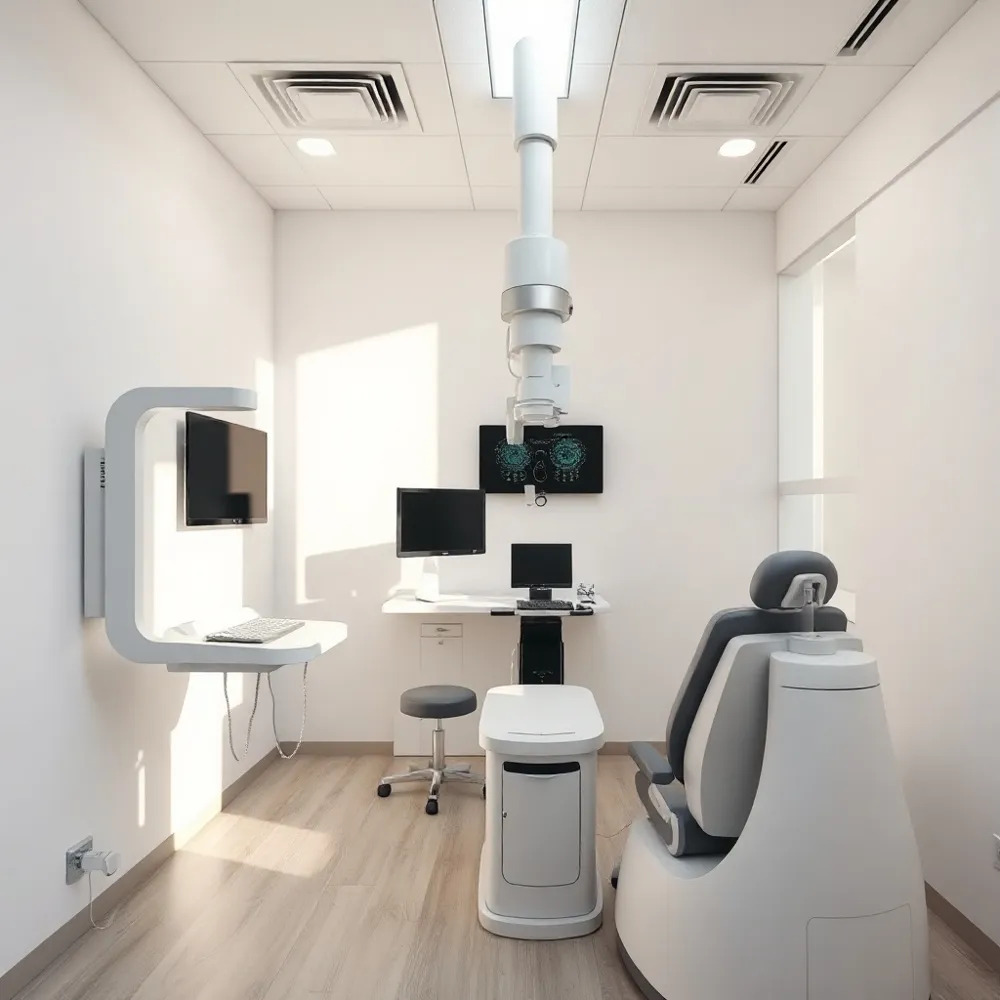 A comprehensive eye exam is a powerful diagnostic tool that allows optometrists to identify early warning signs of more than 270 systemic and chronic diseases. This is possible because the back of the eye provides a unique, non-invasive view of your body's blood vessels, which can be visualized directly without requiring X-rays, CT scans, or surgery.
What systemic diseases can be identified through an eye exam?
By examining the eye's internal structures, your doctor often detects indicators of health conditions before other symptoms manifest. Significant conditions frequently identified during these evaluations include diabetes, high blood pressure, and various autoimmune diseases. Changes in retinal blood vessels can also signal high cholesterol or an elevated risk for cardiovascular issues like stroke. For patients with diabetes specifically, annual dilated eye exams are mandatory for early detection of diabetic retinopathy, which, when found early, can prevent or delay blindness in 90% of cases.
Professional care at a practice like Apple Eye Care ensures these health markers are assessed alongside your vision needs. While some providers offer simple screenings, a comprehensive examination by Dr. Stephen Applebaum or his team allows for advanced diagnostics that prioritize your systemic health. According to the AOA, one in five patients discovers a non-eye-related health issue during a routine visit, proving that your eyes truly serve as a window into your total wellness.
Daily Habits for Lifelong Vision Health

What are some effective daily habits for maintaining long-term eye health and preventing vision loss?
Maintaining long-term eye health requires a combination of a nutritious diet and proactive daily habits. Consuming foods rich in vitamins C and E, zinc, lutein, zeaxanthin, and omega-3 fatty acids helps lower the risk of serious conditions like age-related macular degeneration and cataracts. In addition to a balanced diet, it is essential to practice the 20-20-20 rule if you spend significant time on digital screens to reduce eye strain. Protecting your eyes from ultraviolet rays by wearing sunglasses that block 99% to 100% of UVA and UVB radiation outdoors year-round is another critical step in preventing long-term damage. Furthermore, lifestyle choices such as regular physical activity and smoking cessation contribute to better systemic health, which supports overall ocular function.
How can I protect my vision while using digital devices like smartphones?
To protect your vision while using digital devices, apply the 20-20-20 rule by taking a 20-second break every 20 minutes to look at an object at least 20 feet away. Make a conscious effort to blink more frequently to restore the tear film, which reduces dryness and keeps your eyes comfortable. Position screens at arm's length, slightly below eye level, to minimize strain during prolonged use. At Apple Eye Care, we utilize advanced diagnostics to assess how your daily habits affect your ocular comfort and can provide personalized solutions for persistent dryness or fatigue. Finally, remember that protective eyewear is just as important as screen habits; always wear safety glasses during home repairs or sports to prevent trauma and ensure your vision remains sharp.
Specialized Care for Children and Seniors
Vision is a foundational component of development, with the CDC recommending a first comprehensive eye exam at six months of age to establish a baseline. Early professional evaluation is vital for detecting conditions like amblyopia, strabismus, and convergence insufficiency, each of which can significantly hinder a child's academic performance and reading ability. While basic vision screenings exist, they are not substitutes for clinical exams performed by specialists.
At Apple Eye Care, Dr. Stephen Applebaum and his team utilize advanced diagnostics like the DRI OCT Triton to provide precise, age-specific care for our youngest patients. This focus on clear communication and tailored treatment ensures that children feel comfortable while receiving high-quality eye health assessments. By identifying refractive errors or coordination issues early, we help children reach their full potential in the classroom and beyond.
As patients enter their senior years, the focus shifts toward the proactive management of age-related conditions. Routine annual exams are essential to monitor for cataracts, glaucoma, and macular degeneration, many of which lack early symptoms. Beyond eye health, maintaining sharp vision is linked to cognitive function, with evidence suggesting that preserving visual acuity may help lower the risk of cognitive decline.
Apple Eye Care emphasizes personalized management plans for seniors in El Paso to ensure they enjoy their independence with comfortable, clear sight. Our practice provides a supportive environment for patients of all ages, combining modern clinical technology with the attentive, compassionate care necessary for long-term ocular health.
Prioritize Your Family's Vision Today
Consistency in scheduling professional eye care is the most effective strategy for guarding your family's long-term visual health. Rather than waiting for symptoms, regular visits allow for the early detection of asymptomatic conditions like cataracts or glaucoma, which the CDC notes often develop without warning. Because every family member faces different needs, these check-ups should be customized based on individual age, family history, and existing health factors.
In addition to clinical assessments, small daily changes support eye longevity. Adopting the 20-20-20 rule helps mitigate digital strain, while a nutrient-rich diet provides essential protection against macular degeneration. At Apple Eye Care, Dr. Stephen Applebaum and his team utilize advanced diagnostics like the DRI OCT Triton to create personalized treatment plans for every patient. Protecting your vision starts here, and you can visit www.appleeyecare.com to book your next comprehensive exam today.