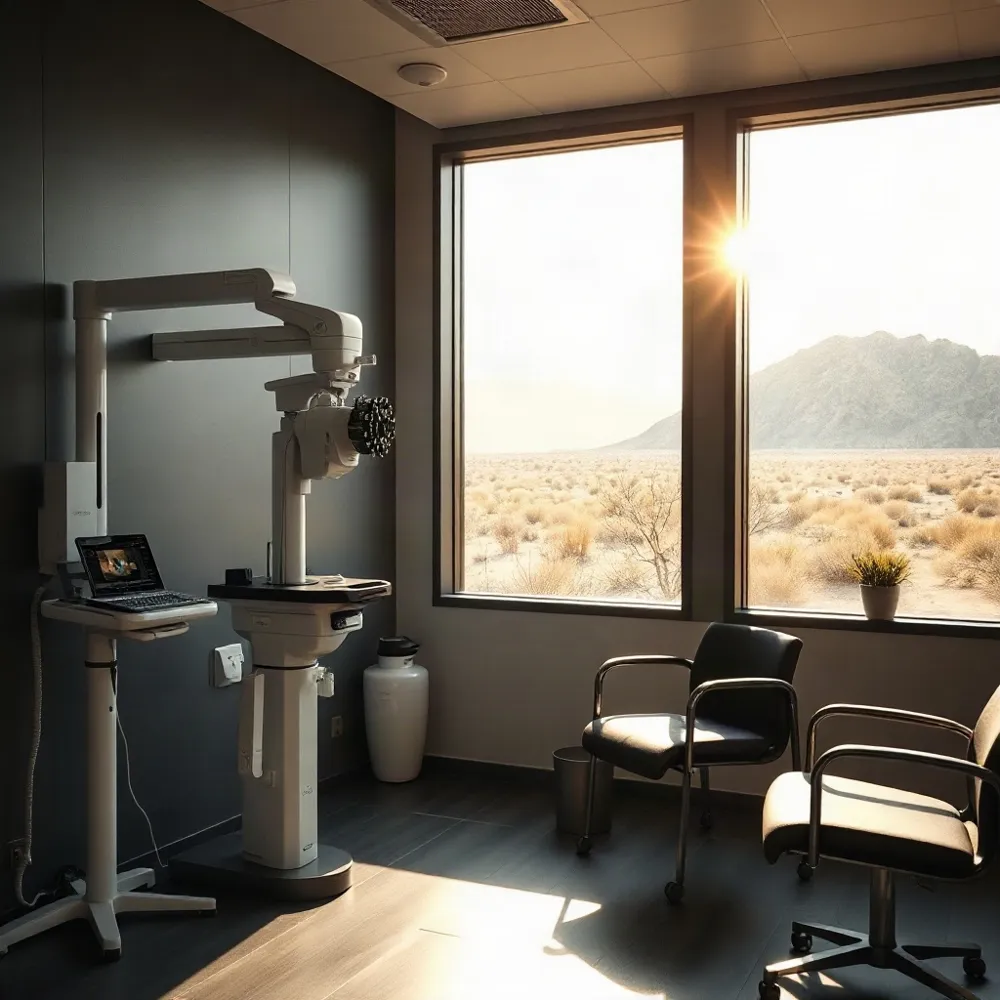
A Convenient First Step
When vision changes or a routine eye check is due, arranging an appointment is a practical way to begin. Blurry vision, trouble seeing at night, or glare can be reasons to seek an assessment, but symptoms alone do not identify their cause.
An appointment creates an opportunity for an eye-care professional to examine your eyes and discuss what you are experiencing. Booking does not diagnose a condition, determine whether treatment is needed, or guarantee an earlier visit. Apple Eye Care provides eye exams and advanced diagnostics, including DRI OCT Triton, as part of its optometry services in El Paso.
For cataracts, a clinician considers whether vision interferes with everyday activities before recommending surgery, and an examination helps assess other eye conditions that may affect care. Mayo Clinic’s overview of cataract surgery explains the role of evaluation and treatment planning. Apple Eye Care also provides cataract and glaucoma management, with care guided by an individual’s eye health.
When to Arrange an Eye Exam
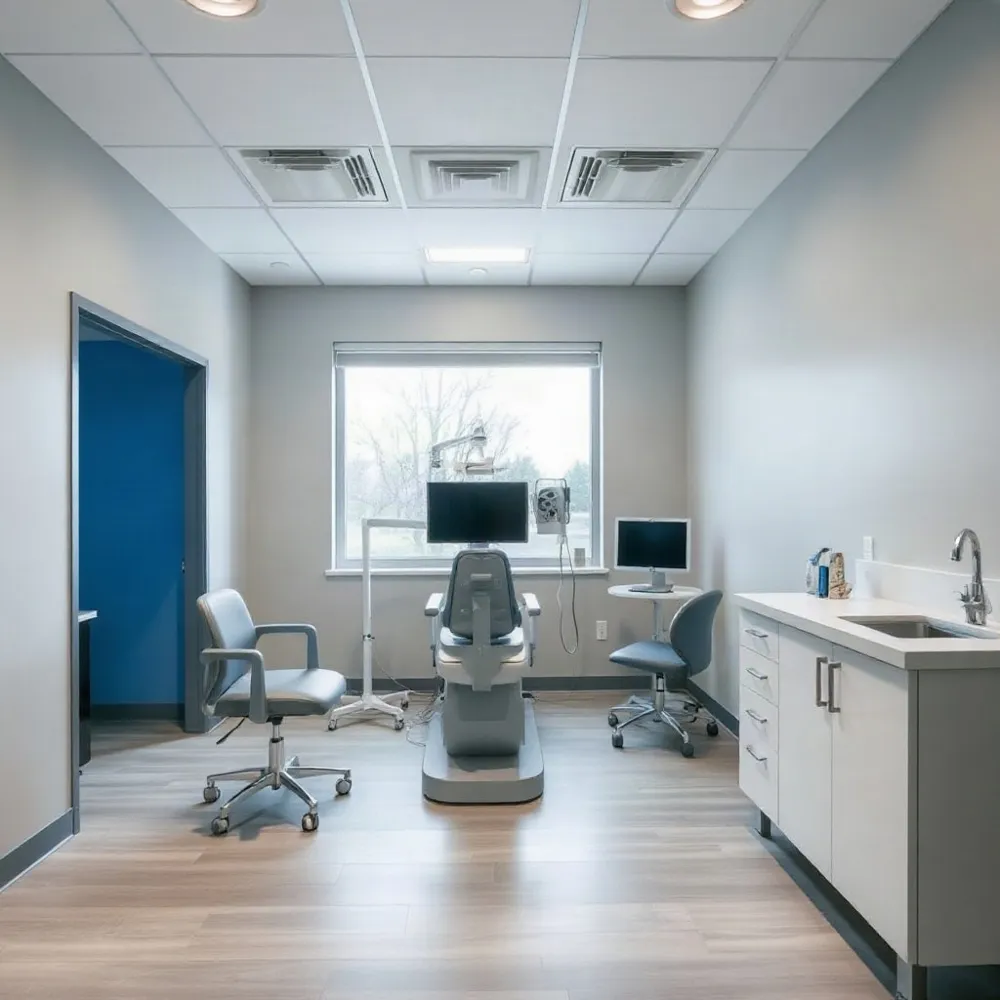 A comprehensive eye exam can assess more than how clearly you see. It gives an eye-care professional a chance to check eye health and decide whether symptoms or findings need further evaluation. At Apple Eye Care in El Paso, eye exams and advanced diagnostic imaging, including DRI OCT Triton, support individualized assessment.
How often should I have a comprehensive eye exam?
For many healthy adults, an exam every one to two years is a reasonable general guideline, but the right interval depends on age, vision, health, and risk factors. Children, adults over 60, people with diabetes or glaucoma risk, and anyone with changing vision or another eye condition may need more frequent visits. Contact lens wearers also need regular checkups. An optometrist can recommend a schedule suited to each person.
Do not wait for a routine visit if you develop sudden vision changes, eye pain, flashes of light, or new floaters. Seek prompt professional care so the cause can be assessed.
What should I do to prepare for an eye doctor appointment?
Write down changes in your vision, symptoms, and questions beforehand. Bring your glasses and contact lenses, your latest prescription if available, a medication list, relevant personal and family medical history, and vision insurance information. If dilation is expected, bring sunglasses and consider arranging a ride because your vision may be temporarily blurred and light-sensitive.
Virtual Checks Have Limits
Can an eye exam be done virtually? Some virtual services can check visual acuity or help with a prescription renewal, but they are not the same as a comprehensive eye examination. Whether a virtual check is appropriate depends on provider criteria, state rules, and the person’s symptoms and eye-health history.
Online testing cannot provide a detailed examination of the retina and optic nerve, so it may miss conditions such as cataracts or glaucoma. A comprehensive eye exam can assess eye health beyond how clearly a person sees. Apple Eye Care offers in-person exams and advanced diagnostic imaging with DRI OCT Triton as part of its eye-care services.
Arrange an in-person assessment for new vision changes, ongoing eye conditions, or a complete evaluation. Sudden vision loss, eye pain, flashes, or new floaters warrant prompt attention. If you are unsure which type of appointment is appropriate, contact an optometrist. Scheduling tools may make arranging a visit more convenient, but booking digitally does not diagnose or treat an eye condition, and Apple Eye Care’s booking options should be confirmed directly with the practice.
Understanding Cataract Treatment
 A cataract develops when the eye’s natural lens becomes cloudy, making vision blurry or causing glare. Surgery removes the clouded lens and replaces it with an artificial intraocular lens (IOL).
Can cataracts be treated without surgery?
Cataract surgery is the established treatment that removes a cataract. Eye drops, vitamins, supplements, and medicines do not reverse it. For mild symptoms, updated glasses, brighter lighting, and reducing glare may help for a time, but these measures do not stop the cataract from progressing.
Surgery may be considered when vision interferes with everyday activities. The timing is a decision to make with an eye-care professional, and it can often wait when vision remains adequate. At Apple Eye Care, cataract management is part of a broader optometry service that includes eye exams and advanced diagnostics, which help inform an evaluation of eye health.
What types of cataract surgery are available, and what affects the cost?
The common phacoemulsification approach uses ultrasound to break up the cloudy lens before it is removed. The artificial lens is placed inside the remaining lens capsule. Cataract surgery is generally performed as an outpatient procedure, so patients usually go home the same day, as Mayo Clinic explains.
Lens options include monofocal lenses, toric lenses that correct astigmatism, and multifocal or extended-depth-of-focus lenses. An eye doctor measures the eye and considers its health and the patient’s vision needs before recommending an option. Not every lens is suitable for every person, and patients may still need glasses for some activities.
The cost may depend on insurance coverage, deductibles, the surgeon and facility, the surgical plan, and the lens or technology selected. Coverage and out-of-pocket expenses vary, so ask the surgeon and insurer for an estimate based on your individual plan and care needs.
Surgery and the Recovery Period
Cataract surgery removes the cloudy natural lens and replaces it with a clear artificial lens. In the common phacoemulsification procedure, ultrasound breaks up the cloudy lens, which is then suctioned out; the artificial lens is placed in the remaining lens capsule. Mayo Clinic’s cataract surgery overview explains the procedure and recovery.
The operation is generally done as an outpatient procedure, and the surgical portion typically takes an hour or less. Preparation and recovery add time at the facility, and patients usually go home the same day with someone else driving.
During the first day, vision may be blurry or cloudy, and the eye may feel mildly scratchy or sensitive to light. Use prescribed drops and a protective shield as directed, avoid rubbing or bumping the eye, and follow the surgeon’s individual instructions about activity and returning to normal routines.
Vision often starts to improve within a few days, but complete healing may take up to eight weeks. Follow-up visits let the care team check healing, and some patients still need glasses at least part of the time. Apple Eye Care’s optometry services include cataract management, allowing an examination to help guide care and follow-up needs.
Complications are uncommon, but risks can include infection, swelling, retinal detachment, or vision loss. Other eye conditions, including glaucoma, may affect surgical risk or limit visual improvement. Contact the surgeon promptly about worsening pain, sudden vision loss, increasing redness, or unusual discharge.
Planning Care for Cataracts and Glaucoma
 Cataracts and glaucoma can affect the same person, but they involve different parts of the eye and may need separate or coordinated care. At Apple Eye Care in El Paso, cataract and glaucoma management begins with an eye examination and assessment of overall eye health.
Can cataracts and glaucoma be managed or treated at the same time? Sometimes. An ophthalmologist weighs how much the cataract affects daily activities, how well glaucoma is controlled, its severity, medication effects, and the condition of the eye before recommending a plan. The American Academy of Ophthalmology’s guidance on combined cataract and glaucoma surgery stresses that the right approach depends on an individual examination.
For some people with mild to moderate open-angle glaucoma, minimally invasive glaucoma surgery, or MIGS, may be performed alongside cataract surgery. More severe or poorly controlled glaucoma may call for a different procedure. Options can include treating glaucoma first, removing the cataract alone, or combining procedures when the clinical findings support it.
MIGS may reduce the need for glaucoma medication for some patients, but it may not eliminate medication use. Cataract surgery also does not reliably control glaucoma, so follow-up and ongoing monitoring remain important. Apple Eye Care’s advanced diagnostics, including DRI OCT Triton imaging, can contribute to evaluating eye health; the clinician determines which tests and care are appropriate.
Arranging an evaluation gives a clinician the opportunity to assess symptoms and discuss next steps. Booking a visit alone does not establish a diagnosis or determine whether combined surgery is suitable.
Let an Examination Guide the Next Step
Making an appointment starts an evaluation, not a predetermined treatment plan. An eye-care professional can assess your vision and eye health, then discuss whether monitoring, further testing, or treatment is appropriate. For cataracts, surgery is generally considered when vision interferes with usual activities, and an examination helps guide that decision (Mayo Clinic’s cataract surgery overview).
When contacting a practice, ask what appointment options are available and whether you should bring medication details, insurance information, or questions about your symptoms. Apple Eye Care provides eye exams and cataract and glaucoma management in El Paso, with advanced diagnostic imaging using DRI OCT Triton.
Care depends on the findings and your needs. An ophthalmologist may consider combined cataract and glaucoma surgery for some patients, but the American Academy of Ophthalmology notes that suitability depends on an examination and factors such as pressure control and how cataracts affect daily life (AAO guidance on combined surgery). Discuss changing vision or concerns about glaucoma with your eye-care professional so the next step fits your circumstances.