Why Personalized Eye Care Matters
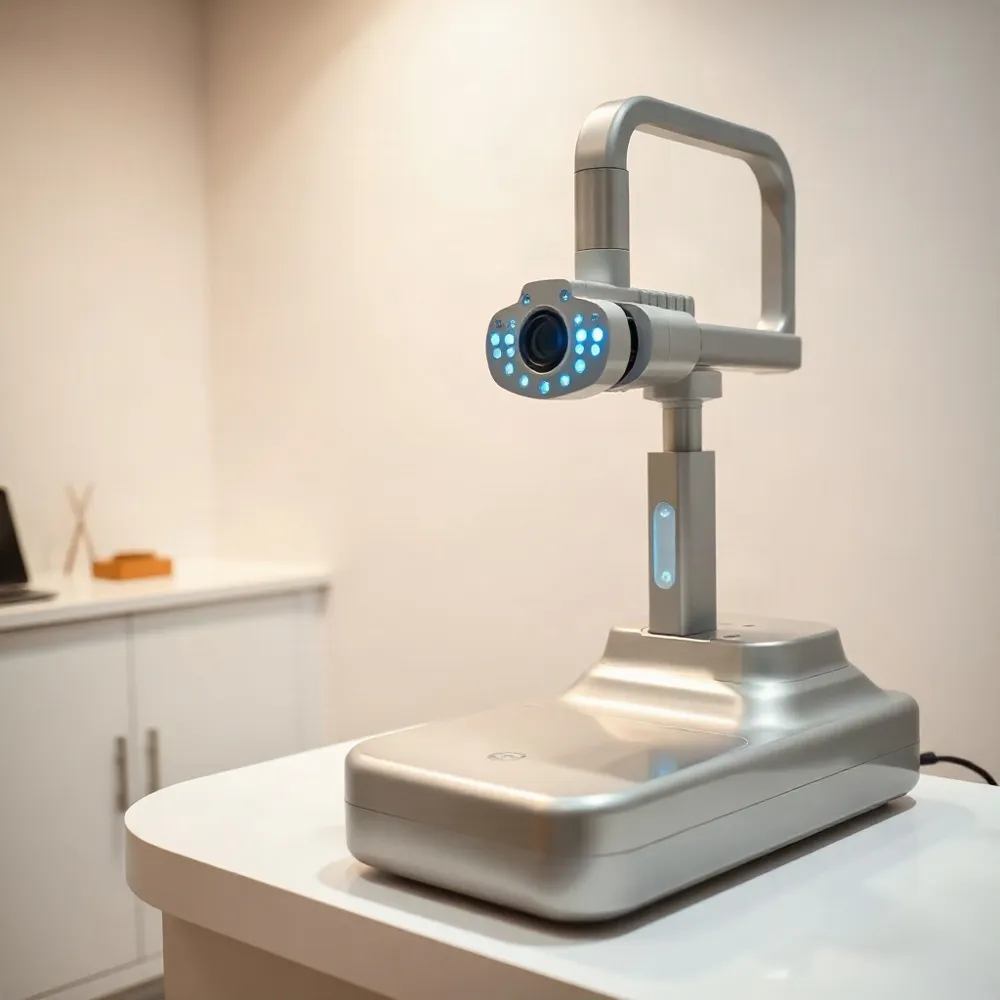
Personalized care plans are individualized strategies that combine a patient’s medical history, lifestyle, visual goals, and risk factors into a single, adaptable roadmap for eye health. For chronic eye diseases such as glaucoma, dry‑eye syndrome, cataracts, and diabetic retinopathy, these plans improve outcomes by tailoring monitoring frequency, medication regimens, and lifestyle recommendations to each person’s disease severity and daily demands. Modern diagnostics—especially high‑resolution optical coherence tomography like the DRI OCT Triton—provide detailed retinal and optic‑nerve images that detect subtle changes early, allowing clinicians to adjust treatment before vision loss occurs. By integrating imaging data with electronic health records, practices such as Apple Eye Care can deliver real‑time, evidence‑based recommendations, enhance patient education, and boost adherence. The result is a proactive, family‑focused model that not only preserves sight but also aligns care with the unique needs of every patient.
Advanced Imaging with DRI OCT Triton: The Backbone of Individualized Treatment
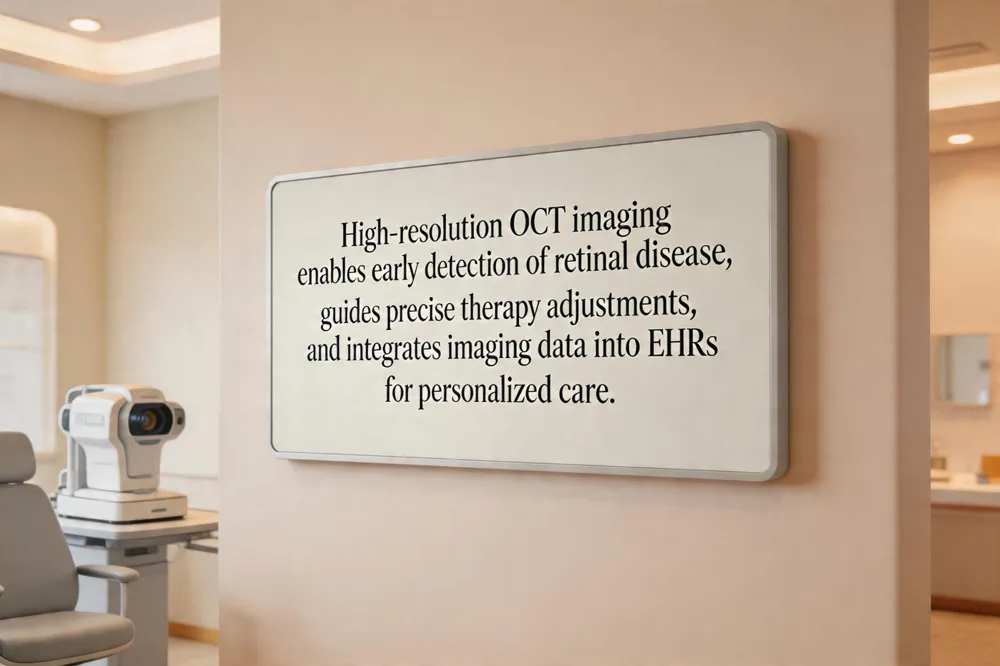 The DRI OCT Triton provides high‑resolution, cross‑sectional images of retinal layers and the optic nerve, allowing clinicians to spot subtle structural changes that signal early glaucoma, macular degeneration, or diabetic retinopathy. By comparing serial OCT scans, eye‑care teams can detect disease progression before symptoms appear and adjust therapy promptly. This granular data drives personalized medication regimens—such as fine‑tuning intra‑ocular pressure‑lowering drops for glaucoma—or informs surgical planning, guiding the selection of intra‑ocular lens types for cataract surgery and determining the timing of laser or anti‑VEGF interventions for macular disease. Apple Eye Care in El Paso integrates OCT results into its electronic health record, ensuring that each patient’s treatment plan reflects the latest imaging findings, lifestyle factors, and disease severity, ultimately improving adherence and long‑term visual outcomes.
Chronic Conditions, Customized Strategies
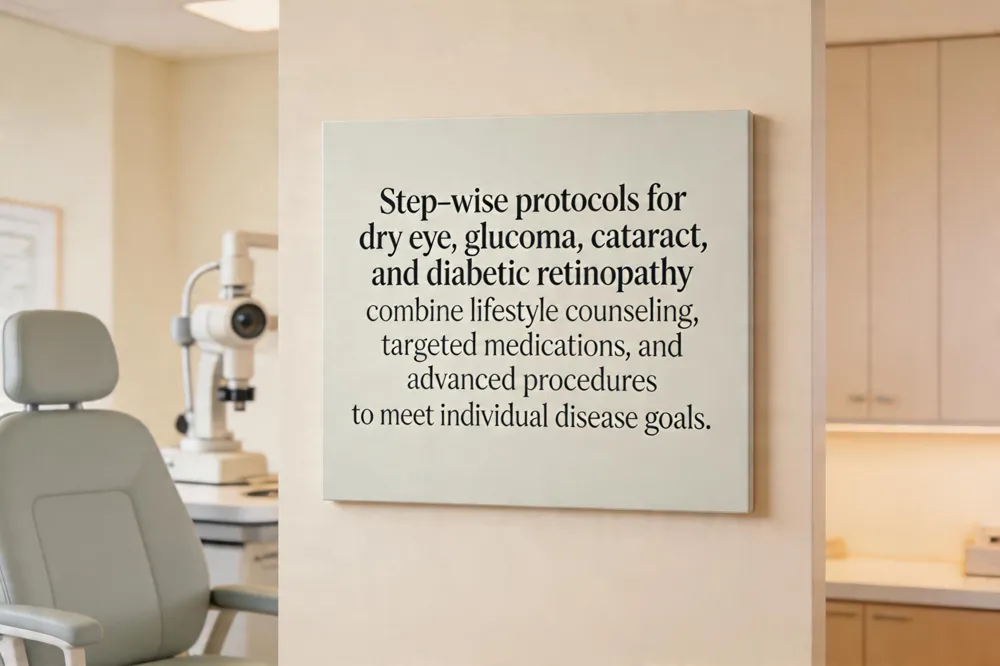 In managing dry‑eye syndrome, Apple Eye Care follows a step‑wise protocol that begins with lifestyle counseling—regular breaks from screens, humidifier use, and omega‑3 rich diet—then progresses to prescription lubricants, anti‑inflammatory drops, punctal plugs, and, when needed, non‑invasive IPL or LM‑LLLT therapies. For glaucoma, the team establishes individualized target intra‑ocular pressure (IOP) goals based on optic‑nerve imaging (DRI OCT Triton) and visual‑field loss, then tailors medication regimens (e.g., prostaglandin analogs, Rho‑kinase inhibitors) and selects laser or minimally invasive surgery (iStent, XEN) to achieve those targets. Cataract patients receive personalized intra‑ocular lens (IOL) choices—multifocal, toric, or extended‑depth‑of‑focus—aligned with their visual priorities, occupational demands, and corneal astigmatism. Diabetic retinopathy is monitored with high‑resolution OCT scans; any sign of macular edema or progression triggers a prompt referral for anti‑VEGF injections, ensuring timely disease control while the patient continues routine blood‑sugar and blood‑pressure management.
Digital Assistants and Remote Monitoring: Extending Care Beyond the Office
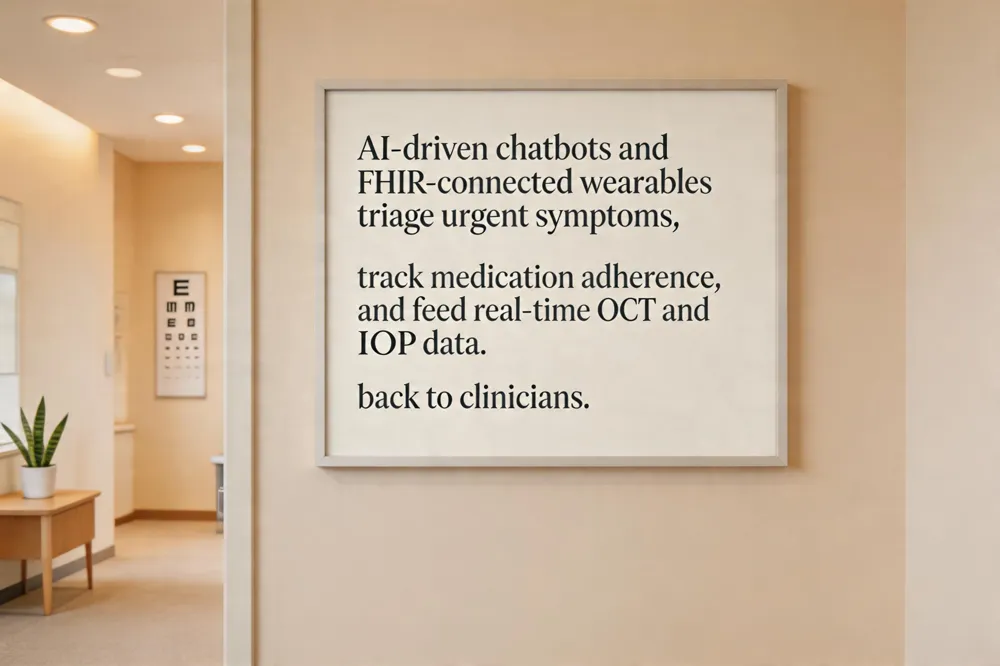 Ophthalmology chatbots now serve as the first point of contact, using automated symptom assessments to triage urgent cases—such as sudden vision loss or severe eye pain with accuracy rates exceeding 90 % in recent studies. They also deliver personalized education on dry‑eye management, cataract recovery, and glaucoma self‑monitoring using plain language and visual icons for accessibility. Integrated medication‑adherence tracking lets patients log drop‑instillation times, receive QR‑code reminders, and flag missed doses, while the platform aggregates symptom scores, ambient humidity, and pollen data to identify high‑risk trends. Apple Eye Care’s electronic health record system connects to these assistants via FHIR, enabling real‑time exchange of OCT‑derived metrics, intra‑ocular pressure readings, and care‑plan updates without manual transcription. Looking ahead, AI/ML models will analyze longitudinal imaging and patient‑reported outcomes to suggest early diagnostic interventions, personalize intra‑ocular‑lens selections, and refine triage algorithms, further extending high‑quality eye care beyond the clinic walls.
Vision Insurance Landscape in Texas and Access to Personalized Care
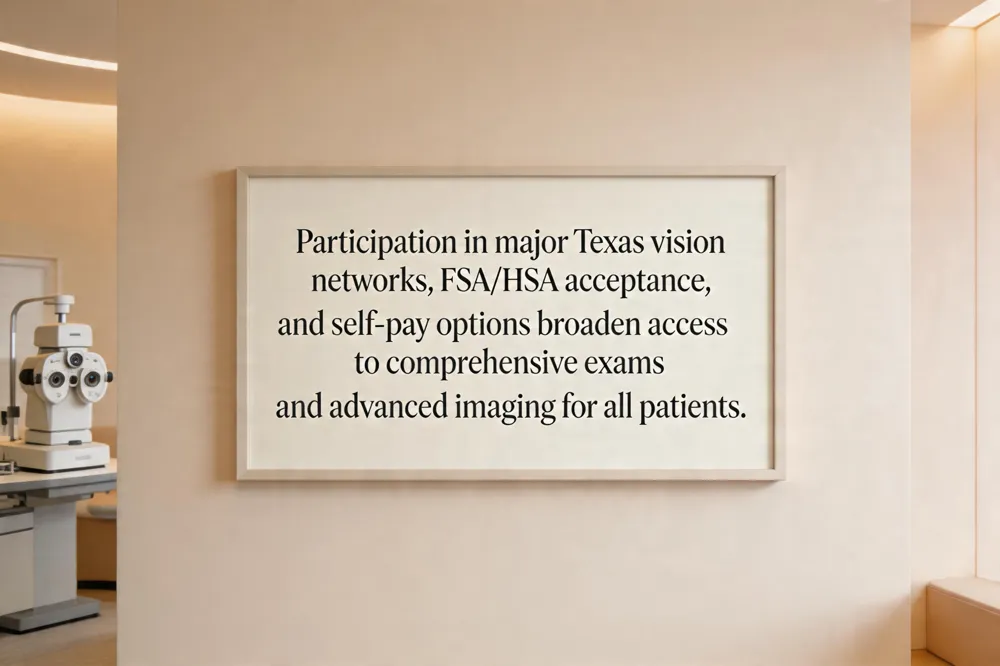 In Texas, vision insurance is most commonly provided through major carriers such as VSP, EyeMed, Davis Vision, and BlueCare Vision (Blue Cross & Blue Shield of Texas). Apple Eye Care in El Paso participates in all of these networks, enabling patients to schedule in‑network comprehensive eye exams, obtain discounts on frames, lenses and contacts, and access advanced imaging like the DRI OCT Triton. The practice also accepts flexible spending accounts (FSA) and health‑savings accounts (HSA), allowing members to apply pre‑tax dollars toward out‑of‑pocket costs for examinations, procedures, and eyewear. For patients with statutory coverage, Apple Eye Care can verify eligibility for Medicaid and Medicare Advantage plans that include vision benefits and may cover diagnostic testing. When insurance is unavailable, the clinic offers a reduced self‑pay rate and provides guidance on selecting an individual vision plan that best matches the patient’s needs and budget. This integrated approach ensures broad access to personalized eye‑care services across Texas.
Patient Education, Lifestyle, and Long‑Term Success
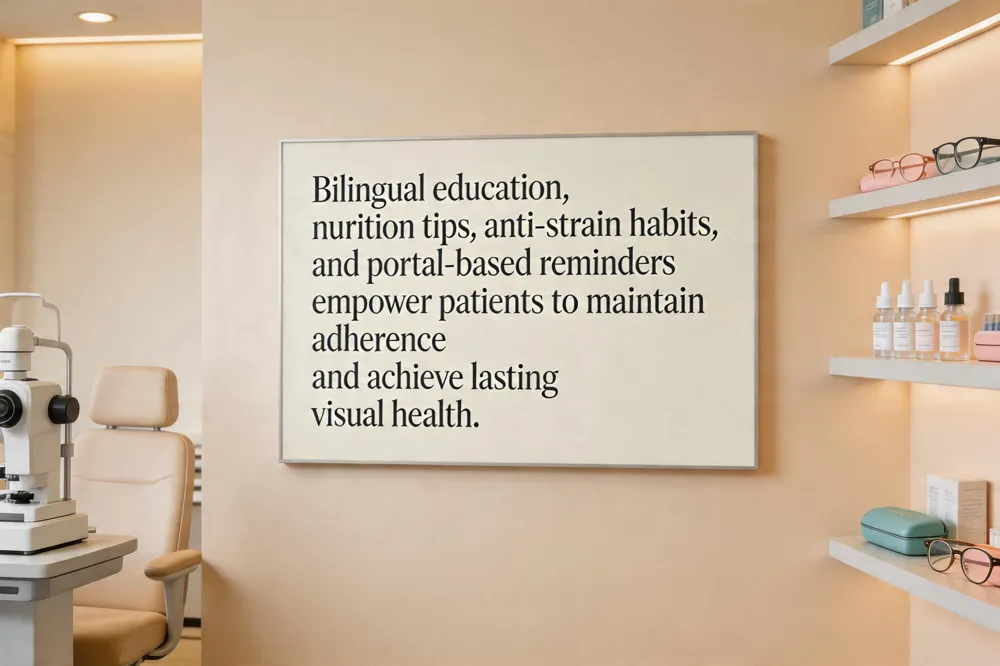 A successful chronic‑eye‑disease program begins with patient education that ties everyday habits to disease control. Nutrition rich in antioxidants (lutein, zeaxanthin) and omega‑3 fatty acids supports retinal health, while daily UV‑blocking sunglasses protect against cataract and macular degeneration. Regular screen‑time breaks—20‑second pauses every 20 minutes—reduce digital‑eye strain and preserve tear film stability. Modern clinics such as Apple Eye Care enhance adherence through secure patient portals that deliver test results, appointment reminders, and medication alerts directly to smartphones. Bilingual resources (English/Spanish) and a family‑focused communication model ensure that patients and caregivers understand treatment goals, encouraging consistent follow‑up. Objective adherence monitoring uses tools like Amsler grids for macular monitoring and symptom questionnaires that track dry‑eye severity, allowing clinicians to adjust care plans promptly. Together, these strategies create a personalized, data‑driven pathway to long‑term visual health.
Putting It All Together: A Roadmap to Better Vision
Individualized eye‑care plans combine advanced imaging, such as the DRI OCT Triton, with patient‑specific history, lifestyle, and risk factors to catch disease early and tailor treatment. This personalized approach has been shown to boost adherence, reduce vision loss, and improve long‑term visual outcomes for conditions like dry eye, glaucoma, and cataracts. Take the next step toward clearer, healthier sight by booking a comprehensive exam at Apple Eye Care, where Dr. Stephen Applebaum’s family‑focused team uses state‑of‑the‑art diagnostics. Verify your vision‑insurance coverage (VSP, Aetna, UnitedHealthcare, etc.) or enroll today to make personalized care affordable and accessible for your family’s eye health.