Prioritizing Your Family's Vision Through Proactive Care
Regular comprehensive dilated eye exams serve as a fundamental pillar of family health. While basic vision screenings may check for clarity, they often miss silent, sight-threatening diseases like glaucoma or cataracts that show no early symptoms. Detecting these conditions early allows for timely intervention, significantly preserving your long-term sight.
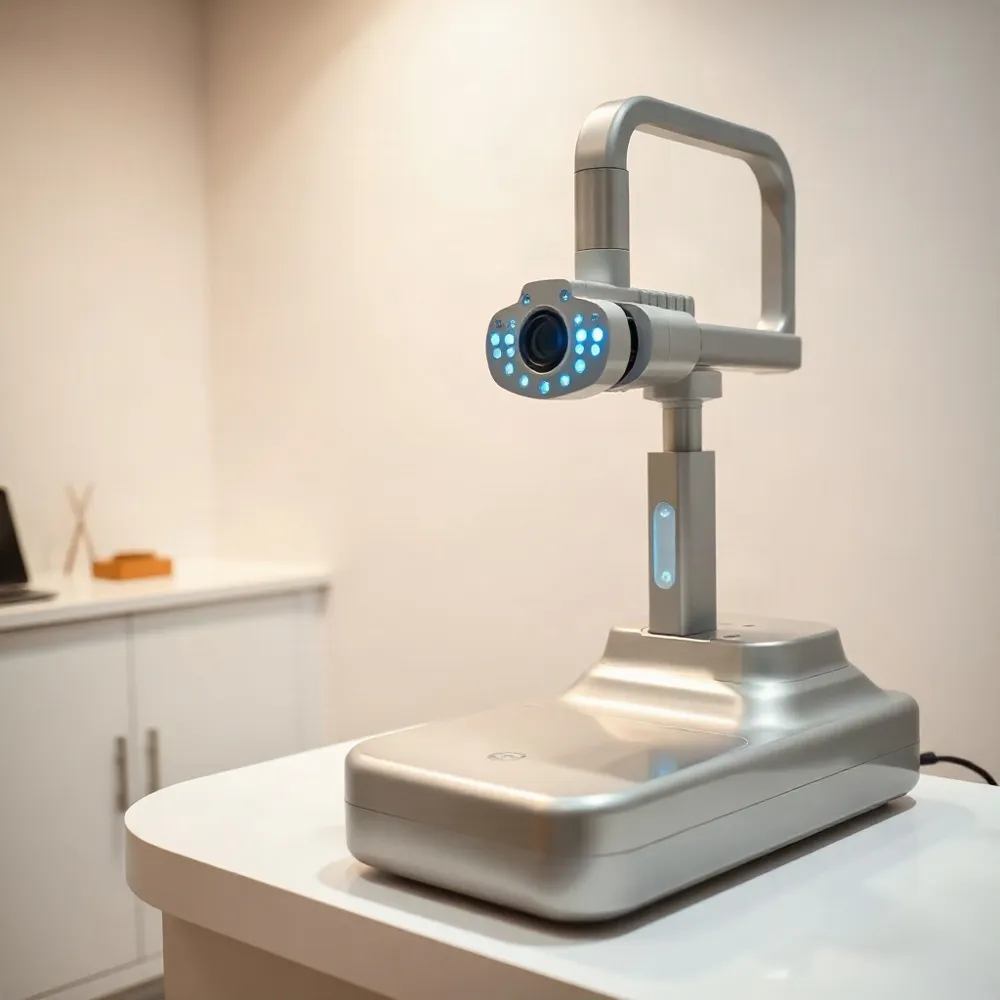
Professional eye care extends beyond simple glasses or contact lens prescriptions. Your eyes act as a window into your systemic health, with providers often identifying initial signs of diabetes or high blood pressure during routine assessments. At Apple Eye Care, Dr. Stephen Applebaum and his compassionate team in El Paso leverage advanced diagnostics, such as the DRI OCT Triton, to capture high-resolution images that aid in the precise management of complex conditions.
Maintaining a family-focused approach ensures that every member, from children to seniors, receives personalized attention. By staying proactive with professional care, your family can effectively manage genetic risks and systemic health impacts through a trusted, local partner dedicated to lifelong wellness.
Essential Eye Health and Prevention Strategies
- Comprehensive dilated eye exams identify symptomless diseases like glaucoma and diabetic retinopathy.
- The 20-20-20 rule helps mitigate digital eye strain by relaxing eye muscles every 20 minutes.
- Consuming lutein and zeaxanthin from leafy greens supports long-term macular health.
- Individuals with a family history of glaucoma are four to nine times more likely to develop it.
- Over 1.5 million annual U.S. emergency visits are linked to preventable eye injuries.
- Sunglasses should block 99% to 100% of UVA and UVB radiation to prevent cataracts.
- Systemic health issues like diabetes and hypertension can be detected through retinal examinations.
- Children should receive their first eye exam by six months of age for early intervention.
- Strict contact lens hygiene and hand washing are required to avoid serious ocular infections.
- Sudden symptoms like flashes of light or vision loss require immediate medical attention.
1. Schedule Regular Comprehensive Dilated Eye Exams
 Many people mistakenly assume that a basic vision screening is sufficient for eye health. However, a comprehensive dilated eye exam is essential because it allows an eye care professional to widen the pupil and examine the back of the eye for signs of disease that routine tests miss. While screenings may detect a need for glasses, they often fail to identify serious conditions like glaucoma or diabetic retinopathy during their symptomless early stages.
Why is an annual eye exam important for adults, even if you do not wear glasses? Even if you do not wear glasses, an annual eye exam is a vital component of your overall health maintenance. Many eye diseases, such as glaucoma, cataracts, and age-related macular degeneration, often develop gradually without noticeable symptoms in their early stages. During a comprehensive exam, your eye doctor can detect these conditions early when treatment is most effective at preventing vision loss. Furthermore, eye exams allow professionals to examine the structures behind your eyes, where they can sometimes identify systemic health issues like high blood pressure or diabetes. Prioritizing these routine checkups ensures your eyes remain healthy and protected, regardless of your current visual clarity.
Professional care guidelines suggest consistent intervals to protect long-term vision. The US Preventive Services Task Force recommends that children receive at least one eye exam between the ages of 3 and 5. For adults, frequency often depends on individual risk factors such as age or family medical history. At Apple Eye Care, we use high-resolution imaging to capture images of the retina, providing precise diagnostics that help our team catch and manage potential issues before they impact your daily life.
2. Implement the 20-20-20 Rule for Digital Eye Strain
 Frequent screen time for work, school, or leisure often leaves eyes feeling tired, dry, and strained. The 20-20-20 rule serves as a simple, effective strategy to mitigate these symptoms for both children and adults. Every 20 minutes, you should look at an object at least 20 feet away for 20 seconds. This brief pause allows the internal focusing muscles of your eyes to shift from near-range concentration to a more relaxed, distant focal point.
Beyond reducing fatigue, this technique addresses the common issue of dry eye by promoting natural, frequent blinking. Constant focus on digital displays typically suppresses your blink rate, which can lead to uncomfortable, gritty sensations. At Apple Eye Care, we emphasize this practice alongside advanced diagnostic tools like the DRI OCT Triton to help families maintain comfortable vision in a digital-first world. While competitors may focus solely on basic corrective lenses, our approach integrates preventative behavioral habits like the 20-20-20 rule into every personalized care plan.
The 20-20-20 rule helps reduce digital eye strain by breaking up long periods of intense focus that lead to eye fatigue. Every 20 minutes, taking a 20-second break to look at an object at least 20 feet away allows the internal focusing muscles of your eyes to relax into a resting state. This simple habit also encourages more frequent blinking, which helps maintain moisture and prevents the dry, gritty sensations common with screen use. By shifting your gaze to a distant point, you effectively interrupt the visual stress caused by continuous, near-range work. Incorporating this practice into your daily routine is a simple, proactive way to keep your eyes comfortable and healthy during extended periods of digital device use.
3. Prioritize Nutrition for Lifelong Retinal Health
 Eating a diet rich in specific nutrients is vital for preserving vision and lowering the risk of cataracts and age-related macular degeneration. Incorporating dark leafy greens like spinach and kale into your meals provides essential compounds such as lutein and zeaxanthin, which are critical for long-term macular health.
At Apple Eye Care, our team emphasizes that eye health extends well beyond the exam room. Patients can support their own vision by consuming omega-3 fatty acids found in fish like salmon and tuna. These nutrients, including DHA, are necessary for proper retinal function and maintaining healthy tear production.
- Dark leafy greens (spinach, kale, collard greens) provide antioxidants.
- Fish (salmon, tuna, halibut) supply omega-3 fatty acids.
- A balanced diet helps maintain healthy weight and blood pressure levels.
- Nutrient-dense meals contribute to the health of the tiny blood vessels in the eyes.
4. Discuss Family Eye Health History Proactively
Many common eye conditions such as glaucoma, cataracts, and age-related macular degeneration have strong genetic links. Sharing your family medical history with an eye care professional is a vital step in assessing your personal risk profile.
When you attend family gatherings, take a moment to discuss eye health with relatives. Identifying a history of disease allows you to take preventive action early, especially since individuals with a family history of glaucoma are four to nine times more likely to develop the condition themselves.
Be sure to share these details with Dr. Stephen Applebaum and his team during your next appointment at Apple Eye Care. Providing a clear health lineage helps the practice determine the optimal frequency for your exams and ensures you benefit from their advanced diagnostic tools, such as the DRI OCT Triton, to monitor your vision health.
5. Use Protective Eyewear for Sports and Home Repairs
Every year, more than 1.5 million emergency room visits in the U.S. are linked to avoidable eye injuries. Many of these incidents occur during common household activities like yard work, painting, or home repairs. Protective eyewear is essential for these tasks, and Apple Eye Care emphasizes that keeping your eyes shielded is a simple, effective step to prevent lasting damage.
Sports present another significant area of risk. Regular eyeglasses are often insufficient for athletic competition and may shatter upon impact, causing severe harm. The American Academy of Ophthalmology strongly recommends using protective goggles specifically designed with polycarbonate lenses to withstand high-impact situations. Whether for a school sport or a weekend home project, these specialized lenses provide the necessary durability to keep your vision safe.
6. Wear UV-Blocking Sunglasses Outdoors
Exposure to ultraviolet radiation poses a significant risk to ocular health, yet it is often overlooked during daily outdoor activities. To protect your vision, you should select sunglasses that block 99% to 100% of both UVA and UVB radiation, as recommended by the National Eye Institute. Failure to shield eyes from these rays can lead to the long-term development of cataracts and age-related macular degeneration.
Children are just as susceptible to sun damage, making it essential to instill healthy habits early. At Apple Eye Care, the team emphasizes that protecting young eyes today helps prevent future complications. Whether you are searching for frames that meet these rigorous safety standards or need specialized advice on managing sun-related sensitivity, the staff at www.appleeyecare.com can provide the personalized guidance necessary for your entire family.
7. Manage Systemic Health to Protect Your Vision
Your systemic health serves as a direct indicator of your long-term eye health. Conditions like diabetes can lead to diabetic retinopathy, a condition where blood vessels in the retina are damaged. At Apple Eye Care, the team uses the DRI OCT Triton to capture high-resolution images that help detect such damage in its earliest, most treatable stages.
Maintaining stable blood pressure and cholesterol levels is equally vital, as systemic vascular health directly influences the eyes. While some providers take a generalized approach, our practice emphasizes a personalized, family-focused assessment to manage the unique risks associated with your medical history. High blood pressure can show initial signs within the eye, making regular comprehensive dilated eye exams a necessary screening tool for your overall wellness.
Lifestyle factors such as smoking significantly heighten the risk of serious eye diseases, including cataracts and age-related macular degeneration. By quitting smoking and maintaining a healthy weight through regular exercise, you lower the pressure on your optic nerve and reduce your likelihood of permanent vision loss. Proactive management of these systemic factors is the best way to safeguard your family's future vision.
8. Prioritize Early Eye Care for Developing Children
Establishing a routine for pediatric vision is vital for a child's academic success and social development. Experts recommend the first professional eye exam at six months of age to track development, with follow-up screenings at age three and again before entering elementary school. Consistent monitoring helps identify conditions such as strabismus or amblyopia during the critical years when these issues remain highly treatable.
How can parents encourage healthy vision habits for their children?
Parents can foster strong visual health by scheduling consistent exams and sharing family ocular history with a provider like the team at Apple Eye Care. Our practice utilizes advanced diagnostic tools to support early intervention for developing eyes. Encouraging outdoor play for at least one hour daily is another effective strategy, as natural light can help relax eye muscles fatigued by near-vision tasks and may reduce the risk of myopia. A diet rich in fruits, vegetables, and omega-3 fatty acids provides the essential nutrients needed for long-term retinal health.
- Monitor for signs of discomfort, such as squinting or turning the head to focus.
- Ensure children practice the 20-20-20 rule during screen time to minimize digital eye strain.
- Use protective polycarbonate goggles during all sports and outdoor activities to prevent avoidable injuries.
- Maintain routine cleaning for eyeglasses to ensure consistent visual clarity and comfort.
9. Practice Good Contact Lens Hygiene
Maintaining the health of your eyes starts with strict hygiene when wearing contact lenses. Always wash and dry your hands thoroughly before touching your eyes or handling your lenses to prevent the introduction of harmful dirt and bacteria, a process MedlinePlus notes is vital for avoiding infections.
Beyond daily hand washing, you must strictly follow the cleaning and replacement schedules prescribed by your eye care professional. Using outdated or improperly cleaned lenses significantly increases your risk of developing serious eye complications. If you experience persistent redness, drainage, or discomfort, seek professional advice immediately.
At Apple Eye Care in El Paso, Dr. Stephen Applebaum and his team emphasize these hygienic habits to ensure long-term comfort. While some practices may suggest casual lens care, our team prioritizes a rigorous approach to prevent contamination and safeguard your vision against avoidable infections.
10. Recognize the Warning Signs for Immediate Care
Certain visual changes serve as an early warning system that requires prompt medical attention. You should immediately contact an eye doctor if you experience sudden vision loss, persistent eye pain, double vision, or the appearance of flashes of light and floating spots. These symptoms can indicate serious conditions like retinal detachment or acute glaucoma that risk permanent damage if left unaddressed.
At Apple Eye Care in El Paso, TX, our team provides personalized care for urgent eye health concerns. While routine screenings catch gradual changes, these sudden symptoms necessitate an immediate professional evaluation to protect your long-term sight. Whether it is unexpected redness, drainage, or halos around lights, our compassionate team is equipped to perform specialized assessments, including advanced diagnostic imaging, to identify the underlying cause of your discomfort and prevent further complications.
Systemic Health Detection Through Eye Exams
A comprehensive dilated eye exam serves as a vital preventative tool because the eyes offer a unique window into the body’s blood vessels, nerves, and connective tissues. While many patients view exams as simple vision checks, they actually function as an early warning system for overall physical health. Unlike basic screenings, these exams allow providers to observe structural changes that reflect systemic wellbeing.
What diseases and health conditions can be detected during a comprehensive eye exam? Through the eyes, practitioners can identify systemic health conditions that often present no obvious symptoms during their initial stages, such as diabetes, high blood pressure, and elevated cholesterol. Specialized practices like Apple Eye Care in El Paso, TX, utilize advanced diagnostic tools such as the DRI OCT Triton to capture high-resolution images of the retina and optic nerve. This technology enables the team to detect subtle markers of macular degeneration, glaucoma, and diabetic retinopathy with precision. Beyond common chronic issues, clinical examinations may reveal indicators of more serious medical conditions, including aneurysms, tumors, and various cancers, as well as inflammatory conditions like giant cell arteritis which requires immediate intervention to prevent vision loss.
By prioritizing routine care at a clinic like Apple Eye Care, patients receive personalized attention that links ocular findings to wider health outcomes. Detecting these issues early allows for prompt medical follow-up, which is essential for protecting both long-term vision and overall physical stability. While some providers focus only on refractive errors, a comprehensive approach ensures that underlying systemic health risks are not overlooked.
Managing Age-Related Vision Changes
As eyes age, subtle shifts in vision often occur that go beyond a simple need for reading glasses. Common signs of aging eyes include increased difficulty with fine print, blurred vision, light sensitivity, and the appearance of floaters or flashes. Conditions such as presbyopia, which affects lens flexibility, and age-related issues like cataracts and macular degeneration often develop slowly without clear early warnings. Apple Eye Care manages these concerns through personalized care plans, ensuring that patients receive the specific attention required to maintain their quality of life as they transition through these natural changes.
What are the common signs of aging eyes and how can they be managed?
Early intervention is the most effective way to address age-related vision loss. While many serious eye diseases like glaucoma or macular degeneration are asymptomatic in their initial stages, they are detectable through consistent clinical oversight. At Apple Eye Care, Dr. Stephen Applebaum and his team prioritize this by utilizing advanced diagnostic imaging, including the DRI OCT Triton, to monitor the retina and optic nerve for signs of change long before they impact daily activities.
What are the standard diagnostic tests performed during a modern professional eye exam?
Professional eye exams utilize a sequence of objective tests to build a complete profile of your ocular health. A standard session begins with visual acuity assessments using a Snellen chart to measure clarity, followed by a refraction test using a phoropter to determine the precise prescription for corrective lenses. To gain a deeper view of the eye’s structures, doctors perform a slit-lamp exam, which uses a high-intensity microscope to inspect the cornea, iris, and lens.
- Visual acuity testing to measure distance and near vision clarity.
- Refraction assessment to identify the precise prescription needed for glasses or contacts.
- Slit-lamp examination for high-magnification inspection of anterior eye structures.
- Visual field testing to identify potential blind spots or peripheral vision loss.
- Advanced diagnostic imaging, such as OCT, for high-resolution retinal scanning.
Committing to Your Family's Vision Today
Maintaining long-term ocular health requires a consistent commitment to proactive habits, including balanced nutrition, proper UV protection, and regular comprehensive dilated eye exams. These simple steps create a strong foundation for preserving your family's sight against common eye diseases that often develop without early symptoms.
At Apple Eye Care in El Paso, TX, Dr. Stephen Applebaum and his compassionate team provide personalized care tailored to patients of all ages. By utilizing advanced diagnostics like the DRI OCT Triton, the practice ensures that every family member receives the high-resolution assessments needed for early detection of issues like glaucoma or macular degeneration. Whether you are due for a routine checkup or require specialized management for conditions such as dry eye, the team is ready to support your long-term wellness.
Your vision is a vital asset that benefits from lifelong attention. By making eye care a regular part of your family routine, you protect both your immediate sight and your future systemic health. Reach out to the team at www.appleeyecare.com to schedule your next appointment and start building a healthier vision strategy today.