Understanding the Evolution of Eye Health with Age
As the body matures, the eyes undergo natural physiological shifts that fundamentally alter how individuals perceive their surroundings. By the time many reach their mid-40s, the lens begins to lose its flexibility, leading to presbyopia, a common condition that makes focusing on near objects increasingly difficult. Beyond simple refractive changes, aging often brings reduced tear production and a diminished ability to distinguish objects from their backgrounds, a trait known as contrast sensitivity.
Many serious age-related conditions, such as glaucoma and age-related macular degeneration, develop painlessly and show no early symptoms. Relying on basic screenings is often insufficient, as these tests frequently fail to detect diseases until they are in advanced stages. Because early diagnosis is the primary method for preventing permanent vision loss, proactive care is essential for maintaining long-term independence and quality of life.
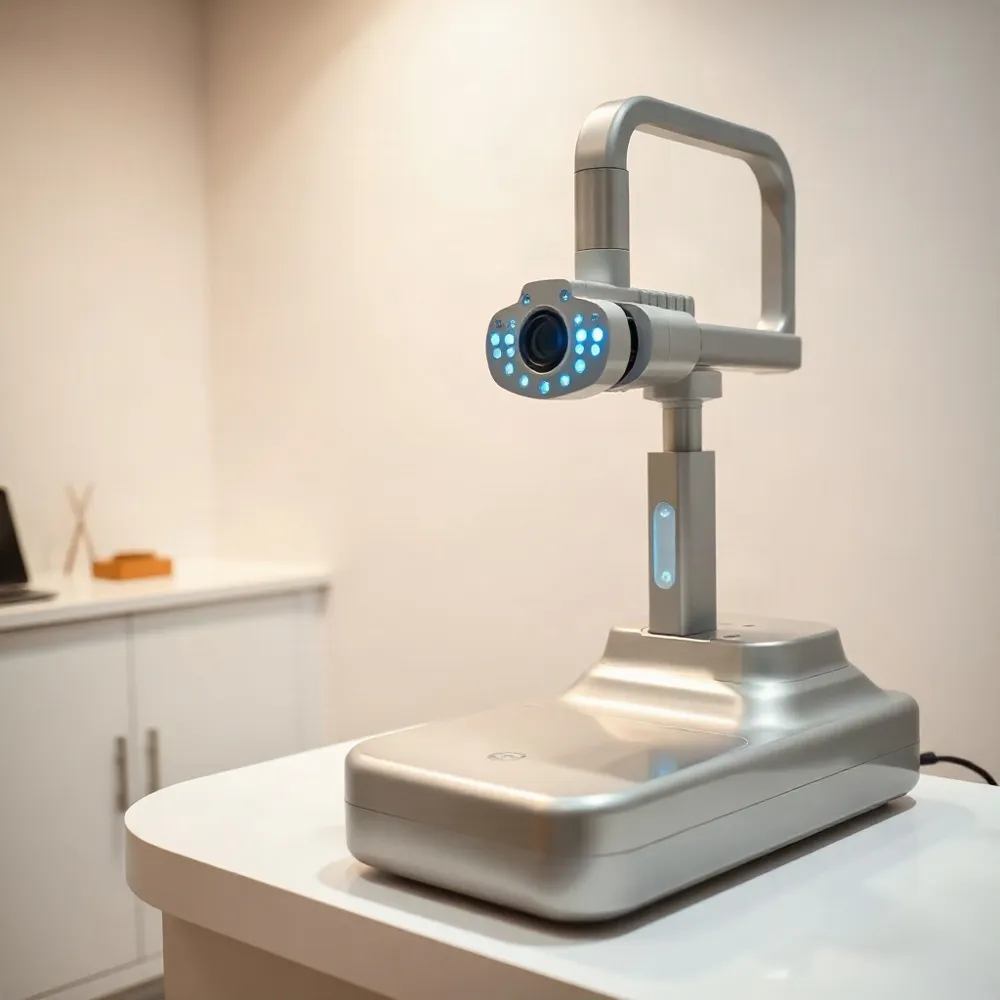
At Apple Eye Care in El Paso, TX, Dr. Stephen Applebaum emphasizes a personalized, family-focused approach to manage these changes. The practice utilizes advanced diagnostics, including the DRI OCT Triton, to monitor eye health and detect structural issues before they impact daily function. Whether managing cataracts or providing specialized dry eye treatment, this professional oversight ensures patients receive tailored strategies to protect their vision as they age.
Common Age-Related Vision Changes and Management Strategies
 As individuals transition through their 40s and beyond, the eyes undergo natural physiological shifts. One of the most common developments is presbyopia, an age-related loss of lens flexibility that makes focusing on near objects increasingly difficult. While many people first address this by using reading glasses, others prefer the convenience of bifocals, progressive lenses, or multifocal contacts to manage their changing focal needs.
Beyond focusing challenges, aging often brings a reduction in tear production, leading to chronic dry eyes. This condition can cause significant discomfort and blurred vision, which Apple Eye Care addresses to restore surface health and comfort. For those struggling with light sensitivity or glare while driving at night, simple adjustments like improved ambient lighting or anti-glare lens coatings can provide immediate relief.
Because many serious conditions, such as glaucoma or age-related macular degeneration, often progress without noticeable symptoms, proactive monitoring is necessary. Unlike generic screenings, a comprehensive eye exam utilizes advanced diagnostics such as the DRI OCT Triton to detect structural changes early. At Apple Eye Care, this clinical precision is paired with a patient-centered approach to ensure that common aging symptoms do not mask more complex vision-threatening diseases.
| Condition | Common Symptom | Management Strategy |
|---|---|---|
| Presbyopia | Blurry near vision | Multifocals/Bifocals |
| Dry Eye | Irritation/Grittiness | Specialized lubrication |
| Cataracts | Glare sensitivity | Surgical evaluation |
| Glaucoma | Peripheral loss | Early clinical monitoring |
The Vital Role of Regular Comprehensive Eye Examinations
 For adults aged 65 and older, medical consensus recommends a comprehensive eye exam every one to two years to monitor vision changes and detect age-related diseases early. Many serious conditions, including glaucoma and age-related macular degeneration, often develop without noticeable symptoms until permanent vision loss occurs. While simple vision screenings for driver's licenses verify basic sharpness, they fail to diagnose underlying pathology.
At Apple Eye Care, we utilize advanced diagnostics to evaluate ocular health with precision. A comprehensive dilated eye exam allows our doctors to view the retina and optic nerve directly. This process reveals structural changes long before they impact central vision. Unlike standard assessments that only measure acuity, these specialized tools identify structural markers of disease that require intervention.
Because the eyes provide a unique view of the body's internal systems, routine exams serve as a diagnostic window into your broader physical well-being. A visit to Apple Eye Care can uncover systemic health issues such as high blood pressure and hypertension. In some instances, optometrists can even identify early signs of diabetes through its effect on retinal blood vessels. By managing your ocular health, you gain a partner in detecting chronic conditions that could otherwise go unnoticed.
- Schedule an exam every 1 to 2 years if over 65.
- Seek immediate care for sudden flashes, floaters, or vision loss.
- Prioritize dilation to ensure a full view of retinal health.
- Discuss systemic history with your doctor to assess personal risk factors.
Identifying Early Warning Signs of Serious Conditions
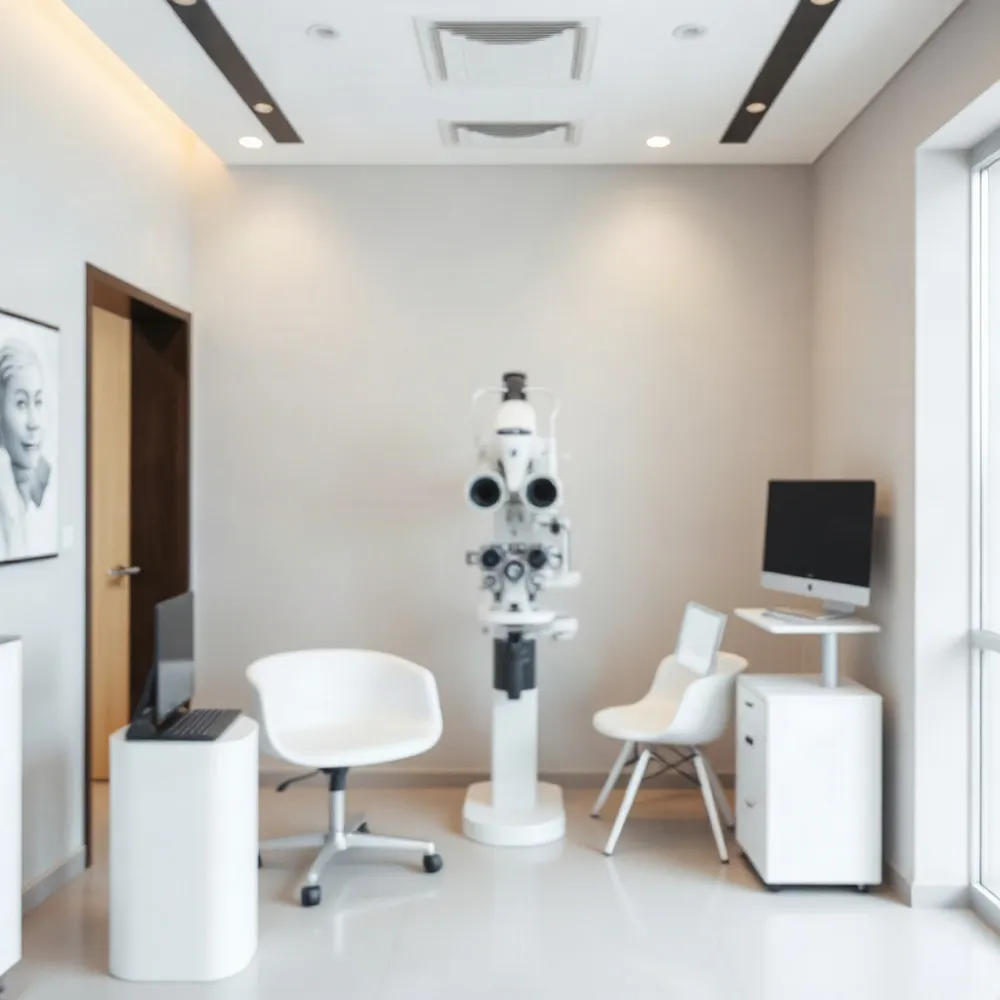 Detecting age-related eye conditions early is essential, as many serious diseases like glaucoma or age-related macular degeneration (AMD) often progress without pain or obvious symptoms in their initial stages. While vision loss is sometimes mistakenly viewed as an inevitable part of aging, preventative care is often the only way to safeguard your independence.
What are the early warning signs of macular degeneration and other age-related conditions?
Early signs of AMD often involve subtle changes in central vision, such as words appearing missing while reading or a gray, obscure area in your visual field while driving. You may also notice straight lines appearing wavy, bent, or distorted, which can be an indicator of more advanced changes. Because many people do not realize they have AMD until their vision is significantly blurred, it is crucial to monitor for any sudden or gradual loss of sharp, central focus. Other age-related conditions may similarly manifest as difficulty reading in low light or an inability to distinguish fine details. Since early detection is key to preserving your sight, please contact Dr. Applebaum at the office of our local optometrist for a comprehensive exam if you notice any changes in your vision.
Critical Symptoms Requiring Immediate Attention
Certain symptoms indicate a medical emergency and require prompt professional intervention to prevent permanent damage. A sudden increase in floaters accompanied by flashes of light is a classic warning sign of retinal detachment, where the retina separates from underlying tissue. Similarly, a loss of peripheral vision is frequently associated with glaucoma, a disease that damages the optic nerve and often goes unnoticed until significant sight is compromised.
- Sudden, unexplained loss of vision or double vision
- Significant eye pain or persistent, severe redness
- Appearance of a curtain or shadow across the visual field
- Seeing halos or rainbows around lights
- Sudden onset of new floaters or persistent flashes of light
At Apple Eye Care, we utilize advanced diagnostic technology to identify structural changes before they manifest as noticeable vision loss. Unlike routine screenings that only test for clarity, our comprehensive approach allows us to map the retina in detail. While some providers rely solely on traditional eye charts, our commitment to proactive diagnostics helps manage conditions such as glaucoma or macular degeneration at the earliest possible stage.
Diagnostic Precision and Treatment Innovation
Modern optometry has moved beyond simple vision charts, utilizing advanced imaging technologies to detect structural changes within the eye. At Apple Eye Care, the use of Optical Coherence Tomography (OCT) allows for high-resolution, cross-sectional views of the retina and optic nerve. This technology captures microscopic detail, helping specialists distinguish between complex conditions like glaucoma, which shows specific patterns of nerve fiber loss, and age-related macular degeneration, which involves central retinal damage.
Can age-related vision loss be reversed?
While conditions like presbyopia involve natural changes that cannot be reversed, their impact is managed through corrective lenses or surgical options. For more serious diseases, clinical care focuses on preserving sight and preventing further decline. While research into regenerative gene therapies continues to evolve, these treatments remain experimental. Currently, the most reliable strategy for protecting long-term vision is regular comprehensive eye exams to catch issues before they advance.
How do eye care specialists distinguish between different age-related eye diseases?
Specialists rely on a multifaceted diagnostic approach to ensure accurate treatment paths. By combining dilated eye examinations with functional testing, such as measuring intraocular pressure and assessing visual fields, they can differentiate between overlapping symptoms. This precise methodology is vital, as early detection can often slow or manage the progression of otherwise irreversible damage.
- Advanced magnification systems and telescopes for daily living
- Video-based magnification for reading support
- Clinical monitoring and professional diagnostic oversight
- Systemic health management to support ocular structures
Lifestyle Choices to Support Long-Term Ocular Wellness
While genetics play a role in eye health, daily habits are a powerful tool for supporting long-term vision. Consuming a diet rich in antioxidants, such as vitamins C and E, zinc, copper, and carotenoids like lutein and zeaxanthin, can help reduce the risk of progressive age-related macular degeneration (AMD). At Apple Eye Care, we recommend boosting these nutrients by eating at least five servings of fruits and vegetables daily, including leafy greens, nuts, and various colorful produce.
What is the role of diet and lifestyle in preventing age-related vision decline?
Beyond nutrition, environmental factors and chronic health management are essential for preserving ocular function. Protecting your eyes with UV-blocking sunglasses and avoiding smoking are vital habits, as these measures help mitigate the risks of cataracts and other surface issues. Patients who struggle with glare or environmental sensitivities can benefit from the same personalized lifestyle guidance that we integrate into our cataract management protocols.
For individuals at high risk for AMD, targeted vitamin supplementation, specifically the AREDS2 formula, may be recommended by your optometrist to help slow disease progression. Managing systemic conditions like diabetes and hypertension is equally critical, as these diseases directly damage blood vessels in the retina. If you have concerns about your ocular health, schedule a visit for a comprehensive exam where our team can discuss how to tailor your lifestyle and nutrition for long-term clarity.
Empowering Your Vision Through Proactive Care
Prioritizing regular, comprehensive eye examinations is the most effective defense against permanent vision loss. Because conditions like glaucoma and age-related macular degeneration often progress without pain or obvious symptoms in their initial stages, relying on screenings alone can leave significant issues undetected. According to the CDC, early diagnosis remains the primary factor in preventing long-term visual impairment.
At Apple Eye Care, we believe that preserving independence starts with a personalized, family-focused approach. Unlike high-volume retail clinics that provide generalized assessments, our El Paso practice combines compassionate care with sophisticated tools like the DRI OCT Triton to monitor structural changes in the eye. This level of diagnostic precision ensures that each patient receives tailored management for concerns such as cataract or glaucoma progression.
Your vision is a fundamental component of your overall health and quality of life. By staying informed about warning signs and committing to a schedule of professional care, you take active control of your future. We encourage you to visit www.appleeyecare.com to schedule your next examination and safeguard your ocular health for the years ahead.