A Window to Lifelong Health
An eye exam is more than a quick check for new glasses. During a comprehensive dilated exam, an optometrist can see the blood vessels and delicate tissue at the back of your eye, potentially spotting early signs of health conditions such as high blood pressure or diabetes before your primary care doctor would.
About 11 million Americans over age 12 need vision correction but do not realize it, according to the CDC. Many people assume their eyesight is fine, which means sight-threatening diseases can go unnoticed for years.
Glaucoma and diabetic retinopathy often have no early symptoms. The CDC notes that diabetic retinopathy is the leading cause of blindness in American adults, yet early detection and treatment can prevent or delay blindness in 90% of people with diabetes. A routine annual exam is the best way to catch these silent conditions while treatment is still effective.
At Apple Eye Care in El Paso, TX, Dr. Stephen Applebaum and his team provide comprehensive eye exams for patients of all ages. Using advanced diagnostics like the DRI OCT Triton, they can capture high-resolution images of the retina to detect problems such as glaucoma, cataracts, and macular degeneration at their earliest stages. The practice emphasizes a family-focused approach where every member from children to seniors receives a care plan tailored to their needs.
What Makes a Comprehensive Eye Exam Different?
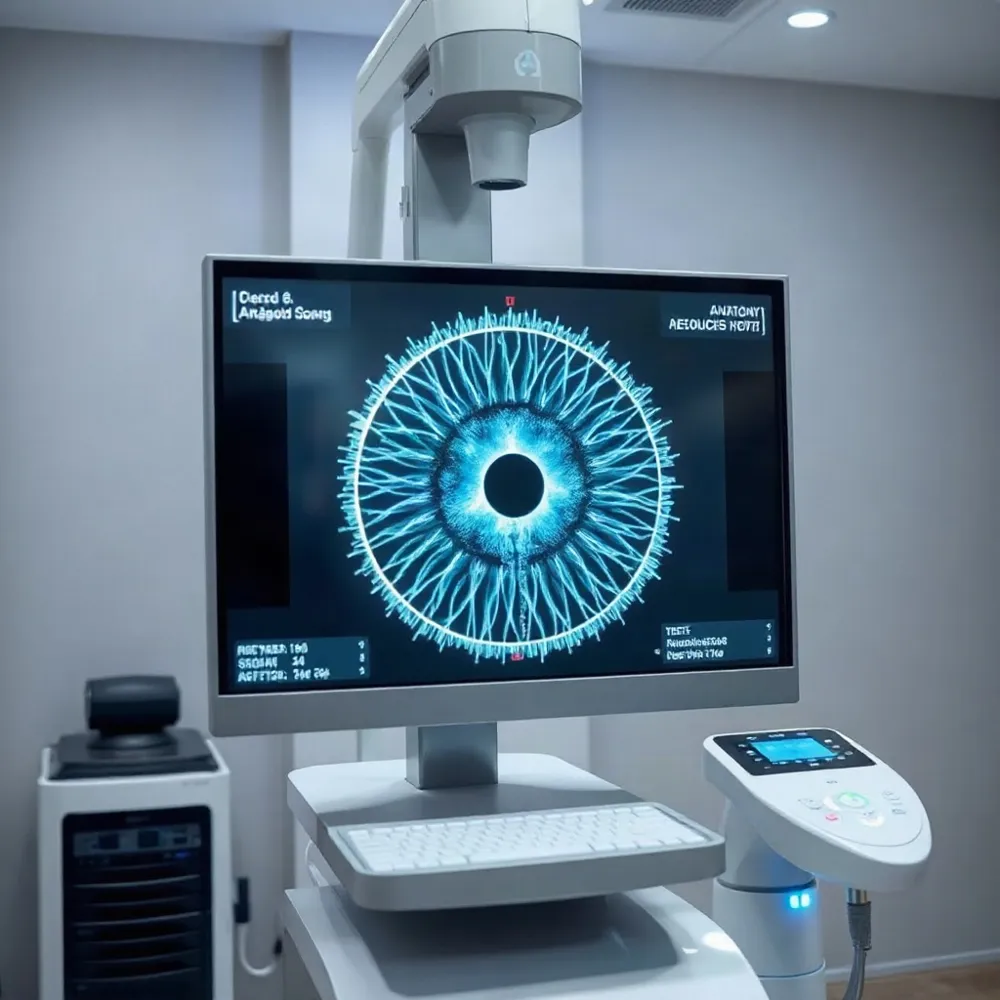 A comprehensive eye exam is a thorough evaluation of your vision and overall eye health, moving far beyond a simple vision screening. While a basic screening primarily checks clarity of sight using an eye chart, a full exam includes a review of your medical history and a series of advanced tests. These tests assess how well your eyes work together, measure eye pressure to screen for glaucoma, and examine the internal structures of the eye for early signs of disease.
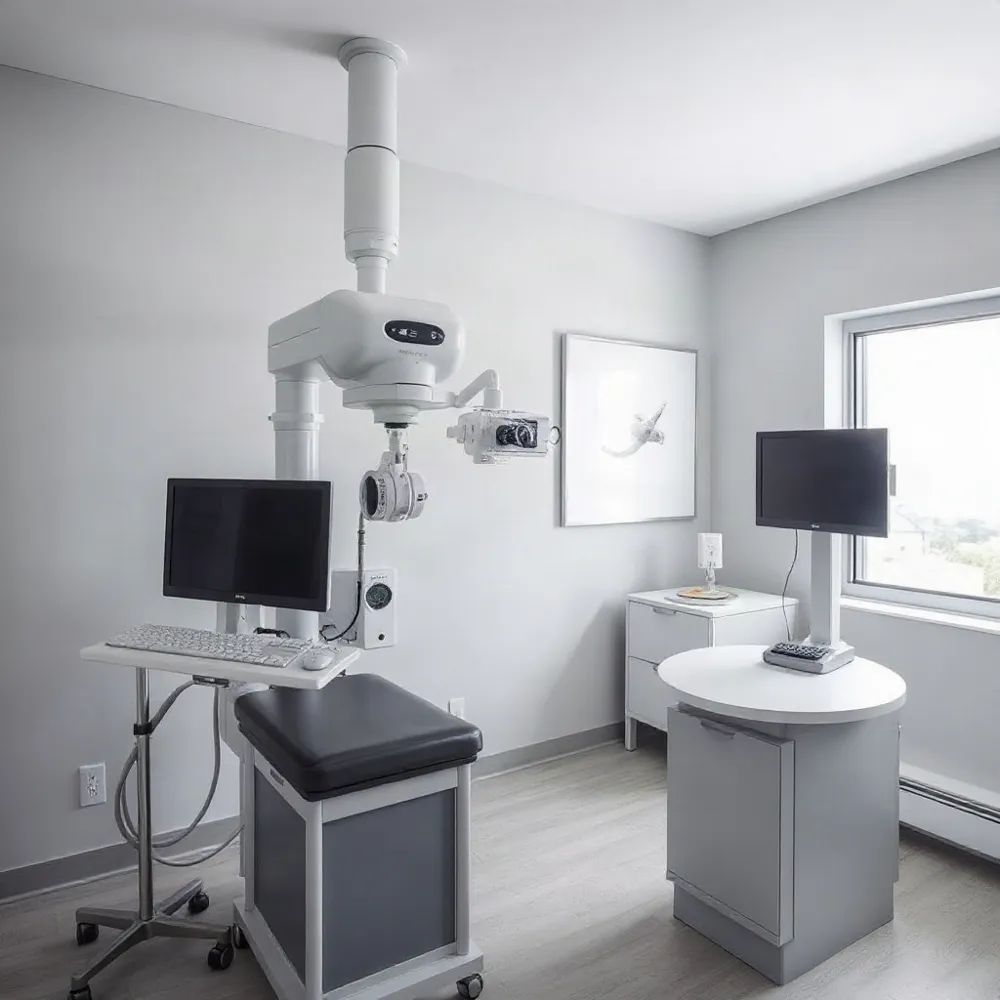
Modern technology, such as the DRI OCT Triton, can provide detailed images of the eye, often without the need for dilating drops. The goal is not only to update your glasses or contact lens prescription but also to detect and manage conditions like cataracts, glaucoma, and dry eye disease.
Tests Performed During a Comprehensive Eye Exam
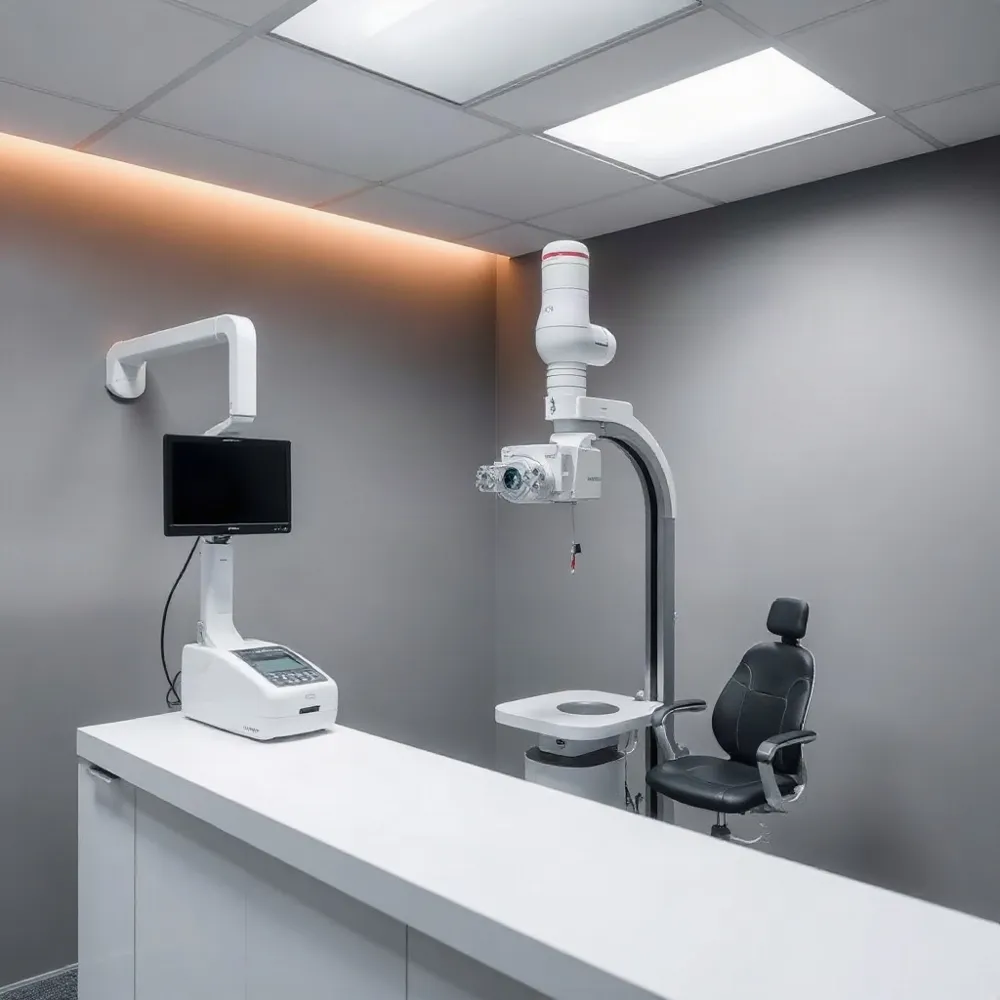
A comprehensive exam includes a series of vision and health tests. First, your vision is assessed with a visual acuity test using an eye chart, and a refraction test determines your exact prescription for glasses or contacts using a phoropter. Your eye doctor will also perform a cover test to check eye alignment and an ocular motility test to evaluate eye movement accuracy.
For ocular health, a slit lamp microscope is used to examine the internal and external structures of your eye, such as the cornea, lens, and retina. Advanced diagnostics may also be conducted to provide detailed imaging of the retina and optic nerve for early disease detection.
An Eye Exam as a Window to Systemic Health
Eye exams are often the first opportunity to identify systemic health conditions like diabetes, high blood pressure, and even certain cancers. The small blood vessels and delicate structures in the eyes are often the first to be affected by a disease, making an eye exam a vital part of your overall health care plan.
Children Need Eye Exams Too
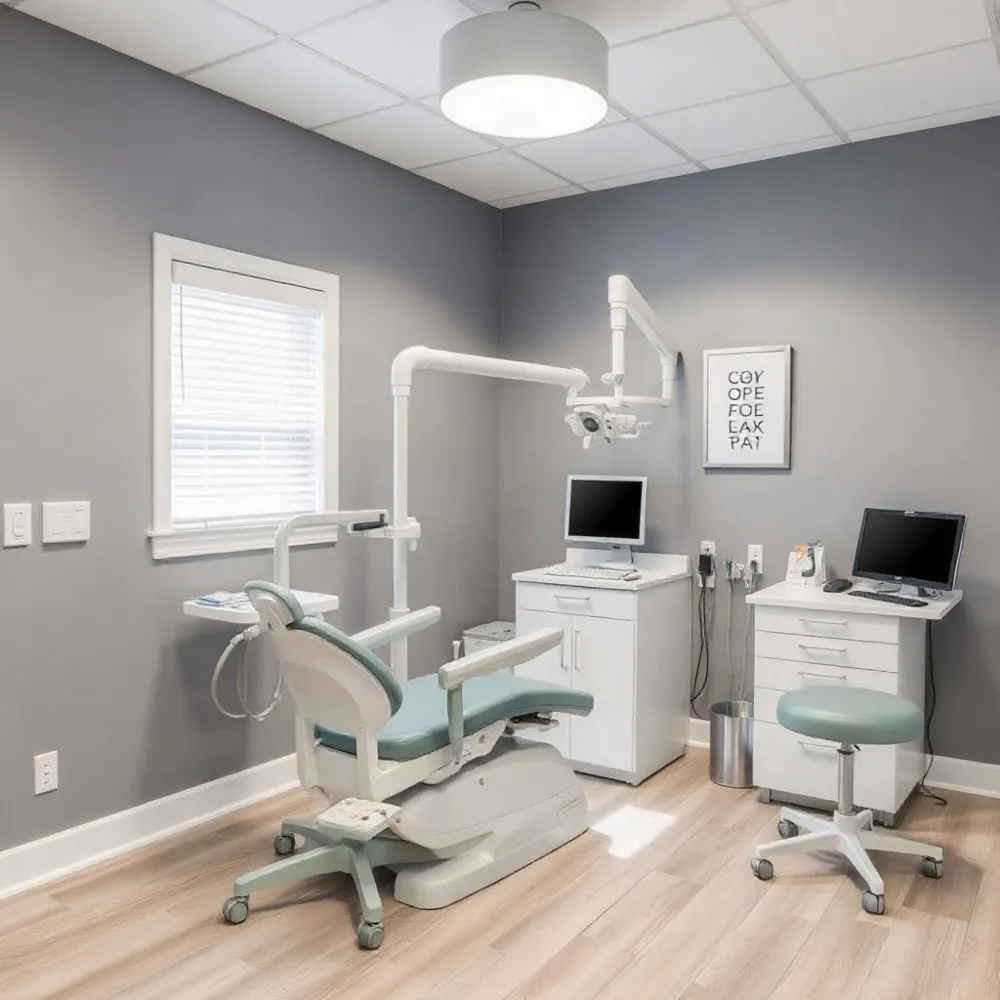 Less than half of preschool children have had their vision tested for common eye diseases, according to the CDC. This gap matters: an estimated one in five children has a vision problem, and undetected issues can interfere with learning, physical coordination, and social development.
The Most Common Childhood Eye Conditions
Amblyopia, or lazy eye, is the most common cause of vision loss in children, affecting 2 to 3 out of every 100. It occurs when the eye and brain do not work together properly and requires early treatment to prevent permanent vision loss. Other common conditions include strabismus (crossed eyes), refractive errors such as nearsightedness and farsightedness, and eye coordination problems that affect reading and sports.
Recommended Exam Schedule from Infancy Through School Age
The American Optometric Association recommends the first comprehensive eye exam between 6 and 12 months of age to ensure normal visual development. A second exam should occur between ages 2 and 3, followed by another before entering first grade. The U.S. Preventive Services Task Force recommends at least one exam between ages 3 and 5 to detect amblyopia or its risk factors. Once children begin school, yearly exams help track vision changes that can happen often and unexpectedly through age 18.
How Vision Problems Affect Learning and Development
School vision screenings, while useful, miss many problems — 61% of children who fail a screening never see an eye doctor for follow-up. Vision issues can cause reading difficulties, short attention spans, and avoidance of close-up work, which is often mistaken for behavioral problems. Children with uncorrected vision may have trouble with depth perception and hand-eye coordination, affecting their confidence and performance in sports.
Signs Parents Should Watch For
Parents should schedule an eye exam if their child squints, tilts the head, covers one eye, holds books or devices very close, or complains of frequent headaches or eye strain. Other red flags include excessive eye rubbing, sensitivity to light, poor tracking, and failing a vision screening at school or the pediatrician's office. Catching these signs early improves treatment outcomes and helps set children up for success in the classroom and beyond.
Annual Exams for Adults – More Than Just a Prescription
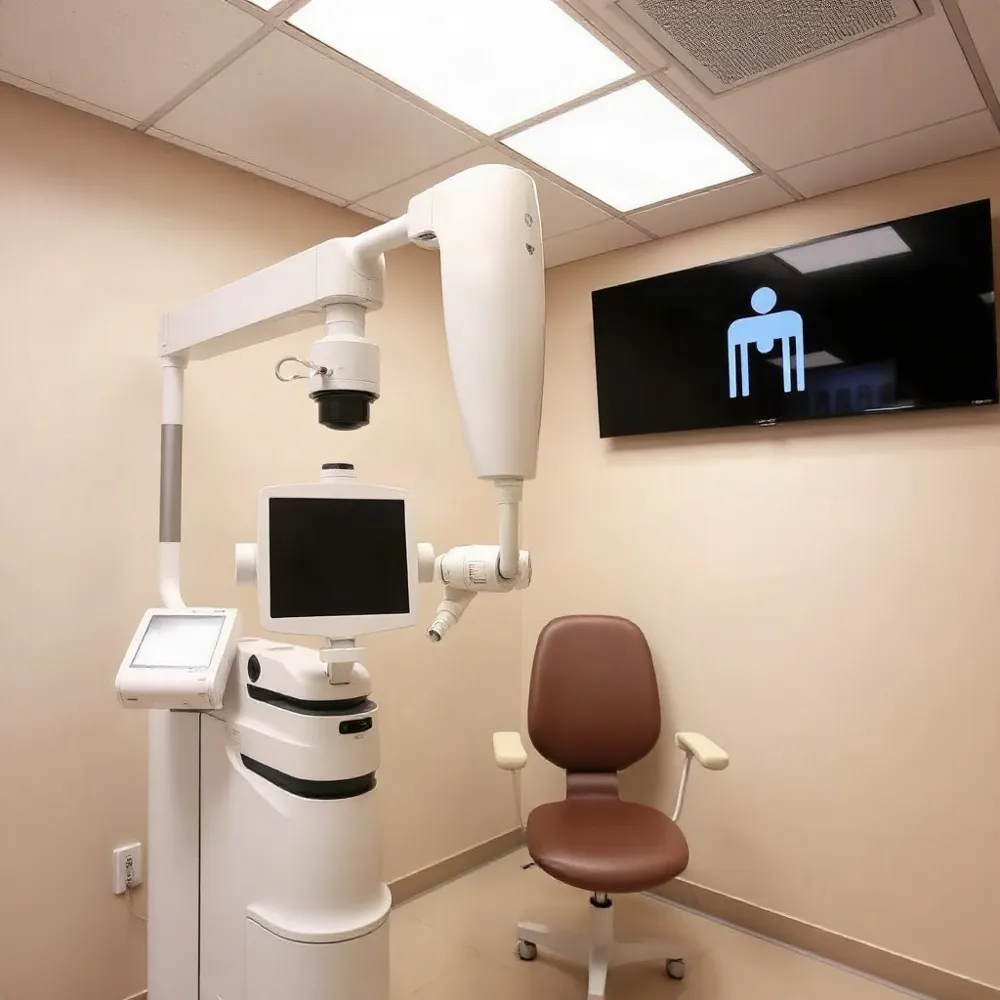 Many adults who see 20/20 skip eye exams thinking they are unnecessary. But the value of a comprehensive dilated eye exam extends far beyond a new glasses prescription. The CDC reports that about 11 million Americans over age 12 need vision correction but do not realize it, and many serious eye diseases show no early symptoms.
During a dilated exam, your eye doctor can see the blood vessels and delicate structures at the back of the eye. These tissues are often the first place where signs of systemic conditions such as high blood pressure or diabetes appear, sometimes before a primary care physician detects them. Catching these problems early makes treatment more effective.
For adults between 18 and 60, the American Optometric Association recommends a comprehensive eye exam at least every two years, and annually for those with risk factors such as diabetes, a family history of eye disease, or high blood pressure. People with diabetes should have a dilated eye exam every year to screen for diabetic retinopathy, a leading cause of blindness that early treatment can prevent or delay in 90 percent of cases.
Skipping exams is risky because sight-stealing conditions like glaucoma and diabetic retinopathy often have no noticeable symptoms until damage is permanent. The CDC notes that only half of people at high risk for vision loss visit an eye doctor annually. Advanced diagnostic tools such as the DRI OCT Triton, used at Apple Eye Care, can capture high-resolution images of the retina to detect these hidden conditions early, when intervention is most effective.
Eye Exams as You Age – Protecting Sight in Later Years
As the body ages, the eyes become more vulnerable to conditions that can quietly steal vision. The CDC reports that conditions such as cataracts, age-related macular degeneration, and glaucoma become more common with each decade, yet many of these diseases show no early symptoms. A comprehensive dilated eye exam is often the only way to detect them while treatment can still make a difference.
For adults 65 and older, the American Academy of Ophthalmology recommends a comprehensive eye exam at least every two years, and yearly for those aged 70 and up. People with diabetes or a family history of eye disease should follow a more frequent schedule — the CDC advises that anyone with diabetes receive a dilated eye exam every year. At Apple Eye Care, Dr. Stephen Applebaum and his team use the DRI OCT Triton to capture high-resolution images of the retina, allowing early detection of changes that might otherwise go unnoticed.
Cataracts remain the leading cause of vision loss in the United States. Glaucoma, the second-leading cause of blindness worldwide, often has no warning signs until significant optic nerve damage has occurred. Age-related macular degeneration gradually destroys central vision. Each of these conditions is more treatable when caught early, which is why sticking to a regular exam schedule is one of the most effective steps older adults can take to preserve their sight.
Tailored Exams for Contact Lens and Glasses Wearers
How often you need an eye exam depends on whether you wear corrective lenses, your age, and your overall health. For adults between 18 and 60 who wear glasses and have no symptoms or risk factors, a comprehensive exam every one to two years is the standard recommendation. Those over 40 should consider annual visits because the risk for presbyopia and cataracts increases with age. If you do not wear glasses, the same one-to-two-year schedule applies — many eye diseases develop without early symptoms, making regular check-ups essential for early detection.
Contact lens wearers face stricter requirements. An annual comprehensive eye exam and contact lens evaluation is needed every 12 months to ensure proper fit, accurate prescription, and healthy eyes. Skipping this exam can lead to serious issues like corneal inflammation or infections. At Apple Eye Care, Dr. Stephen Applebaum recommends scheduling your contact lens exam alongside your comprehensive exam to keep your vision clear and your eyes safe.
People with astigmatism should also follow a one-to-two-year schedule if they wear glasses, but contact lens wearers with astigmatism need an annual exam to verify proper fit and comfort. Adults over 60 or those with conditions like diabetes should have a dilated eye exam every year, as recommended by the CDC. Your eye doctor will determine the best schedule based on your individual health profile.
Insurance, Costs, and Practical Tips
Understanding what your insurance covers and how to prepare for an appointment can remove common barriers to regular eye care. Here is what you need to know about costs, coverage frequency, and getting the most out of your visit.
Does Insurance Cover an Eye Exam?
Yes, many insurance plans cover eye exams, but the type of coverage depends on whether you have vision insurance or medical insurance. Vision insurance typically covers routine eye exams for healthy eyes and prescription updates. Medical insurance may cover an eye exam if it is related to a specific health concern, such as diabetes, cataracts, or dry eye. It is important to check your specific plan’s summary of benefits or contact your insurance provider to confirm what is covered. At Apple Eye Care, the team can help verify your benefits and explain how your insurance applies to your visit.
How Often Can You Get an Eye Exam with Insurance?
Most vision insurance plans allow one comprehensive eye exam per calendar year or every 12 months. The exact frequency depends on your specific provider and plan type. Some plans may cover more frequent exams if you have conditions like diabetes, glaucoma, or a history of eye disease. For example, the CDC recommends that people with diabetes have a dilated eye exam every year. To know your exact benefits, check your insurance card or contact your provider. The team at Apple Eye Care can help verify your coverage and determine how often your plan allows an exam.
Free Eye Test Programs Like EyeCare America
Eligibility for a free eye test is not universal but is available through specific programs. EyeCare America provides no-cost medical eye exams to uninsured and underinsured individuals aged 18 and older who meet certain financial criteria. Some individuals may also qualify through state-specific Medicaid programs or community health initiatives. For veterans, the Veterans Health Administration offers eye exams based on service-connected conditions. It is best to check with local providers, such as Apple Eye Care, and programs like EyeCare America to determine if you meet the specific requirements for a no-cost exam.
Tips for Accurate Eye Exam Results
To ensure accurate results, bring your current eyeglasses, contact lenses in their original packaging, and your latest prescription for comparison. Before your appointment, avoid eye strain by following the 20-20-20 rule: every 20 minutes, look at something 20 feet away for 20 seconds. Prepare a list of any symptoms or concerns, such as blurry vision or headaches, and know your family’s medical history, especially regarding conditions like glaucoma or macular degeneration. Wear sunglasses to your exam in case your pupils are dilated, which can cause light sensitivity afterward. Finally, provide your doctor with a complete list of medications and any history of eye surgeries or injuries for a thorough evaluation.
Risks of Comprehensive Eye Exams Are Minimal
Comprehensive eye exams are very safe and carry minimal risks. Some patients may experience temporary, mild discomfort such as slight stinging or blurry vision from the dilating eye drops. Rarely, these drops can trigger a temporary increase in eye pressure or, in very uncommon cases, an acute angle-closure glaucoma attack in individuals with a specific eye anatomy. The bright lights used during imaging may cause brief, harmless light sensitivity or afterimages. Overall, the benefits of early detection for serious conditions like glaucoma and diabetic retinopathy far outweigh the negligible risks associated with the exam.
Family Eye Care in El Paso – Your Trusted Partner
El Paso residents looking for comprehensive eye exams have several excellent local options. Among them, Apple Eye Care stands out for its advanced technology and family-focused approach.
Apple Eye Care has been serving the El Paso community since 1999, led by Dr. Stephen Applebaum. The practice provides comprehensive eye exams, vision correction, and specialized treatments for dry eye, cataracts, and glaucoma. The clinic uses the DRI OCT Triton, a device that captures high-resolution images of the retina to detect conditions like diabetic retinopathy and age-related macular degeneration early—when treatment is most effective. A family eye exam at Apple Eye Care includes not just a prescription check but also a thorough evaluation of ocular health, helping to spot systemic issues such as high blood pressure or diabetes.
Other reputable clinics in El Paso include University Vision Centre (with Westside and Eastside offices), El Paso EyeCare, and Southwest Eye Institute, which offers medical and surgical ophthalmology. However, Apple Eye Care's personalized attention, experienced team, and advanced diagnostics make it a trusted partner for families seeking consistent, high-quality eye care under one roof.
Eye exams at Apple Eye Care are by appointment only to ensure dedicated time for each patient's evaluation. You can schedule online or call (915) 833-0633. The practice is located at 865 N. Resler Dr, Suite F, and is open Monday through Thursday from 8:30 AM to 5:00 PM, and Friday from 8:00 AM to 1:00 PM.
Regular eye exams are a cornerstone of lifelong vision health. As the CDC notes, many eye diseases show no early symptoms, making annual exams critical for early detection and treatment. For children, whose vision develops rapidly, and for adults over 65, annual or biannual exams are especially important. Apple Eye Care's team, including optician Efren Avalos and the front-desk staff, works to make each visit comfortable and thorough.
To learn more or book an appointment, visit the Apple Eye Care website or call the office. With a commitment to personalized, comprehensive care, Apple Eye Care is your El Paso partner in preserving your family's vision for years to come.
Make Your Family's Eye Health a Priority
From childhood through the senior years, regular comprehensive eye exams are one of the simplest steps you can take to protect vision and detect serious health conditions early. The CDC reports that only half of people at high risk for vision loss see an eye doctor every year, yet early detection of diseases like diabetic retinopathy can prevent or delay blindness in 90% of people with diabetes. Whether you need a first exam for your child or an annual check for yourself, making eye health a family habit pays off for a lifetime.