Welcome to Your Personalized Vision Journey
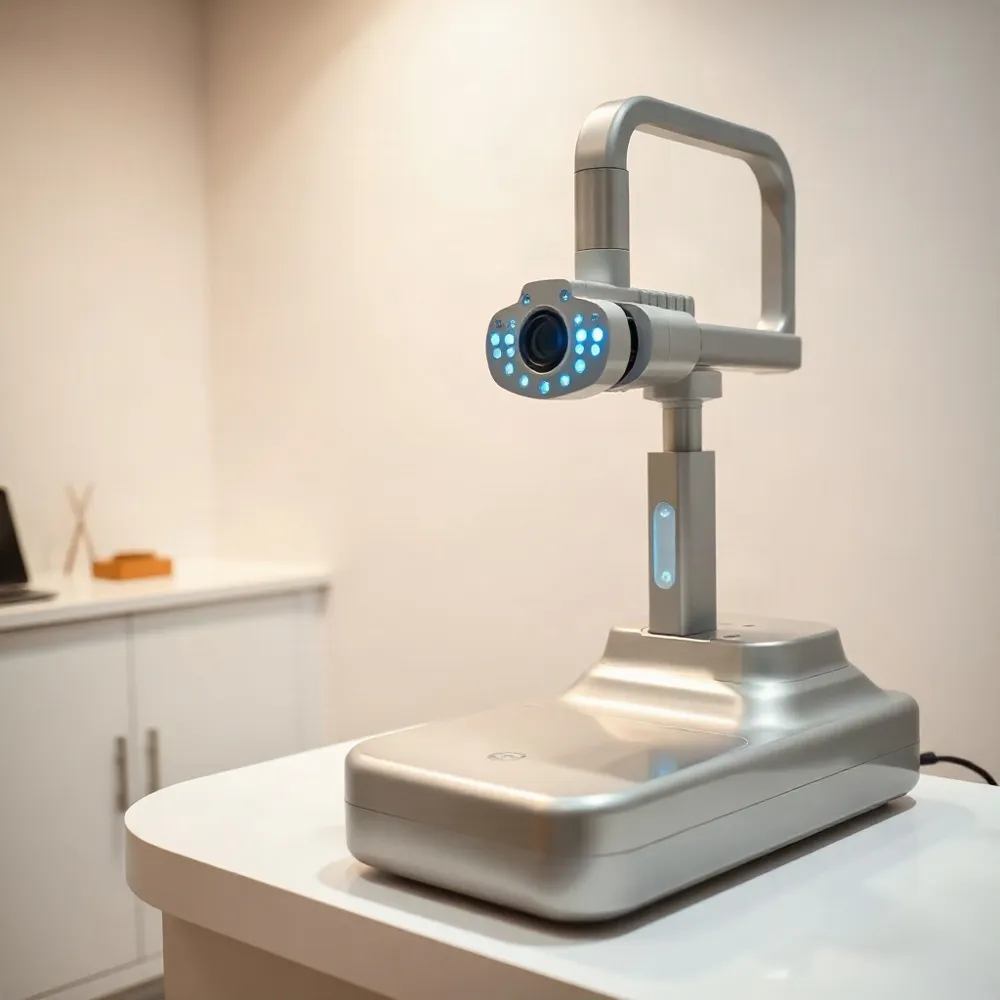
Apple Eye Care embraces a family‑focused philosophy, treating children, adults, and seniors with the same compassionate attention. Led by Dr. Stephen Applebaum, the team uses cutting‑edge tools such as the DRI OCT Triton to capture high‑resolution retinal images, enabling early detection of glaucoma, cataracts, and dry‑eye disease. By tailoring exams, lenses, and treatment plans to each patient’s history, lifestyle, and preferences, the practice boosts satisfaction, adherence, and long‑term visual health for every individual, ensuring clearer sight throughout life's stages daily.
The Power of Personalization in Eye Care
 Personalized eye care puts each patient’s unique history, lifestyle, and preferences at the centre of treatment, leading to higher adherence, faster recovery, and better clinical outcomes. By involving patients in shared decision‑making, Apple Eye Care in El Paso, Texas, sees stronger clinician‑patient relationships and increased satisfaction across all ages. The approach also reduces trial‑and‑error prescribing, streamlines care coordination, and helps close health‑inequality gaps. Six core principles underlie this model: (1) patient choice and clear information, (2) shared decision‑making that blends values with expertise, (3) individualized care plans focused on what matters to the patient, (4) linkage to social prescribing and community resources, (5) supported self‑management to build confidence, and (6) personal health budgets that give financial control over needed services. A compelling vision statement for a personalized eye‑care practice could be: “We envision a community where every individual enjoys optimal eye health and overall well‑being, supported by compassionate, innovative, and patient‑centered care.” This vision captures the commitment to universal access, advanced diagnostics like DRI OCT Triton, and lifelong empowerment through tailored treatment.
Advanced Diagnostics: The DRI OCT Triton Advantage
 Optical coherence tomography (OCT) creates cross‑sectional images of the retina by measuring light reflections from each retinal layer, producing micrometer‑resolution maps that reveal subtle structural changes. The DRI OCT Triton’s high‑speed, high‑definition scanning detects early signs of macular degeneration, diabetic retinopathy, and optic‑nerve thinning long patients are still asymptomatic, allowing clinicians to intervene before vision loss occurs. Because the system quantifies retinal thickness and nerve‑fiber layer integrity, it directly informs the management of cataract, glaucoma, and dry‑eye disease. For cataract patients, OCT data can confirm retinal health before surgery and guide intra‑ocular lens selection that matches lifestyle needs. In glaucoma care, serial OCT measurements track progression of nerve‑fiber loss, prompting timely medication adjustments or laser therapy. Dry‑eye specialists use OCT to evaluate the ocular surface and tear‑film interface, tailoring anti‑inflammatory drops and punctal‑plug placement. Integrating these objective imaging results with each patient’s medical history, visual demands, and personal preferences creates a truly individualized treatment plan that improves outcomes, reduces trial‑and‑error, and strengthens patient‑provider trust.
Medication Management and Prescription Authority
 In Texas, optometrists have limited prescribing authority that includes oral antibiotics such as amoxicillin, but only for eye‑related bacterial infections. When an optometrist determines that amoxicillin is appropriate—typically for conjunctivitis, blepharitis, or other bacterial ocular conditions—they may prescribe it within the scope of practice defined by the Texas State Board of Optometry. If the infection appears systemic, severe, or unresponsive, the optometrist should refer the patient to an ophthalmologist or primary‑care physician for broader medical management. At Apple Eye Care, Dr. Stephen Applebaum and his compassionate team adhere to these regulations by conducting thorough examinations, using advanced diagnostics like the DRI OCT Triton imaging, and confirming the diagnosis before any prescription. Safety protocols include reviewing the patient’s medical history, checking for drug allergies, providing clear dosage instructions, and scheduling follow‑up appointments to monitor response and adjust treatment as needed. This personalized, technology‑driven approach ensures effective care while maintaining patient safety.
Scheduling Your Personalized Eye Exam at Apple Eye Care
 Apple Eye Care offers both phone and online booking for easy scheduling. You can call the office at (915) 833‑0633 during regular hours (Mon‑Thu 8:30 AM‑5:00 PM, Fri 8:00 AM‑1:00 PM) or use the online appointment form on the practice’s website to select a convenient date and time. When you book, indicate whether you are a new or returning patient so the staff can prepare the correct paperwork.
During a comprehensive exam you’ll receive a thorough visual acuity test, retinal imaging with the DRI OCT Triton, intraocular pressure measurement, and a detailed discussion of any lifestyle or health factors that could affect your vision. The exam typically lasts about an hour, allowing ample time for questions and personalized recommendations.
Before your visit, gather a photo ID, current insurance card, and a list of any medications or prior eye‑care records. Apple Eye Care accepts major vision‑benefit plans, including VSP, United, EyeMed, Cigna, Aetna, and BlueCross, and they can verify coverage in advance.
The clinic is located at 865 N. Resler Dr., Suite F, El Paso, TX 79912, with ample parking and wheelchair‑accessible entrances. After confirming your appointment, you can easily drop in or use the practice’s patient portal for reminders and pre‑visit forms.
Building a Vision for Health: Crafting Your Personal Vision Statement
 Creating a personal vision statement begins with reflecting on your core values—family, career, and well‑being—and then imagining the ideal future of your eye health. Start by noting what matters most: clear vision for reading, screen time comfort, or preserving sight for loved ones. Next, set concrete, achievable goals such as scheduling comprehensive eye exams every 1‑2 years, adopting dry eye prevention habits, or planning cataract surgery when recommended. Combine these elements into a concise statement like, "I will protect my vision through regular, technology‑driven eye care, staying active, and making informed choices that support my family's health."
Align this vision with eye‑health priorities by using tools like Apple Eye Care’s DRI OCT Triton imaging, which provides detailed retinal data to guide treatment decisions. Personalized care plans—tailored to your lifestyle, medical history, and visual demands—ensure that each appointment moves you closer to your vision goal.
Leverage resources for ongoing education: Apple Eye Care’s patient portal, telehealth reminders, and blog posts on digital eye strain, glaucoma, and cataract management keep you informed. By revisiting and adjusting your statement as your needs evolve, you maintain a clear, motivating roadmap for lifelong eye health.
Your Personalized Path to Clearer Vision
Personalized eye care has proven to boost health outcomes, increase patient satisfaction, and reduce trial‑and‑error in treating dry eye, cataracts, and glaucoma. At Apple Eye Care, Dr. Stephen Applebaum leads a family‑focused team that blends compassionate listening with cutting‑edge tools such as the DRI OCT Triton for early retinal imaging. This technology‑driven, individualized approach ensures each patient receives a treatment plan matched to their history, lifestyle, and vision goals. Call today to schedule your exam and begin your vision journey.