Vision Support Through Every Life Stage
Vision correction can take several forms, from eyeglasses and contact lenses to refractive surgery. Each option can address focusing problems, but no single approach suits everyone. Contact lenses, for example, come in designs for different prescriptions and should be fitted by an eye-care professional (contact lens options).
The right choice depends on vision needs, eye health, age-related changes, daily activities, and personal preferences. Apple Eye Care provides comprehensive optometry in El Paso, including eye exams, vision correction, and care for conditions such as dry eye, cataracts, and glaucoma, helping patients discuss their needs with a care team.
Refractive surgery is another option for some people, but candidacy and procedure choice require individual assessment. Surgery may reduce reliance on glasses or contacts, yet it does not guarantee freedom from eyewear, and results vary (refractive surgery options and considerations). This article offers general information, not a claim that Apple Eye Care provides every surgical procedure.
Vision Correction and Eye Care
- Glasses and contact lenses can correct nearsightedness, farsightedness, and astigmatism; contact lenses require professional fitting and prescription.
- Refractive surgery may reduce reliance on eyewear, but results vary and some people will still need glasses or contacts.
- Surgical suitability is individualized and depends on prescription stability, eye health, corneal characteristics, anatomy, goals, and other factors.
- LASIK, PRK, and SMILE reshape the cornea with a laser, while implantable lenses and refractive lens exchange use different lens-based approaches.
- PRK removes the cornea’s surface layer before laser reshaping, which can mean a longer recovery; ICL places a lens inside the eye and carries intraocular surgical risks.
- Age alone does not rule out LASIK, but presbyopia, cataracts, dry eyes, and other age-related changes can affect options and expectations.
- A comprehensive eye exam assesses vision and eye health, while a brief vision screening cannot rule out eye conditions or replace a full assessment.
- Children benefit from comprehensive eye exams because screenings may miss focusing, coordination, tracking, or eye-health concerns.
- RLE recovery varies; temporary blurry or fluctuating vision, light sensitivity, and mild irritation may occur, while severe pain or sudden vision loss warrants prompt care.
- Insurance coverage and fees vary by plan, provider, location, and testing; patients should confirm benefits and potential costs before scheduling.
1. See More Clearly in Daily Life
 Blurry vision can make reading, driving, working, or enjoying hobbies more tiring than it needs to be. Glasses and contact lenses, as well as refractive procedures, can correct common focusing problems such as nearsightedness, farsightedness, and astigmatism. Contact lenses offer one nonsurgical option, while surgery changes how light focuses in the eye.
Clearer sight may make daily tasks more comfortable, but the right correction depends on the person’s prescription, eye health, and visual needs. Refractive surgery can reduce reliance on glasses or contacts, but it does not guarantee that someone will no longer need them. Cleveland Clinic’s overview of refractive surgery explains that treatment options and outcomes vary.
A comprehensive assessment helps establish what is suitable before choosing a correction method. At Apple Eye Care, eye exams and advanced diagnostics, including DRI OCT Triton, support individualized attention to vision and eye health. The goal is to match recommendations to each person, rather than assume one option works for everyone.
2. Enjoy Less Dependence on Eyewear
For some people, vision correction can mean fewer moments spent searching for glasses, inserting contact lenses, or packing lens supplies. Surgical options may reduce reliance on eyewear, but results vary and some people still need glasses or contacts for certain tasks. Refractive surgery is one option to discuss, not a promise of complete freedom from corrective lenses.
Glasses and contacts remain practical choices, and contacts can correct several focusing needs when properly fitted and prescribed. The American Academy of Ophthalmology’s contact lens guidance explains that lens types vary by vision needs, so comfort and care requirements matter too.
An eye-care professional can help weigh convenience against eye health, daily routines, and realistic expectations. At Apple Eye Care in El Paso, comprehensive optometry includes vision correction and advanced diagnostics such as DRI OCT Triton, supporting an individualized discussion of options.
3. Find Options for Changing Vision Needs
Vision needs can shift with age. Presbyopia, a common age-related change, makes it harder to focus on nearby objects, so reading or screen work may call for a different correction than distance vision. The University of Pittsburgh explains presbyopia and refractive surgery options.
Choices range from eyeglasses and contact lenses to surgery. Laser procedures reshape the cornea, while lens procedures add an artificial lens or replace the eye’s natural lens. The right approach depends on the person’s prescription, eye health, and goals, and surgery does not guarantee freedom from glasses. Cleveland Clinic outlines refractive surgery options.
Age alone does not rule out LASIK for an older adult. Stable vision and overall eye health matter, as do conditions such as cataracts and dry eyes, which can affect suitability. A thorough examination and discussion with an eye-care professional can clarify possible benefits, risks, and alternatives.
At Apple Eye Care in El Paso, comprehensive optometry and advanced diagnostics, including DRI OCT Triton, support conversations grounded in each patient’s eye health. The aim is to identify options worth discussing, not to assume that one procedure fits every age or need.
4. Move Through Active Days More Easily
During sports, exercise, or outdoor activities, glasses may slip, fog, or feel awkward, while contact lenses can be uncomfortable for some people. Swimming also calls for care: ask an eye-care professional how to protect your eyes and whether your correction method is suitable.
For people who want less eyewear during physical activity, refractive surgery may be one option, but it is not required for an active life and does not guarantee that glasses or contacts will no longer be needed. Refractive surgery is selected according to individual eye health and vision needs. Apple Eye Care’s optometrists can assess vision and discuss correction options as part of its comprehensive eye care.
The best fit depends on the person and the activity. An eye exam can help clarify whether updated glasses, contact lenses, or a conversation about surgical options makes sense.
5. Make Choices With Professional Guidance
Choosing vision correction starts with understanding what your eyes need, not with assuming one method suits everyone. An eye-care professional can consider your prescription, eye health, daily activities, and expectations when discussing options. At Apple Eye Care in El Paso, comprehensive optometry includes vision correction and advanced diagnostics such as DRI OCT Triton, supporting care tailored to each patient.
Before refractive surgery, an evaluation may check whether your prescription is stable, assess overall eye health, and take detailed measurements of the eye. These findings help determine whether surgery is appropriate and which approach may fit your needs. Cleveland Clinic’s overview of refractive surgery explains that treatment choices depend on the individual.
Ask about likely benefits, possible temporary effects, recovery, and what vision you can realistically expect. Recovery differs by procedure, and effects such as dry eye or light sensitivity may occur. Needs also change across life stages: a child, an adult with a stable prescription, and an older adult with age-related eye changes may not be suited to the same options. A thorough, individualized discussion helps make the choice informed rather than automatic.
Understanding Comprehensive Eye Exams
A comprehensive eye exam checks both how clearly you see and the health of your eyes. Your optometrist may ask about your vision concerns, medical history, and medications, then assess visual acuity, eye coordination, and prescription needs. The clinician also examines eye structures and may recommend additional tests or imaging based on your needs. At Apple Eye Care, advanced diagnostics such as DRI OCT Triton can support a closer evaluation.
A vision screening is a brief check that can flag a possible problem, but it does not provide a full assessment of eye health or rule out conditions. A professional comprehensive eye exam can investigate concerns such as cataracts or glaucoma and identify whether follow-up is needed.
An exam typically includes a refraction to determine or update a glasses prescription. Contact lens fitting may require separate measurements and checks to confirm that lenses fit and move safely; contact lenses should be prescribed and properly fitted. Ask when booking whether the fitting can be combined with the exam and whether it has an additional fee.
Choosing Correction for Different Needs
Nearsightedness, farsightedness, and astigmatism can be corrected with eyeglasses, contact lenses, or refractive surgery. Glasses and contacts use prescription lenses to help focus light on the retina. For contact lenses, options include soft, toric, multifocal, and rigid gas-permeable designs, selected according to vision needs and fit. The American Academy of Ophthalmology’s contact lens guide describes these options and the need for professional fitting.
Eyeglass lenses can also be tailored to daily tasks: single-vision lenses correct one distance, while bifocal, trifocal, and progressive designs support more than one viewing range. Prism or anti-fatigue features may be considered for particular needs. An eye exam helps determine an appropriate prescription.
For some people, LASIK, PRK, or SMILE reshape the cornea with a laser; an implantable lens is a different approach and may suit some people with high prescriptions or when laser surgery is unsuitable. These procedures are not appropriate for everyone. Suitability depends on prescription, corneal characteristics, eye health, and goals, as outlined in the Cleveland Clinic’s overview of refractive surgery.
At Apple Eye Care in El Paso, comprehensive optometry and advanced diagnostics, including DRI OCT Triton, support individualized discussions about vision needs. An eye-care professional can assess which options merit consideration; surgery requires evaluation by a qualified surgical provider.
Comparing Surgical Approaches
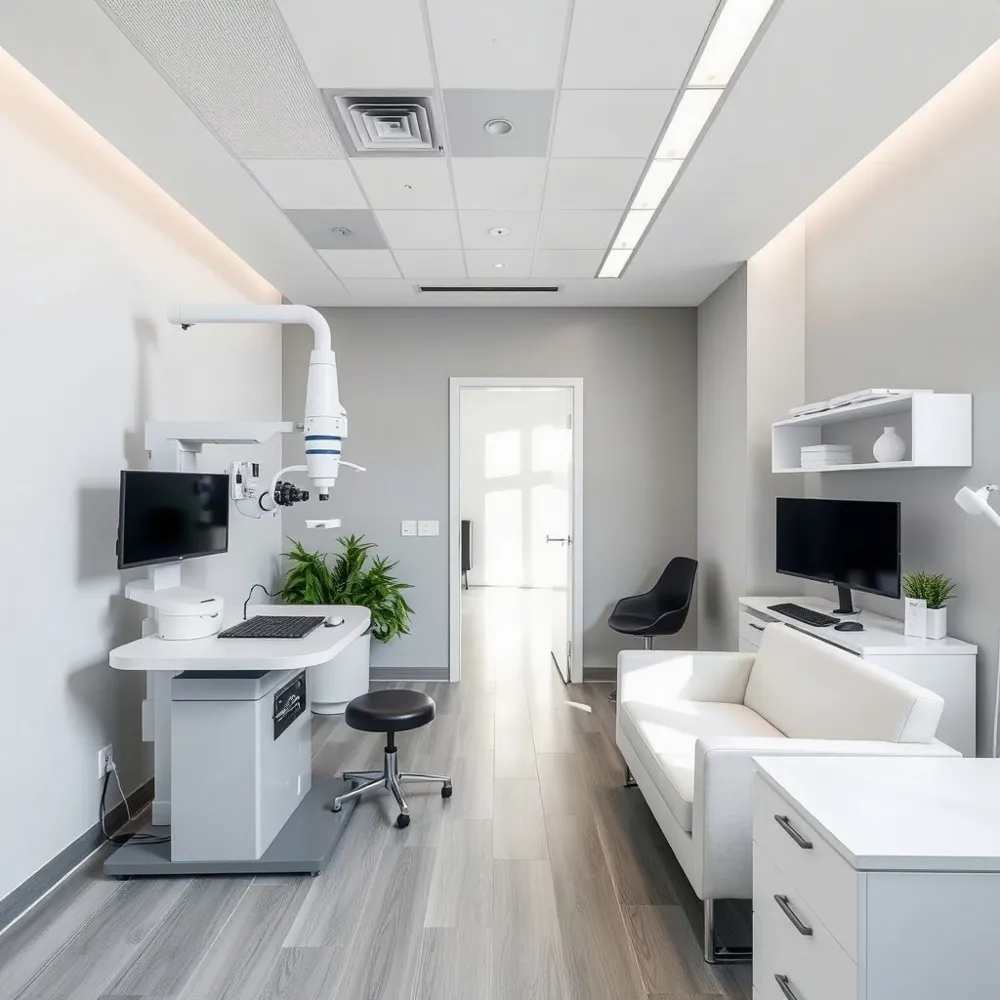 PRK and implantable collamer lens (ICL) surgery correct vision in different ways. PRK removes the cornea’s surface layer, then uses a laser to reshape the tissue beneath it. ICL surgery places a lens inside the eye while leaving the cornea intact.
PRK may be considered for people with thin corneas and can correct several refractive errors. Because the surface layer must heal, recovery can take longer than with some other procedures. ICL may suit some people with moderate to high nearsightedness, including those who are not candidates for corneal laser surgery, but it involves surgery inside the eye. The lens can generally be removed or replaced, though the procedure carries risks such as infection, glare, and increased eye pressure. Refractive surgery options and recovery vary by procedure and patient.
Neither approach is right for everyone. At Apple Eye Care, comprehensive optometry and advanced diagnostics, including DRI OCT Triton, can help assess eye health and support a discussion about appropriate next steps. A specialist can also review prescription stability, corneal condition, eye anatomy, and overall health before recommending or referring for surgery.
Age alone does not rule out LASIK, but cataracts, dry eyes, and other age-related changes can affect suitability. Some older adults may be better served by a lens-based approach, and distance correction may not remove the need for reading glasses. A thorough evaluation and conversation about risks, recovery, and expectations help shape an individual decision. LASIK considerations for older adults
Planning for Recovery and Cost
After refractive lens exchange (RLE), temporary blurry or fluctuating vision, light sensitivity, and mild irritation are common during the first few days. Vision may improve quickly, but full healing and adjustment to the artificial lenses can take several weeks. Recovery varies, as it does with other refractive surgery approaches.
Less common but serious concerns include infection, inflammation, bleeding, increased eye pressure, retinal detachment, and a need for additional treatment if the result differs from expectations. People with high nearsightedness may have a higher risk of retinal detachment. Follow the treating surgeon’s instructions for eye drops and follow-up visits, and avoid strenuous activity, swimming, or rubbing the eyes until cleared.
Seek prompt care for severe pain, sudden vision loss, increasing redness, or flashes and floaters. Apple Eye Care offers comprehensive optometry and advanced diagnostics, including DRI OCT Triton, to help assess eye health and discuss care needs; surgery-specific recovery guidance should come from the treating surgeon.
Coverage and fees depend on the plan, provider, location, and tests required. Vision insurance may cover routine comprehensive exams, while medical insurance may apply when an exam evaluates or manages an eye condition. Ask your insurer and the office about benefits, copays, network rules, and possible extra testing costs before scheduling. Apple Eye Care’s family-focused care in El Paso can address exam questions directly, but confirm current fees with the practice.
Supporting Children’s Vision
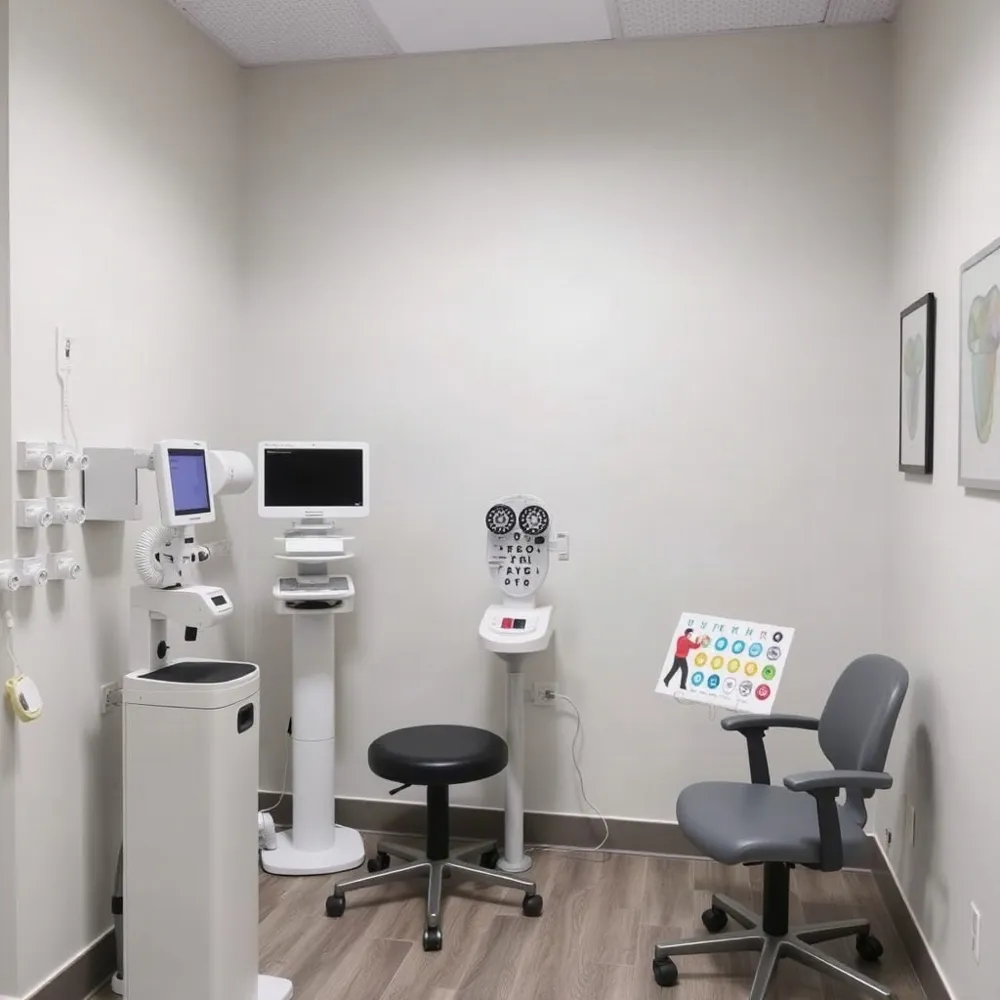 Yes. Children need comprehensive eye exams because a vision screening at school or a pediatrician’s office may not identify every concern, including problems with focusing, eye coordination, tracking, or eye health. A comprehensive exam can assess more than whether a child can read a chart.
Children may not realize their vision is unclear or know how to describe it. Undetected difficulties can affect learning and development, so arrange an exam if a child fails a screening or squints, rubs their eyes often, or has trouble tracking objects. The American Optometric Association’s eye exam guidance is a reference for families discussing routine eye care.
A child’s first comprehensive exam may be scheduled around 6 to 12 months, with later visits guided by age, risk factors, and an eye doctor’s advice. At Apple Eye Care in El Paso, family-focused optometry and advanced diagnostics, including DRI OCT Triton, support individualized assessment. Parents can discuss concerns and appropriate follow-up with an eye-care professional.
Choose Care Around Individual Needs
Clearer vision, greater convenience, and more options as vision changes are possible benefits of correction, not guaranteed results. Glasses, contact lenses, and surgery suit different needs, and some people may still need eyewear after treatment. A professional assessment helps set realistic expectations and identify suitable choices.
At Apple Eye Care, comprehensive optometry in El Paso includes personalized attention and advanced diagnostics such as DRI OCT Triton. Discuss your vision goals, eye health, and daily needs with an eye-care professional before choosing a correction method. Refractive surgery options depend on individual evaluation, while contact lens choices also require professional fitting.
Thoughtful, ongoing care can help people of different ages consider appropriate next steps as their vision and eye health needs evolve.