Vision Choices Shape Daily Life
Clear vision matters in ordinary moments, from finding your glasses in the morning to reading a screen, driving, exercising, or spending time outdoors. When sight is blurry or uncomfortable, these routines can take more effort.
Glasses and contact lenses correct common focusing problems, while procedures such as LASIK may reduce reliance on corrective eyewear for some people. Contact lenses can offer a glasses-free field of view, but each option has different care needs and considerations. The CDC’s overview of contact lenses notes that eye health, lifestyle, and budget all inform the choice.
No option suits everyone, and surgery does not guarantee freedom from glasses. A comprehensive exam helps clarify your vision needs and eye health. Apple Eye Care provides optometry services, including eye exams and vision correction, and can help patients discuss appropriate options without implying that the practice performs refractive surgery.
Everyday Options for Clearer Vision
Glasses and contact lenses correct refractive errors by helping focus light more clearly on the retina. They remain practical choices for many people, while refractive procedures offer other approaches for reducing dependence on corrective lenses. The Cleveland Clinic overview of refractive surgery describes both cornea-reshaping procedures and lens-based options.
LASIK, PRK, and SMILE reshape the cornea using laser techniques, but they differ in how they treat the eye and are not interchangeable. Lens-based options, such as implantable lenses or refractive lens exchange, may suit some people who are not candidates for a corneal procedure. Apple Eye Care provides comprehensive eye exams and vision correction in El Paso, helping patients discuss their needs without assuming that a particular surgery is offered or appropriate.
The right option depends on the refractive error, overall eye health, prescription stability, daily activities, and personal goals. A thorough evaluation can help clarify what may be suitable and what results to expect. Apple Eye Care’s family-focused optometry practice also manages conditions such as cataracts and glaucoma, and routine eye care remains important even after vision correction, as eyesight and eye health can change over time.
Choosing Between Glasses and Contacts
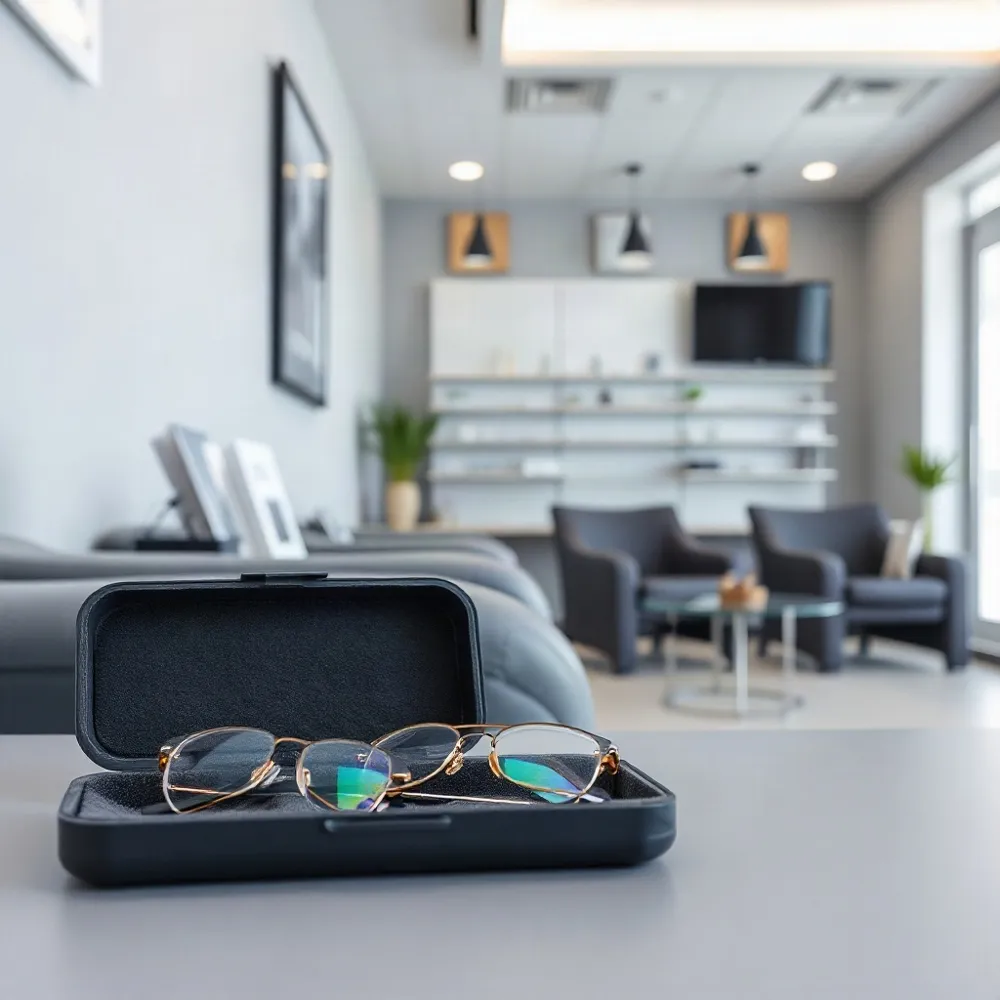 Contact lenses move with the eye and can provide a broad, unobstructed field of vision, which some people prefer for sports and other active routines. They also avoid the fogging that glasses can develop when temperatures change. The CDC notes that lens choice should reflect a person’s eyes, lifestyle, and budget, with guidance from an eye doctor (contact lens benefits).
Glasses are quick to put on and remove, require no direct contact with the eye, and can help shield eyes from wind, dust, and allergens. Frames may smudge or fog, however, and some designs can limit peripheral vision. Apple Eye Care’s comprehensive eye exams and personalized attention can help El Paso patients review their prescription and discuss which correction options fit their daily needs.
Contacts bring their own routine: wearers need to clean and replace lenses as directed and attend follow-up care. Poor hygiene or wearing lenses longer than recommended can raise the risk of eye problems. Some people also find contacts uncomfortable, particularly if they have dry-eye concerns or other eye-health needs.
Costs vary. Glasses may require a larger purchase at first but can last, while contacts and their supplies involve recurring expenses. Many people keep both options and choose based on activity, comfort, prescription, and eye health. Neither is universally better; an eye-care professional can help weigh the trade-offs.
How Laser Procedures Differ
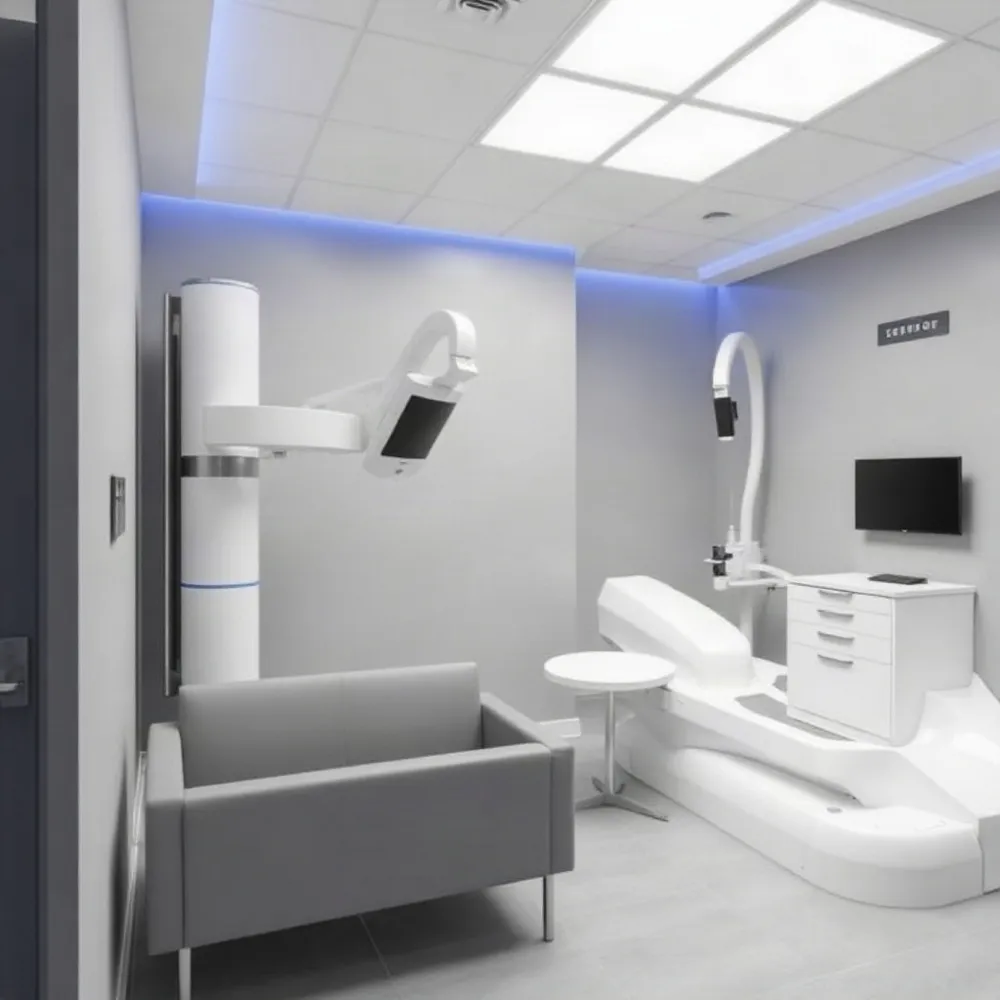 Laser vision procedures reshape the cornea in different ways, and those differences affect which prescriptions they can address and what recovery may involve. Apple Eye Care provides eye exams and vision-correction care in El Paso, but the practice information provided does not indicate that it performs these surgeries.
LASIK creates a thin flap in the cornea, reshapes the tissue beneath it with a laser, then repositions the flap. Visual recovery is often relatively quick, though it varies by patient. LASIK may correct nearsightedness, farsightedness, and astigmatism in suitable candidates. Mayo Clinic’s overview of LASIK explains that candidacy depends on eye health and other individual factors.
PRK reshapes the cornea’s surface after its outer layer is removed, without creating a flap. Healing and visual recovery are generally slower than with LASIK, and discomfort may be greater during the first few days. SMILE removes a small piece of corneal tissue through a small incision rather than a flap. It is generally used for nearsightedness, sometimes with astigmatism, and may be associated with less dry eye for some patients.
The differences are not simply about speed: prescription range, corneal shape, recovery, risks, and possible future treatment also matter. A qualified eye-care professional can review measurements, overall eye health, and personal goals, then discuss suitable procedures and alternatives. Apple Eye Care’s comprehensive eye care also includes advanced diagnostics and management of conditions such as dry eye, cataracts, and glaucoma, which can inform a broader discussion of eye health.
Suitability and Safety Come First
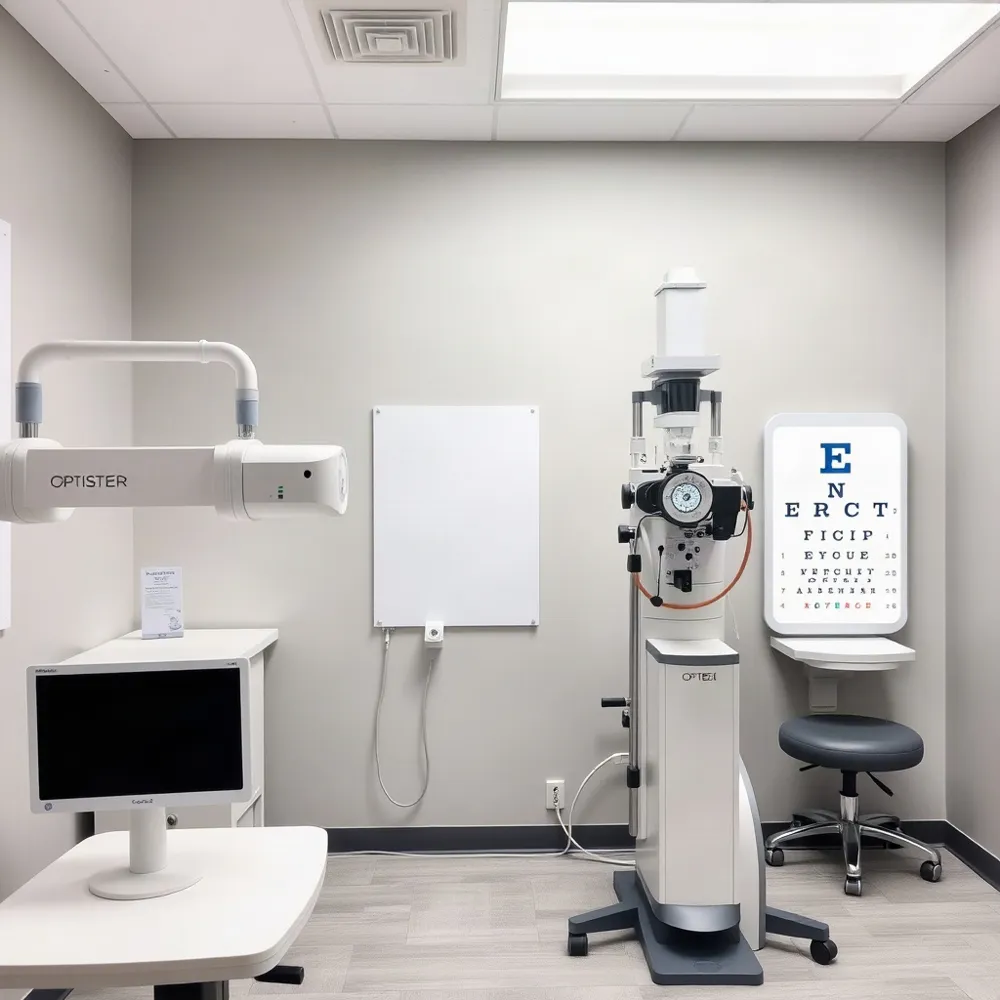 A procedure that reduces reliance on glasses or contacts is not suitable for every eye. At Apple Eye Care, comprehensive optometry includes eye exams and advanced diagnostics, which can help inform a conversation about vision needs and eye health. Refractive surgery requires a separate suitability assessment by a qualified professional; the Mayo Clinic LASIK guide explains why individual screening matters.
Stable vision and healthy eyes are important considerations. An evaluation may include vision testing, a comprehensive eye exam, corneal mapping, and detailed eye measurements. A prescription that has changed recently may make surgery less predictable, while severe dry eye, glaucoma, cataracts, keratoconus, thin corneas, or retinal disease may affect eligibility or healing.
Some health conditions and medications can also affect healing. Pregnancy, breastfeeding, fluctuating blood sugar, and other hormonal changes may temporarily alter vision, so timing and suitability should be assessed individually rather than decided by a single factor. Age alone does not determine candidacy. Work requirements, alternatives, costs, and personal comfort with risk also belong in the discussion.
Who may not be a good candidate for refractive surgery?
People with changing prescriptions or eye and health conditions that affect healing may need to wait, consider another option, or avoid a procedure. That does not mean one diagnosis automatically rules surgery out. A qualified eye-care professional can assess the full picture and explain whether further evaluation or alternatives are appropriate.
What are the risks and possible complications of LASIK?
Temporary effects can include dry or gritty eyes, fluctuating vision, glare, halos around lights, and difficulty seeing in low light. Less common complications include infection, inflammation, corneal-flap problems, or imperfect correction that leaves a person needing glasses, contacts, or additional treatment. Rare complications can cause lasting vision problems or vision loss. Mayo Clinic notes that careful evaluation helps identify risks, but screening cannot remove them. Discuss individual risks, realistic expectations, and alternatives before deciding.
Weighing Value and Lasting Results
The value of vision correction depends on how much glasses or contacts shape your routine. Some people may welcome waking without searching for eyewear, packing fewer supplies for travel, or being active with less dependence on correction. Others find their current glasses or contact lenses comfortable and convenient. These day-to-day differences matter as much as the potential financial trade-off.
How long do the results of LASIK last?
LASIK reshapes the cornea to correct a person’s prescription at the time of surgery. The correction can last for years, but it does not stop natural changes in the eyes. Presbyopia, which can make close-up tasks harder from around age 40, may mean reading glasses are still needed. Cataracts and other eye changes can also affect vision later, so surgery does not guarantee a lifetime without glasses or contacts. Mayo Clinic explains how vision can change after LASIK.
How much does LASIK cost, and is it worth considering?
Compare the upfront cost of surgery with ongoing spending on eyewear, lenses, and supplies. The University of Rochester Medical Center notes that some patients may reach a financial break-even point in about three to seven years, though personal costs and timing vary (LASIK cost considerations). Insurance often treats surgery as elective, so ask your insurer and the clinic directly about coverage, itemized costs, included follow-up care, and payment options.
A decision should account for possible benefits, risks such as dry eye or glare, alternatives, cost, and personal goals. At Apple Eye Care in El Paso, an eye exam can help review vision needs and eye health; the practice also provides comprehensive optometry and advanced diagnostics. Discussing these factors with an eye-care professional can help clarify whether surgery merits further consideration, without assuming that it is suitable for everyone.
Start With Your Own Eyes
The right vision-correction choice depends on your eye health, daily routine, comfort, and expectations. Glasses, contacts, and surgical options each have trade-offs, so a personal evaluation matters more than a one-size-fits-all answer.
At an eye-care visit, talk about changes in your vision, how glasses or contacts feel, and options that may suit you. An exam can guide those choices while checking ongoing eye health. Apple Eye Care provides comprehensive optometry in El Paso, including eye exams and vision correction, with personalized, family-focused care.