Why Contact Lens Fittings Matter
Contact lenses are medical devices worn directly on the eye, so choosing them involves more than matching a prescription. A fitting helps assess whether lenses suit a person’s eyes, vision needs, comfort, and daily activities, while giving the eye-care professional a chance to discuss safe wear and care.
That personalized approach matters for new wearers and people whose needs or comfort have changed. Lens options and care routines can differ, and follow-up helps identify whether a choice is working as intended. At Apple Eye Care in El Paso, personalized attention is part of comprehensive optometry care, giving patients room to discuss their vision needs and questions with their provider.
How A Fitting Finds The Right Lens
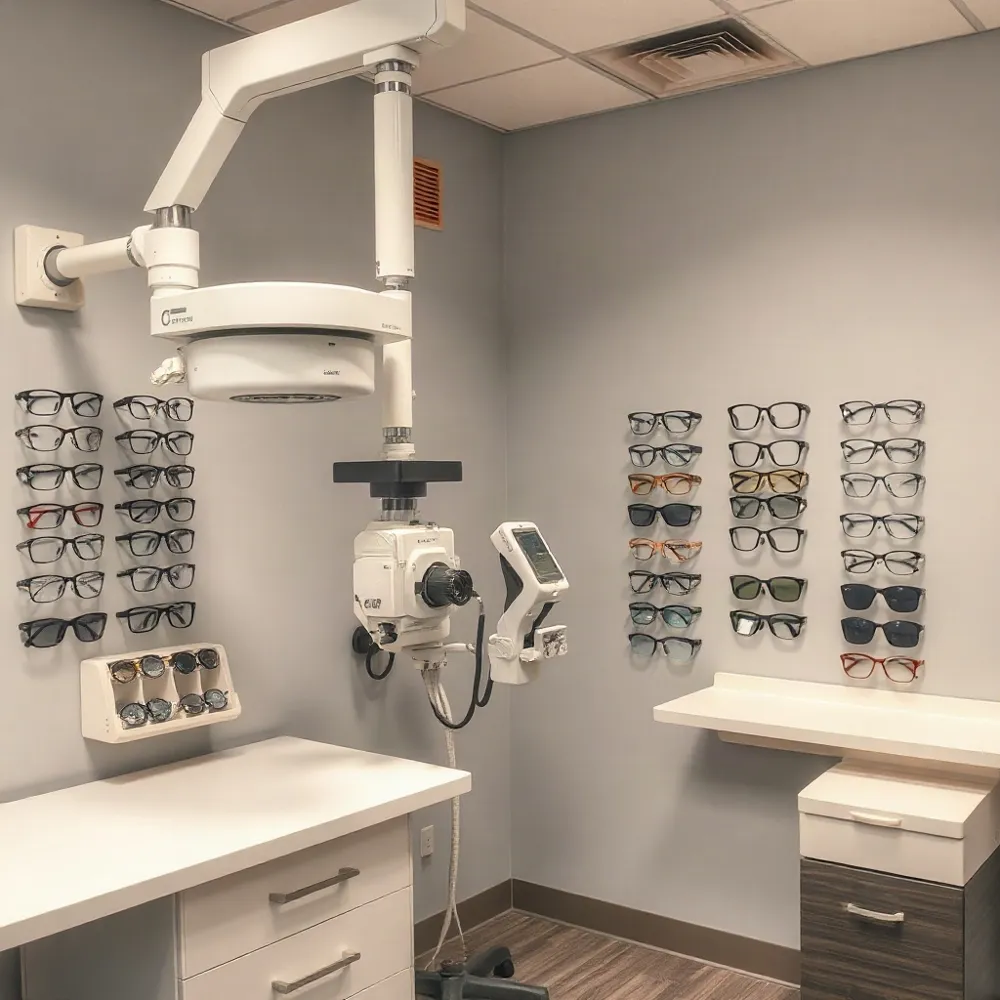 A contact lens fitting helps an eye care professional match lenses to your prescription, eye shape, vision needs, and daily preferences. Apple Eye Care’s comprehensive optometry care in El Paso includes personalized attention, so lens recommendations can be considered in the context of each patient’s needs.
The optometrist may measure corneal curvature and assess the tear film, since these factors can affect how a lens sits and feels. Lifestyle also matters: wearing habits, work, and activities can help guide the choice of lens type and material. Contact lens technology continues to expand the options clinicians can consider, as described in this overview of contact lens technology.
Trial lenses may then be placed on the eyes. The optometrist checks their position, coverage, and movement, along with comfort and visual clarity. If the lenses shift, feel uncomfortable, or do not provide clear vision, the selection can be adjusted. A fitting is an individualized assessment, not a guarantee that every lens will suit every patient.
A routine eye exam assesses vision and overall eye health, including screening for eye conditions. A contact lens fitting adds measurements and in-eye checks specific to lenses, which rest directly on the eye; it does not replace routine eye-health exams. Apple Eye Care also provides advanced diagnostics, including DRI OCT Triton imaging, as part of its broader optometry services.
The appointment may include guidance on inserting and removing lenses, wearing them as directed, and following care instructions. Follow-up gives the optometrist a chance to confirm how the lenses perform in everyday use and address discomfort or vision concerns. Patient discussions about comfort and lens performance can help inform recommendations, as outlined in this article on fitting patients with contact lens technology.
Fittings Keep Care Current
Contact lenses that once felt comfortable may no longer suit your eyes or vision. Periodic evaluations give your optometrist a chance to check your prescription, eye health, tear film, and how the lenses fit, then decide whether an adjustment is needed. At Apple Eye Care, personalized attention and modern diagnostic technology support care tailored to each patient’s needs.
Do you need a contact lens fitting if you already wear contacts?
Yes. Eye health, comfort, and lens fit can change over time, so returning wearers benefit from regular professional review. A new fitting may be especially useful if you are switching brands or lens types, or have dryness, discomfort, or blurred vision. Many wearers are advised to return about once a year, though your eye-care professional can recommend timing that suits your situation. Safe use and ongoing guidance matter because contact lenses are medical devices, as discussed in this overview of contact lens care.
What is included in a premium contact lens fitting?
A premium fitting may include a review of your vision needs and lifestyle, eye and contact lens assessments, measurements of corneal curvature and eye shape, and evaluation of the tear film. Trial lenses can help the optometrist assess fit, movement, comfort, and vision. Additional assessment may be useful for multifocal, rigid gas-permeable, or other specialty lenses, and follow-up can help confirm the fit or guide adjustments. The exact services depend on the lens type and your eyes. Newer lens designs continue to expand options, but an individual evaluation determines which are suitable, as noted in this review of contact lens technology. Not every lens is right for every patient.
Clear Costs Support Better Choices
 Contact lens fitting fees vary by practice and by the needs of the wearer. A broad estimate runs from about $19 to more than $250, but it is not Apple Eye Care’s pricing; ask the practice to confirm current fees before scheduling.
The fitting fee may be separate from a comprehensive eye exam and from the cost of the lenses. Complexity and lens type can affect the fitting: toric or multifocal lenses, for example, may call for additional assessment or follow-up. Insurance coverage also varies by plan, so check what your benefits include.
Before booking with Apple Eye Care in El Paso, ask what the fitting includes, whether an exam is billed separately, and how your vision benefits apply. A clear explanation of lens choices and costs can help you compare options and decide what fits your needs and budget.
Access matters, too. Timely access to diagnostic lenses can help an eye care professional assess an option without an unnecessary delay, while convenient ordering makes it easier to follow through. Apple Eye Care’s family-focused practice emphasizes personalized attention, so asking these questions in advance can help you understand the process before your visit.
Safe Wear And Screen Comfort
 Contact lenses are generally safe when prescribed and cared for properly, but incorrect use can cause discomfort or infection and may contribute to lasting vision problems. The FDA classification of contact lenses as medical devices is one reason professional guidance matters.
Follow the wearing and replacement schedule your optometrist recommends. Wash and dry your hands before handling lenses, and clean and store reusable lenses only as instructed. Do not sleep in lenses unless your eye-care professional specifically directs you to use a lens approved for overnight wear. Keep tap water away from lenses and cases, and replace cases on the recommended schedule.
Can wearing contact lenses cause long-term eye problems? It can, particularly when lenses are worn longer than directed or during sleep without approval. Remove your lenses and contact an eye-care professional promptly if you have persistent discomfort, redness, light sensitivity, discharge, or blurred vision. Regular eye exams help check that your lenses remain suitable. Apple Eye Care provides comprehensive optometry and dry eye care, which can help address comfort concerns as part of an individual assessment.
What is the 20-20-20 rule, and how can it help with digital eye strain? Every 20 minutes, look at something about 20 feet away for at least 20 seconds. This screen break may ease discomfort from sustained near work, though it is not a guaranteed treatment. Prolonged device use can reduce blinking and affect the tear film, a factor in lens comfort described in this overview of contact lens care. Blink regularly, too. If symptoms persist, ask an optometrist whether a different lens material or option may suit your eyes.
Modern Technology In Eye Care
A modern eye exam may combine digital imaging with tests that assess vision and eye health. The tools used depend on your symptoms, medical history, and care needs, and your optometrist can explain the purpose of each test.
Optical coherence tomography (OCT) uses light waves to create detailed cross-sectional images of the retina and optic nerve without touching the eye. Apple Eye Care offers the DRI OCT Triton, an imaging tool that can help Dr. Stephen Applebaum evaluate changes associated with glaucoma, diabetic eye disease, and macular degeneration. OCT images support an eye-care professional’s assessment, but the technology alone does not diagnose or treat these conditions.
Other diagnostic tools may measure eye pressure, assess focusing and eye coordination, or capture retinal photographs. As contact lens technology advances, modern optometry continues to expand its diagnostic options. The appropriate tests are chosen for the individual, helping connect exam findings with personalized care.
Personalized Care Beyond The Prescription
A contact lens fitting is not just a prescription check. It gives you a chance to discuss comfort, vision, daily routines, and lens-care habits, then consider options suited to your eyes. Research on contact lens fitting and patient education emphasizes that professional guidance can support safer wear and help patients understand their choices.
Tell your eye-care professional about screen use, discomfort, and the lens features you prefer. Apple Eye Care offers comprehensive optometry and personalized attention in El Paso, with care led by Dr. Stephen Applebaum. Ask the practice directly about contact lens services, appointment details, and fees, since these can vary. A thoughtful conversation helps connect lens choices with your needs and allows comfort and vision to be reviewed over time.