Vision Beyond the Eye Chart
A fast play asks an athlete to spot movement, judge what it means, and coordinate a physical response, often in a moment. Clear sight matters, but sports also draw on how the brain interprets visual information and connects it to movement, as described in a systematic review of sports vision.
Sports vision coaching takes an individualized approach to visual and perceptual skills. The right focus can depend on the sport, the athlete’s role, and their visual strengths and needs. Research suggests some training approaches may help, but results vary, and improvements on drills do not guarantee better competitive performance. A 2024 review of athlete vision training also notes limits in the evidence.
This article explains which visual skills may matter in play, what assessment can consider, and how to interpret training claims. It also covers protective eyewear. For athletes in El Paso, Apple Eye Care provides comprehensive eye exams and advanced diagnostics, which support routine eye health assessment; specialized sports vision coaching is a separate service and should not be assumed.
What Sports Vision Optometry Addresses
Sports vision optometry looks at how an athlete uses visual information during activity, not just whether they can read an eye chart. Clear sight matters, but sport can also call for quick tracking, accurate distance judgment, awareness of movement to the side, and coordinated eye movements.
A sports-focused assessment may consider these abilities alongside the athlete’s position, activity, and visual concerns. The goal is to understand individual strengths and identify areas that may need attention, rather than assume every athlete needs the same tests or training. The American Optometric Association’s sports and performance vision guidance describes comprehensive examinations tailored to a patient’s sports and physical activities.
Recommendations depend on the findings and the demands of the sport. They may include an updated prescription, suitable contact lenses, protective eyewear, or visual skills training when appropriate. Training is not a substitute for correcting a vision problem, and research suggests that gains on visual tests do not always transfer to competitive results. A 2024 systematic review of sports vision training supports a measured, individualized approach.
For athletes in El Paso, a routine exam at Apple Eye Care can address general eye health and vision needs using services such as comprehensive eye exams and advanced diagnostics. Sports-specific coaching or specialized performance testing should not be assumed to be part of that care unless confirmed directly. Sports vision care complements routine eye care; it does not replace regular examinations or treatment for eye conditions.
Visual Skills That Shape Play
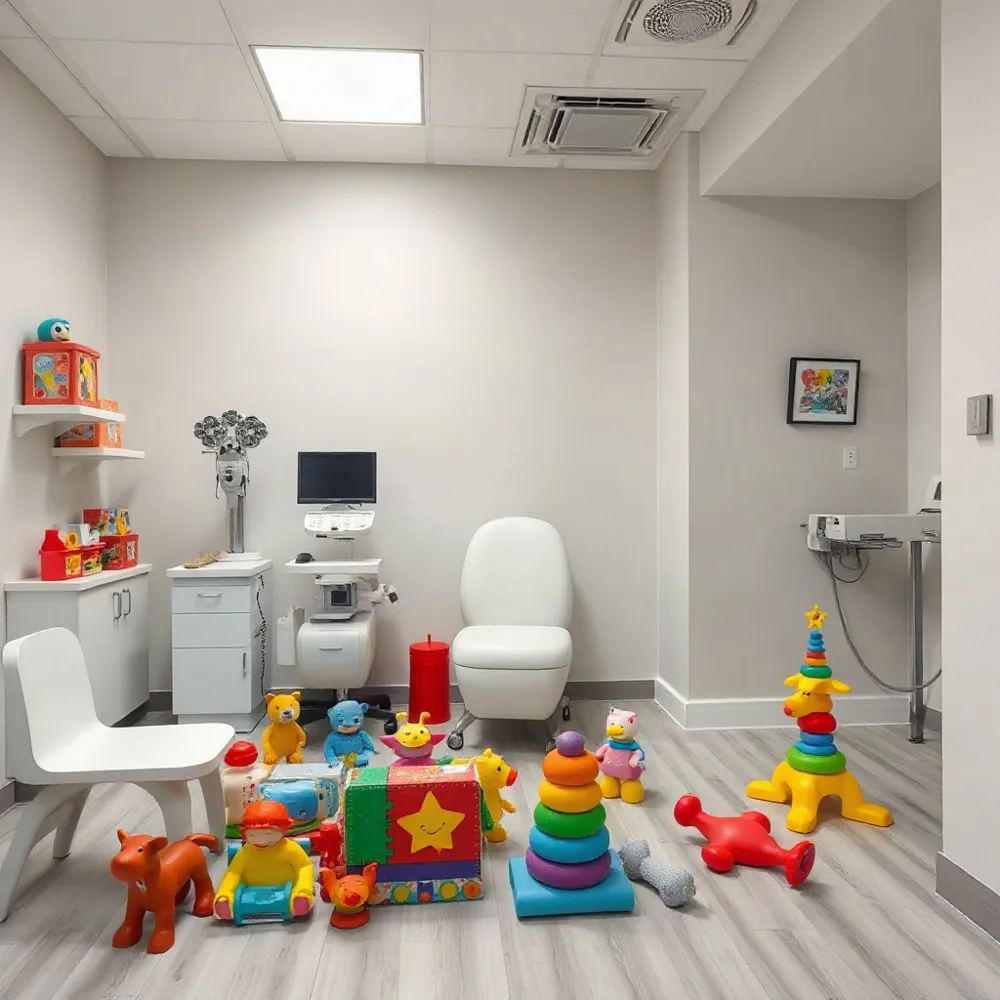 Athletes rely on more than sharp eyesight. The visual demands change with the sport, position, and task, so a skill that matters to a goalkeeper may be less important to a golfer. Apple Eye Care’s comprehensive eye care in El Paso includes eye exams and advanced diagnostics, which can help address general vision and eye-health concerns, though the practice’s listed services do not establish a sports-specific training program.
Dynamic visual acuity is the ability to see moving objects clearly. Eye tracking means following a moving object or shifting gaze between targets, while visual reaction time describes how quickly visual information leads to a response. These abilities can help an athlete follow play and act on what they see. The New England College of Optometry’s overview of sports vision skills describes how these skills relate to athletic tasks.
Peripheral awareness helps an athlete notice movement outside the direct line of sight without turning away from the main action. Depth perception supports judging distance and the spatial relationships between a ball, teammates, opponents, and boundaries. Together, these skills can inform positioning and movement, but their value depends on the situation.
Eye-hand-body coordination links what an athlete sees with controlled movement, such as reaching, catching, or making contact with a ball. Visual concentration helps keep attention on relevant cues amid distractions. Visual memory and visualization may also support recalling patterns or mentally rehearsing an action, but they should not be treated as guaranteed routes to better results.
The evidence favors matching assessment and practice to the athlete’s real demands rather than assuming one set of visual skills matters equally to everyone. A 2024 systematic review of sports vision training found varied approaches and noted that evidence for gains in actual competitive performance is less extensive than evidence for improvements on visual or training-related tests. An eye-care professional can help distinguish routine vision concerns from goals that may call for specialized sports-vision assessment.
Building an Individual Assessment
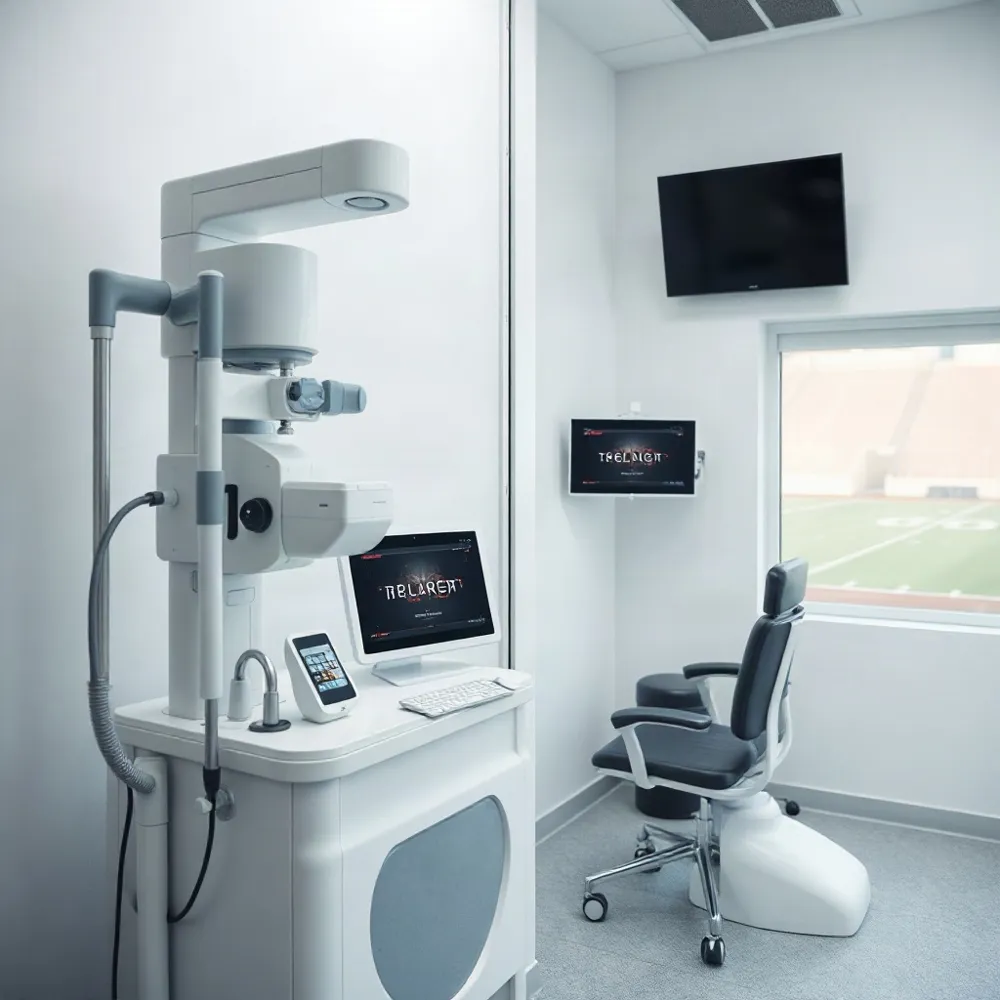 What does a sports vision assessment involve? It starts with a conversation about the athlete’s sport, goals, and any vision concerns, then moves to an eye and vision evaluation. The exact process varies by athlete and setting. A baseball player tracking a pitch and a basketball player scanning a crowded court may have different visual demands.
Depending on the athlete’s needs, an evaluation may include visual acuity, contrast sensitivity, eye tracking and focusing, depth perception, peripheral awareness, and hand-eye coordination. These measures look beyond the ability to read letters on an eye chart. The New England College of Optometry’s overview of sports vision evaluation describes assessments that can measure several of these visual functions.
A baseline can help separate a need for ordinary vision correction from visual skills that might be considered for targeted training. Clearer vision may call for an updated prescription, while a difficulty with tracking or coordination may prompt further discussion. Training is not a substitute for correcting refractive errors or for routine eye care.
Research supports assessing visual function in relation to an athlete’s sport, but it does not establish one standard test battery or guarantee a performance benefit. A systematic review of sports vision and performance notes differences in study methods and limitations in the evidence. Findings should therefore be interpreted in context, including the athlete’s role, condition, and goals.
At Apple Eye Care in El Paso, comprehensive optometry includes eye exams and advanced diagnostics such as DRI OCT Triton. Those practice details do not establish that Apple Eye Care offers sports-specific testing or training, or has particular sports-vision equipment, staff expertise, or outcomes. Athletes can discuss their visual concerns during an eye-care visit and confirm which services are available.
Training Skills With Sport-Relevant Practice
Can vision exercises improve athletic performance? They may help athletes practice specific abilities, such as tracking a moving object, shifting focus, noticing movement outside direct gaze, and coordinating what they see with a physical response. Whether those gains carry over to competition depends on the athlete, sport, and training approach.
Programs generally take one of three forms: they isolate a visual skill, place practice in a sport-like setting, or combine several drills in an integrated battery. The right focus varies by sport and role. A 2024 systematic review of 126 studies found that most reported gains on visual or sport-specific tests, but only 15 reported outcomes from competitive matches. The review therefore supports cautious expectations, not a promise of better results.
The 2024 systematic review of vision training in athletes found the strongest performance evidence for naturalistic practice, which uses sport-specific tasks or stimuli. Isolated drills often improved skills close to what athletes practiced, but transfer to competition was less certain. Gaze training, simulation, and stroboscopic training also showed promising findings, though none guarantees an individual athlete will improve.
Simple activities can serve as introductory practice: alternate focus between a nearby and distant object, notice movement at the edges of vision while looking straight ahead, or try dropping a small piece of paper through a straw held at arm’s length. These examples are not individualized treatment. The review describes sport vision as an approach shaped by an athlete’s activity and needs, rather than one standard set of exercises (systematic review of sport vision and performance).
Home exercises do not correct nearsightedness, farsightedness, or astigmatism, and they do not replace routine eye exams. Before choosing a program, athletes should discuss their visual concerns with an eye-care professional. At Apple Eye Care in El Paso, routine optometry care includes eye exams and vision correction, which can address needs that exercise alone cannot.
Choosing Sports-Safe Prescription Eyewear
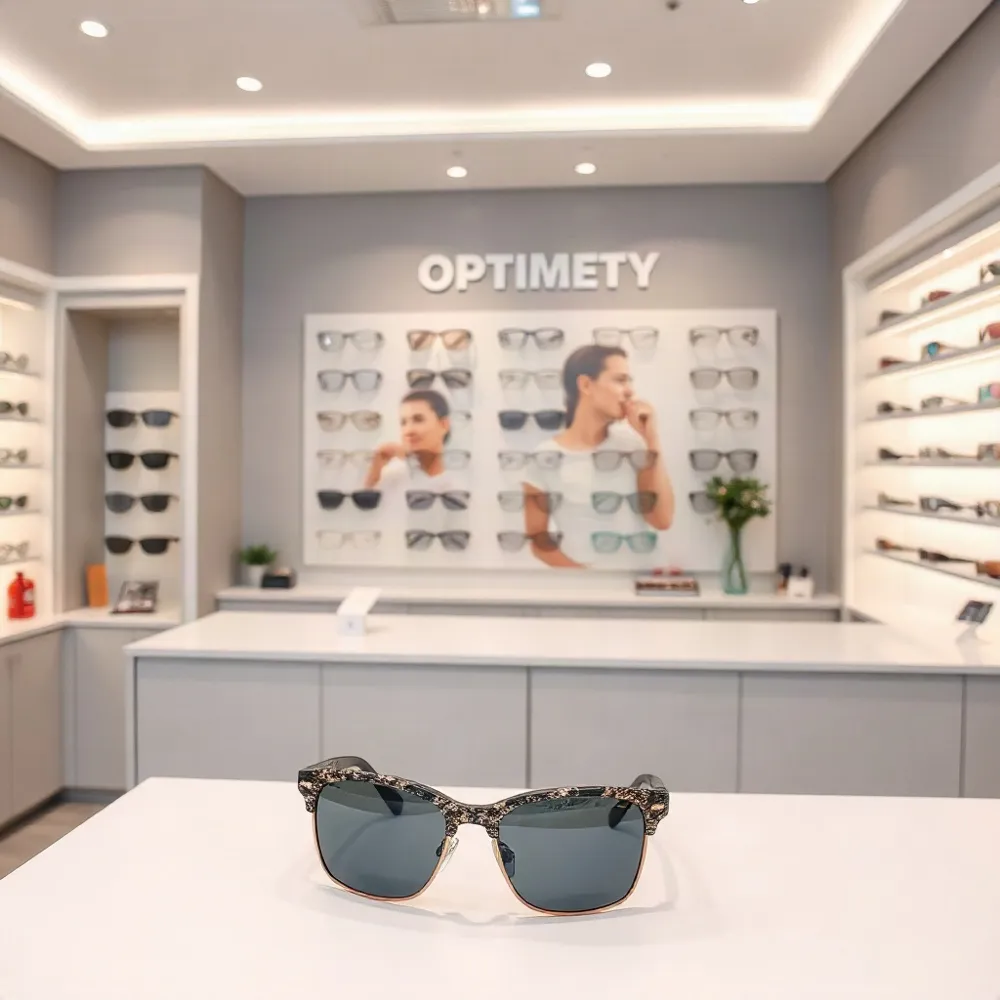 Are prescription sports glasses worth considering? Yes, if you need vision correction while playing, especially in activities with fast-moving balls, equipment, or close contact. Everyday dress glasses are not designed for sports and can break or offer inadequate protection. The American Optometric Association’s guidance on sports and performance vision recommends matching eye care and protective eyewear to an athlete’s activities.
The right choice depends on the sport, your prescription, how the eyewear fits, and the level of protection needed. Sport-specific glasses or goggles may have secure-fitting frames and impact-resistant lenses or materials, but features vary, so check the product details rather than assuming every pair offers the same protection. For higher-risk activities, ask whether the eyewear meets the relevant safety standard, such as ASTM F803, and discuss suitable options with an optometrist.
Prescription sports eyewear can help you see clearly while adding protection, but it does not train visual skills or guarantee better performance. It also does not replace a comprehensive eye exam. At Apple Eye Care in El Paso, comprehensive exams and vision correction can help clarify prescription needs; athletes can discuss their sport and eyewear requirements with an eye-care professional.
Eye Black and the Limits of Glare Claims
Does eye black improve athletes’ vision? Grease-based eye black may offer a modest benefit in bright sunlight by reducing glare and helping an athlete distinguish an object from its background. But the available finding concerns contrast sensitivity, not a proven improvement in game performance.
In a controlled study of 46 adults, eye black grease improved contrast sensitivity by about one level on a standard chart. Anti-glare stickers and clear petroleum jelly did not produce the same result. The study did not show that athletes made better plays or performed better in real competition, so the result should not be treated as a performance guarantee.
The possible benefit may also matter less indoors or when glare is limited. Eye black cannot correct a prescription or protect the eyes from impact. The American Optometric Association advises athletes to use sports-appropriate protective eyewear, since ordinary glasses are not designed to protect against sports injuries (sports and performance vision guidance).
For athletes in El Paso, Apple Eye Care provides comprehensive optometry services, including eye exams and vision correction. An eye-care professional can help determine whether an athlete needs prescription correction or protective eyewear, rather than relying on eye black to address a vision problem.
A Measured Approach to Better Vision
Visual demands vary by sport and role, so an athlete’s goals should reflect the activities they do and the needs an assessment identifies. Research suggests sport-relevant practice may help, but evidence for gains in competition remains limited.
Discuss vision concerns, prescription correction, and protective eyewear with an eye-care professional. The American Optometric Association’s sports vision guidance emphasizes comprehensive eye care and sports-safe eyewear. In El Paso, Apple Eye Care provides eye exams, vision correction, and advanced diagnostics, but those services should not be mistaken for sport-specific coaching.