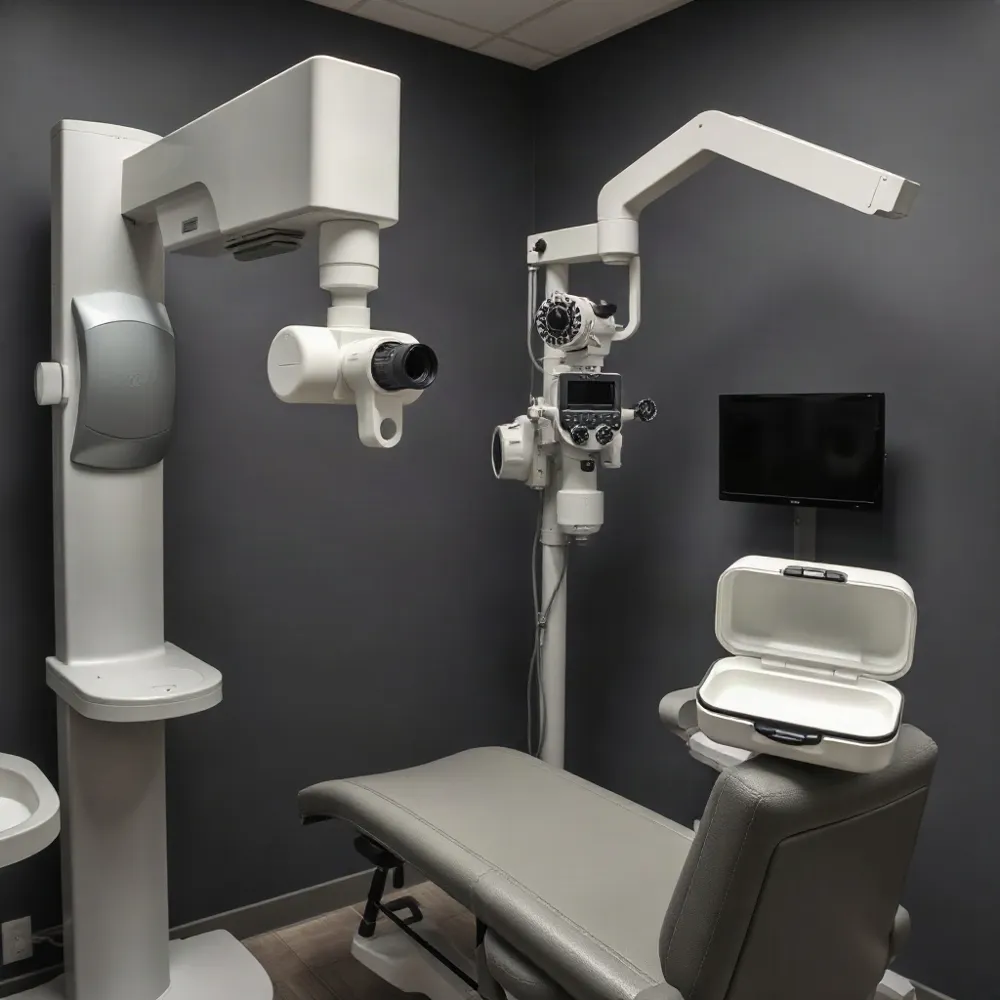
When Basic Relief Is Not Enough
Dry eye can involve too few tears, tears that evaporate too quickly, or a mix of both. Symptoms may include burning, grittiness, watering, or blurry vision, and the cause can vary from person to person. An eye-care professional can assess tear production and eyelid health to help guide treatment. At Apple Eye Care in El Paso, comprehensive eye exams and advanced diagnostics support individualized care.
Two treatments address different parts of the problem. Punctal plugs slow tear drainage so moisture stays on the eye’s surface longer, while intense pulsed light (IPL) may target inflammation and blocked eyelid oil glands linked to tear evaporation. Punctal plugs and IPL are not suitable for everyone, and neither replaces an assessment of the underlying cause.
A clinician can discuss whether either approach, another treatment, or a combination fits your symptoms and eye health. Apple Eye Care provides specialized dry eye care, with treatment decisions guided by an individual evaluation.
Understanding Dry Eye and Its Treatment
 Dry eye develops when the eyes do not produce enough tears, when tears evaporate too quickly, or when both problems occur. The tear film may become unstable, causing burning, grittiness, watering, or vision that blurs and clears again. Dry eye symptoms and causes vary, so the same complaint can have different underlying causes.
Aging, hormonal changes, health conditions, some medications, and problems affecting the eyelids or tear glands can contribute. Contact lenses, smoke, wind, and dry or air-conditioned environments may also aggravate symptoms. Dryness can seem to begin suddenly after a change in health, medication, surroundings, or screen habits. Looking at a screen for long periods can reduce blinking, which may leave the eye surface less evenly lubricated.
An eye examination helps assess the eye surface, tear production, tear quality, and eyelid health. At Apple Eye Care in El Paso, a comprehensive optometry practice, the care team can evaluate symptoms and consider them alongside a patient’s overall eye health. Treatment depends on the cause and severity, and may include artificial tears, eyelid hygiene, warm compresses, environmental changes, prescription medicines, or procedures. Some people need a combination and follow-up to see how well it is working.
Practical steps may help: take screen breaks, blink fully and regularly, avoid fans or air-conditioning blowing directly at the face, and use a humidifier in dry indoor air. Warm compresses may be useful when eyelid oil-gland problems contribute. Dry eye is often chronic, and there is no single permanent cure for every cause, but appropriate treatment can control symptoms.
Severe or long-lasting dryness can damage the eye surface, including the cornea, and in uncommon cases threaten vision. Persistent pain, redness, or light sensitivity, as well as changes in vision, warrant professional assessment. Seek prompt care for severe symptoms or sudden vision changes. Dry eye treatment options are chosen according to individual symptoms and examination findings.
How Punctal Plugs Retain Tears
 Punctal plugs are tiny inserts placed in the puncta, the small tear-drainage openings near the inner corners of the eyelids. By slowing or blocking drainage, they help natural tears stay on the eye’s surface longer and maintain moisture. An eye-care professional can assess whether this approach fits the cause of your dryness.
Plugs may be considered when eye drops have not provided enough relief or when reduced tear production contributes to symptoms. They can also help keep artificial tears or prescribed drops on the eye longer. Punctal plugs are one of several treatment options, and a clinician’s examination helps determine whether retaining more tears is appropriate.
Placement is usually a brief office procedure. The eye-care professional examines the eyes, chooses a suitable plug type and size, and may use anesthetic before placing the insert with a specialized tool. People may feel slight pressure or a tug on the eyelid, but the plug does not touch the eye itself. Most can return to usual activities afterward. The American Academy of Ophthalmology’s guide to punctal plugs describes the evaluation and placement process.
A plug may be placed in an upper or lower punctum, depending on the treatment plan. Some designs sit at the opening and may be visible near the inner corner of the eye; plugs positioned farther inside the tear duct are hidden. Temporary plugs may dissolve over time, while longer-lasting options can be removed by a provider if needed. The right placement and type depend on individual eye health and symptoms.
Plug Types, Side Effects, and Cost
How long punctal plugs last depends on their material and design. Temporary collagen plugs dissolve over time and may last from a few days to several months. Longer-lasting plugs made from materials such as silicone or acrylic are designed to stay in place for years, though an eye-care professional can remove them if needed. The American Academy of Ophthalmology’s guide to punctal plugs describes temporary and semi-permanent options, while noting that a clinician selects the type and size after examining the eye.
The most common side effect is a scratchy or irritating feeling near the inner corner of the eye, which may become less noticeable over time. Plugs can also cause excessive tearing, shift out of position, or fall out. A poorly fitting or displaced plug may rub against the eye or eyelid. Less often, irritation can affect the tear duct and lead to inflammation or scarring, and infection is possible. Contact an eye-care professional about persistent discomfort, pain, redness, worsening symptoms, or signs of infection.
Reported costs average about $572 nationwide, with a range of roughly $440 to $1,117; the reported Texas average is about $530. These figures are estimates, not guaranteed prices. The amount you pay can vary with the plug type, clinic, location, and provider. At Apple Eye Care, treatment decisions are informed by an eye examination and the practice’s personalized approach to optometry, so ask the provider for a cost estimate based on your care.
Some medical insurance plans may cover part or all of punctal plug treatment when it meets the plan’s requirements. Coverage, copays, and prior-authorization rules differ, so confirm benefits with your insurer and ask the eye-care provider what information is needed before scheduling.
Light Therapy for Gland-Related Dry Eye
 Intense pulsed light (IPL) may help some people whose dry eye is linked to meibomian gland dysfunction (MGD). These glands produce oil that slows tear evaporation. When oil flow is impaired, the tear film can become unstable and the eyes may dry out more quickly.
IPL is performed in an eye-care office, with light directed at the skin around the eyelids and the glands beneath it. The treatment may reduce inflammation and improve oil flow. Some protocols pair IPL with meibomian gland expression, in which a clinician applies pressure to help release oil from blocked glands. These approaches target gland problems, unlike punctal plugs, which slow tear drainage to retain moisture.
Research and clinical experience suggest that some patients may have fewer symptoms after IPL, but outcomes vary and treatment protocols differ. A review of pulsed light therapy describes potential benefits while noting that the evidence and methods are not uniform (review of IPL for dry eye). IPL is not a cure and does not address every cause of dry eye.
A comprehensive evaluation helps identify whether gland dysfunction is contributing to symptoms and whether IPL is appropriate. At Apple Eye Care in El Paso, dry eye care is part of a broader optometry practice that also provides eye exams and advanced diagnostics. Discuss likely benefits, limitations, and alternatives with an eye-care professional before choosing a treatment.
IPL Safety, Fees, and Other Options
IPL can leave treated skin temporarily red, warm, mildly swollen, or uncomfortable. Burns, pigment changes, and eye injury are less common risks, so treatment should be performed by a qualified professional with appropriate eye protection. IPL may not be suitable for people with darker or pigmented skin, and skin sensitivity, health conditions, and medications can affect candidacy. The American Academy of Ophthalmology’s guidance on dry-eye devices recommends discussing treatment suitability with an eye-care professional.
Fees vary by clinic and location, and IPL may involve several visits. Ask for an estimate that includes consultation and follow-up charges, not just the treatment sessions. Dry-eye IPL is often paid out of pocket, but coverage depends on the insurance policy. Before starting, ask both the provider and insurer about candidacy, risks, total fees, coverage, and any preauthorization requirements.
At Apple Eye Care in El Paso, an eye examination and assessment of individual needs can help inform a discussion of suitable dry-eye care. The practice offers comprehensive optometry and advanced diagnostics, but patients should confirm which specific procedures are available.
LipiFlow is an in-office thermal pulsation procedure that warms the inner eyelids and applies gentle pressure from the outside to help clear blocked meibomian glands. Unlike punctal plugs, which slow tear drainage to retain moisture, LipiFlow targets gland blockages that can contribute to evaporation. NYU Langone describes these as distinct approaches.
Low-level light therapy uses controlled light, often near-infrared. It is a newer approach, and methods and evidence vary. Discuss it with an eye-care professional rather than trying home light devices or assuming results are assured. Apple Eye Care’s personalized evaluation can help patients consider treatment options in light of their symptoms and eye health.
Let the Cause Guide the Choice
Punctal plugs slow tear drainage to keep moisture on the eye, while IPL and other gland-directed procedures aim to improve oil flow or reduce inflammation that can speed evaporation. These approaches address different contributors to dry eye, so one is not a substitute for the other in every case. NYU Langone’s overview of dry eye procedures describes this distinction.
Because dry eye can stem from low tear production, poor tear quality, gland problems, or a combination, treatment depends on an eye examination and the person’s symptoms and history. Persistent discomfort or questions about advanced therapies are good reasons to seek an assessment. Apple Eye Care in El Paso provides comprehensive eye exams and dry eye care, with treatment decisions guided by individual needs.
Ask an eye-care professional about the likely benefits, risks, costs, and alternatives before choosing a procedure. A clinician can help determine whether retaining tears, treating gland-related evaporation, or another approach is appropriate. Mayo Clinic’s dry eye treatment guidance also emphasizes matching care to the cause and severity of symptoms.