Care That Starts With the Individual
Eye care is about more than updating a glasses prescription. A useful plan reflects a person’s vision needs, health history, daily activities, symptoms, preferences, and concerns about the future. Long hours at a screen, for example, may call for a conversation about eye strain or dryness, while changes in health can affect what an exam should assess.
Personalized care also continues beyond a single appointment. Follow-up exams give clinicians a chance to track changes and adjust recommendations as vision, health, or routines shift. At Apple Eye Care in El Paso, comprehensive exams and advanced diagnostics, including DRI OCT Triton imaging, support assessment and ongoing monitoring.
Clear communication helps make those findings useful: patients should understand what an exam shows, why a recommendation fits their needs, and what choices are available. This section explores how thorough assessment, appropriate technology, and a plan shaped around the individual can support informed eye-care decisions.
A Comprehensive Exam Builds the Plan
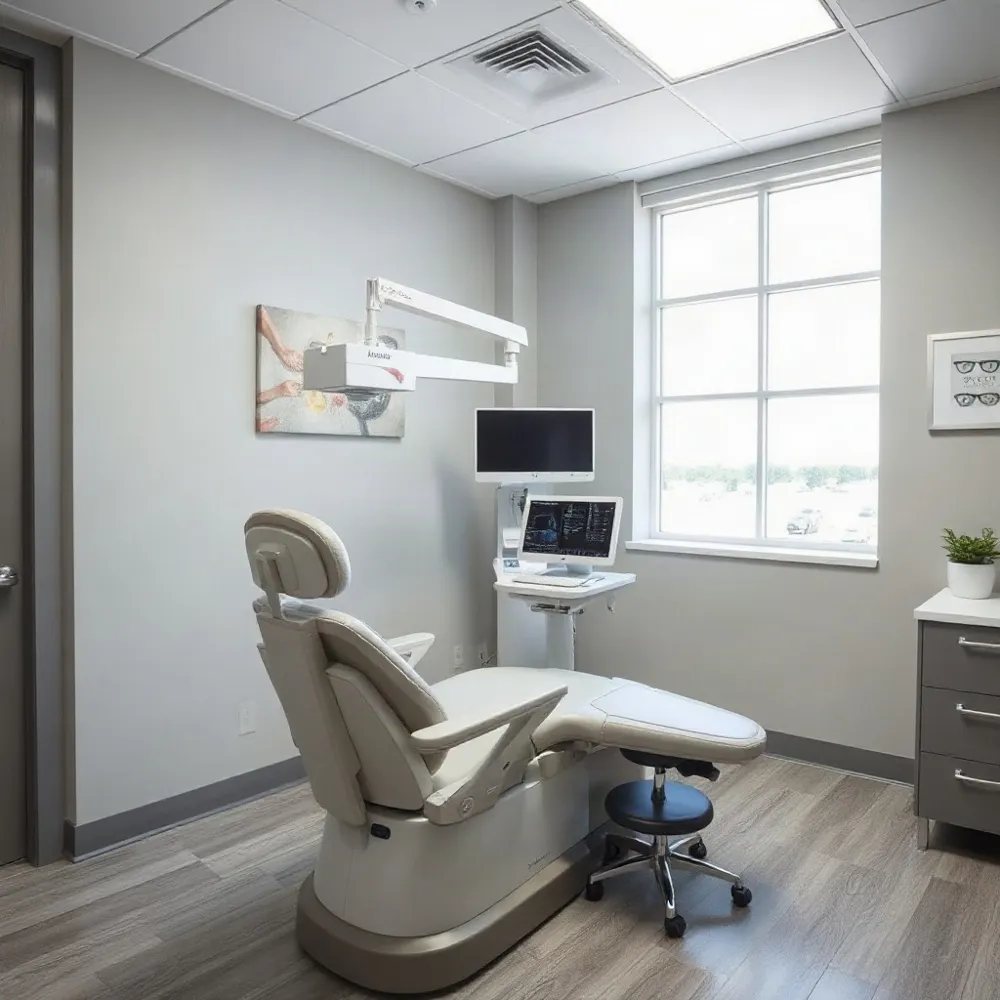 A comprehensive eye exam does more than check whether you need glasses or contact lenses. The visit typically starts with a review of personal and family health history, medications, symptoms, and daily visual demands. The clinician then assesses visual acuity and focusing, examines eye health, and considers whether your prescription or follow-up plan should change.
The examination can also look for signs of eye disease or broader health changes. Depending on the findings, a clinician may measure eye pressure and examine the retina and optic nerve. At Apple Eye Care in El Paso, comprehensive exams can be supported by DRI OCT Triton imaging, which provides detailed views of the retina and optic nerve to inform assessment and monitoring.
What does comprehensive eye care include?
It may include prescription updates, additional testing, and a plan for managing concerns such as dry eye or an ongoing eye condition. The appropriate approach depends on the person, not a single standard schedule. Age, symptoms, existing conditions, family history, medications, and other risk factors can all affect when to return and whether further testing is useful.
A vision screening is different from a comprehensive examination. Screening may flag a possible vision problem, but it does not diagnose or treat one and cannot replace a full in-person eye exam. Apple Eye Care’s comprehensive optometry services include examining vision and eye health, so recommendations can reflect the individual findings rather than a screening result alone.
Technology Supports Ongoing Monitoring
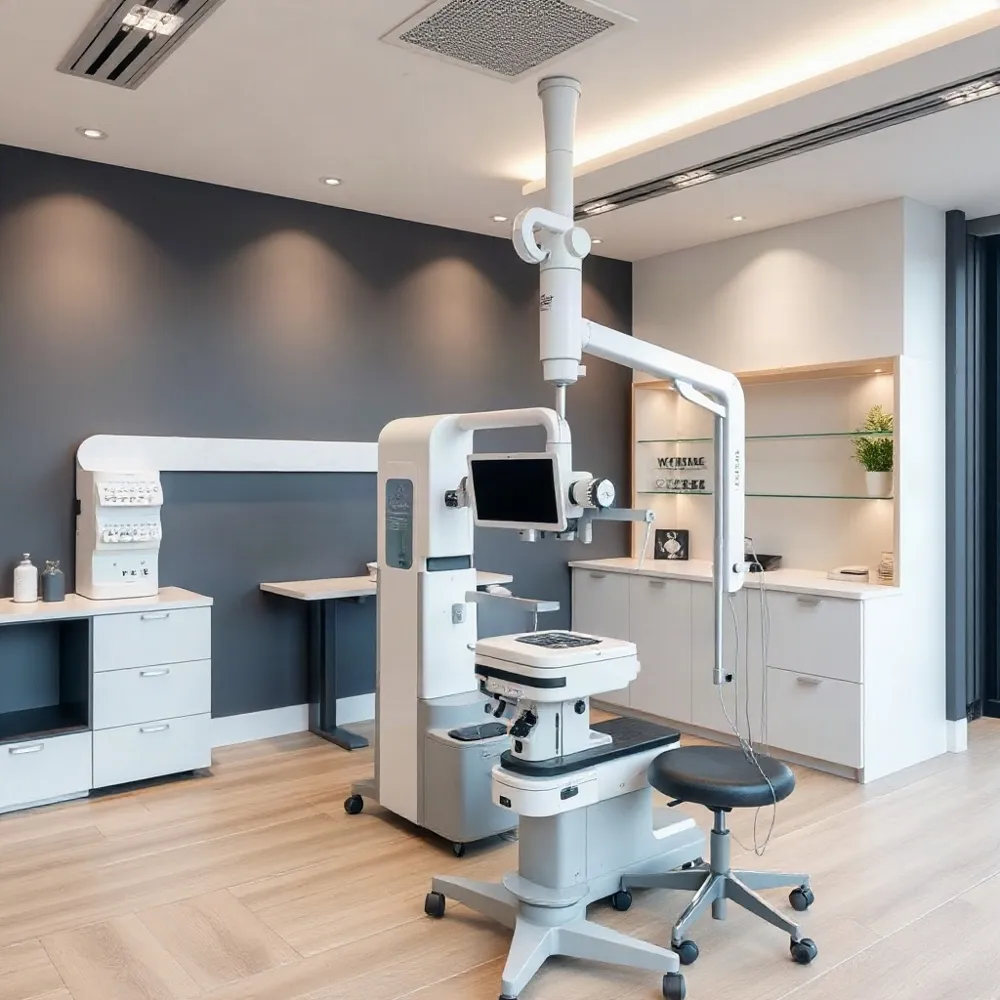
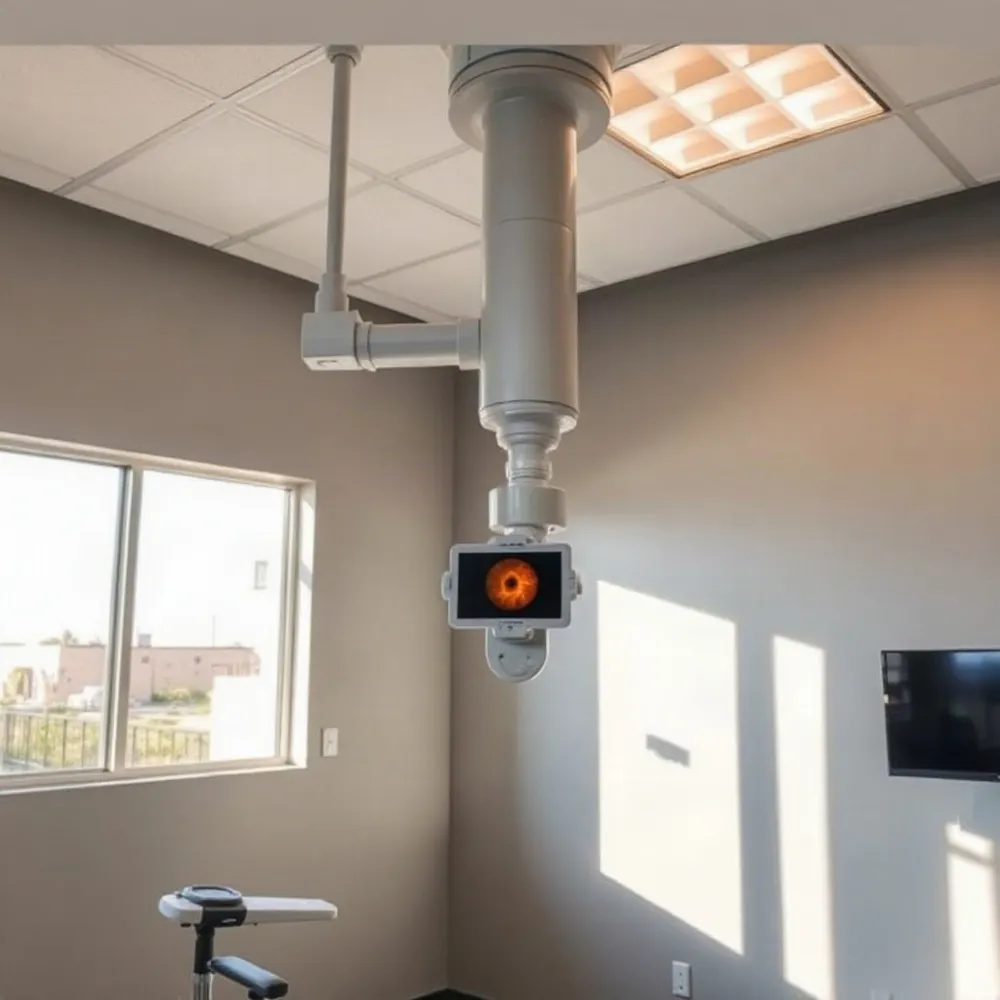 Detailed imaging can add useful information to an eye-health assessment, especially when a clinician needs to monitor changes over time. At Apple Eye Care, the DRI OCT Triton combines swept-source optical coherence tomography (OCT) with fundus imaging to show the retina and deeper structures, including the choroid.
The system can also provide multimodal imaging, including OCT angiography and other scans. These images may help the optometrist assess signs associated with glaucoma, macular degeneration, or diabetic eye changes. Comparing images at follow-up visits can help track changes and inform risk-based monitoring or adjustments to a care plan.
Imaging is one part of the evaluation, not a diagnosis by itself. The optometrist considers scan findings alongside the comprehensive exam, symptoms, medical history, and other relevant test results. If findings suggest that further assessment is needed, the care plan may include additional testing or referral to an appropriate specialist.
This approach makes technology useful for ongoing care without treating a scan as a guarantee or substitute for clinical judgment. At Apple Eye Care, diagnostic information can help guide follow-up based on each patient's eye-health findings and needs.
Plans Adapt Across Life Stages
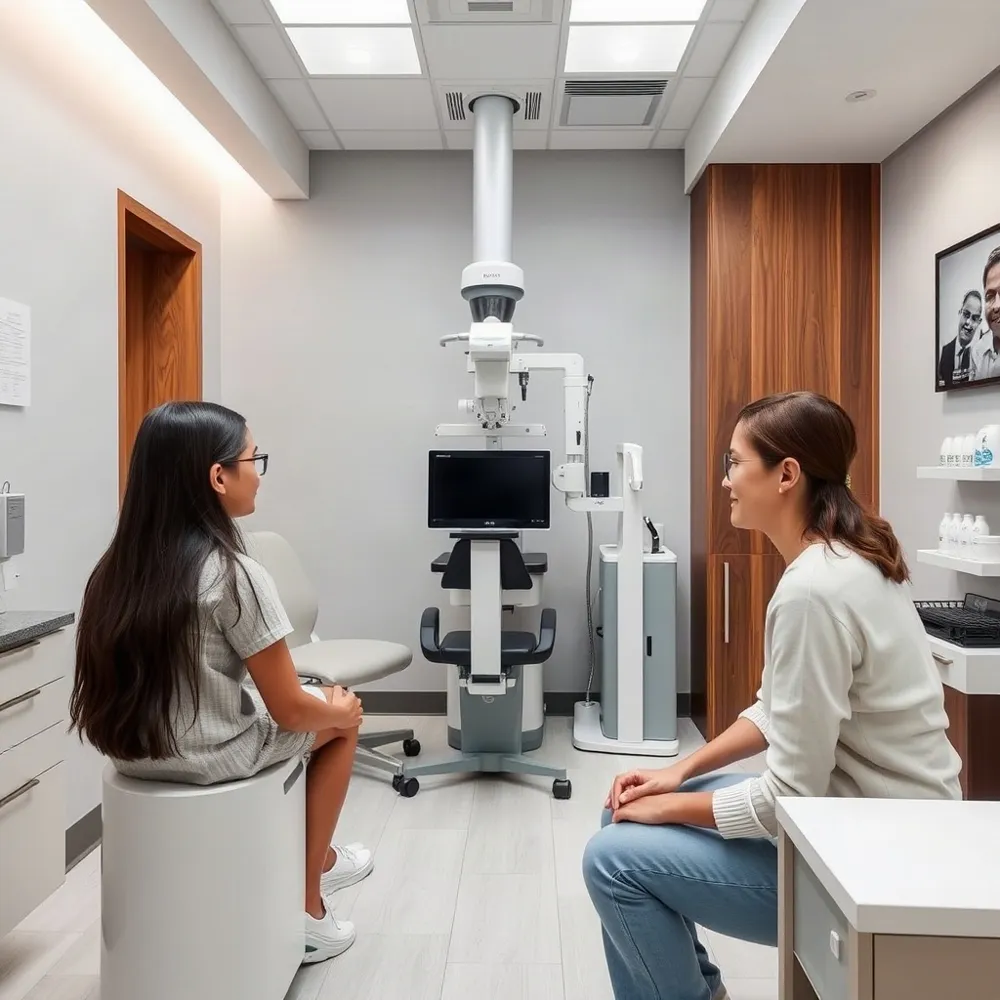 Eye-care needs can shift with daily routines as well as age. Long hours at a screen may contribute to eye strain or dryness, while children may need monitoring as their vision develops. Older adults may need closer attention to age-related changes, but age alone does not determine the right schedule or treatment.
For older adults, personalized care takes account of current vision, health history, medications, and individual risk factors. Comprehensive exams and follow-up can monitor concerns such as cataracts, glaucoma, macular degeneration, and diabetic eye disease, including changes that may not cause obvious symptoms at first.
Tracking findings over time helps an eye-care professional decide when a prescription needs updating, when closer monitoring is appropriate, or when referral for further assessment may be needed. These decisions can help support comfortable vision for activities such as reading and driving, while helping patients maintain independence.
At Apple Eye Care, a family-focused practice in El Paso, attentive communication and continuity of care help clinicians consider how a patient's needs change over time. Its comprehensive exams and diagnostic technology, including the DRI OCT Triton, can inform recommendations for individual findings. The plan should reflect what an exam shows and the patient's health and daily needs, not a standard pathway based on age alone.
Practical Habits and Costs Matter
Screen breaks and eye-care costs are practical parts of a personal plan. At Apple Eye Care, a persistent complaint such as eye strain can be assessed alongside vision and eye-surface needs, rather than treated as a screen habit alone.
What screen-break rules can help reduce digital eye strain?
The 20-20-20 rule is a simple reminder: every 20 minutes, look at something about 20 feet away for 20 seconds. The brief pause may help relax focusing effort, but evidence for this exact schedule is limited. Other advice emphasizes taking regular, longer breaks, switching tasks, and blinking fully to ease fatigue and dryness. These approaches differ in timing and focus, so choose reminders that fit your routine.
If symptoms continue despite breaks, an eye exam may help assess whether a prescription change or an eye-surface issue is contributing. Apple Eye Care offers comprehensive exams and dry eye treatment, which can help inform next steps based on the findings.
How much does a comprehensive eye exam cost?
As general estimates, a comprehensive exam without insurance may cost about $50 to $250, with an approximate national estimate of $100. These figures are not Apple Eye Care pricing. Actual costs vary by provider, location, insurance, and network status. Contact lens fittings and optional imaging, such as retinal imaging or OCT, may add charges.
Vision plans may help pay for routine exams or eyewear, while medical coverage may apply to care for eye conditions. Benefits differ, and coverage for exams, glasses, diagnostic tests, or medical eye care should be checked individually. Contact Apple Eye Care and your insurer to confirm current pricing, network participation, and plan benefits before scheduling.
Make the Next Visit Personal
Before your next appointment, note any symptoms, health changes, daily visual demands, and questions you want answered. At Apple Eye Care, comprehensive exams and advanced diagnostics such as DRI OCT Triton can help inform recommendations based on individual findings.
Ask why a test or follow-up is recommended and how it relates to your results. Check your insurance benefits separately, since coverage varies by plan. Regular review gives you and your eye-care professional a chance to reconsider recommendations as your vision, health, and priorities change.