Clear Days Begin at Night
For a child who wants clear vision at school or during sports without glasses or daytime contact lenses, orthokeratology, often called Ortho-K, may be an option to discuss with an eye-care professional. The specially fitted lenses are worn overnight to temporarily reshape the cornea, the clear front surface of the eye. The American Academy of Ophthalmology explains how orthokeratology works.
The effect is temporary, so maintaining daytime vision generally requires consistent overnight wear. Treatment also involves professional fitting, careful lens care, and regular monitoring. An evaluation at Apple Eye Care can include a comprehensive eye exam and advanced diagnostics to help assess a child’s vision and eye health.
Ortho-K is not a fit for every child, and results vary. Families can discuss suitability, care responsibilities, and realistic goals with an optometrist before deciding whether to proceed.
How Overnight Lenses Reshape Vision
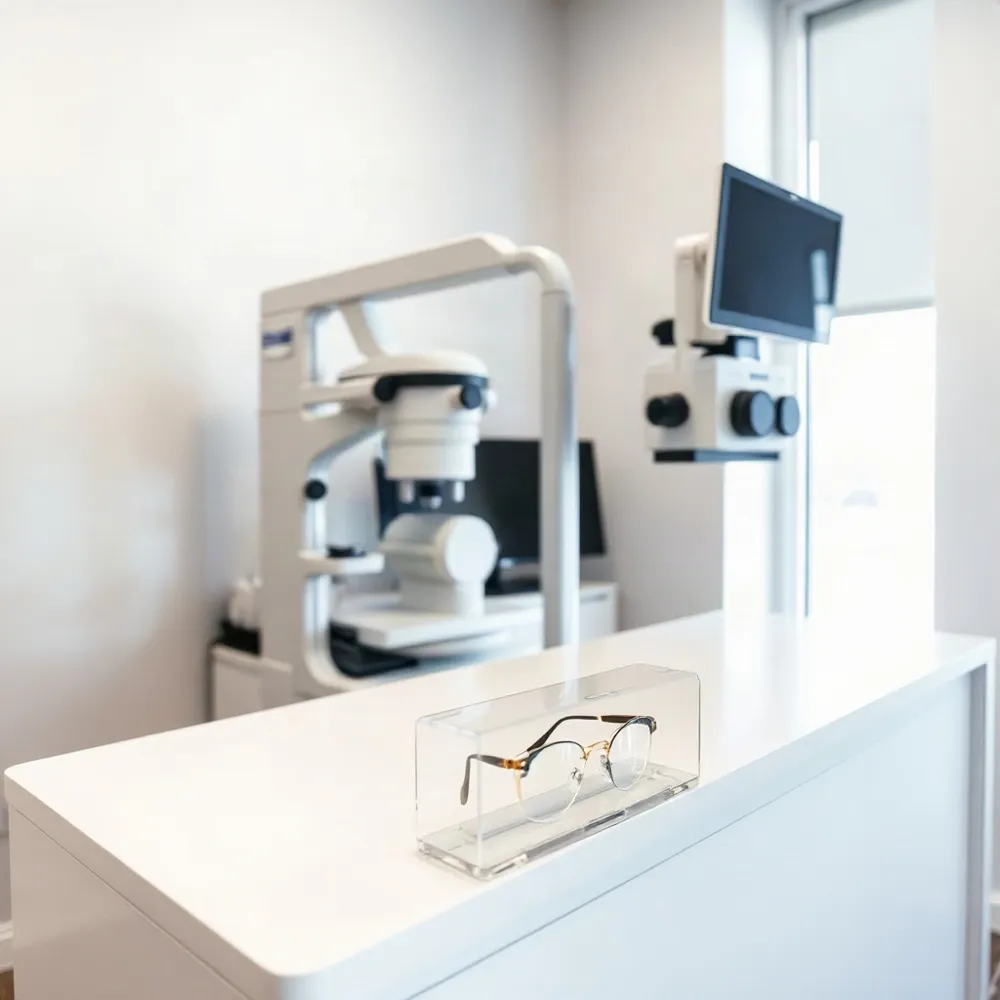 Orthokeratology, or Ortho-K, uses custom-fitted rigid gas-permeable contact lenses worn while sleeping. The lenses gently flatten the center of the cornea, the clear front surface of the eye, changing how it focuses light so distant objects can appear clearer. An eye-care professional maps the cornea and measures the prescription to guide the fit. The American Academy of Ophthalmology’s overview of orthokeratology describes corneal mapping as part of this process.
After the lenses are removed in the morning, the temporary change in corneal shape can provide clear daytime vision without glasses or contact lenses. The precise result varies, and the clinician checks how the cornea responds and may adjust the lens design. At Apple Eye Care, comprehensive eye exams and advanced diagnostic technology, including DRI OCT Triton, support individualized assessment of eye health and vision needs.
The correction is not permanent and Ortho-K does not cure myopia. The cornea gradually returns toward its usual shape when lens wear stops, so vision can blur again. Many children wear the lenses each night to maintain daytime clarity, though the eye-care professional determines the appropriate schedule.
Ortho-K may also be considered as part of myopia management, but it cannot guarantee that a child’s myopia will stop progressing. A review of research on orthokeratology and myopia progression reports potential slowing of progression while noting that outcomes vary. Families can discuss the child’s goals, measurements, and ongoing monitoring with an optometrist.
Myopia Management With Realistic Expectations
Ortho-K can serve two purposes: it may provide clear daytime vision without glasses or contact lenses and may also slow the progression of childhood myopia. These are different goals. The vision correction depends on regular lens wear, while myopia management aims to reduce, not eliminate, changes in the growing eye.
A review estimates that Ortho-K may slow myopia progression by around 50% on average compared with standard glasses or contact lenses, but that figure is not a forecast for any one child. The review also notes variation in response and continuing questions about long-term effects in its review of orthokeratology. Myopia may still progress during treatment, so families should not assume that a child’s prescription or eye growth will remain unchanged.
Apple Eye Care’s comprehensive eye exams and advanced diagnostic tools, including DRI OCT Triton, can support individualized assessment and monitoring. When Ortho-K is used for myopia control, the cited guidance recommends checkups every six months to review vision and eye growth and monitor treatment. Follow-up also gives the optometrist an opportunity to review lens fit, handling, and care.
Ortho-K is one option among several. Depending on a child’s needs, an optometrist may also discuss atropine eye drops, specialized spectacle lenses, or myopia-control contact lenses. The appropriate approach depends on individual circumstances, including the child’s eye measurements, ability to manage treatment, and family preferences. Apple Eye Care can consider these factors as part of its personalized eye-care assessment.
Assessing a Child’s Suitability
There is no single age cutoff for orthokeratology (Ortho-K) in the supplied evidence. It may be considered for children as young as six, and published research is strongest for ages six to sixteen. Adults may also be candidates, but this section focuses on children. At any age, an eye-care professional needs to assess eye health and corneal shape before recommending treatment. A clinical review of orthokeratology describes it as one option for managing myopia, with benefits that vary among individuals.
Candidacy depends on more than age. The clinician considers the child’s prescription, corneal shape, and overall eye health, as well as whether the child is comfortable wearing lenses overnight and can follow care instructions. At Apple Eye Care in El Paso, comprehensive eye exams and advanced diagnostics, including DRI OCT Triton, support individualized evaluation; the specific measurements needed for Ortho-K should be discussed with the optometrist.
Children can learn to apply, remove, and care for contact lenses. One report found that children took an average of 10–15 minutes longer than teenagers to learn lens handling, but that average cannot predict how quickly an individual child will become comfortable. Parents can help assess whether the child is ready to take part in daily lens care.
Fitting begins with measurements of the prescription and corneal shape, often using corneal topography. The clinician teaches the child how to handle the lenses, and initial wear commonly starts with one night. The next morning, the clinician checks the cornea and prescription, then may adjust the lens design if the response differs from what was expected. This measured fitting process helps determine whether Ortho-K is suitable in practice, not just in theory.
Safety, Hygiene, and Follow-Up
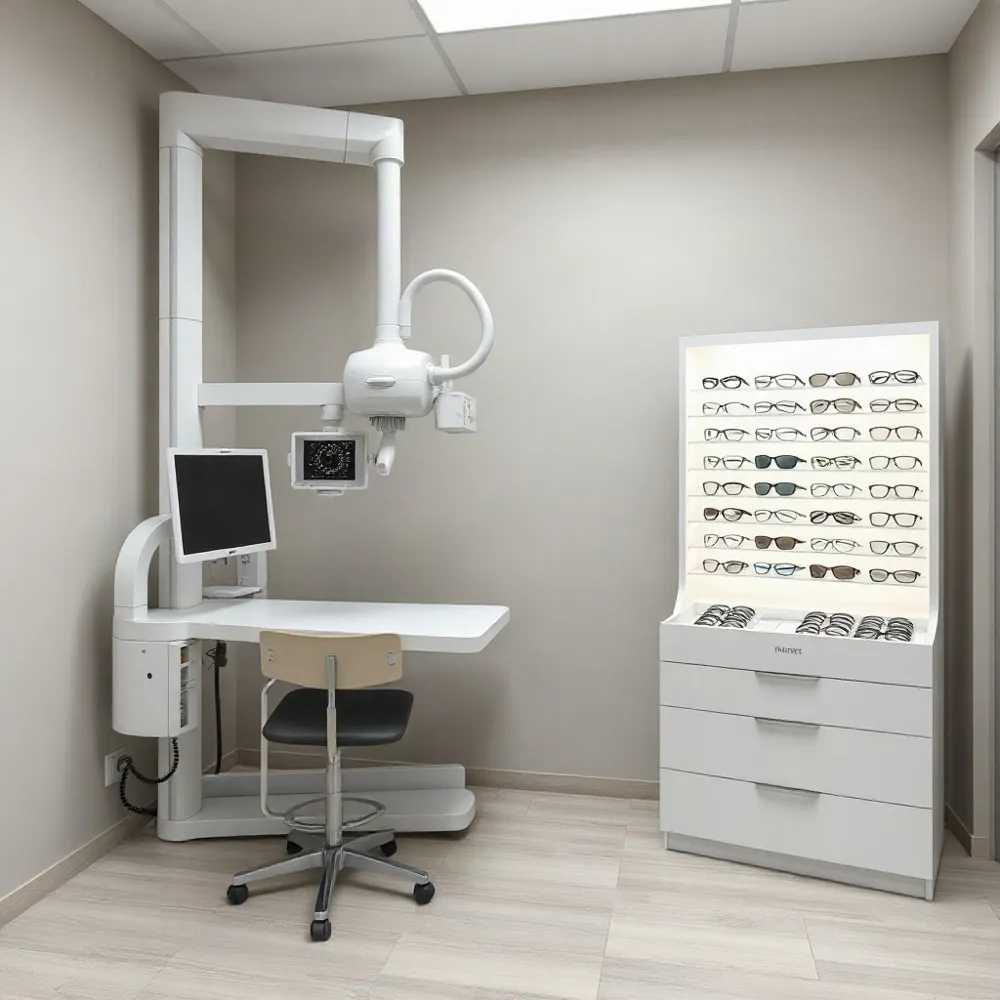 Ortho-K is reported to have a high safety profile for children when lenses are properly fitted and care instructions are followed. Still, overnight contact lens wear is not risk-free. One estimate puts microbial keratitis, a potentially serious infection, at approximately 1–2 cases per 2,000 patient-wearing years. This is a low reported rate, not a guarantee that infection cannot occur.
Possible problems include corneal staining, a lens that binds or sits off-center, irritation, and, rarely, a corneal ulcer or other serious infection. Poor hygiene, an improper fit, tap-water exposure, and missed follow-up can raise the risks. A clinical review describes these potential complications and the role of proper fitting and monitoring in orthokeratology safety.
Good habits matter every time lenses are handled. Wash and dry hands before touching them, clean and store lenses and cases as instructed, and keep lenses, cases, and other care items away from water during wear and cleaning. Water can carry organisms such as Acanthamoeba, which can cause a rare but serious eye infection. Follow the clinician’s specific instructions, and contact the practice if a lens is uncomfortable or the eye becomes red or painful.
Because Ortho-K lenses are worn overnight, they may suit children who swim or play water sports during the day. That daytime convenience does not make water safe for lenses or their care equipment. Apple Eye Care’s optometry services in El Paso include personalized attention and advanced diagnostic technology, supporting conversations about a child’s eye health and appropriate follow-up.
Early fitting checks let the clinician assess vision and corneal response and adjust the lens if needed. Continued visits help monitor those measures and catch problems before they worsen. The American Academy of Ophthalmology’s overview of orthokeratology also emphasizes regular professional check-ups. The supplied guidance describes six-monthly visits for children after fitting; the clinician may recommend a different schedule based on the child’s eyes and treatment.
Costs and Comparing Options
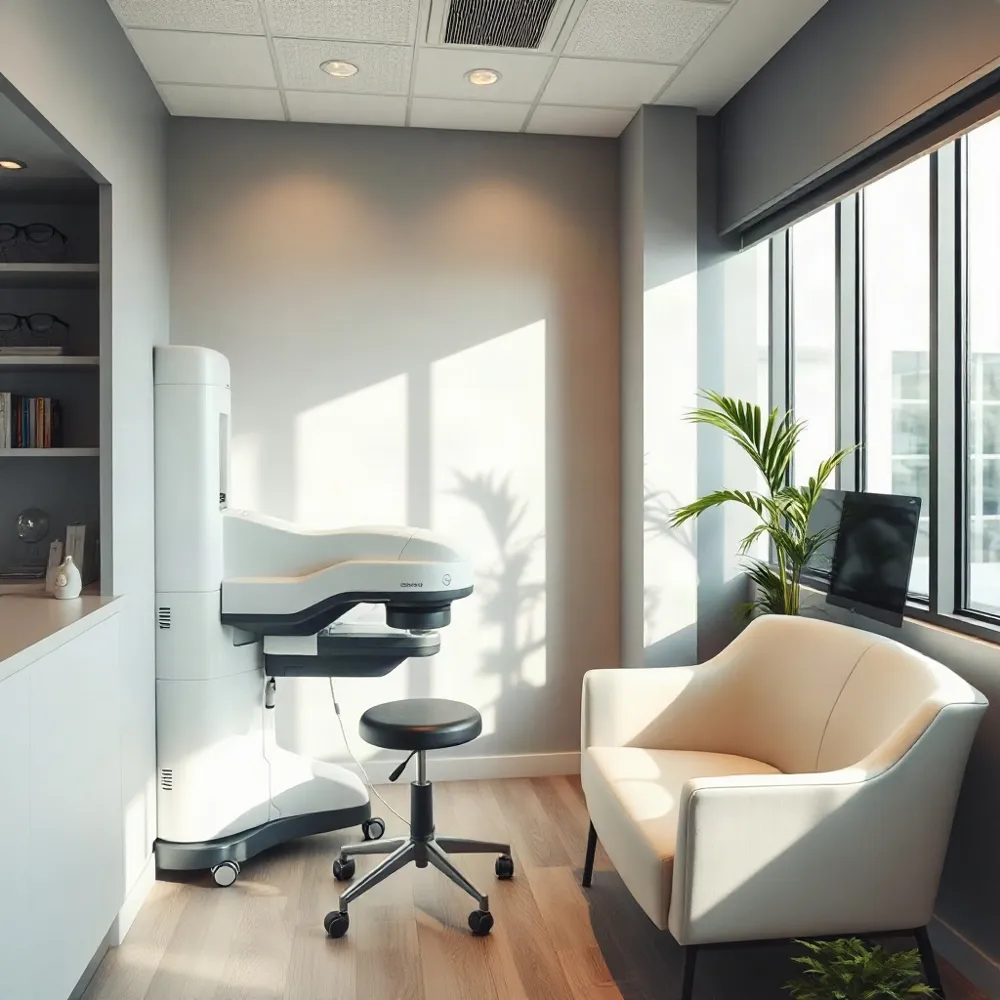 Ortho-K generally costs more upfront than standard daily-wear soft contact lenses because fitting involves custom lenses and additional early appointments. The American Academy of Ophthalmology gives a general U.S. estimate of $1,000–$4,000, including fitting-related follow-up care; actual costs vary by a child’s needs and treatment plan. The AAO’s Ortho-K overview also notes that replacement lenses, care supplies, and follow-up visits may add expense.
Because Ortho-K is generally elective, coverage is not guaranteed, though some insurance plans may cover it. Families should check their benefits and ask the practice for an itemized estimate: what the fee includes, which ongoing costs are separate, and whether any amount may be reimbursed if fitting is unsuccessful. At Apple Eye Care, comprehensive optometry services and advanced diagnostics, including DRI OCT Triton, can support a broader conversation about a child’s vision needs, but families should confirm Ortho-K availability and costs directly with the practice.
How does Ortho-K compare with other myopia-control options, such as MiSight lenses? Ortho-K is worn overnight and temporarily reshapes the cornea, allowing daytime vision without contact lenses; it may also slow myopia progression, but results vary. Other approaches include atropine eye drops, specialized spectacle lenses, and myopia-control contact lenses, as described in this review of orthokeratology for myopia control. The available sources do not provide specific MiSight outcomes or a direct comparison, so they cannot establish which option works best.
An optometrist can help families weigh each approach’s suitability, expected benefits, costs, and daily care demands. Apple Eye Care’s personalized eye exams and vision-care services provide a setting to discuss those factors for an individual child, without assuming that one treatment fits every family.
A Choice Made With Guidance
Ortho-K may offer daytime vision freedom and a possible way to manage myopia, but it is neither a cure nor the right fit for every child. Before deciding, families can discuss the child’s vision goals, readiness to handle lenses, hygiene responsibilities, follow-up schedule, alternatives, and total costs with an optometrist.
At Apple Eye Care in El Paso, comprehensive eye exams and advanced diagnostics, including DRI OCT Triton, support individualized discussions about a child’s eye health and vision needs. Families can use that conversation to weigh whether Ortho-K is appropriate and what ongoing care would involve.