Understanding Cataracts and the Path to Clearer Vision
Cataracts represent a natural change in the eye as the proteins within the natural lens gradually clump together, causing it to cloud over time. While this condition is a common part of the aging process, its impact on daily life is significant. Per the American Academy of Ophthalmology, this clouding frequently manifests as blurry vision, sensitivity to glare, halos around lights at night, or difficulty distinguishing colors.
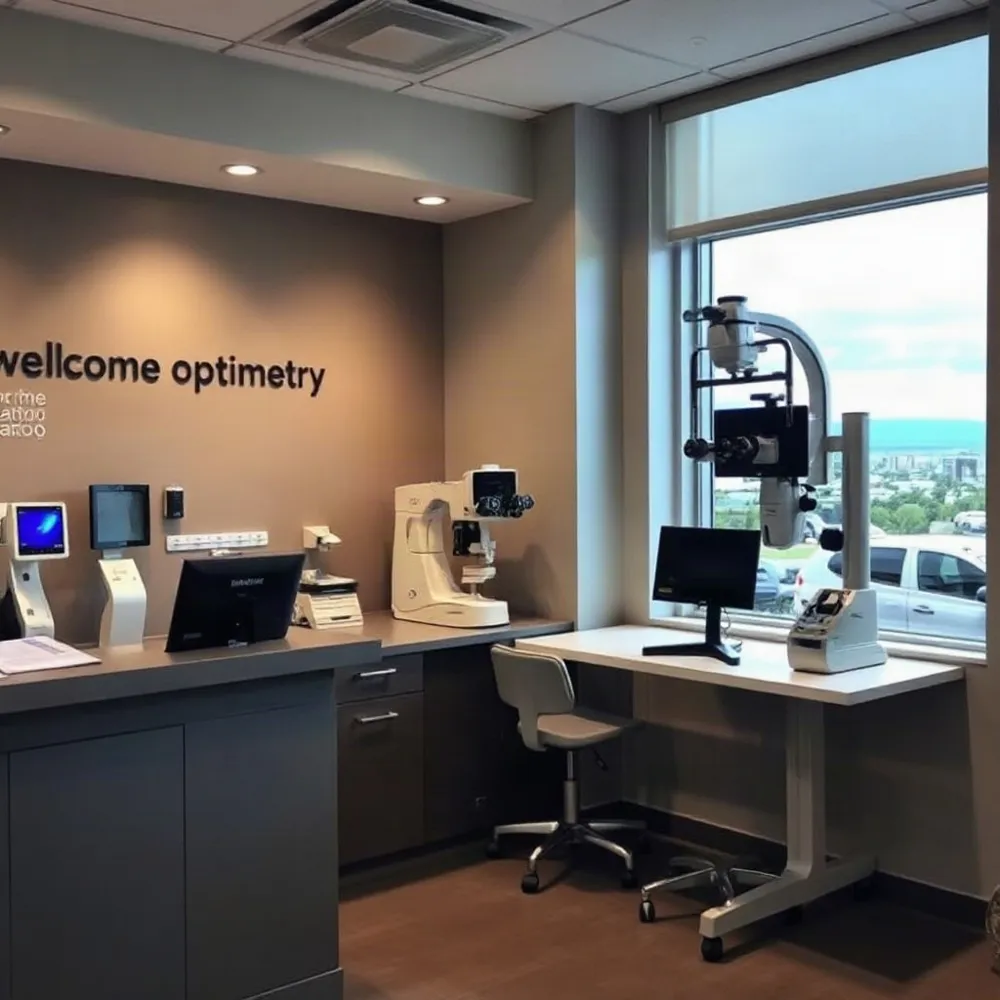
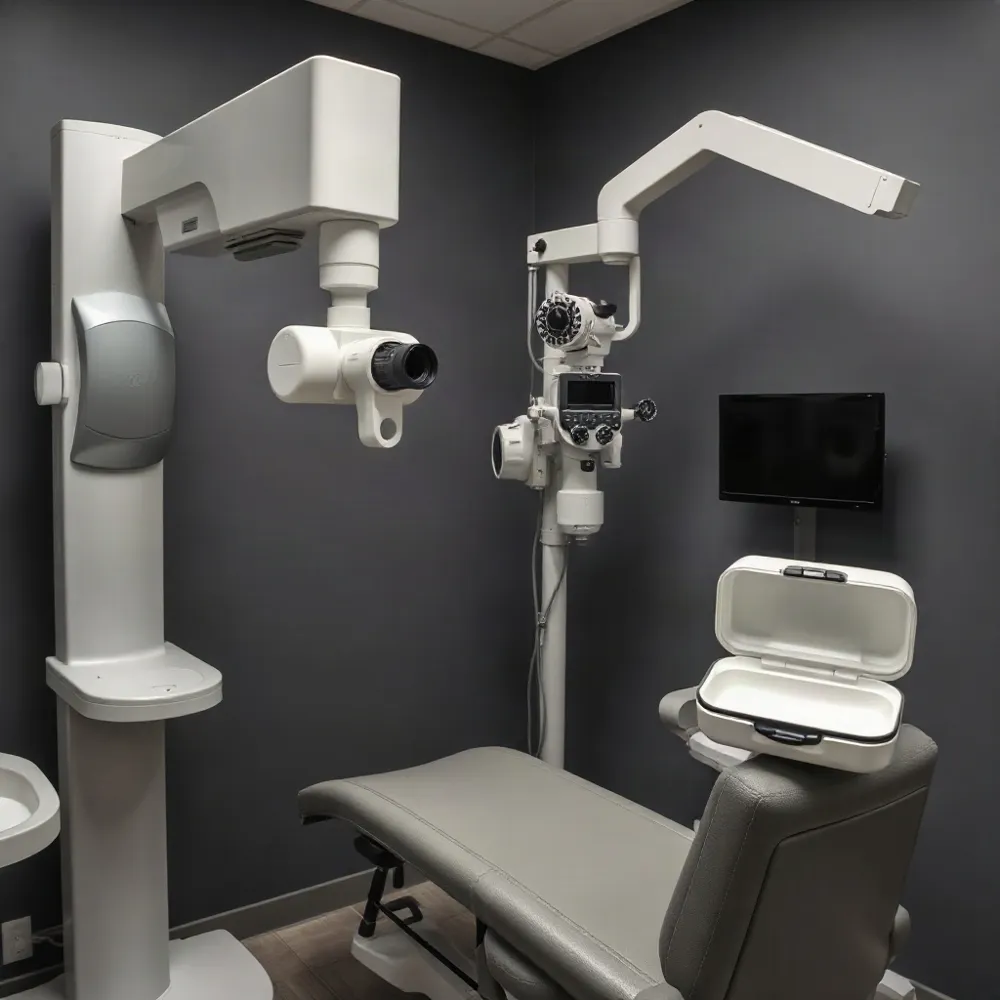
Patients often first notice that their glasses no longer provide the clarity they once did, or they find tasks such as driving in dim light or reading fine print increasingly difficult. At Apple Eye Care, we focus on early detection to identify these changes before they disrupt your lifestyle. Our diagnostic process includes advanced tools like the DRI OCT Triton, which provides high-resolution imaging to evaluate the eye's internal structures with exceptional precision.
The Role of Professional Oversight
Managing cataracts involves more than just identifying vision loss. It requires a tailored strategy that considers your ocular health, including the status of the retina and cornea. While practices like Sun Laser Vision Center offer surgical correction, Apple Eye Care prioritizes a comprehensive co-management philosophy. We partner with you to monitor cataract progression and provide professional decision support, ensuring that when the right moment for surgical intervention arrives, you are fully prepared.
We believe that personalized attention makes a difference in patient outcomes. By proactively managing conditions like dry eye or glaucoma before surgery, our team ensures the eye is in the best possible condition for a successful procedure. Whether you are dealing with early-stage symptoms or require a referral for advanced surgical care, our El Paso team focuses on restoring your visual health through a compassionate and medically rigorous lens.
Standard Surgical Techniques for Cataract Removal
Phacoemulsification remains the global gold standard and the most widely practiced method for cataract removal today. Per American Academy of Ophthalmology data, this procedure relies on an ultrasonic instrument that breaks the eye's cloudy natural lens into microscopic fragments. Once fragmented, these pieces are suctioned out through tiny, self-sealing corneal incisions. This approach is highly effective, boasting a success rate where vision improves for approximately 97 percent of patients.
What is the most successful and commonly used method for cataract surgery today?
The outpatient nature of this surgery allows individuals to return home shortly after the procedure concludes. Patients remain awake during the 10 to 15 minute surgery, with the eye numbed by topical anesthetic drops to ensure comfort. While standard phacoemulsification is an efficient and trusted path to clear vision, Apple Eye Care supports patients throughout this journey by offering initial co-management, decision support, and specialized referrals to ensure each individual receives the most appropriate treatment for their specific ocular anatomy. Unlike centers relying solely on one surgical modality, this personalized model ensures that pre-operative diagnostics, such as high-resolution imaging, are addressed prior to any surgical intervention.
Technological evolution continues to refine these core techniques. Researchers note that femtosecond laser-assisted surgery can provide enhanced precision for incisions and lens fragmentation compared to manual, non-laser methods. While these advanced tools offer benefit, surgeons emphasize that the individual expertise of the practitioner often remains the most significant predictor of patient outcomes. Regardless of the specific method chosen, the primary goal remains the safe replacement of the opaque lens with a clear, artificial intraocular lens to restore visual clarity.
| Feature | Standard Method | Advanced Technology |
|---|---|---|
| Procedure | Phacoemulsification | Laser-Assisted (FLACS) |
| Fragmentation | Ultrasound probe | Femtosecond laser |
| Primary Benefit | Proven safety | Enhanced incision precision |
Technological Frontiers in Modern Cataract Care
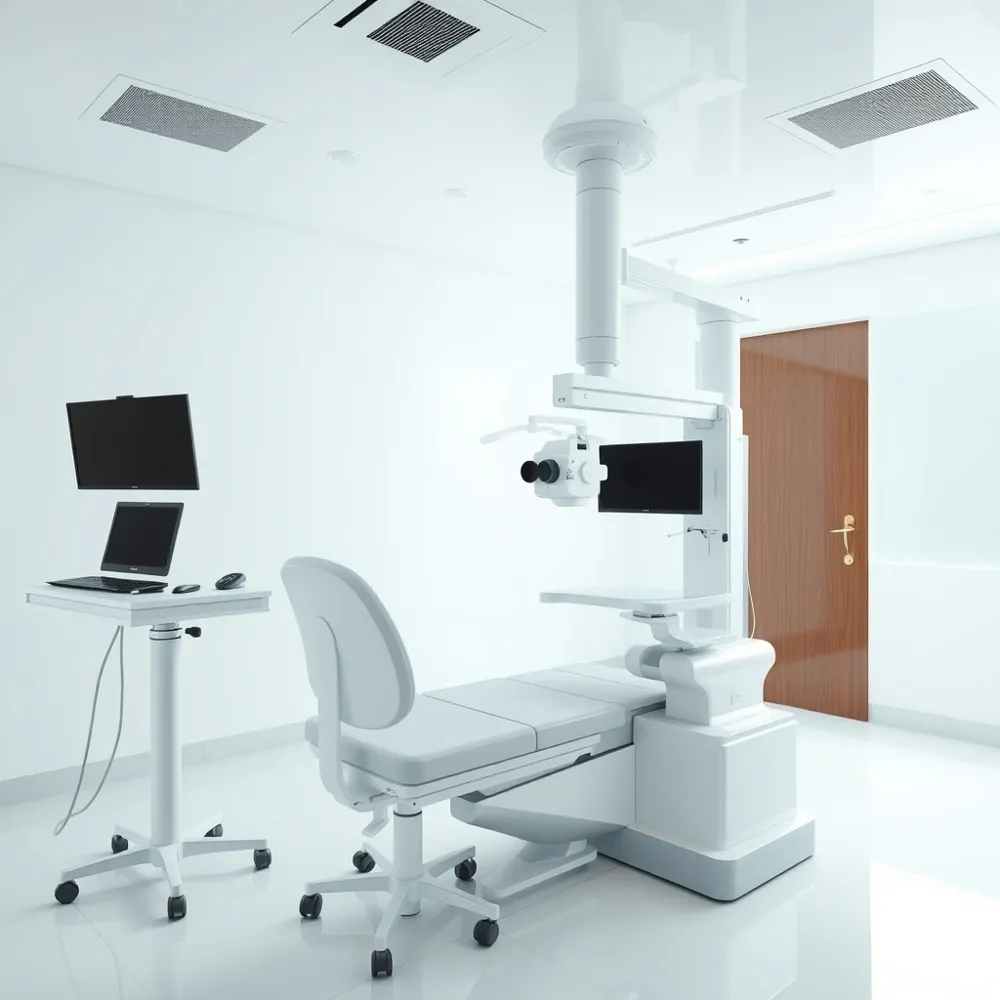 The evolution of cataract surgery has moved well beyond manual techniques, embracing precision technologies that redefine surgical safety and visual outcomes. Leading the way is Femtosecond Laser-Assisted Cataract Surgery (FLACS), which utilizes ultra-short pulse lasers to automate key steps like corneal incisions and lens fragmentation. While clinics may rely on different approaches, Apple Eye Care pairs its personalized approach with advanced diagnostic assessments to ensure that modern, precise tools truly match the unique anatomy of each patient.
What are the latest technological advancements in cataract surgery for 2026?
In 2026, cataract surgery has been revolutionized by FLACS, which ensures automated, high-precision incisions and safer lens fragmentation. Patients now benefit from a diverse range of premium intraocular lenses (IOLs) designed to reduce dependence on glasses, including multifocal and Extended Depth of Focus (EDOF) options that provide continuous vision across near, intermediate, and far distances. Furthermore, Optical Coherence Tomography (OCT) imaging has become essential for surgeons, offering detailed cross-sectional visualization during preoperative planning and the procedure itself. Toric IOLs are also standard for effectively correcting astigmatism to improve overall visual clarity. These combined leaps contribute to faster recovery times, minimized risk for complications, and significantly higher patient satisfaction compared to traditional methods.
Beyond pre-operative guidance, the integration of Artificial Intelligence into so-called Smart Theatre systems represents the next frontier. These systems provide real-time monitoring and data-driven feedback, enhancing surgeon efficiency during the procedure. At Apple Eye Care, we utilize high-resolution imaging in the exam room, ensuring that diagnosis and surgical planning are grounded in the same level of granular detail seen in these modern operating theaters.
Personalizing Results: Standard Verses Premium Lenses
 Selecting an intraocular lens (IOL) is a foundational decision in your cataract journey. At Apple Eye Care, we emphasize that the choice between standard and premium technology depends on your unique lifestyle and refractive goals. While different providers may offer various IOL brands, our practice ensures that lens selection is informed by high-resolution imaging from the DRI OCT Triton to determine the best match for your ocular anatomy.
What is the difference between standard and premium intraocular lenses?
Standard monofocal IOLs are traditional artificial lenses set for a single focal point, often leaving patients dependent on corrective eyewear for reading or distance tasks. Conversely, premium IOLs utilize advanced optical designs to provide a wider range of vision. Multifocal lenses split light into different zones to cover distance, intermediate, and near tasks, while Extended Depth of Focus (EDOF) lenses offer a continuous range of vision, often with fewer visual disturbances like halos.
For patients with irregular corneal curvature, Toric IOLs provide essential correction for astigmatism, a feature standard monofocals lack. Emerging technologies like Light-Adjustable Lenses (LAL) further refine outcomes by allowing surgeons to fine-tune the lens prescription post-surgery using UV light, ensuring optimal visual precision. While standard lenses are commonly covered by insurance, premium IOLs represent an elective upgrade designed to maximize visual independence and reduce reliance on glasses in daily life.
| Lens Type | Primary Benefit | Best For |
|---|---|---|
| Monofocal | Clear single-focus | Basic vision needs |
| Toric | Astigmatism correction | Irregular cornea |
| Multifocal/EDOF | Range of vision | Reduced glasses use |
Navigating Recovery and Daily Activity Restrictions
 Cataract surgery stands out as one of the most successful medical interventions available, with visual improvement often noticeable within just a few days. While the procedure itself is brief and typically completed in less than 20 minutes, full healing typically takes four weeks. Achieving optimal results at Apple Eye Care requires patients to adhere strictly to the post-operative plan designed to prevent infection and protect the integrity of the incision.
What should patients expect regarding recovery and activity restrictions after cataract surgery? Most patients recover quickly, but it is essential to follow your surgeon's specific post-operative care instructions to ensure optimal healing. For the first few weeks, you should avoid strenuous exercise, heavy lifting, and positions that place your head below your waist, as these can increase dangerous eye pressure. Protect your eyes from environmental irritants by wearing wraparound sunglasses outdoors and using the provided eye shield while sleeping to prevent accidental rubbing. You must be careful to keep water, soap, and shampoo out of your eyes during showers, and avoid swimming or hot tubs until your doctor clears you. Finally, prioritize your prescribed eye drop regimen and consult the team regarding your specific timeline for safely resuming driving and other daily activities.
Hygiene remains a significant component of your initial recovery. You should avoid applying eye makeup for at least one to two weeks, and delay any chemical hair treatments like perms until cleared by your provider. Patients often report symptoms like mild scratching, light sensitivity, or a gritty sensation as the eye heals, which typically diminish over time.
Monitoring your vision during this period is vital. While minor fluctuations are normal, contact the clinic immediately if you experience significant eye pain, sudden flashes of light, new floaters, or a 'curtain' effect across your field of vision. These warning signs require prompt evaluation to prevent rare but serious complications such as retinal detachment or infection. By following these care guidelines and maintaining open communication with your clinical team, you help ensure that your journey to clearer sight remains on track.
Expectations Management: Vision Outcome and Longevity
Cataract surgery is a highly successful medical intervention that restores clarity by replacing the natural, cloudy lens with an artificial intraocular lens (IOL). While this procedure removes the cataract permanently, it does not guarantee 20/20 vision for every patient. Final visual results depend on several individual factors, including the health of your retina and the presence of pre-existing conditions such as macular degeneration, glaucoma, or diabetic retinopathy.
Does cataract surgery guarantee 20/20 vision and is it permanent?
While the surgery itself is permanent, you may still rely on glasses for certain activities depending on the IOL you select. Standard monofocal lenses typically correct focus for one distance, meaning patients often need corrective eyewear for reading or distance tasks. At Apple Eye Care, we conduct comprehensive evaluations using advanced diagnostic tools like the DRI OCT Triton to assess your retinal health and help you set realistic visual goals. Our personalized approach ensures that patients understand how their unique anatomy and lens choice influence their final visual outcome.
Managing secondary clouding
Some patients experience a condition known as posterior capsule opacification (PCO) months or even years after their procedure. This is often described as a secondary cataract, though the original cataract does not actually return. Instead, a membrane behind the IOL develops haze, which can slightly blur your vision. Fortunately, PCO is easily managed with a quick, painless YAG laser capsulotomy, an outpatient treatment that clears the path for light to reach your retina once again.
Financial Considerations and Insurance Coverage
Understanding the cost structure of cataract surgery is an essential step in your vision journey. Standard cataract surgery is frequently designated as a medically necessary procedure by Medicare and major private insurance plans, which generally cover the basic monofocal lens and conventional surgical techniques upon meeting specific visual acuity criteria.
What are the typical costs and considerations for advanced premium cataract surgery?
While standard care is covered, many patients opt for advanced premium cataract surgery to reduce their long-term dependence on glasses. Choosing specialized intraocular lenses like toric, multifocal, or light-adjustable options often incurs additional out-of-pocket expenses, as insurers typically do not cover these enhanced features. Unlike some high-volume surgery centers that may use standardized, one-size-fits-all pricing, Apple Eye Care prioritizes a personalized approach. We use advanced diagnostic tools like the DRI OCT Triton to evaluate your specific anatomy, ensuring you only pay for the custom refractive technology that aligns with your lifestyle goals.
Beyond the lens selection, your total investment may include professional refractive services that assist in precision planning and customized surgical placement. Some advanced techniques, such as laser-assisted surgery, provide outcomes that exceed basic insurance requirements and require careful financial planning. Our team is committed to complete transparency, providing detailed consultations to clarify what is covered by your insurance and what constitutes an investment in your visual future.
Choosing Your Path to Better Sight with Apple Eye Care
Your journey toward clearer vision should be as unique as your eyes. At Apple Eye Care, we move beyond generic solutions to deliver a personalized care approach tailored to your lifestyle and visual goals. By integrating advanced diagnostic tools like the DRI OCT Triton, we provide a precise assessment of your eye health, ensuring that every recommendation is grounded in high-resolution data.
Whether you are managing early symptoms or exploring surgical options, our team provides comprehensive guidance every step of the way. We believe in proactive management of conditions like dry eye and glaucoma, which are vital components of maintaining lasting ocular health. Unlike practices that may offer one-size-fits-all care, we prioritize education and decision support to help you feel confident in your choices.
We invite you to schedule a comprehensive evaluation at our El Paso location to discuss your vision needs with Dr. Stephen Applebaum. Our compassionate team remains dedicated to providing a supportive environment where your questions are answered and your comfort is the priority. Contact us today to start your path toward a brighter, clearer future with care designed specifically for you.