Seeing Beyond the Prescription
A prescription is only part of choosing eyeglasses. Lens design, material, and fit can all affect how comfortably and clearly you see during everyday tasks, from reading to driving.
An eye exam helps establish your vision needs, while a conversation about your routine reveals which distances and activities matter most. Guidance on selecting lenses for different lifestyles emphasizes matching recommendations to how each person uses their glasses, rather than assuming one design suits everyone.
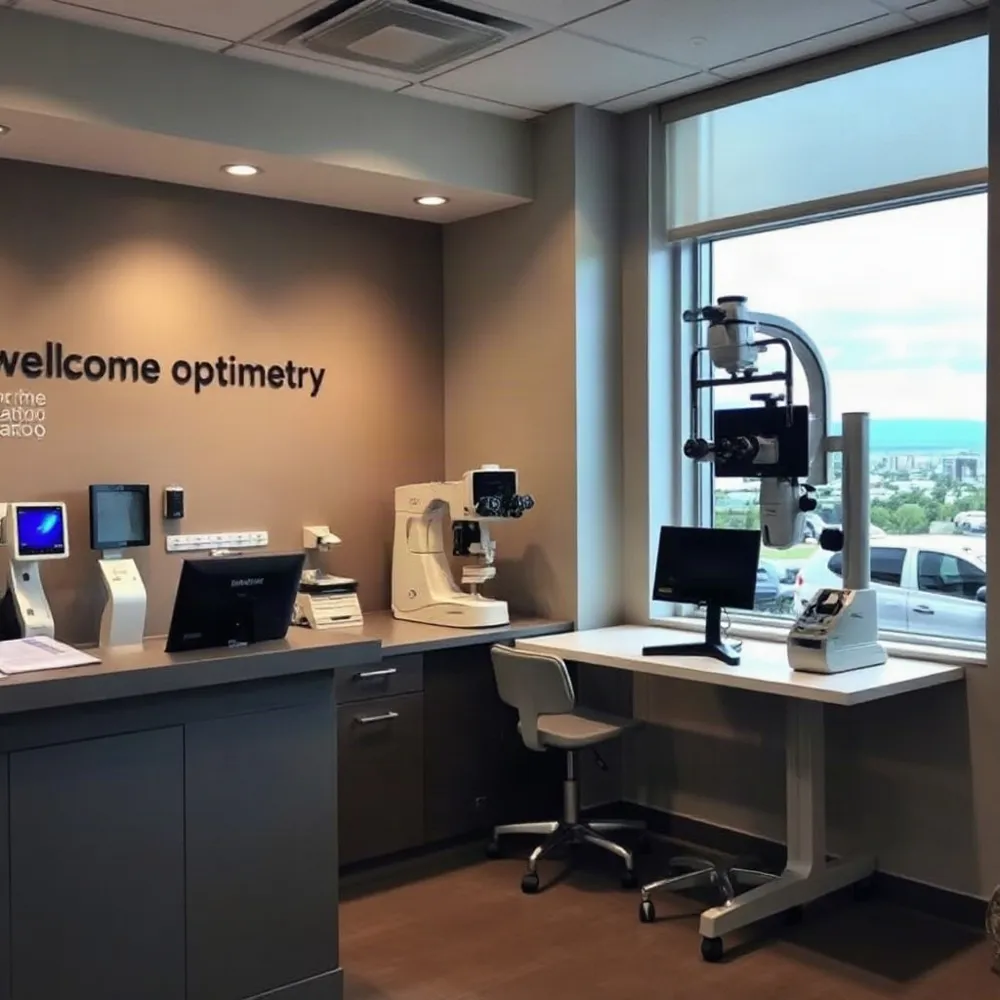
At Apple Eye Care in El Paso, eye exams and personalized care provide a basis for discussing those needs. An eye-care professional can weigh your prescription alongside your activities, preferences, frame fit, and comfort before recommending options. The goal is a practical match, not an upgrade simply for its own sake.
Lens Designs and Materials
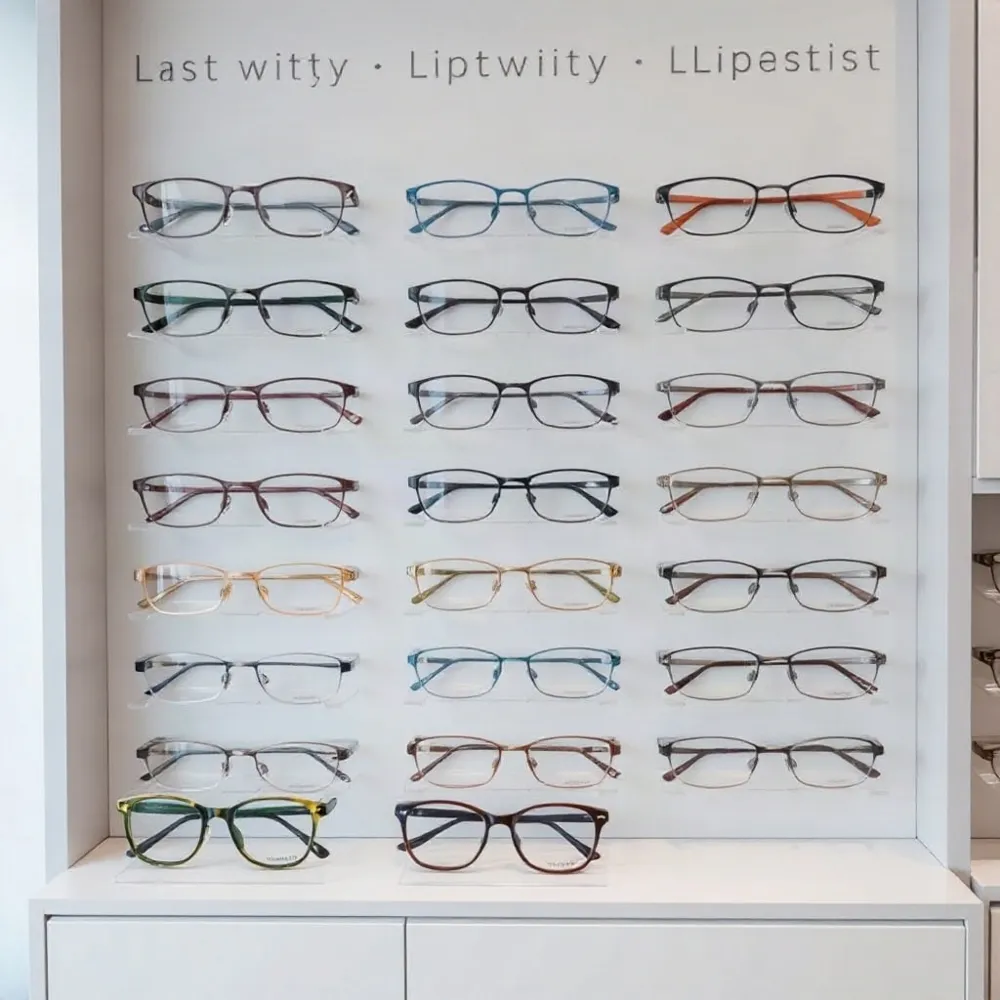 The right lenses depend on what you need to see clearly and how you use your glasses. An eye exam at Apple Eye Care in El Paso can help connect your prescription with a lens design, while a discussion of daily tasks can clarify which viewing distances matter most.
What are the main types of prescription eyeglass lenses?
Single-vision lenses correct one viewing distance, such as near or far, and may address nearsightedness, farsightedness, or astigmatism. Bifocals provide separate distance and near zones, usually divided by a visible line. Trifocals add a distinct intermediate zone for tasks such as computer work.
Progressive lenses move gradually between distance, intermediate, and near correction without visible dividing lines. The best design depends on how much time you spend at each distance. A lifestyle-based lens selection approach can help an eye-care professional tailor a recommendation to activities such as reading, office work, or driving.
What materials are used to make eyeglass lenses?
CR-39, also called standard plastic, offers clear optics and is often an affordable choice. Polycarbonate and Trivex are lightweight, impact-resistant options often considered for children and active use. High-index plastic can reduce lens thickness for stronger prescriptions, while glass offers clear optics and scratch resistance but is heavier and more fragile.
No material is best for everyone. The appropriate choice depends on prescription strength, frame, activities, preferences, and budget. Apple Eye Care’s personalized eye care can help patients weigh these trade-offs alongside their vision needs.
Choosing Features for Daily Life
 The lens features worth considering depend on what you do most. Reading, computer work, driving, outdoor activities, and sports place different demands on vision, so it helps to identify whether near, intermediate, or distance vision matters most. A discussion of daily routines can guide lens recommendations, as outlined in lifestyle lens selection advice.
For frequent screen or night-driving use, an anti-reflective coating can reduce reflections from lens surfaces. Scratch-resistant coatings help guard against everyday scratches, but they do not make lenses scratch-proof. Smudge-resistant or water- and oil-repelling treatments may make lenses easier to clean, though available features and costs vary.
Photochromic lenses darken outdoors and lighten indoors, which may suit people who move between settings. Polarized sunglasses reduce reflected glare from surfaces such as roads or water, but they are not ideal for every activity. An eye-care professional can help weigh these trade-offs against your routine.
Material also matters for active use. Polycarbonate or Trivex lenses are lightweight, impact-resistant options that may suit sports or other demanding activities. For a stronger prescription, high-index lenses may provide a thinner, lighter result. At Apple Eye Care in El Paso, eye exams and personalized vision correction provide a setting to discuss how prescription and everyday needs shape these choices.
No coating or material upgrade is essential for every wearer. Compare potential benefits, limitations, and costs with an eye-care professional, who can recommend options based on your prescription and priorities.
When Progressive Lenses Make Sense
 Progressive lenses may be worth discussing when near and distant tasks both need correction. This often comes up with presbyopia, an age-related change that makes focusing on close objects harder. The right design depends on which viewing distances matter most in your day, as lifestyle lens guidance emphasizes.
A progressive lens combines distance, intermediate, and near prescription strengths in one lens, without the visible dividing line found in bifocals. That can be convenient when you move between driving, computer work, and reading. Some designs place more emphasis on particular tasks, so one pair may not cover every visual need equally well.
Adjustment takes time for some wearers, and progressives are not the right choice for everyone. Prescription, frame fit, visual habits, and personal preferences all matter. At Apple Eye Care in El Paso, an eye exam and discussion of your regular activities can help connect your vision needs with an appropriate correction.
Before choosing, consider how much time you spend looking at a distance, working at a screen, or reading. A personalized recommendation should reflect those frequent tasks rather than assume that a single lens design works for all. If adaptation feels difficult, report what you are experiencing so your eye-care professional can assess the fit and prescription.
Small Prescription Changes and Clear Vision
A small prescription update can feel different, but the effect varies from person to person. A change of 0.25 diopter is modest; some people notice clearer vision or more comfort, while others perceive little difference. Whether it matters depends on your visual needs and which part of the prescription changed.
Changes to astigmatism correction, or to a prescription you are especially sensitive to, may be more noticeable. Even a small update can take a short time to get used to. Apple Eye Care provides eye exams and personalized vision correction in El Paso, where an optometrist can review how a prescription change relates to your symptoms.
Does a 0.25 change in an eyeglass prescription matter?
It may, though the number alone cannot predict how much you will notice. Glasses help focus light on the retina to correct refractive errors, and adapting to a new lens design or prescription can take time. If blur, headaches, dizziness, or discomfort persist, ask an eye-care professional to check both the glasses and the prescription rather than assuming the change is responsible.
Does wearing glasses improve eyesight?
Prescription glasses improve clarity while you wear them by correcting refractive errors such as nearsightedness, farsightedness, astigmatism, or presbyopia. Clearer vision can make tasks such as reading and driving easier. Glasses generally do not permanently change the eye or remove the underlying refractive error, and wearing them as prescribed does not make eyesight weaker.
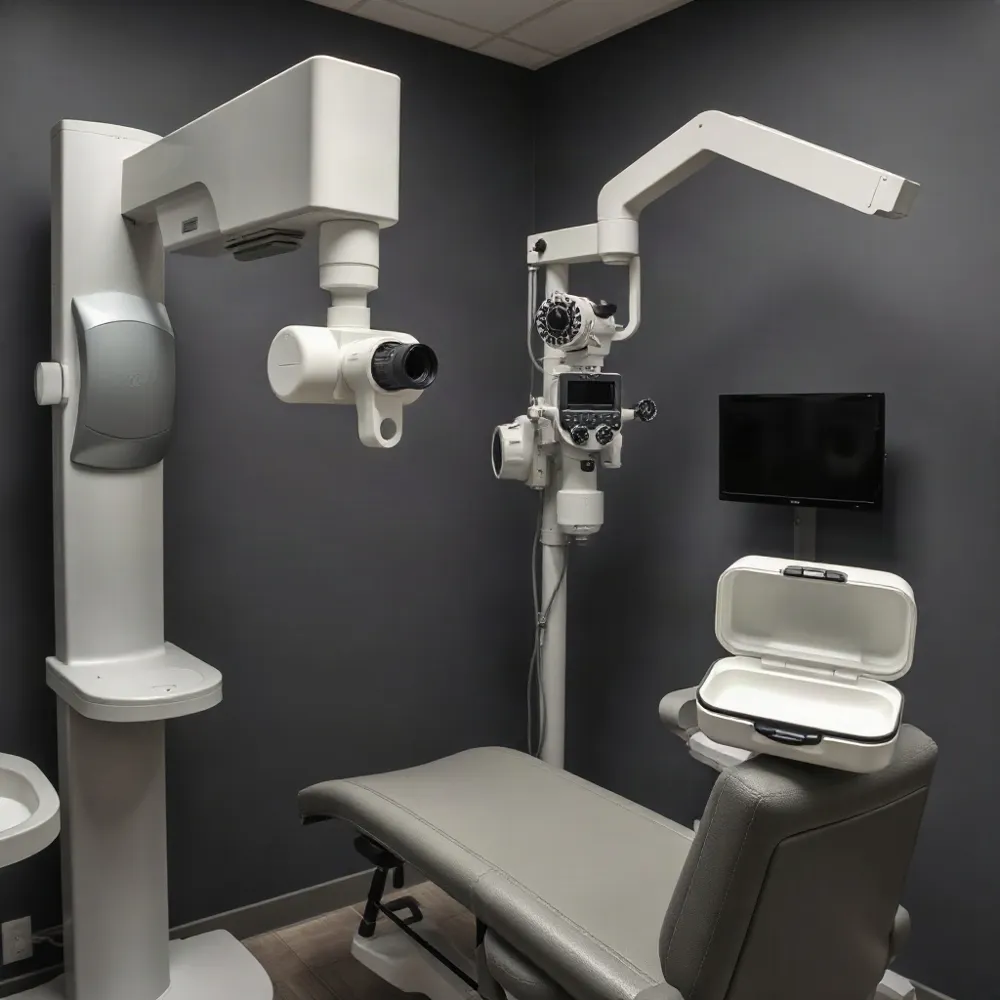
If your vision changes or discomfort continues, arrange an eye exam. At Apple Eye Care, comprehensive exams and advanced diagnostics, including DRI OCT Triton imaging, support assessment of eye health alongside vision needs. Personalized follow-up can help determine whether symptoms call for an adjustment, a prescription review, or another evaluation.
Comfort Through Fit and Adjustment
A comfortable pair should feel balanced and stay in place without pinching the bridge of your nose or pressing behind your ears. When you look straight ahead, the lenses should sit in relation to your pupils, so your eyes look through the intended viewing area.
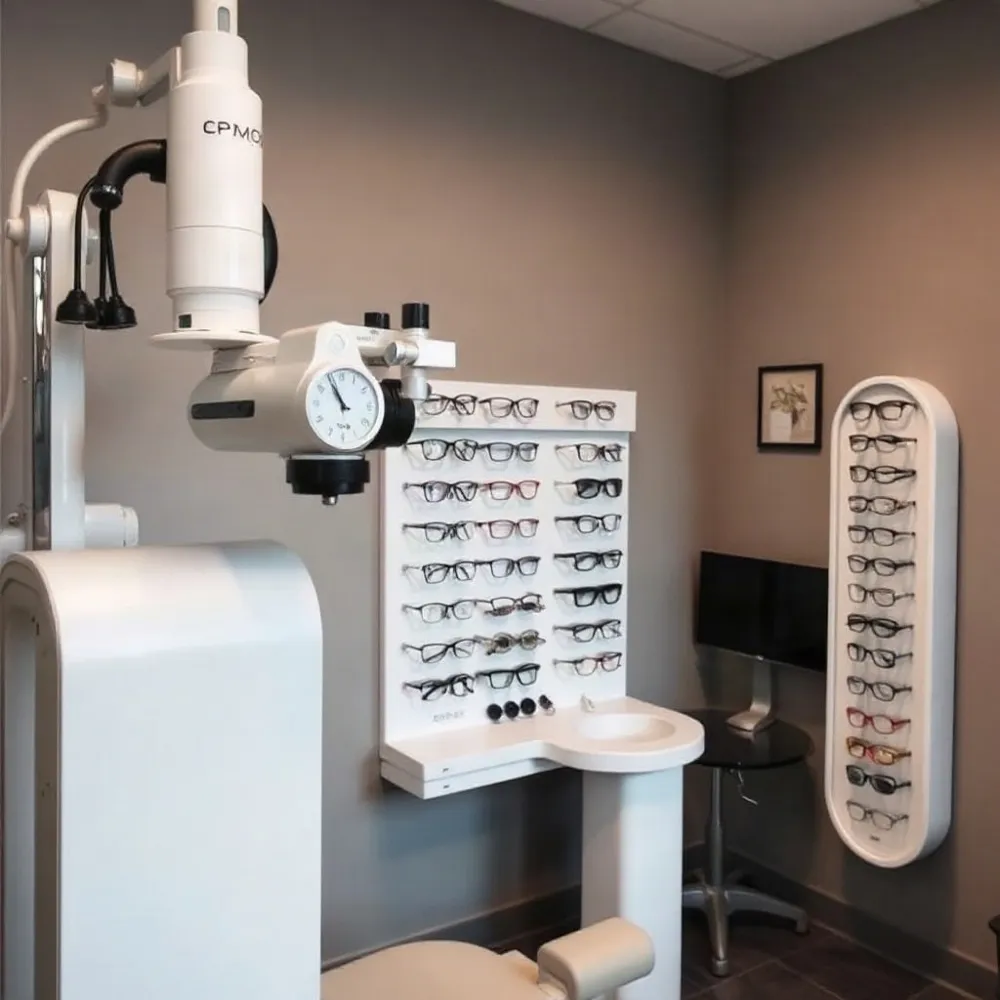
A frame that slides, sits crooked, or leaves pressure marks may need adjustment. An optician can refine the nose pads and temples and check lens alignment. At Apple Eye Care, personalized attention is part of its optometry services in El Paso, where an eye-care professional can assess comfort alongside your vision needs.
Avoid bending frames yourself, since small changes can affect how they sit. Wear new glasses consistently rather than repeatedly switching between them and an older pair. Mild eyestrain or a changed sense of depth may occur at first; give yourself time to adapt while keeping track of whether symptoms are easing.
If headaches, dizziness, blurred vision, or other discomfort persists or worsens, contact an eye-care professional. The frame fit and prescription can be checked, and any needed adjustments can be discussed. Guidance on selecting lenses around daily needs is also available in 2020’s lifestyle lens advice.
A Personalized Fit for Everyday Vision
A good lens fit brings together prescription, lens design and material, daily tasks, frame alignment, and comfort. Tell your eye-care professional what you do most, then discuss options suited to those needs, as recommended in guidance on selecting lifestyle lenses.
At Apple Eye Care, eye exams and personalized care in El Paso can help inform those choices. If new glasses feel uncomfortable or vision does not seem right, follow up with your eye-care professional.