Why Family Eye Care Matters
A comprehensive eye exam does more than update a glasses or contact lens prescription. It checks vision and examines eye health, making it part of preventive care for the whole family. The CDC explains that eye exams can help protect vision at every age and life stage.
Vision and eye health can change throughout life, and some eye diseases develop without noticeable symptoms at first. At Apple Eye Care in El Paso, comprehensive optometry services include advanced diagnostics such as DRI OCT Triton, alongside personalized care for different vision and health needs.
This guide looks at what a comprehensive exam evaluates, how care needs differ across childhood and adulthood, and how some eye findings may lead to follow-up with a medical professional. An eye exam can offer useful health clues, but it does not replace a diagnosis from a physician.
What A Comprehensive Exam Evaluates
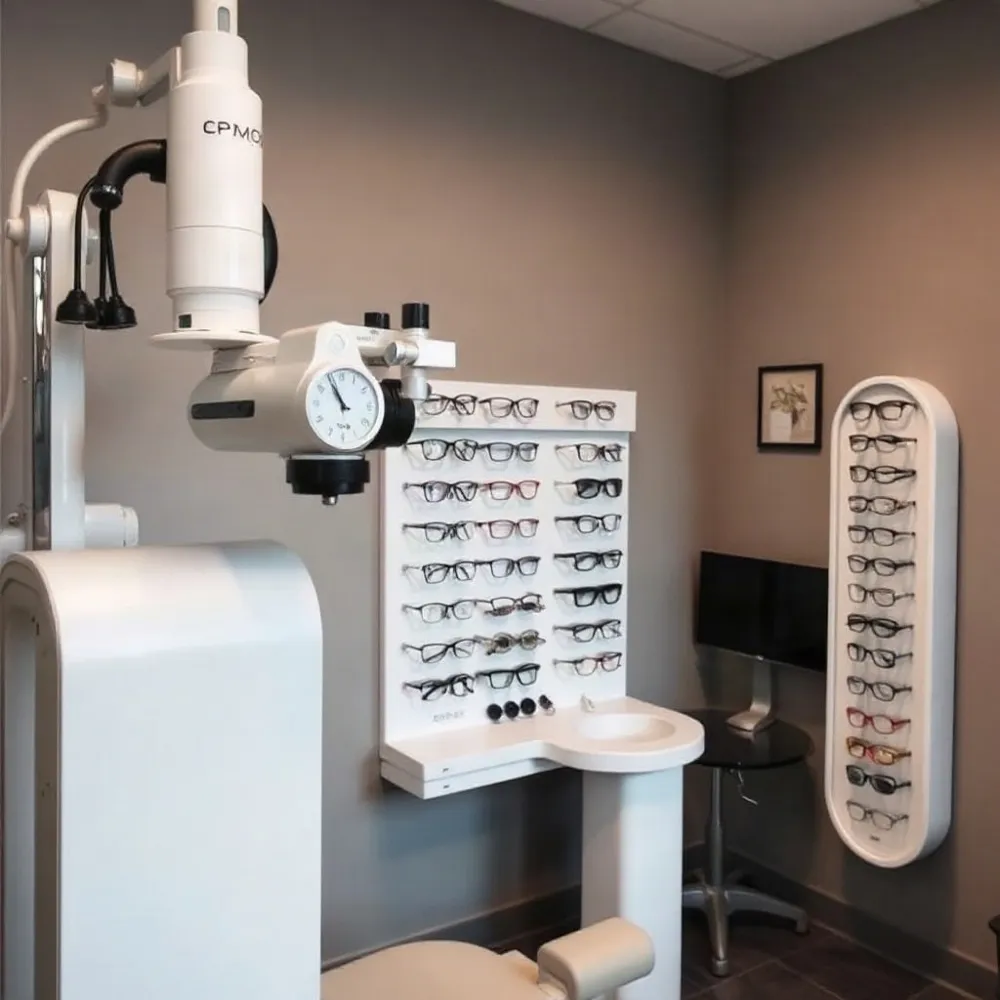
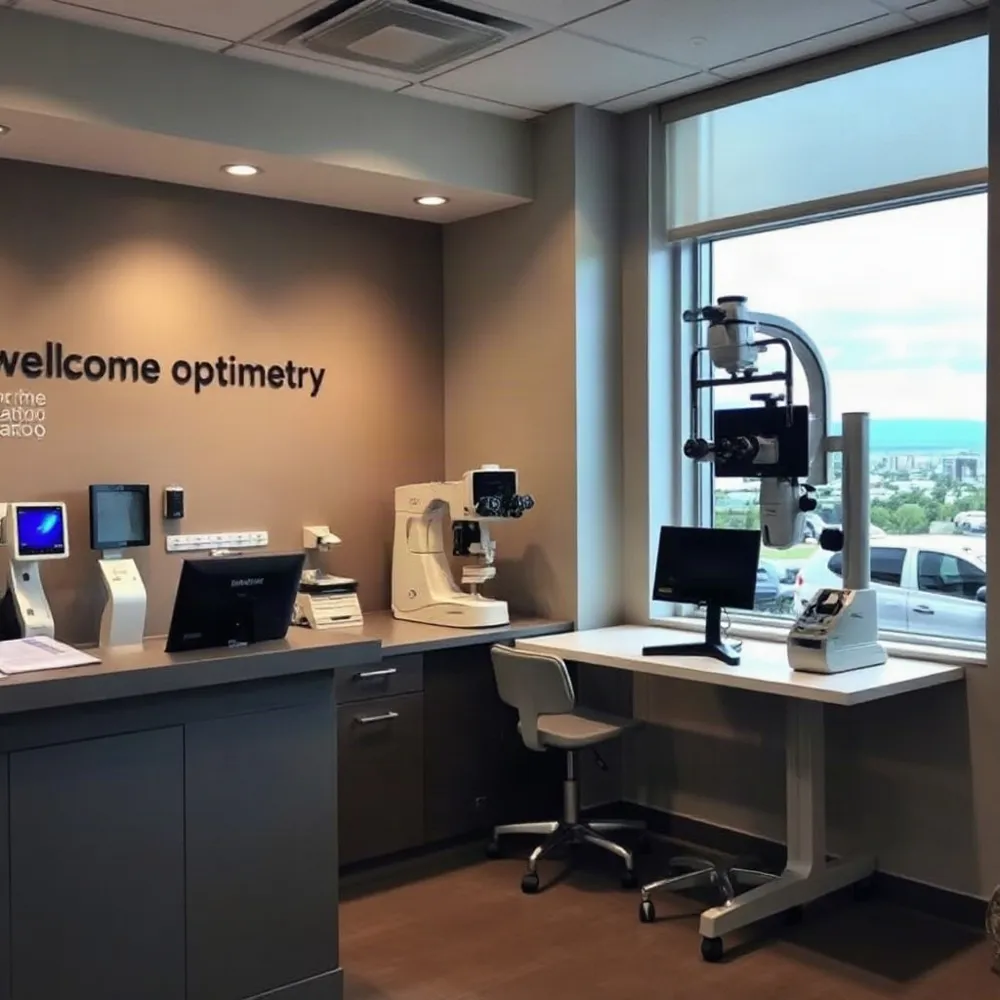
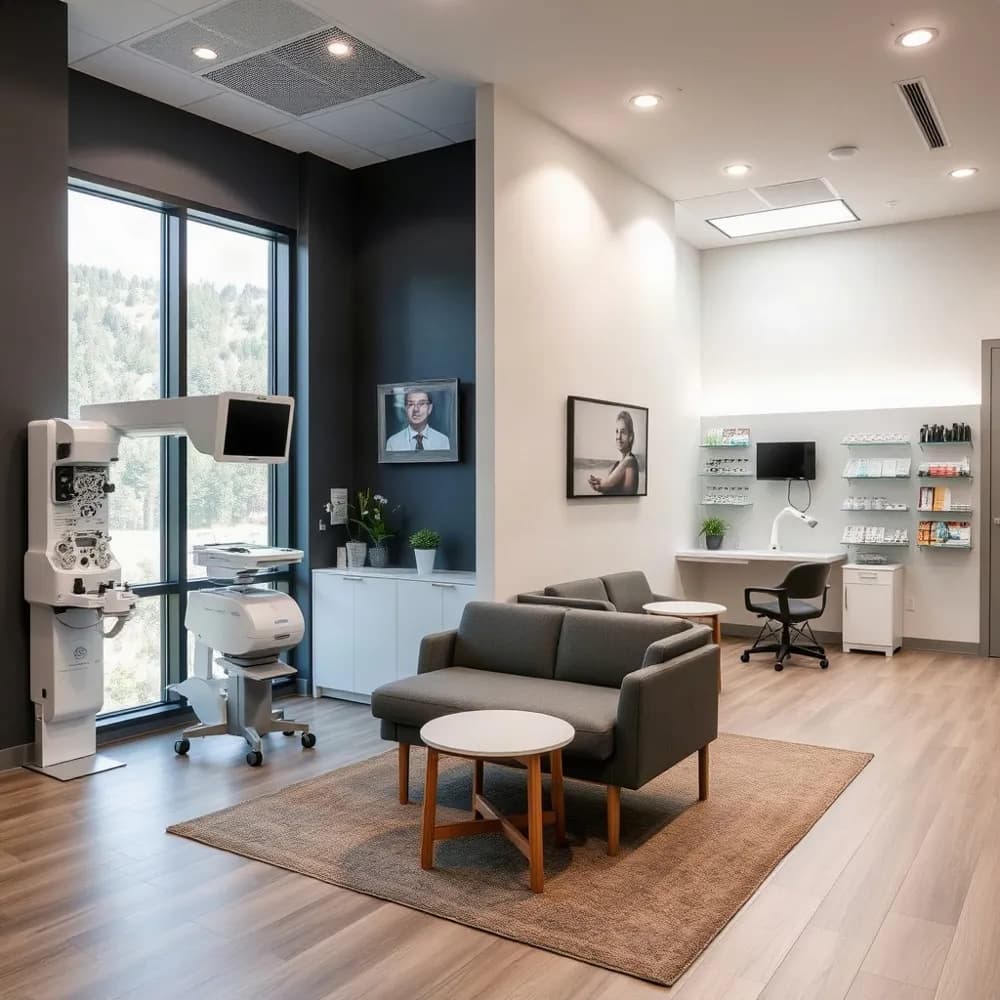
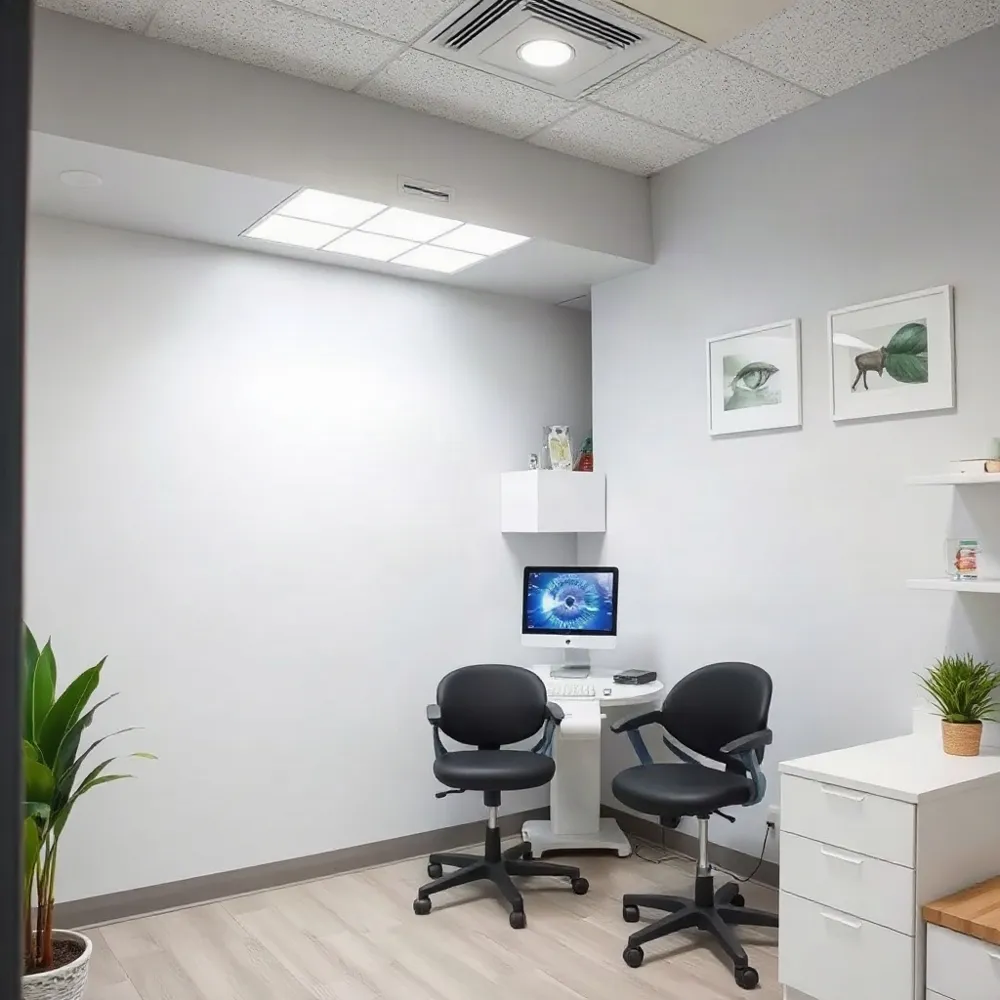 A comprehensive eye exam checks both how clearly you see and the health of your eyes. The optometrist selects tests based on your age, symptoms, medical and vision history, and individual needs. At Apple Eye Care in El Paso, the practice combines routine eye care with advanced diagnostics, including DRI OCT Triton imaging when appropriate.
The visit usually begins with a review of your health history and any vision concerns. A visual acuity test measures how clearly you see at different distances, while refraction determines the lens prescription that may sharpen your vision. The clinician may also assess focusing, eye alignment, and how well the eyes work together.
Other tests can include checks of pupil response, color and peripheral vision, and pressure inside the eye. Examination of the external and internal structures may involve a slit lamp and a closer look at the retina and optic nerve. Dilation or retinal imaging may be used when the clinician needs a wider or more detailed view. The CDC explains that a comprehensive dilated exam can help detect eye disease early, including when symptoms are not yet noticeable (CDC guidance on eye exams).
Clear sight does not prove that the eyes are healthy, and a brief vision screening is not a substitute for a full examination. A comprehensive exam uses several tests to assess vision and eye health, with the exact combination tailored to the patient (clinical overview of comprehensive eye examinations).
Care Across Childhood And Adulthood
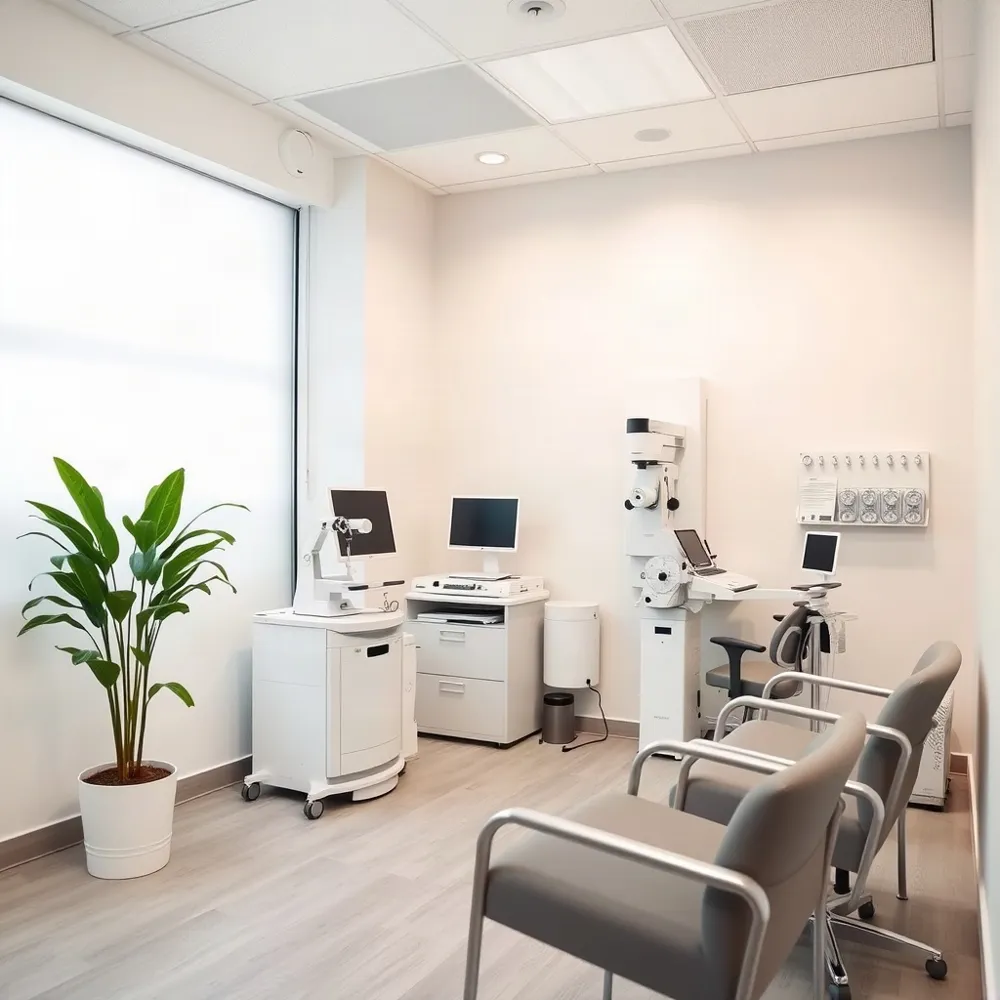 Comprehensive eye care matters at every age, including for people who see clearly and have no obvious symptoms. Children may not know their vision is blurry or have the words to describe it, and an unrecognized problem can affect learning and visual development. At Apple Eye Care in El Paso, family-focused optometry includes care for children and adults, with recommendations shaped by individual needs.
A screening is a brief check for possible concerns, not a full assessment of vision and eye health. A child who fails, cannot complete, or receives an inconclusive screening may need a comprehensive exam; the American Academy of Ophthalmology’s guidance on children’s eye screening explains when further assessment is appropriate.
Testing can be adapted to a child’s age and ability. For infants, a clinician may check the red reflex, pupils, eye alignment and movement, and whether the child can fixate on and follow an object. Photoscreening uses a camera to flag possible risk factors in toddlers. Preschoolers who cannot read letters may be assessed with picture or symbol charts or instrument-based tests.
Routine childhood checks are often scheduled in infancy, again during early childhood, and before school, but recommendations vary. Further timing depends on findings, symptoms, and risk factors, so families can ask a pediatrician or eye doctor what schedule fits their child. These milestones guide routine care, not diagnosis.
Adults and seniors also benefit from regular comprehensive exams as vision, work demands, health, and eye-disease risk change. Diabetes and a family history of eye disease are among the reasons to discuss an appropriate schedule with an eye-care professional. The CDC’s overview of why eye exams matter notes that exams can help detect problems that may not cause early symptoms.
Personalizing The Exam Schedule
 How often should adults have their eyes examined? There is no single schedule for everyone. Age, symptoms, vision needs, health, and family history all affect how often an exam is appropriate.
As general guidance, adults ages 18 to 39 without symptoms or known risk factors may need an exam every two years. Adults ages 40 to 64 may need one every two to four years, while adults 65 and older may need exams every one to two years. These ranges are starting points, not a substitute for personal advice.
Annual visits may be appropriate for people who wear glasses or contact lenses, have diabetes or another condition that can affect vision, or have a family history of eye disease. The CDC’s guidance on eye exams also recommends annual dilated exams for people with diabetes. At Apple Eye Care in El Paso, Dr. Stephen Applebaum’s team can consider a patient’s health history alongside vision needs when discussing care.
Ask an eye-care professional to recommend an interval that fits your circumstances, and arrange care sooner if you notice sudden vision changes, blurred vision, or eye pain. The CDC advises contacting an eye doctor promptly for symptoms such as decreased vision or eye pain rather than waiting for a routine appointment.
Eye Findings And Wider Health
A comprehensive exam can offer clues about health beyond vision. The retina, its blood vessels, and the optic nerve may show changes associated with diabetes, high blood pressure, or other conditions. The American Academy of Ophthalmology’s overview of health problems eye exams may detect describes these findings as possible signs that may need medical follow-up, not proof of a diagnosis.
At Apple Eye Care in El Paso, advanced diagnostics such as DRI OCT Triton support eye-health evaluation, while findings that suggest a broader concern may call for follow-up with a primary care provider or specialist. An eye-care professional can explain what a result means and whether further assessment is appropriate.
A comprehensive exam checks vision and overall eye health, often as routine care even when there are no symptoms. A medical eye exam focuses on a particular symptom, injury, or condition. The tests can overlap; the reason for the visit and the clinician’s findings may affect how the visit is classified and billed. Apple Eye Care also provides specialized care for concerns such as glaucoma and cataracts.
Do not wait for a routine appointment if vision changes suddenly, you see flashes, or you have significant eye pain. The CDC’s guidance on eye exams advises contacting an eye-care professional promptly for urgent symptoms.
Prescriptions Costs And Practical Questions
A comprehensive eye exam looks at overall vision and eye health, while a contact lens evaluation focuses on whether lenses are suitable and how they fit. For new wearers, that visit may include corneal measurements, tear-film assessment, a lens trial, comfort checks, and instruction on inserting, removing, and caring for lenses. A follow-up may be needed, and a contact lens evaluation does not replace routine comprehensive exams.
For glasses, expect to discuss your concerns, medical history, and vision changes. Bring your current glasses or contact lenses so the optometrist can review your existing prescription. Visual acuity and refraction tests help determine whether an updated prescription is appropriate; the clinician may also check eye pressure and overall eye health.
Vision insurance often covers routine comprehensive exams, but copays, frequency limits, and covered tests vary by plan. Medical insurance may apply when evaluating symptoms or an eye condition, but may not cover routine vision testing or refraction. As a rough U.S. estimate, an exam may cost about $25 with vision insurance or $136 without it; actual prices depend on location, provider, exam type, and added diagnostic tests.
Before scheduling, check your benefits and ask Apple Eye Care about expected out-of-pocket costs. Its comprehensive optometry services include eye exams and advanced diagnostics, so confirm which tests are planned and how your coverage applies.
Make Eye Health A Family Habit
Routine comprehensive exams help families keep up with changing vision and check eye health at every age. Share symptoms, medical and family history, and risk factors with your eye-care professional to plan an appropriate schedule.
Apple Eye Care’s exams include advanced diagnostics and personalized attention. Seek prompt care rather than waiting for a routine visit if you have sudden vision loss, eye pain, double vision, flashes, or new floaters, as the CDC advises.