Why Your Annual Comprehensive Eye Exam Matters More Than You Think
Many people mistakenly assume that a basic vision screening, such as those performed at the DMV or school, is equivalent to a medical examination. In reality, a vision screening only identifies those at high risk for eye disease rather than diagnosing specific conditions. A comprehensive eye exam is a preventive health check that monitors your total ocular well-being.
Even individuals who enjoy 20/20 vision require routine care because many serious conditions, such as glaucoma and cataracts, remain asymptomatic in their early stages. Without a dilated eye exam, these silent threats can cause irreversible damage to your vision before you notice any symptoms.
At Apple Eye Care, we emphasize a personalized approach that goes far beyond the standard eye chart. Led by Dr. Stephen Applebaum, our clinic integrates advanced diagnostic technology like the DRI OCT Triton to map the structures of your eyes in detail. Whether you require vision correction or specialized management for chronic conditions like dry eye or glaucoma, we ensure your long-term health is protected through proactive clinical evaluation.
The Fundamental Importance of Comprehensive Ocular Screenings
 Regular, comprehensive eye exams are a vital part of finding eye diseases early to protect your vision. Many eye diseases are common and can go unnoticed for a long time, as some problems do not present symptoms in their early stages. According to the CDC, a comprehensive dilated eye exam performed by a qualified eye doctor is the only reliable way to identify these issues before they lead to permanent visual impairment or significant vision loss.
Silent threats such as glaucoma and age-related macular degeneration often progress without warning. In the case of glaucoma, damage to the optic nerve frequently occurs before a patient experiences any noticeable change in sight. By the time symptoms appear, the damage may already be irreversible. This is why professional screenings serve as a primary pillar for maintaining long-term health.
At Apple Eye Care in El Paso, TX, Dr. Stephen Applebaum and his team emphasize a personalized approach that goes well beyond basic vision checks. By utilizing advanced diagnostics such as the DRI OCT Triton, the clinic can document subtle structural changes in the retina long before they impact your daily life. Unlike generic vision screenings found at retail outlets or schools, which only assess surface-level acuity, a medical-grade exam provides a comprehensive health assessment that serves as a diagnostic window into your systemic well-being.
- Annual exams are critical for identifying diabetic retinopathy, which can be managed or delayed in 90% of cases if caught early.
- Routine care helps manage chronic conditions like dry eye and cataracts, which are common causes of progressive visual discomfort.
- Establishing a baseline history with your optometrist allows for the accurate tracking of subtle changes in eye structure over time, rather than relying on reactive care after a problem arises.
Beyond the Eye Chart: Comprehensive Exams vs. Routine Vision Checks
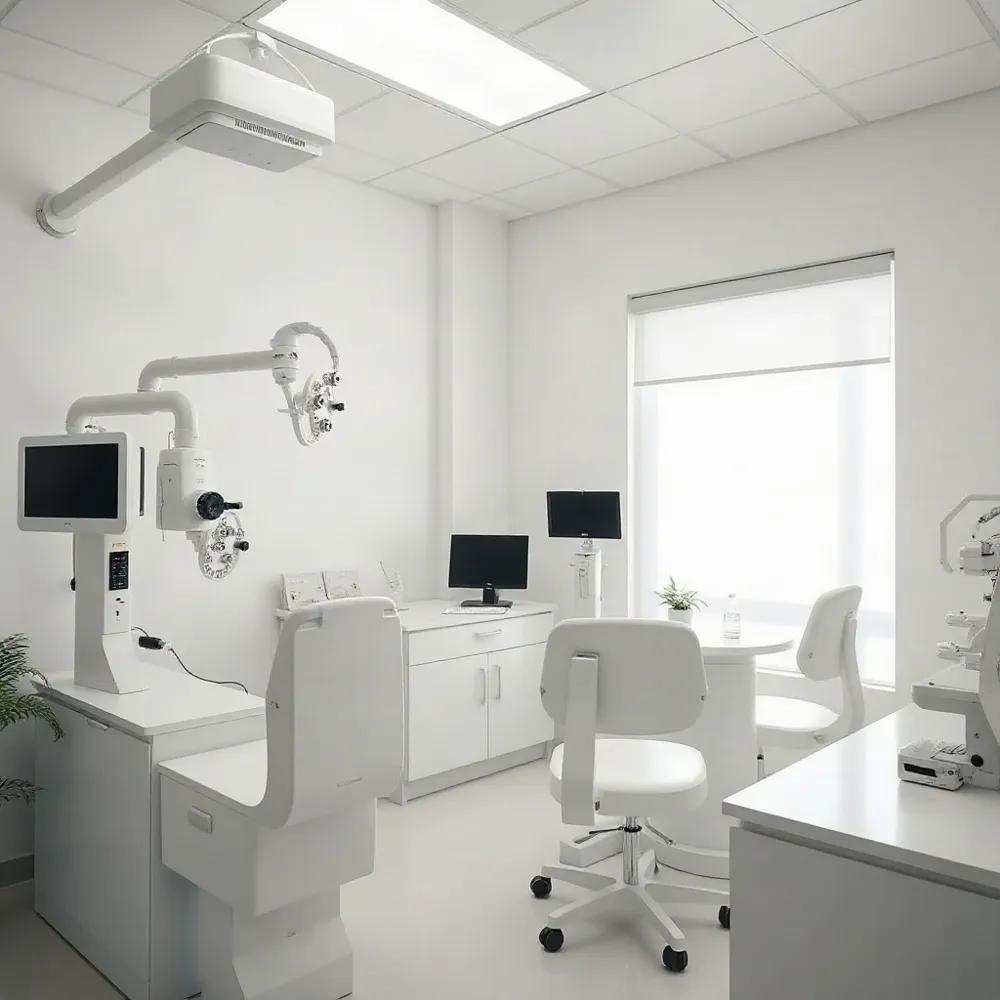 Many people conflate a basic vision screening with a medical examination, but the two serve distinct purposes. A standard screening, often found at school or DMV locations, acts only as a brief check to identify individuals who might require further evaluation. As noted by Prevent Blindness, these screenings do not provide a medical diagnosis or treatment plan.
What is the difference between a routine eye exam and a comprehensive eye exam?
A routine vision check focuses primarily on refractive errors, measuring your sight to determine if you need glasses or contact lenses. Conversely, a comprehensive eye exam serves as a deep, health-focused assessment of your entire ocular system. At Apple Eye Care, Dr. Stephen Applebaum and his team move beyond simple charts to perform a full medical evaluation of your eyes. This process includes checking your eye pressure, coordination, and peripheral vision to screen for silent threats like glaucoma, cataracts, or age-related macular degeneration.
Modern clinical practice requires advanced technology to look beneath the surface. While some clinics rely on basic tools, Apple Eye Care utilizes high-resolution imaging of the retina and optic nerve. This advanced diagnostic technology allows for the early detection of subtle structural changes that often go unnoticed during routine tests. By analyzing internal eye health, practitioners can identify not only ocular diseases but also systemic indicators of conditions such as diabetes or hypertension.
| Feature | Vision Screening | Comprehensive Exam |
|---|---|---|
| Primary Goal | Identify risks | Diagnose health |
| Diagnostic Depth | Surface level | Internal structures |
| Clinical Value | Referral trigger | Treatment planning |
Systemic Health Indicators Visible Through Your Eyes
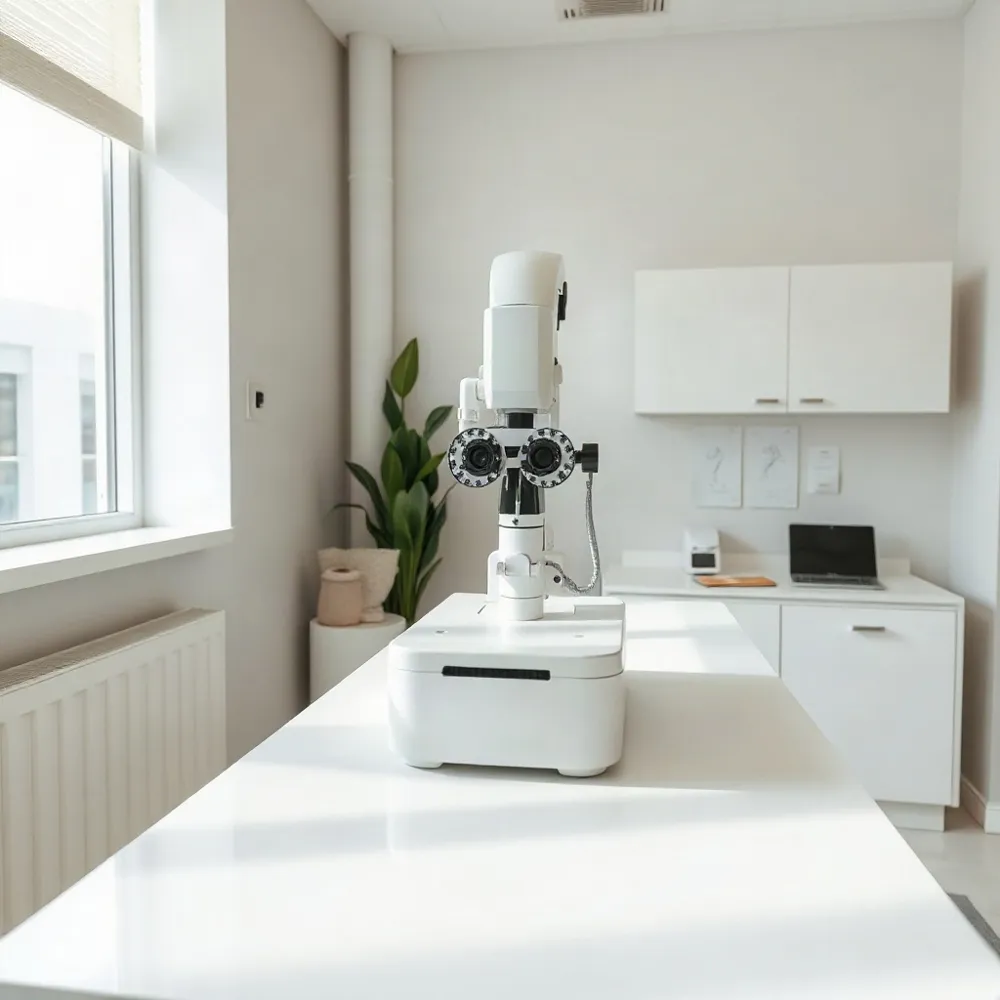 A comprehensive eye exam offers a unique window into your overall health, as the eyes allow doctors to directly observe blood vessels, nerves, and connective tissues. During an exam, your optometrist can identify early signs of systemic conditions like diabetes, high blood pressure, and heart disease by detecting changes in retinal blood vessels, as noted by the CDC.
What systemic diseases can be detected through a comprehensive eye exam?
Beyond vascular markers, an eye exam can reveal indicators of neurological issues through changes in the optic nerve or pupil size. Apple Eye Care in El Paso, TX, supports this proactive approach by utilizing advanced diagnostic technology like the DRI OCT Triton to examine these structures in minute detail. This level of precision helps detect inflammatory conditions and certain systemic cancers, including lymphoma or various malignancies affecting the eyelids, which might otherwise remain hidden during a standard physical.
Because many serious health problems often present without noticeable symptoms in their early stages, regular exams are a vital tool for whole-body management. While generic screeners at the DMV only check basic sight, the American Academy of Ophthalmology emphasizes that comprehensive clinical assessments provide the necessary evidence to catch systemic threats early. At Apple Eye Care, Dr. Stephen Applebaum and his team prioritize these detailed ocular health assessments to monitor for chronic conditions such as high cholesterol or systemic inflammation before they impact a patient's long-term quality of life.
Frequency and Preparation for Your Visit to Apple Eye Care
How often should you have your eyes checked?
The frequency of your visits depends on your age, specific risk factors, and overall health status. According to the American Optometric Association, a comprehensive exam is typically recommended every two years for adults between 40 and 64, while individuals 65 and older should schedule annual appointments. If you wear corrective lenses or have chronic conditions like diabetes or a family history of eye disease, Dr. Stephen Applebaum may suggest more frequent evaluations to monitor your ocular health. Because conditions such as glaucoma and diabetic retinopathy often progress without warning, consistent professional screenings are necessary to protect your long-term vision. At Apple Eye Care, our team helps you establish a personalized schedule that addresses your specific needs throughout every stage of life.
How should I prepare for my eye exam, and can I drive afterwards?
To make the most of your visit, bring your current eyeglasses, contact lenses, and a list of all your active medications or supplements. Sharing your family history and noting any recent visual changes helps us provide the best personalized care. During your session, we may use dilating eye drops to widen your pupils, which allows us to inspect the inner structures of your eye for subtle signs of disease. Dilation often causes temporary light sensitivity and blurred near vision, which can make it difficult to operate a vehicle safely. We recommend that you bring a pair of sunglasses to wear after your appointment and arrange for someone else to drive you home so you can remain comfortable while your vision returns to normal.
Clinical Procedures and Modern Digital Eye Management
What tests and procedures are typically performed during a comprehensive eye exam?
A comprehensive eye exam at Apple Eye Care begins with a review of your medical history and current vision concerns to tailor the visit to your individual needs. The process includes a visual acuity test to measure sight clarity at various distances and a refraction test to determine the precise prescription for your glasses or contact lenses as recommended by the American Academy of Ophthalmology. Your doctor will also perform a glaucoma screening to measure your inner eye pressure, a standard component of an ocular health assessment.
At our practice, we utilize advanced diagnostics, such as the DRI OCT Triton, to capture detailed images of the retina and optic nerve for early detection of eye diseases. Dilated examinations or specialized high-resolution imaging allow us to thoroughly inspect the back of the eye, ensuring a complete evaluation of your long-term vision health, which is often asymptomatic in the early stages.
What is the 30-30-30 rule for managing eye strain?
The 30-30-30 rule is a practical guideline for managing digital eye strain by encouraging regular, scheduled breaks from intense near-focus tasks. To follow it, you should pause every 30 minutes of screen time to look at an object at least 30 feet away for 30 seconds. This practice helps relax the focusing muscles in your eyes, which frequently become fatigued during prolonged periods of digital device use.
While some practitioners recommend the similar 20-20-20 rule, the core principle remains consistent: interrupting extended near work with distance viewing alleviates common symptoms such as headaches, dry eyes, and blurred vision. At Apple Eye Care, we recommend incorporating these visual breaks into your daily professional or academic routine to maintain comfort and support long-term ocular health.
Commit to Your Vision Health Today with Apple Eye Care
Prioritizing an annual comprehensive eye exam is the most effective way to safeguard your long-term wellness. By catching silent threats like glaucoma or diabetic retinopathy early, you secure the best chance at preserving your sight. At Apple Eye Care, Dr. Stephen Applebaum delivers this high level of care through a family-oriented approach that treats every patient as an individual. Utilizing advanced diagnostic technology like the DRI OCT Triton, the team ensures precise monitoring of your ocular health. Visit www.appleeyecare.com today to schedule your next visit.