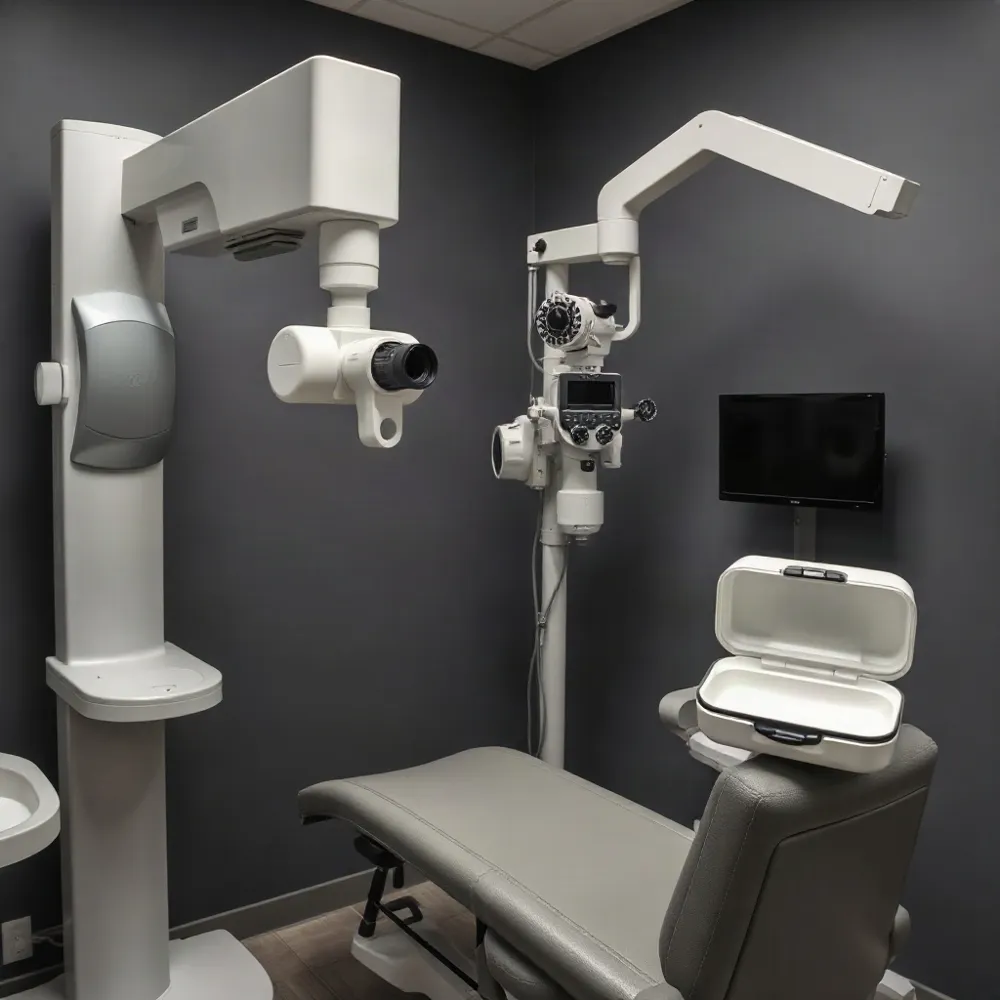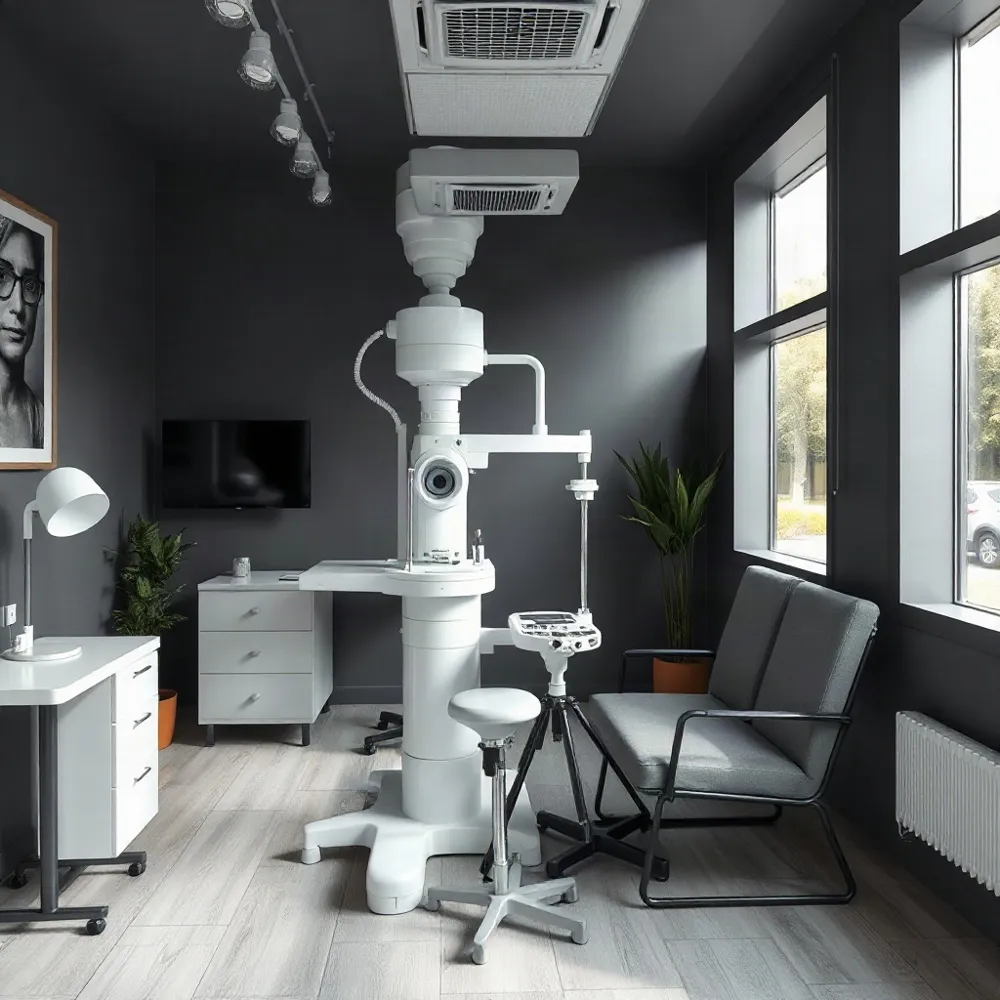
Embarking on Your Contact Lens Journey at Apple Eye Care
Transitioning to contact lenses is an exciting step toward greater visual freedom, but it requires more than just a standard prescription. At Apple Eye Care, Dr. Stephen Applebaum and our dedicated team prioritize a personalized approach to ensure your eyes remain healthy and comfortable from day one. Unlike generic retailers that may provide a one-size-fits-all experience, we focus on the specific anatomy of your eye to provide a precise, custom fit.
Setting realistic expectations is a core component of our care. New wearers often experience an adjustment period lasting anywhere from a few days to two weeks. During your visit, we perform a detailed contact lens exam, which includes tear film evaluation and corneal measurements, to select materials that prevent dryness and irritation. This specialized process ensures that your lenses feel natural rather than like a foreign object.
Our team also provides hands-on guidance for insertion, removal, and hygiene, empowering you to manage your lenses with confidence. We recommend scheduling contact lens follow-ups after your initial fitting, as these visits allow us to verify your comfort and address any minor adjustments needed to optimize your vision. By partnering with us, you receive the professional support necessary to make your journey into contact lenses both safe and successful.
Why You Need a Specialized Contact Lens Exam
 Many patients assume that a standard eye exam provides all the information needed to wear contact lenses, but these two services serve different purposes. A comprehensive eye exam focuses on your overall ocular health and determines your refractive error for glasses. Because contact lenses sit directly on the surface of your eye, they require a specialized contact lens exam to ensure they remain comfortable and safe throughout the day.
The primary reason an eyeglass prescription is insufficient for contact lenses is that it does not account for the physical anatomy of your eye. When you visit Apple Eye Care, our team performs precise measurements that a glasses-only exam neglects. We use instruments like a keratometer or corneal topographer to map your corneal curvature, which allows us to select a base curve and diameter that perfectly matches your eye. This level of customization is vital, as a lens that is too tight or too loose can restrict oxygen flow or cause surface abrasions.
Why is a contact lens exam required even if I already have a current prescription for glasses?
Beyond physical dimensions, the fit of a contact lens depends heavily on the quality and quantity of your tears. During a contact lens exam, we perform a tear film evaluation to determine if your eyes are prone to dryness, which helps us recommend specific materials that provide long-term comfort. This process also includes a trial period where you wear lenses in the office so our doctors can verify proper movement and alignment under a slit lamp. If you experience discomfort, these follow-up visits allow us to fine-tune your fit. While generic lenses might be available online, a professional fitting at Apple Eye Care ensures your specific ocular needs are met, protecting your vision for years to come.
The First-Time Fitting Process Explained
Your journey to clear vision begins with a conversation about your lifestyle. At Apple Eye Care, we prioritize your goals, whether you need lenses for daily wear, high-intensity sports, or professional screen-heavy environments. By understanding your specific habits, we can identify whether you are better suited for daily disposables or specialized lenses designed for high prescriptions or astigmatism.
The clinical phase of your fitting involves precise diagnostics. Our team uses advanced equipment to measure your corneal curvature and eye surface, ensuring that each lens sits perfectly without causing discomfort or irritation. We also perform a tear film evaluation to verify that your eyes have sufficient moisture for long-term wear. These objective measurements are what set a dedicated contact lens fitting apart from a standard vision screening.
After selecting the right trial lenses, we guide you through the process of insertion, removal, and hygiene. This training is a cornerstone of our service, designed to build your confidence and ensure safe handling from day one. You will test the lenses in our office to confirm your visual acuity and comfort before you head home to practice on your own.
To ensure everything remains stable, we schedule a mandatory follow-up visit, usually one week after your initial fitting. This session is critical for your long-term eye health, as it allows your doctor to use a slit lamp to inspect how the lenses interact with your ocular tissues. This checkup provides the final assurance that your lenses are providing the clear, comfortable vision you expect.
Annual Exam Requirement. It is recommended that you schedule a contact lens exam every year. This annual appointment is essential even if you are not experiencing any vision changes, as it allows your optometrist to ensure your lenses remain the correct fit for your eyes. These specialized, contact-specific tests prioritize your long-term eye health and comfort.
First-Time Fitting Expectations. During your first-time contact lens fitting at Apple Eye Care, your doctor will discuss your lifestyle needs, conduct precise measurements of your eye, and provide professional training on how to safely handle your contacts. You will wear a trial pair to ensure clarity and comfort, followed by a scheduled visit to confirm success before your final supply is ordered.
Choosing the Ideal Lens for Your Lifestyle
Selecting the right contact lens involves balancing your unique vision requirements, your daily schedule, and the specific anatomy of your eyes. While many new wearers are drawn to the convenience of daily disposable lenses, others may benefit from the extended utility of monthly replacement options. At Apple Eye Care, Dr. Stephen Applebaum evaluates your tear film quality and corneal curvature to ensure that your chosen modality supports long-term ocular health rather than just immediate vision correction.
Many modern lenses utilize silicone hydrogel materials, which are engineered to offer high levels of oxygen permeability. This material allows your eyes to breathe throughout the day, effectively reducing the common symptoms of dryness and redness often associated with older soft lens technologies. By providing a consistent flow of oxygen to the cornea, these advanced materials maintain comfort even for patients who spend significant time looking at screens or working in challenging environments.
What are the best types of contact lenses for a first-time wearer?
For first-time contact lens wearers, daily disposable lenses are generally considered the best and most convenient option. These lenses are discarded after a single use, which eliminates the need for nightly cleaning and reduces the risk of eye infections caused by improper lens care. Because every patient's eyes are unique, the best lens is ultimately determined at Apple Eye Care, where our team assesses your specific vision needs and tear film health. We prioritize your comfort by helping you select the perfect lens and providing personalized guidance on proper handling techniques.
Patients with specific visual needs, such as astigmatism, often require toric lenses designed with weighting to prevent rotation on the eye. Those addressing presbyopia may find that multifocal lenses offer a smooth transition between reading and distance vision. Regardless of your prescription, contact lens follow-ups are essential to verify that your chosen lenses provide stable vision across all distances and comfort throughout your daily routine.
Mastering Insertion, Removal, and Hygiene Techniques
 Learning to handle your lenses is a vital skill that empowers you to experience the full benefits of contact lens wear. At Apple Eye Care, we provide hands-on training to ensure you feel confident and secure with these daily tasks before you leave our office.
What are the standard steps for safely inserting and removing soft contact lenses?
To safely insert and remove soft contact lenses, begin by thoroughly washing and drying your hands with a lint-free towel to prevent debris or oils from entering your eye. For insertion, place the lens on your fingertip, ensure it is right-side-out and undamaged, then use your non-dominant hand to hold your eyelids open while placing the lens directly onto your eye. After placement, blink slowly and roll your eyes to settle the lens. To remove your contacts, ensure you are working over a clean, flat surface and gently pinch the lens with your fingertips, avoiding fingernails, to lift it from the eye. Always maintain a calm, patient approach and use only approved contact lens solution rather than tap water for cleaning or rinsing.
Hygiene remains the most effective defense against complications like corneal ulcers or infections. For patients using multi-use lenses that require a storage case, it is essential to empty and rinse the case with fresh multipurpose solution every day. Air-dry your case upside down on a clean paper towel to prevent bacterial growth. While some patients may consider using tap water for a quick rinse, this practice is strictly prohibited because water can harbor harmful organisms. When your lenses do not feel comfortable or your vision remains blurry after cleaning, contact our office so we can assess your ocular health.
For those seeking the simplest routine, daily disposable lenses eliminate the need for cleaning and storage altogether. We will determine if your lifestyle and ocular surface are best suited for these convenient options or if a multi-use modality is the better choice for your specific vision needs.
Overcoming Common Anxieties and Fears
 Apprehension about placing objects near your eyes is a natural physiological response. At Apple Eye Care, we often see patients who worry about discomfort or the sensation of touching their own eyes. It is helpful to remember that these reflexes are simply your body protecting itself, and they become easier to manage with consistent, patient practice.
How can I overcome the fear of touching my eyes to insert contact lenses?
It is completely normal to feel apprehensive about touching your eyes, as your natural protective instincts are strong. You can begin overcoming this fear by practicing gradual exposure, which involves gently touching your eyelashes, eyelids, and the white part of your eye with clean hands to desensitize your reflexes. Education is also vital. Understanding that common fears, such as the myth that a lens could slip behind your eye, can significantly reduce your anxiety. It is physically impossible for a lens to get lost behind the eye due to the anatomy of your eyelids.
- Use a bright, well-lit mirror to increase your sense of control.
- Maintain deep, steady breathing to reduce muscle tension during the insertion process.
- Try looking upward while gently pulling down your lower lid to create more space.
For younger patients or those who remain nervous, we emphasize empowerment and comfort. We focus on clear, step-by-step guidance to ensure you feel secure throughout your training. If you find the process overwhelming, consult with Dr. Stephen Applebaum and our team at Apple Eye Care. We provide personalized support and can offer trial lenses to ensure your experience remains comfortable and stress-free.
Handling Complex Cases and Premium Fittings
Achieving clear vision for patients with unique anatomical features or complex optical requirements requires more than off-the-shelf solutions. While a standard fitting typically addresses basic, single-vision soft lenses, a premium fitting is reserved for more intricate needs. At Apple Eye Care, Dr. Stephen Applebaum uses advanced diagnostic tools like the DRI OCT Triton to map ocular structures with precision, ensuring that complex prescriptions for multifocal, bifocal, or custom lenses provide both stability and long-term comfort.
What defines a premium contact lens fitting compared to a basic one?
The primary difference lies in the visual demands and the complexity of the lens design. Standard fittings cater to routine spherical prescriptions, whereas premium fittings are essential for patients needing multifocal or specialized custom designs. These advanced appointments incorporate more extensive testing to assess how specific lens materials interact with your unique tear film and eye movement, ensuring that you achieve optimal visual performance that a standard, generalized lens cannot reliably deliver.
How are contact lens prescriptions determined for specialized needs like flat corneas?
When a patient has a flatter or steeper corneal curvature, precision measurements are non-negotiable. Practitioners use tools like a keratometer or corneal topographer to capture an exact map of the eye. Because a label’s base curve only tells part of the story, doctors must also assess the lens's sagittal depth and behavior under a slit lamp. This hands-on trial period is vital, as it allows the doctor to observe lens centration and movement before finalizing a prescription, preventing the irritation associated with an improper fit.
Navigating Insurance Coverage for Contact Lenses
Understanding how your insurance handles contact lens services is a vital step in planning for your eye health. Because contact lens fittings require specialized testing beyond a standard eye exam, many providers bill these as separate clinical evaluations. While comprehensive medical insurance usually covers exams for eye health conditions, routine contact lens services are often classified as elective vision care.
Does medical or vision insurance typically cover the cost of a contact lens exam?
Most vision insurance plans offer benefits that help offset the cost of contact lenses, but they frequently distinguish between the routine eye exam and the additional clinical fitting fee. This fee covers the precision measurements and trial assessments performed to ensure your lenses fit your unique eye shape correctly, as detailed by Optometrists.org. At Apple Eye Care, we prioritize transparency regarding these costs, which can vary depending on your specific policy. We recommend contacting your insurance carrier directly or calling our office before your visit to verify exactly which services are covered and whether your plan includes a separate allowance for fitting fees. Following a successful initial fitting, follow-up appointments are also an essential, and sometimes separate, component of your long-term eye health and comfort monitoring.
Your Path to Visual Freedom Begins Here
Professional contact lens fittings provide more than just a prescription. At Apple Eye Care, we conduct a dedicated contact lens examination that evaluates your unique corneal curvature and tear film quality. This precision ensures that your lenses remain comfortable and secure throughout your daily activities.
While other practices may rely on one-size-fits-all solutions, our team, led by Dr. Stephen Applebaum, focuses on personalized lens selection and hands-on hygiene training. We are committed to your long-term success, utilizing follow-up appointments to monitor your ocular health and fine-tune your vision.
If you are ready to experience the freedom of clear, frame-free vision, take the first step today. Visit www.appleeyecare.com to schedule your comprehensive evaluation with our team and discover a personalized approach to your eye health.