Why Personalized Fittings Are Key To Daily Comfort
A contact lens fitting is more than a simple formality. It is a precise medical procedure that ensures your vision remains clear while your eye health stays protected. Unlike a standard eye exam, a fitting involves specialized measurements of your corneal curvature, pupil size, and tear film quality. These details determine the correct base curve and lens material required to prevent common issues like dryness, irritation, or improper tear exchange.
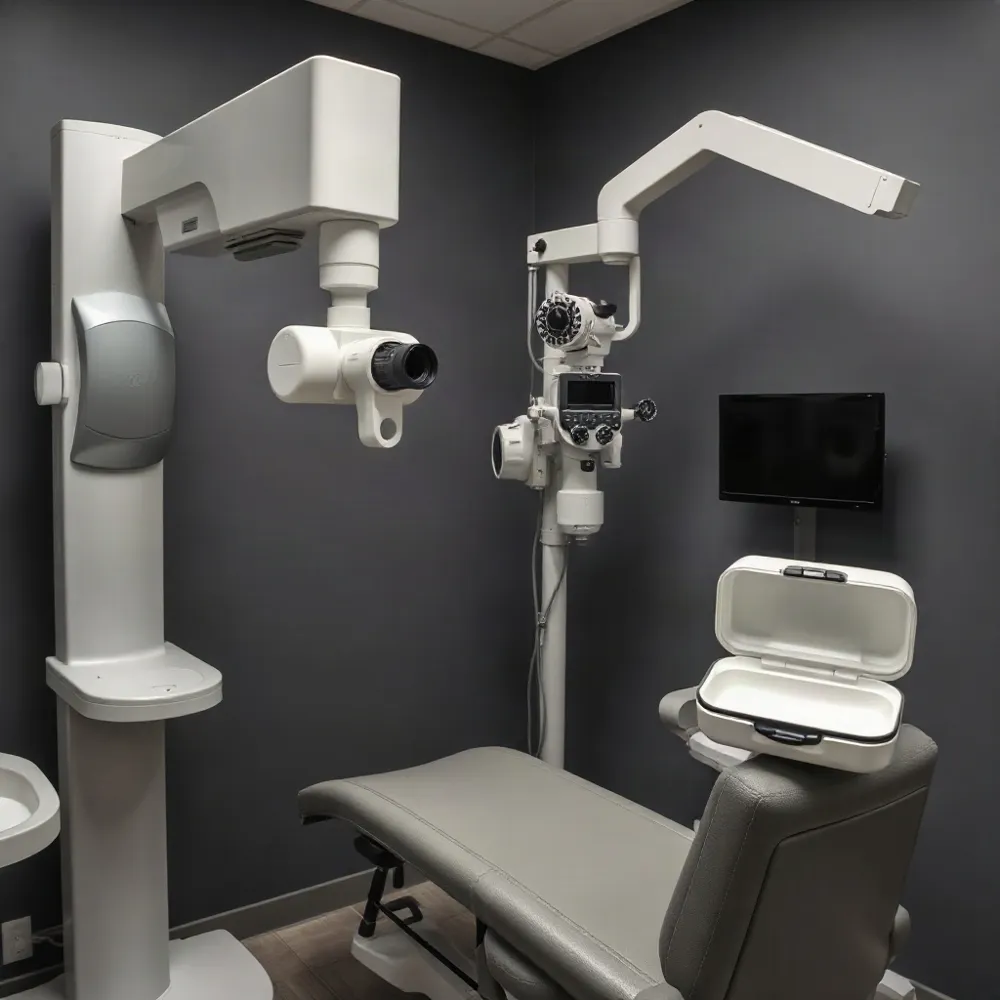
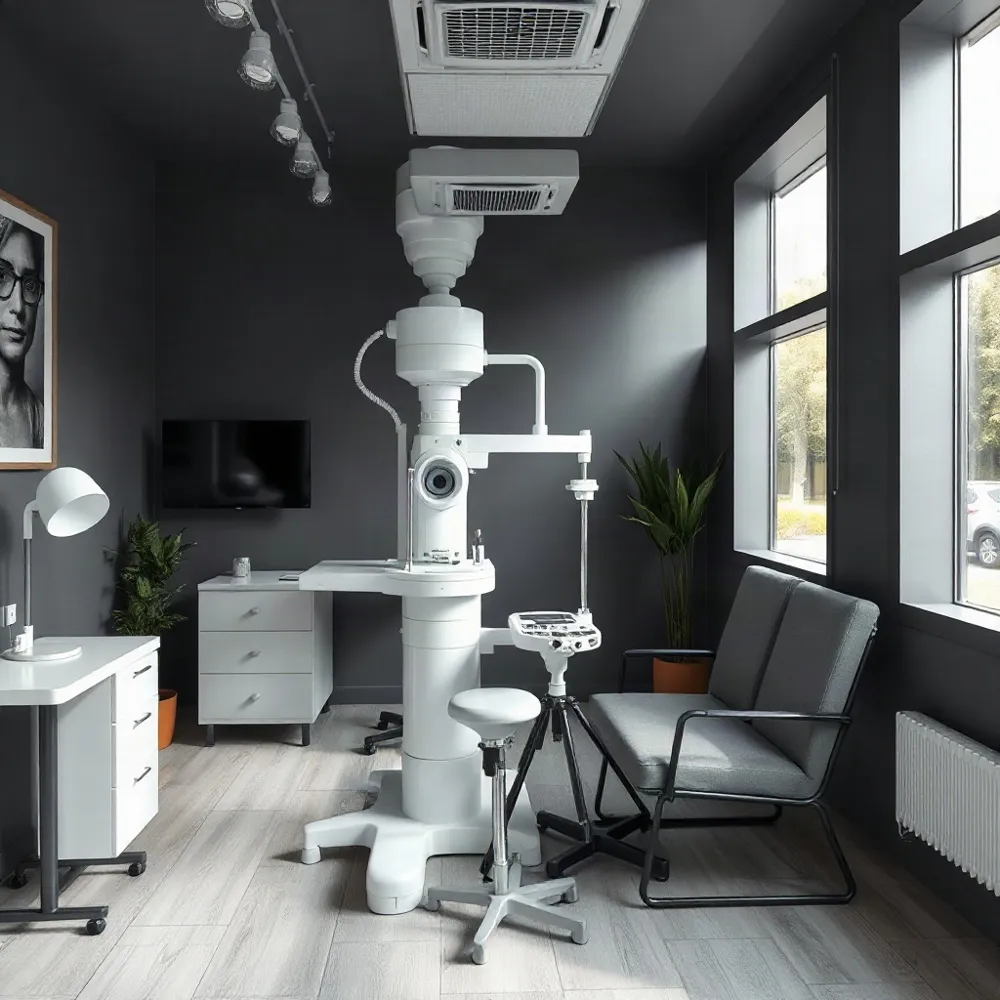
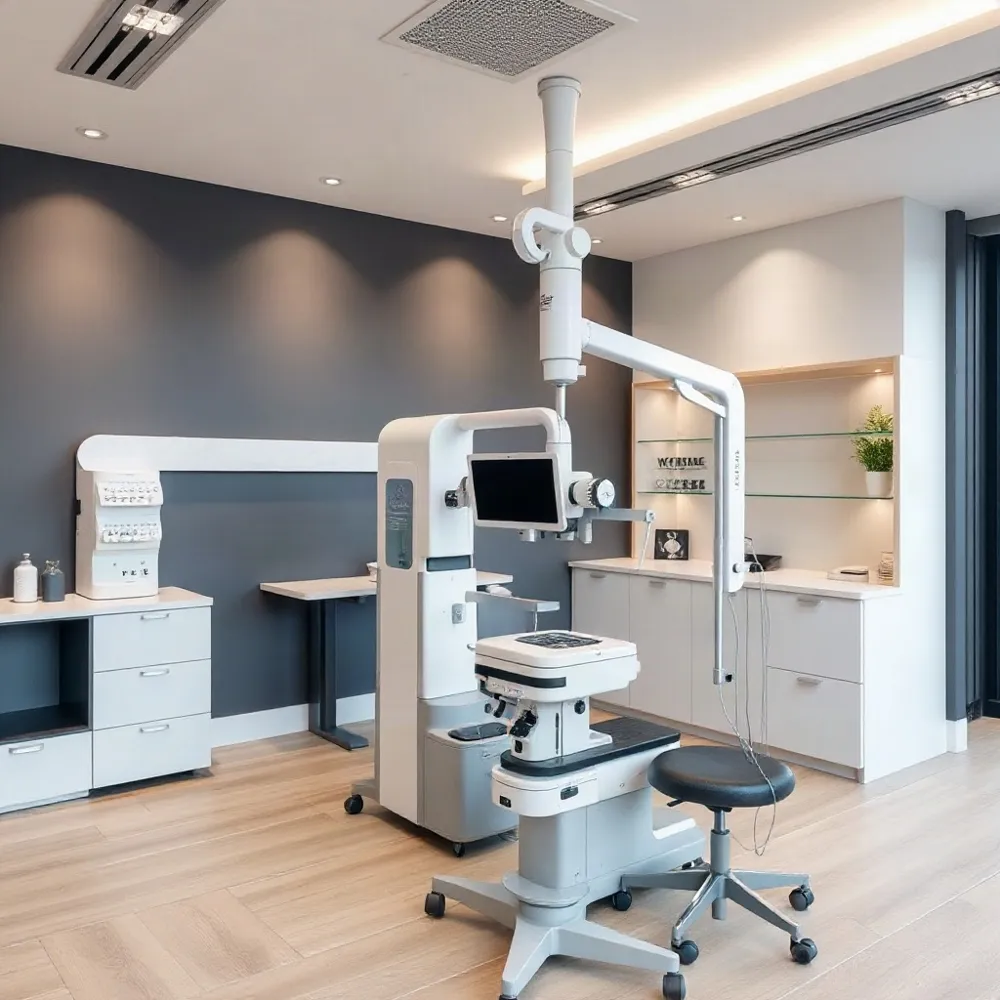
At Apple Eye Care, Dr. Stephen Applebaum moves beyond a one-size-fits-all approach by using advanced diagnostic tools like the DRI OCT Triton. This technology allows the team to monitor eye health closely while creating a care plan tailored to your specific lifestyle and ocular anatomy. While other local providers might offer a standardized range of options, this practice focuses on personalized solutions for conditions such as astigmatism and presbyopia to ensure long-term comfort.
Whether you are a veteran wearer or a first-time candidate, matching the lens physical dimensions to your eye shape is critical for safety. Improperly fitted lenses can lead to discomfort, blurred vision, and even corneal surface damage. By taking the time to evaluate how a lens centers and moves during a blink, the team at Apple Eye Care verifies that your chosen corrective lenses align perfectly with your daily requirements.
Examining The Difference Between Glasses And Contacts
A comprehensive eye exam is a general evaluation of your overall ocular health, checking for eye diseases and determining your prescription for eyeglasses. In contrast, a contact lens exam and fitting is a specialized, additional service required to determine if your eyes are suitable for contact lenses. During this process, Dr. Applebaum and our team perform precise measurements of your corneal curvature and evaluate your tear film to ensure the lenses fit comfortably and safely. Because contact lenses sit directly on the surface of the eye, their prescription often differs from a glasses prescription. Consequently, a contact lens fitting is essential to select the correct lens brand, size, and material tailored to your specific eye anatomy.
Why Parameters Like Base Curve and Diameter Matter
Unlike frames that rest at a distance from your face, contact lenses become a physical extension of your eye. A standard eyeglass prescription focuses on light correction, but a contact lens fitting must account for the physical dimensions of the cornea. This includes the base curve, which matches the lens to the slope of your eye, and the overall diameter. Clinics like University Vision Centre or local competitors may offer general fitting services, but at Apple Eye Care, we leverage advanced diagnostics to ensure these measurements are exact. Even a minor discrepancy in base curve or diameter can lead to persistent discomfort, movement issues, or long term corneal health complications.
The Necessity of Professional Evaluation
Because these lenses are direct-to-eye medical devices, professional oversight is non-negotiable. Self-prescribing or relying on old, outdated measurements poses significant risks to your vision. While some retail chains focus on speed, our practice prioritizes a personalized approach that integrates your lifestyle needs with your biological requirements. By conducting a formal evaluation of your tear film and eye shape, we ensure that the lens material is compatible with your eye's chemistry. This professional rigor is what prevents common issues like dry eye syndrome and ensures your long term ocular comfort.
What To Expect During Your Appointment
A professional contact lens fitting is an add-on to your comprehensive eye exam that ensures your lenses are safe, comfortable, and tailored to your vision needs. During the process, your optometrist measures the curvature of your cornea, the diameter of your pupil and iris, and evaluates your tear film to ensure your eyes remain adequately hydrated. These precise metrics help avoid common pitfalls, such as blurred vision or physical irritation, that often occur with generic, poorly fitted lenses.
At Apple Eye Care, we prioritize a personalized approach, ensuring your lens selection aligns with your lifestyle and visual requirements rather than a one-size-fits-all model. While some practices simply provide a stock prescription, Dr. Stephen Applebaum and our clinical team utilize advanced diagnostic technology, including the DRI OCT Triton, to monitor your overall eye health throughout the entire fitting process. This commitment to detail allows us to identify and address concerns like astigmatism or tear film instability before they impact your daily comfort.
The Role of Trials and Follow-Up Care
Following your initial measurements, you will receive personalized, one-on-one instruction on how to safely insert, remove, and care for your lenses. Because comfort and clarity can fluctuate, we often provide trial lenses for you to test in your own environment. This trial period is essential for verifying that the lens centers correctly and moves appropriately with each blink. We then schedule a mandatory follow-up visit to confirm the fit is perfect and make any necessary adjustments to the material or parameters before finalizing your supply.
The Necessity Of Annual Fittings For Veteran Wearers
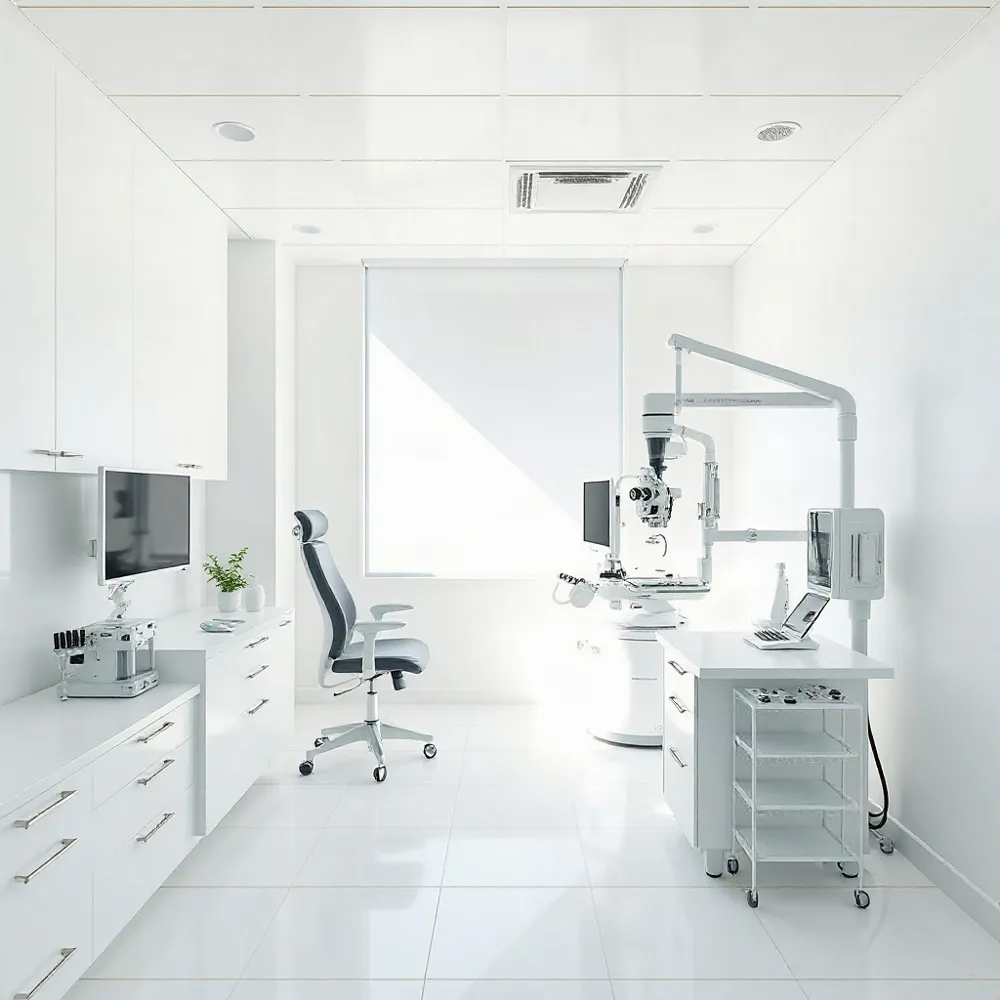 Even for experienced wearers, a professional contact lens fitting is essential because your eyes and vision needs change over time. Factors such as shifts in corneal shape, tear production, and overall ocular health can make your current lenses less effective or even uncomfortable. A formal fitting allows your doctor to ensure that your prescription remains accurate and that your lenses continue to fit properly, preventing complications like corneal abrasions or oxygen deprivation.
At Apple Eye Care, we recognize that long-term contact lens success depends on monitoring these physiological changes. While some practices might rely on routine renewals, Dr. Stephen Applebaum emphasizes a detailed, personalized approach that re-evaluates your specific needs during every annual visit. This process is distinct from standard eyeglass exams because it accounts for the unique way lenses sit directly on your eye surface.
These appointments provide the perfect opportunity to evaluate newer, more advanced lens materials that may offer superior comfort and vision quality compared to older options. Whether you are interested in trying silicone hydrogel lenses for better oxygen permeability or require specialized solutions for astigmatism, your annual check-up ensures the latest technology is aligned with your lifestyle. Unlike the one-size-fits-all approach seen elsewhere, our team works to create care plans that maintain long-term eye health and ensure your contacts provide the best possible visual experience.
Troubleshooting Discomfort And Improving Daily Wear
Why do my contact lenses feel uncomfortable, and what can I do to improve the fit? Contact lens discomfort often stems from dry eyes, improper lens fit, environmental allergens, or poor hygiene habits such as not cleaning lenses correctly or wearing them past their recommended schedule. Physical issues, like a torn lens or a lens that is inside-out, can also cause immediate irritation, while sleeping in your contacts significantly increases the risk of infection and dryness.
To improve comfort, always wash your hands before handling lenses, rub them during cleaning to remove debris, and never use anything other than fresh, store-bought solution. Ensure you are giving your eyes a break from lenses periodically and that you are not exceeding your prescribed wear time. If discomfort persists, please schedule an appointment with Apple Eye Care; we can perform a professional fitting to check for an improper shape or recommend advanced dry eye treatments and more moisture-rich lens materials tailored to your specific needs.
- Incorporate omega-3 fatty acids or flaxseed oil into your diet to enhance the oily layer of your tear film.
- Consider specialized additions like punctal plugs to help retain moisture on the eye surface if you experience chronic dryness.
- Consult with a professional about switching lens categories, such as moving from standard options to silicone hydrogel or daily disposables.
- Use only doctor-approved artificial tears if you need extra lubrication during the day, as non-approved drops can react poorly with your lens material.
| Symptom | Potential Cause | Recommended Action |
|---|---|---|
| Stinging or Burning | Chemical irritation | Rinse with fresh solution |
| Fluctuating Vision | Poor lens fit | Schedule professional exam |
| Persistent Redness | Infection risk | Remove immediately |
The Real Risks Of Napping In Contact Lenses
 Is it safe to nap while wearing contact lenses? It is generally not safe to nap in your contact lenses because they significantly restrict the amount of oxygen reaching your cornea. When you sleep, you stop blinking, which further limits moisture and creates a breeding ground for bacteria between the lens and your eye.
This lack of oxygen, known as hypoxia, weakens your cornea’s natural defenses and increases your risk of serious infections like microbial keratitis by six to eight times. While some specialized lenses are FDA-approved for overnight wear, you should only sleep in them if they have been specifically prescribed for that purpose by Dr. Applebaum. Unlike larger retail chains or automated services that may lack ongoing continuity of care, the team at Apple Eye Care emphasizes a personalized approach to ensure any lenses you use for extended wear are safe for your specific ocular physiology.
If you wake up with persistent eye pain, redness, blurry vision, or light sensitivity after a nap, contact our office immediately for an evaluation. Whether you are a long-term patient or someone new to our practice, our clinical staff is ready to help you address signs of corneal stress before they escalate into complications.
Signs Of A Successful And Precise Fitting
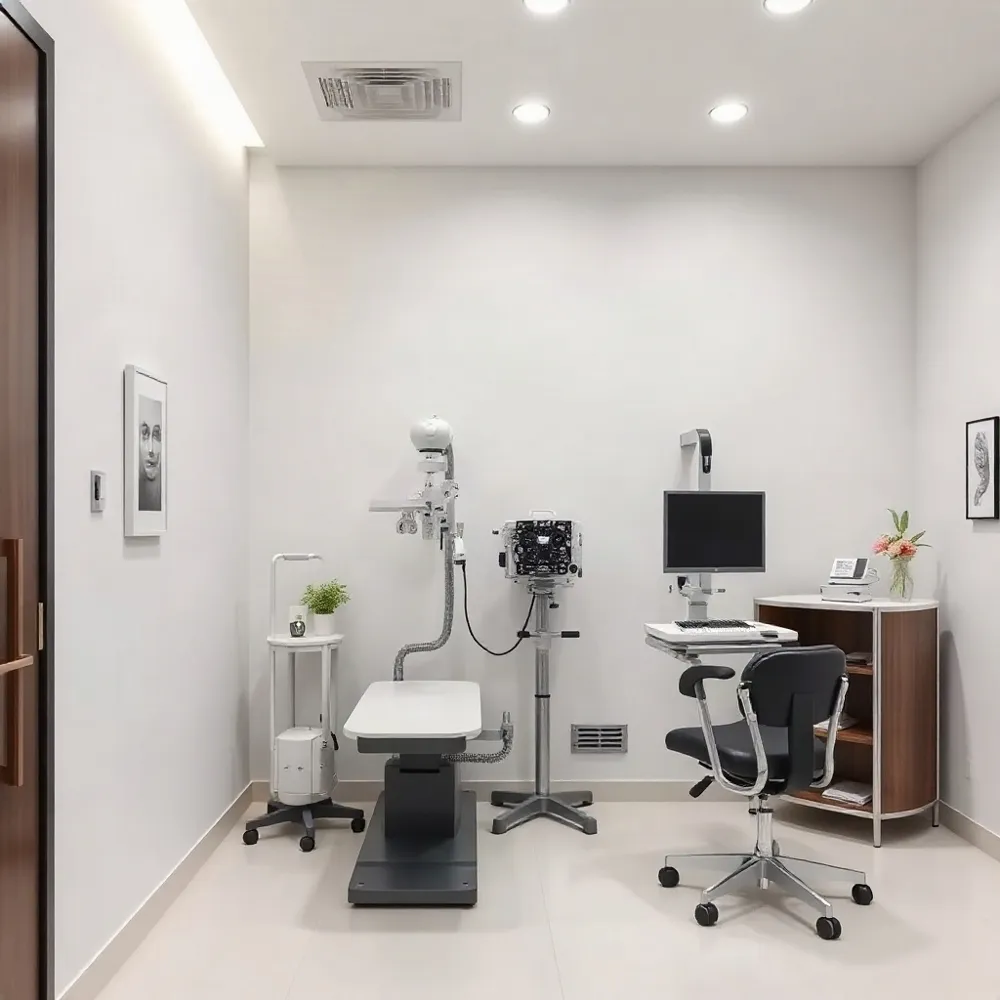 How do I know if I have been properly fitted for premium contact lenses? You know you have been properly fitted for premium contact lenses when your optometrist performs a comprehensive assessment beyond a standard vision test, including precise measurements of your corneal curvature and a detailed tear film evaluation. A professional fitting includes a trial period where the doctor monitors the lens movement, alignment, and comfort to ensure they are neither too tight nor too loose on your eye. At Apple Eye Care, Dr. Stephen Applebaum and his team utilize advanced diagnostic technology like the DRI OCT Triton to ensure your eye health remains optimal during this process, contrasting with standard one-size-fits-all approaches found at some large retail chains.
A successful fitting is evidenced by stable visual acuity. If your vision fluctuates with every blink or feels sharp only initially before degrading after several hours, it often signals a poor fit or underlying dryness. While practices like University Vision Centre emphasize a wide selection of lenses to help navigate these needs, the personalized care plans at Apple Eye Care focus on matching specific materials to your tear quality to prevent these issues from the start. You should also feel actively involved in the process, as your doctor will discuss your specific lifestyle requirements and teach you the necessary insertion, removal, and hygiene skills.
The follow-up visit is the final, non-negotiable step in verifying your prescription. This appointment allows your doctor to confirm that the trial lenses provide both long-term comfort and the clarity you expect. If you experience persistent discomfort, redness, or blurred vision, it is essential to voice these concerns during this phase. Addressing these details before finalizing your order ensures your long-term success and ocular health.
Experience Personalized Care at Apple Eye Care
Achieving lasting comfort with contact lenses requires more than just a prescription. It demands a professional fitting process that considers your unique corneal shape, tear film stability, and lifestyle demands. Unlike general optical retailers that may offer a standard, one-size-fits-all approach, Apple Eye Care prioritizes your long-term ocular health through detailed, customized care plans.
Dr. Stephen Applebaum and his dedicated team bring decades of expertise to every appointment, ensuring that patients of all ages receive the compassionate, personalized attention they deserve. By leveraging advanced diagnostic technology like the DRI OCT Triton, we monitor your eye health with precision and care. Whether you are a long-term wearer or new to contacts, we invite you to experience the difference that our family-focused practice brings to vision correction. Schedule your next exam today to find a contact lens solution tailored specifically to your needs.