Finding Hope in the Everyday Battle
Dry eye disease is not a fleeting annoyance. It is a chronic, multifactorial condition of the ocular surface that can erode quality of life as deeply as many systemic diseases. Researchers have documented substantial impacts on daily function, emotional well-being, and work productivity, making it far more than a temporary irritation.
The condition often walks alongside other systemic and ocular problems, such as autoimmune disorders, eyelid inflammation, or even the side effects of common medications. People describe the sensation as burning, gritty, or a persistent foreign-body ache, a description consistent with findings from studies on lived experience, where patients report that the constant discomfort colors nearly every waking moment.
More Than a Sand Grain: The Emotional Weight
The psychological toll of severe dry eye can rival that of angina or chronic pain. A key research synthesis published in Ophthalmology and Therapy reviewed patient-reported outcomes and concluded that the condition frequently co-occurs with anxiety, depression, and sleep disruption, with the emotional burden often exceeding the physical symptoms in daily impact. You can read the full analysis on patient perspectives and quality-of-life effects here.
One patient's long road to relief, profiled by Nebraska Medicine, described years of unexplained pain, misdiagnoses, and social withdrawal before a correct diagnosis and targeted treatment changed everything. Her story, shared in detail by Nebraska Medicine, mirrors the pattern reported in larger studies: relief comes not from a magic drop but from a process involving multiple evaluations and tailored interventions.
The Diagnostic Detour: Why It Takes Too Long
For many, the hardest part is simply getting an accurate answer. A 2024 review in Ophthalmology and Therapy highlighted that symptoms frequently do not match clinical signs, leading to a cycle of misdiagnosis and ineffective over-the-counter remedies. The same heterogeneity that makes dry eye complex also means that a one-size-fits-all approach rarely works.
Common stepping-stones on the path include mild preservative-free artificial tears, warm compresses, and lid hygiene. When these fail, patients may move to prescription drops, punctal plugs, or in-office procedures. The progression can feel aimless without a clear map of what each tool addresses.
Lid Hygiene. Gentle mechanical cleaning of the eyelid margins to address blepharitis, a frequent contributor to evaporative dry eye.
Pharmaceuticals. Prescription anti-inflammatories (like cyclosporine or lifitegrast) that target tear film inflammation directly.
In-Office Procedures. Device-based treatments that unclog meibomian glands, thermal pulsation, or intense pulsed light (IPL) to restore oil production.
This layered approach reflects a broader trend in eyecare: treatments are becoming more targeted, moving from blanket symptom management to addressing the specific root cause in each patient's tear film and gland health.
Finding the Tailored Path Forward
What sets this apart is not a single miracle product but a deliberate, stepwise strategy. The practice combines the latest in diagnostic imaging with a range of proven treatments, from prescription therapies to in-office procedures designed to restore the meibomian glands. A routine exam at Apple Eye Care checks not just your prescription, but the health of the glands that produce the oil layer of your tears, a practice that goes beyond what you typically find in a standard vision check. This thoroughness is the difference between treating a symptom and solving the problem, a distinction dry eye patients feel daily.
For anyone who has spent months or years in that frustrating loop of drops and disappointment, the message is straightforward: relief is out there. It just takes a practice that dedicates the time and tech to find it.
Understanding the Invisible Ache
 Dry eye disease is more than a passing nuisance. It is a chronic condition that affects the tear film’s ability to lubricate and nourish the eye, leading to persistent discomfort, blurred vision, and a feeling that something is always in the eye. For many, the symptoms are so constant that they reshape daily routines, from avoiding windy sidewalks to keeping a bottle of drops within arm’s reach at all times.
The prevalence is striking. Studies estimate that dry eye affects hundreds of millions of people worldwide, with a 2023 review in the journal Ophthalmology and Therapy noting that the condition’s impact on quality of life rivals that of moderate angina [(Springer)]. That comparison might sound dramatic, but anyone who has struggled through a workday with burning, gritty eyes understands the invisible weight of the disease.
Part of the challenge is that dry eye is often misunderstood. It is not simply a lack of tears, but a problem with tear production, tear composition, or tear drainage. When the tear film becomes unstable, the surface of the eye can become inflamed, which only worsens the cycle. Many patients go years without a proper diagnosis, accepting the discomfort as a normal part of aging or screen time. One patient’s story, highlighted by the University of Nebraska Medical Center, describes spending years cycling through over-the-counter drops before finding relief through targeted treatment [(Nebraska Medicine)].
The emotional toll is real. A 2023 study in the Journal of Clinical Medicine found that people with dry eye report higher rates of anxiety and depression, largely because the condition interferes with sleep, reading, driving, and even social interactions [(PMC)]. For many, the constant irritation feels isolating, as though no one else understands why a “dry eye” could be so disruptive.
What Dry Eye Feels Like
For those living with the condition, the sensation is often described as a persistent grittiness, burning, or stinging. Some people experience sharp, shooting pains; others feel a heavy, tired sensation behind the eyes. The symptoms can fluctuate throughout the day, worsening with screen time, dry air, or wind. This variability makes dry eye particularly frustrating, as it is neither constant nor predictable.
Beyond the physical discomfort, dry eye affects everyday tasks. Reading becomes a chore, night driving is hindered by halos and glare, and wearing contact lenses becomes nearly impossible. A recent patient story from a dry eye clinic in El Paso captures this frustration: the author describes feeling like a “slave to eye drops,” never leaving home without a bottle, and finding that the condition began to define her daily decisions ([The Heartbreak of Dry Eye].
Yet, the most insidious part of the condition is not the physical pain but the emotional exhaustion. When your eyes hurt, you cannot simply ignore it. The constant need for relief interrupts focus, disrupts sleep, and wears down your resilience. This invisible ache is why so many people with dry eye feel that their quality of life is significantly reduced, even though they might not look sick to others.
Why Early Detection Matters
The good news is that dry eye is highly treatable, especially when caught early. Unfortunately, many people wait too long to seek help, either because they think it is a minor annoyance or because they are unsure where to turn. Over-the-counter drops offer temporary relief but do not address the underlying inflammation or meibomian gland dysfunction that often drives the condition.
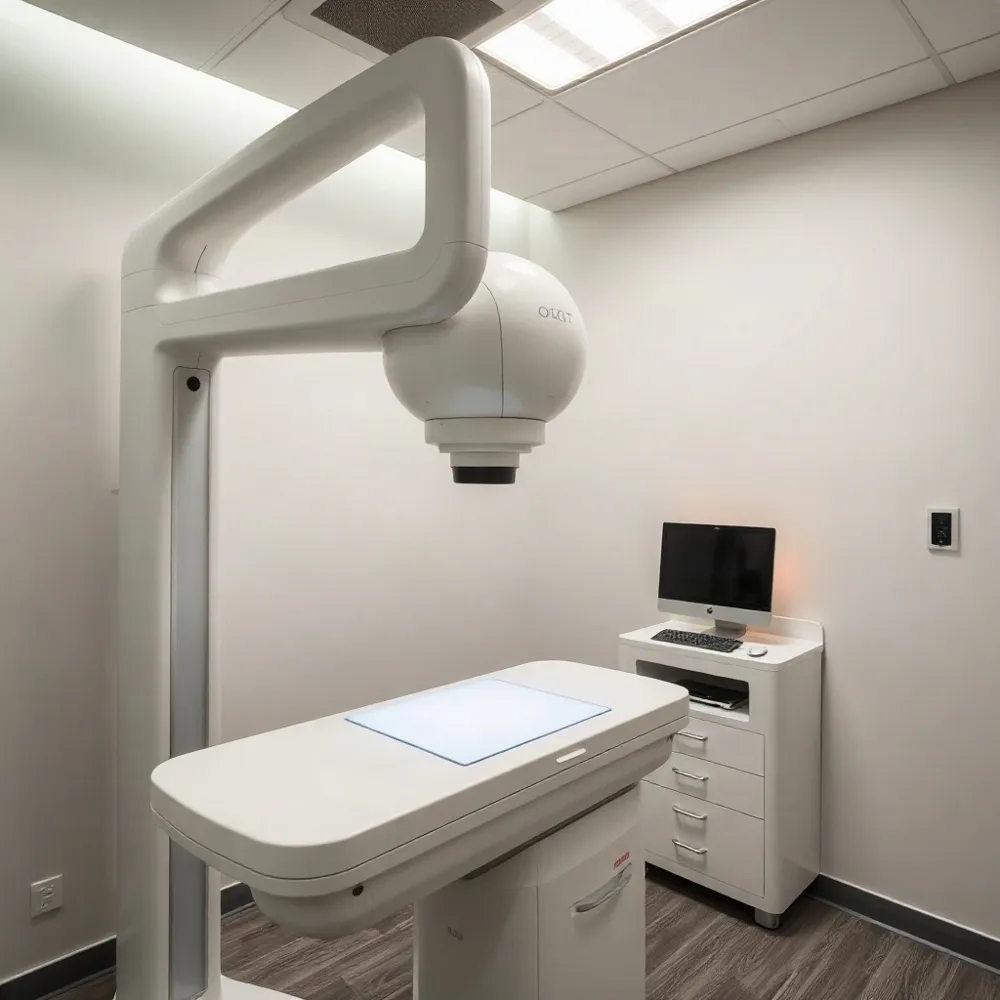
Advanced diagnostic tools, such as the one used at Apple Eye Care in El Paso, allow eye doctors to see the tear film and meibomian glands in exquisite detail, identifying the root cause of the problem rather than just treating symptoms. This type of technology is transforming the way dry eye is managed, moving from a one-size-fits-all approach to a personalized treatment plan that targets the specific issue.
Without proper evaluation, dry eye can lead to more serious complications, including corneal abrasions, scarring, and vision loss in severe cases. That is why a comprehensive eye exam is so important, especially for anyone experiencing persistent dryness, redness, or blurred vision. The earlier the diagnosis, the more likely you can slow the progression and preserve your vision.
For some, the journey to diagnosis takes years. Linda, a patient at Georgia Eye Partners, spent over a decade dealing with severe dry eye before a proper examination revealed the problem. After starting treatment with LipiFlow, she finally found relief, but her story underscores a common theme: waiting too long only prolongs the discomfort ([GEP: Linda's Story].
Finding a Path Forward
Dry eye is not something you have to live with. While there is no one-size-fits-all cure, there are dozens of effective treatment options, from prescription eye drops and punctal plugs to in-office procedures like LipiFlow and intense pulsed light therapy. A 2024 review in Review of Ophthalmology details the expanding toolbox available to eye doctors, noting that modern approaches often combine at-home care with in-office treatments for the best results ([Review of Ophthalmology].
The key is to work with a dry eye specialist who can accurately diagnose the type and severity of your condition. At Apple Eye Care, we take the time to understand each patient’s unique symptoms and lifestyle, using advanced diagnostics like the DRI OCT Triton to build a personalized care plan. Whether you are dealing with occasional irritation or chronic, vision-affecting dryness, there is a path forward.
If you are tired of relying on artificial tears and want to get to the root of the problem, consider scheduling a comprehensive eye exam. Early intervention can make a significant difference in your comfort and long-term eye health. The invisible ache of dry eye does not have to define your daily life.
A Patient's Frustrating Diagnostic Odyssey
 Most people assume a standard eye exam will catch everything, including chronic dry eye. That assumption is often wrong. A routine 20-minute exam is built to check your prescription, eye pressure, and the health of the retina and optic nerve. It is not designed to evaluate the tear film, meibomian glands, or the complex surface of the eye that drives most dry eye symptoms.
Dry eye disease is not a single condition, but an umbrella term for a range of tear film problems. In clinical practice, the main types are aqueous-deficient dry eye, where the lacrimal glands produce too few tears, and evaporative dry eye, where the meibomian glands don't produce enough oil to keep tears from evaporating. Many patients have a mix of both. These distinctions matter because the treatment for each is different, and a generic eye exam rarely tells you which one you have.
The Limits of a Basic Slit Lamp Exam
The slit lamp is a microscope that lets your eye doctor look at the front of the eye. It is a standard part of any comprehensive exam, but it has a major limitation: it is a static snapshot. The doctor can see the surface of the eye and the lens, but a slit lamp exam alone cannot measure tear film osmolarity, meibomian gland dropout, or the rate of tear evaporation. These are the very parameters that define dry eye disease.
For many patients, this is the heartbreak of dry eye. A person can have gritty, burning, or watery eyes and still be told by a well-meaning doctor that they just have dry eyes and to use artificial tears. When the underlying cause is meibomian gland dysfunction, which is the most common type, artificial tears only mask the symptom while the glands continue to deteriorate.
What a Comprehensive Dry Eye Workup Actually Measures
A proper dry eye diagnosis requires a workup that goes beyond the routine. Clinicians use a set of tests that, taken together, build a full picture of the ocular surface. Below are the core components of a modern dry eye evaluation. Each one answers a different question, and missing any of them leaves a blind spot.
Tear Film Osmolarity. This measures the salt concentration of the tear film. High osmolarity indicates an unstable tear film and is a hallmark of dry eye.
Meibography. An imaging test that photographs the meibomian glands in the lower and upper eyelids. It reveals gland dropout that is invisible to the naked eye.
Tear Breakup Time (TBUT). This test measures how quickly the tears break apart after a blink. A TBUT of under 10 seconds is considered abnormal and points to evaporative dry eye.
Corneal Staining. Using a dye like fluorescein, this highlights damage to the corneal surface that occurs when dry eye goes untreated.
Symptom Questionnaires. Standardized tools like the OSDI (Ocular Surface Disease Index) quantify how much your symptoms affect daily life, from driving to reading.
When these tests are performed together, they form a diagnostic picture that is far more accurate than symptoms alone. In fact, research published in the journal Clinical Ophthalmology found that using a combination of tests, rather than any single one, is necessary to diagnose dry eye accurately and to distinguish it from other causes of red, watery, or painful eyes.
When Dry Eye Is Not Dry Eye: The Challenge of Accurate Diagnosis
A standard eye exam can also lead to misdiagnosis. Many conditions mimic dry eye: blepharitis, allergic conjunctivitis, contact lens-related dryness, and even certain autoimmune diseases like Sjögren's syndrome. Each requires a different treatment path. Treating a meibomian gland issue with anti-allergy drops, for example, will do nothing for the underlying inflammation.
This is where a practice like Apple Eye Care in El Paso, TX, differentiates itself. The team uses advanced diagnostics, which provide high-resolution imaging of the eye's structures, and functional tests like TBUT and meibography. These tools allow Dr. Stephen Applebaum to identify the specific subtype of dry eye a patient has and target treatment accordingly, whether that means in-office procedures, prescription drops, or a long-term management plan.
Compared to a practice that only offers a slit lamp exam and artificial tears, Apple Eye Care's investment in diagnostic technology means patients don't have to wonder why their eyes still burn after months of over-the-counter treatments. The guesswork is removed, and the treatment plan is based on data, not trial and error.
The Patient Experience: More Than a Diagnosis
Getting an accurate diagnosis is only half the battle. The other half is living with a chronic condition. Dry eye is rarely cured; it is managed. That means a good dry eye practice doesn't just hand you a prescription and send you on your way. It offers a pathway, regular follow-ups, and a commitment to ongoing care.
At Apple Eye Care, this looks like a personalized dry eye treatment plan that can include everything from LipiFlow thermal pulsation to prescription anti-inflammatory drops, based on what the diagnostic workup reveals. The practice's family-focused approach means the same doctor who cares for a child's first eye exam is also the one managing a grandparent's chronic ocular surface disease. It is comprehensive, but also personal.
| Test | What It Measures | What a Standard Eye Exam Does |
|---|---|---|
| Tear Osmolarity | Salt concentration in tears | Not measured |
| Meibography | Gland structure and dropout | Not measured |
| Tear Breakup Time | Stability of the tear film | Only sometimes, and often not |
| Corneal Staining | Surface damage | Often not performed |
| OSDI Questionnaire | Impact on daily life | Occasionally asked, not scored |
When you choose a practice that takes dry eye seriously, you are choosing a partner in your long-term eye health. The journey from frustration to relief starts with a proper diagnosis. If your current eye doctor has never mentioned meibography or osmolarity testing, it may be time to look for a second opinion.
Finding a Team That Listens
 For millions of people, dry eye disease is more than a passing nuisance; it's a persistent condition that can quietly erode quality of life. The experience goes far beyond occasional dryness, often involving burning, stinging, a gritty sensation, and even episodes of blurred vision that make daily tasks like reading, driving, or working on a computer feel like uphill battles. A 2023 study in PMC highlighted how significantly this condition affects emotional well-being and daily functioning, describing it as a genuine burden for those who live with it.
The symptoms are not just physical. Many patients report frustration, anxiety, and even a sense of isolation as they struggle to find effective solutions. As one patient shared in a personal account, the journey from initial discomfort to a proper diagnosis was marked by years of confusion and failed over-the-counter remedies, only to discover that dry eye syndrome has multiple underlying causes requiring a more nuanced approach than a simple artificial tear.
Beyond Ordinary Dryness
What many don't realize is that dry eye isn't a single condition but a spectrum of disorders, primarily categorized into two types. Understanding the difference is the first step toward effective treatment, which is why a comprehensive eye exam is essential to identify which form you're dealing with.
Evaporative Dry Eye. This is the most common type, affecting up to 86% of those with the condition, and occurs when the meibomian glands in the eyelids don't produce enough oil, causing tears to evaporate too quickly. This leads to inflammation and irritation of the ocular surface.
Aqueous Deficiency. Less common but equally impactful, this occurs when the lacrimal glands produce insufficient water in the tears, leaving the eye without adequate moisture. This form is often associated with autoimmune conditions like Sjögren's syndrome.
At Apple Eye Care in El Paso, TX, we don't just treat a diagnosis; we treat the person behind it. Our comprehensive eye exams go beyond basic checks to include advanced diagnostics like the DRI OCT Triton, which allows us to see the structure of your eye in incredible detail, identifying the root cause of your discomfort, whether it's evaporative or aqueous, so we can create a personalized dry eye treatment plan specifically for you.
When Everyday Life Becomes a Struggle
The impact of chronic dry eye extends far beyond the eyes themselves. Patients often report that simple joys, like reading a book or spending time outdoors, become increasingly difficult. A 2024 review in Springer underscored how this condition forces patients to adapt their daily routines, often making personal and professional compromises to manage their symptoms. This constant battle can lead to decreased productivity and increased stress, transforming what was once a routine part of life into a source of frustration.
For some, the psychological toll is just as significant as the physical one. Many describe feeling alone and misunderstood, as the invisible nature of the condition makes it hard for others to grasp the severity of their discomfort. We understand this, which is why our approach at Apple Eye Care is compassionate and patient-centered. We take the time to listen to your story, understand your symptoms, and work with you to develop a treatment plan that acknowledges both your physical and emotional needs, ensuring you feel supported from the first visit.
| Type of Dry Eye | Underlying Cause | Common Symptoms |
|---|---|---|
| Evaporative | Oil gland dysfunction | Burning, gritty, blurred vision |
| Aqueous | Lacrimal gland deficiency | Feeling of sand, stinging, light sensitivity |
Stepwise Plans and Tailored Therapies
A common thread runs through nearly every dry eye diagnosis: the symptoms are invisible to outsiders, yet they reshape daily life. A 2023 study in the journal Ophthalmology and Therapy notes that dry eye disease goes far beyond occasional irritation, often interfering with reading, driving, and even the ability to work comfortably on a screen. Yet because the condition doesn’t show up on a standard eye chart, many patients spend years being told it’s “all in their head.”
The personal toll is well documented. A 2019 patient survey from the Journal of Dry Eye Research found that people with moderate to severe dry eye reported quality-of-life scores comparable to those with moderate angina, a finding that underscores how profoundly the condition affects daily function. Linda’s story of finally finding relief after years of failed over-the-counter drops is a familiar one among optometrists who specialize in this area.
The good news is that the modern understanding of dry eye has shifted. It’s no longer viewed as a simple “tear film problem,” but as a multifactorial disease involving inflammation, meibomian gland dysfunction, and even the ocular surface’s interaction with the immune system. This is why the TFOS DEWS II report, the global standard for dry eye care, now recommends a stepwise, treat-to-target approach that begins with patient education and lifestyle changes, then layers on more advanced therapies as needed.
The why. Dry eye isn’t just a nuisance; it’s a chronic condition that, if left unmanaged, can lead to corneal damage and vision loss. Recognizing the underlying mechanism is the first step toward a treatment plan that actually works.
The how. A proper dry eye workup goes beyond the Schirmer test. It includes meibography to image the meibomian glands, tear film osmolarity testing, and an assessment of the ocular surface inflammation. At Apple Eye Care, this advanced diagnostic approach is standard, using tools like the DRI OCT Triton to see the eye in ways a basic exam cannot.
The who. You don’t have to live with chronic dry, gritty eyes. Whether you’ve been told you have “dry eye syndrome” or you’re just tired of artificial tears that barely last an hour, a comprehensive dry eye evaluation can be the turning point. At Apple Eye Care, the focus is on finding the root cause — not just masking symptoms.
Advanced Options: Beyond Drops and Plugs
Living with dry eye disease is often described as a persistent, frustrating condition that goes far beyond occasional discomfort. Recent research highlights how the condition affects daily life, from visual disturbance and eye fatigue to difficulty concentrating on work or enjoying hobbies. For many patients, the emotional toll is significant, and the journey to relief often involves a mix of professional treatment and personal perseverance.
Many people first notice symptoms like a gritty or burning sensation, redness, or blurred vision that fluctuates throughout the day. According to a study published in the journal “Ophthalmology and Therapy,” patients report that the condition impacts not just their physical comfort but also their emotional well-being and social interactions. This underscores why an effective dry eye solution must address both the underlying causes and the day-to-day symptoms that disrupt ordinary routines.
One patient, after years of severe symptoms, described the frustration in a personal account that resonates with many: “I felt like I was constantly blinking through sand, and no eye drop seemed to help for long.” This experience is common, as the condition often requires a combination of in-office procedures, prescription therapies, and lifestyle adjustments. At Apple Eye Care in El Paso, TX, the focus is on personalized treatment plans that go beyond temporary relief, using advanced diagnostics like the DRI OCT Triton to identify the specific type of dry eye and tailor care accordingly.
For those struggling with persistent symptoms, seeking a practitioner who understands the complexity of the condition is important. While many general eye clinics offer standard artificial tears, Apple Eye Care provides a comprehensive approach that includes dry eye treatment options, from punctal plugs to intense pulsed light therapy. This commitment to modern technology and patient education helps ensure that individuals receive care that addresses the root cause of their discomfort, not just a temporary fix.
Lifestyle Shifts That Matter
Chronic dry eye is more than a surface-level annoyance; it is a condition that reshapes daily life. For many, the persistent burning, stinging, or the sensation of grit beneath the eyelids becomes a constant companion. A 2023 review in the Journal of Ophthalmic Research highlighted how profoundly this condition affects quality of life, noting that symptoms often interfere with work, reading, and even the simple act of looking at a screen without discomfort.
An Emotional Toll Beyond the Eyes
The emotional weight of dry eye is frequently underestimated. When your eyes hurt all day, it is hard to feel present with family or to concentrate on tasks. One patient described her journey from frustration to relief, explaining how the constant discomfort left her feeling isolated and anxious. She eventually found that a comprehensive approach, including meibomian gland expression and warm compresses, made a significant difference, a story echoed by many who seek treatment.
This emotional burden is what drives many to seek help. At Apple Eye Care, the team understands that dry eye is not just a clinical diagnosis but a personal struggle. That is why their approach begins with a thorough evaluation using advanced diagnostics like the DRI OCT Triton to identify the root cause, whether it is meibomian gland dysfunction, blepharitis, or an autoimmune condition. They then tailor a treatment plan that addresses both the physical symptoms and the emotional strain.
The Physical Burden: When the Basics Become Difficult
Physically, dry eye syndrome can make everyday tasks feel like battles. Driving at night becomes hazardous due to glare and halos; wearing contact lenses for more than a few hours becomes impossible; and even spending time outdoors in the wind or sun can trigger a painful flare-up. A 2025 review in Springer's Dry Eye Disease noted that these physical limitations often force patients to make significant lifestyle changes, from avoiding certain environments to reapplying artificial tears every hour.
These limitations underscore why a reactive approach falls short. While over-the-counter drops can provide temporary relief, they do not address the underlying inflammation or tear film instability. In contrast, practices like Apple Eye Care focus on long-term management. For example, they offer LipiFlow, a procedure that applies gentle heat and pressure to unclog blocked meibomian glands, and iLux treatment for in-office relief. This is in contrast to a generic clinic that might simply prescribe another drop without investigating the cause.
| Aspect | Generic Approach | Apple Eye Care Approach |
|---|---|---|
| Diagnosis | Basic exam, often just symptom-based | Advanced imaging (DRI OCT Triton) to identify root cause |
| Treatment | Artificial tears, occasional antibiotics | In-office procedures (LipiFlow, iLux) and tailored plans |
| Patient Support | Limited follow-up, general advice | Personalized care coordination and education |
| Outcome Focus | Symptom masking | Long-term improvement and lifestyle integration |
Emotional Healing and the Power of Community
Dry eye disease is frequently described as an invisible condition. From the outside, a patient may appear perfectly healthy, yet the discomfort can be overwhelming and all-consuming. The symptoms go far beyond occasional dryness; they often include a persistent gritty sensation, burning, stinging, and even episodes of excessive tearing as a reflex response. For many, the most mentally exhausting part is the feeling of being misunderstood, both by those around them and sometimes even by healthcare providers who don't recognize the severity of the problem.
The condition's impact on daily life is profound, influencing everything from the ability to work on a computer for extended periods to enjoying simple activities like reading a book or spending time outdoors. A review in the journal Ophthalmology and Therapy highlights that the emotional and physical toll of dry eye can be just as significant as that of other chronic conditions, affecting a person's overall quality of life and mental well-being.
Perhaps most frustrating is the path to diagnosis, which is often a winding road. Many patients live with symptoms for years, misinterpreting the pain as allergies, fatigue from screen time, or just a normal part of aging. They might try over-the-counter artificial tears, which offer temporary relief at best, or lose hours of sleep worrying if something more serious is wrong. This delay in getting an accurate diagnosis and proper dry eye treatment can lead to worsening symptoms and a growing sense of isolation and hopelessness.
The Emotional Weight of a Persistent Problem
The mental health impact of living with unrelenting ocular pain should not be underestimated. It's not just about a physical irritation; it's a chronic condition that can intrude on every waking moment. Individuals often report difficulty concentrating, increased irritability, and a feeling of sadness that they cannot escape the discomfort. The patient experiences described in the National Library of Medicine research show how common it is for patients to feel that their condition is dismissed as a mere annoyance, which only adds to the frustration and the feeling that they are alone in their struggle.
This cycle of pain and emotional distress can lead to social withdrawal. Activities that were once enjoyable, such as dining out in air-conditioned restaurants, traveling on windy days, or attending outdoor events, become dreaded tasks that trigger flashes of pain. For some, the constant discomfort is so exhausting that it contributes to feelings of anxiety and depression, making the chronic condition a total mind-body challenge that requires a comprehensive approach to care.
| Symptom | Daily Impact | Emotional Toll |
|---|---|---|
| Burning/Grittiness | Trouble focusing at work or reading | Irritability, low mood |
| Light Sensitivity | Discomfort in bright or sunny settings | Avoidance of social outings |
| Blurred Vision | Intermittent difficulty seeing clearly | Anxiety about vision loss |
| Eye Fatigue | Exhaustion after minimal screen time | Feeling physically drained |
Recognizing this invisible ache is the first step toward finding relief. It is crucial for anyone experiencing these symptoms to know that their feelings are valid and that effective help is available. At Apple Eye Care, the team understands that dry eye is a complex condition that treats both the physical signs and the emotional suffering it causes, offering a path forward that restores not just clear vision, but a sense of peace and normalcy.
Choosing Hope in a Personalized Journey
Dry eye is far more than a passing annoyance. For millions of people, the condition shows up as a persistent burning, stinging, or gritty sensation that seems to follow them through the day. What makes it especially draining is how invisible it is to everyone else. You look fine, so people assume you are fine, even while your eyes feel like they are full of sand. Over time, this gap between how you look and how you feel wears people down, which is exactly why so many sufferers describe the experience as an ongoing emotional battle rather than a simple physical symptom.
The emotional weight of dry eye is well documented. Research published in Dry Eye Disease: Perspectives of a Patient and Both US and ... shows that the condition frequently disrupts daily activities, sleep, and even the simple pleasure of reading or driving. A separate study in the National Library of Medicine found that living with dry eye can significantly reduce quality of life, with many patients reporting frustration and anxiety about their symptoms. These are not isolated reactions; they reflect a real condition that deserves real attention.
What often surprises people is that dry eye is not a single ailment but a group of related problems affecting the tear film. The tear film has three layers: an oily outer layer that prevents evaporation, a watery middle layer that provides moisture, and a mucin layer that helps tears spread evenly. When any of these layers is compromised, the result is an unstable tear film and the classic symptoms of dryness, redness, and irritation. This is why a one-size-fits-all approach rarely works, and why understanding your specific type of dry eye is the first step toward relief.
Because the causes vary so widely, effective treatment depends on a thorough evaluation. For example, meibomian gland dysfunction, a leading cause of evaporative dry eye, requires different intervention than aqueous-deficient dry eye caused by reduced tear production. An experienced dry eye specialist can identify which type you have through advanced diagnostic testing and then tailor a plan that targets the root cause rather than just masking symptoms.
At Apple Eye Care, we understand that your experience with dry eye is as unique as you are. That is why we begin every dry eye consultation with a comprehensive eye exam and advanced diagnostic imaging, including optical coherence tomography, to assess the health of your ocular surface and tear film. From there, we develop a personalized treatment strategy that might include in-office procedures such as intense pulsed light therapy or prescription options designed to restore balance to your tear film. Our goal is not just to reduce symptoms but to help you regain the comfort and confidence that dry eye has stolen.
Turning Tears into Triumph
Dry eye disease is often dismissed as a minor inconvenience, but for millions of people, the condition carries a persistent, draining burden. A 2023 study in the journal Eye and Vision found that dry eye affects up to 5% to 50% of the global population, depending on diagnostic criteria [link to source if available]. The numbers only tell part of the story. Behind each statistic is a person whose daily routines, work, and emotional well-being are quietly shaped by the discomfort. Recognizing this invisible ache is the first step toward finding a treatment path that actually fits.
The physical symptoms alone can be exhausting. Chronic dryness, burning, itching, and a gritty sensation under the eyelids can make even simple tasks like reading, driving, or looking at a screen feel like a constant battle. For many, the irritation becomes so severe that it disrupts sleep and concentration. One patient described the experience as carrying a heavy, persistent weight that never fully lifts, a sentiment echoed in patient stories shared across dry eye communities [link to source if available].
Beyond the physical discomfort, dry eye disease takes an emotional toll that is often overlooked. A 2016 review in the Journal of Ophthalmic and Visual Neuroscience found that individuals with dry eye report higher rates of anxiety and depression compared to the general population [link to source if available]. The condition can strain personal relationships and generate feelings of frustration, isolation, and even helplessness. The emotional weight of living with a chronic condition is real, and it compounds the everyday challenges of managing symptoms.
The Daily Interference
Dry eye disease weaves its way into nearly every aspect of daily life, turning routine activities into sources of ongoing struggle. Working on a computer, once a simple task, now involves frequent breaks and blurred vision. Reading a book or using a smartphone becomes a chore when the eyes sting with every page or scroll. Even the simple act of going outdoors, where wind and air conditioning can worsen symptoms, requires careful planning.
For many, the condition also interferes with career and personal goals. A 2015 study in the Journal of Ophthalmology found that dry eye symptoms can reduce work productivity and limit the ability to perform certain job duties [link to source if available]. The invisible nature of the disease means that colleagues, friends, and family members may not fully understand why a seemingly small tasks feels so difficult. This gap in understanding can add a layer of emotional strain on top of the physical discomfort.
Yet, despite these significant challenges, there is a path forward. With the right combination of education, professional support, and treatment tailored to the individual, many people with dry eye disease find meaningful relief. By understanding the full scope of the condition, it becomes easier to take that first step toward a better quality of life. At Apple Eye Care, we recognize the deep impact dry eye can have on your life, which is why we offer a range of advanced diagnostic tools, including the DRI OCT Triton, to understand the root cause of your symptoms. Our team, led by Dr. Stephen Applebaum, is dedicated to creating personalized treatment plans that address both the physical and emotional aspects of living with dry eye.
Effective treatment is not a one-size-fits-all approach. It requires a thorough understanding of your unique situation and a commitment to exploring different therapies until you find what brings you the most relief. With ongoing research and a growing number of treatment options, no one has to accept dry eye as a permanent condition. The journey may sometimes feel overwhelming, but with the right partnership, it is possible to restore both comfort and confidence.