Why Dry Eyes Need a Closer Look
Before booking an appointment, you can try several dry eye home remedies to relieve mild irritation. Experts note that self-care often helps when symptoms are occasional. For persistent cases, professional care remains essential. The Mayo Clinic dry eye treatment guide emphasizes starting with simple lifestyle tweaks.
- Warm compresses. Apply a clean, warm cloth over closed eyelids for 5–10 minutes to help release oil from meibomian glands.
- Lid hygiene. Gently scrub eyelids with diluted baby shampoo or a commercial lid cleanser to reduce inflammation.
- Blink breaks. Follow the 20-20-20 rule: every 20 minutes, look 20 feet away for 20 seconds, especially during screen use.
- Hydration and diet. Drink plenty of water and consider omega-3 fatty acids from fish or flaxseed to support tear production.
- Humidifier. Adding moisture to indoor air can reduce evaporation of your natural tears.
These methods address common triggers like screen time, dry air, and wind exposure. If your symptoms persist despite consistent home care, they may signal an underlying condition that requires a professional diagnosis.
For reliable guidance, the American Academy of Ophthalmology offers evidence-based home remedy suggestions. WebMD’s dry eye overview also outlines practical lifestyle changes. When self-care isn’t enough, a comprehensive exam at a clinic like Apple Eye Care can pinpoint the cause.
| Home Remedy | How It Helps | Best For |
|---|---|---|
| Warm compresses | Releases oil, stabilizes tear film | Mild blockage |
| Lid scrubs | Reduces inflammation | Blepharitis |
| Blink breaks | Re-moisturizes surface | Screen users |
| Humidifier | Adds air moisture | Dry environments |
Remember, home remedies are a first step, not a substitute for medical advice. If you have severe pain, vision changes, or redness, seek prompt professional evaluation.
The First Step: Comprehensive Eye Exam
 Before reaching for eye drops, an accurate diagnosis is critical. A comprehensive eye exam can distinguish between insufficient tear production and rapid tear evaporation, guiding the right treatment plan. This initial step can save you time and discomfort, as the wrong remedy may worsen symptoms.
A thorough evaluation at Apple Eye Care goes beyond a standard vision screening. Using advanced diagnostic tools like the DRI OCT Triton, the team assesses tear film quality, meibomian gland function, and ocular surface health. This detailed analysis identifies the root cause, whether it's a meibomian gland dysfunction, an autoimmune condition, or environmental factors. Without this insight, patients may cycle through ineffective over-the-counter treatments for months.
What the Exam Measures
Tear Quantity. A quick Schirmer test measures how much moisture your eyes produce over five minutes. Low results signal aqueous-deficient dry eye, which often requires prescription drops or punctal plugs.
Tear Quality. Assessing tear breakup time reveals how quickly tears evaporate. Rapid evaporation often indicates meibomian gland dysfunction, a common cause of evaporative dry eye.
Ocular Surface Health. A slit-lamp exam checks for corneal damage, inflammation, or blepharitis. Detecting these issues early prevents long-term complications and guides targeted therapies.
These diagnostics inform a personalized treatment approach, whether that involves in-office procedures, prescription medications, or at-home care. If you're experiencing persistent dry eye symptoms, a professional evaluation ensures you address the underlying issue rather than masking symptoms. This step is the foundation of lasting relief, and at Apple Eye Care, it's the first thing you'll experience.
Measuring Tear Production
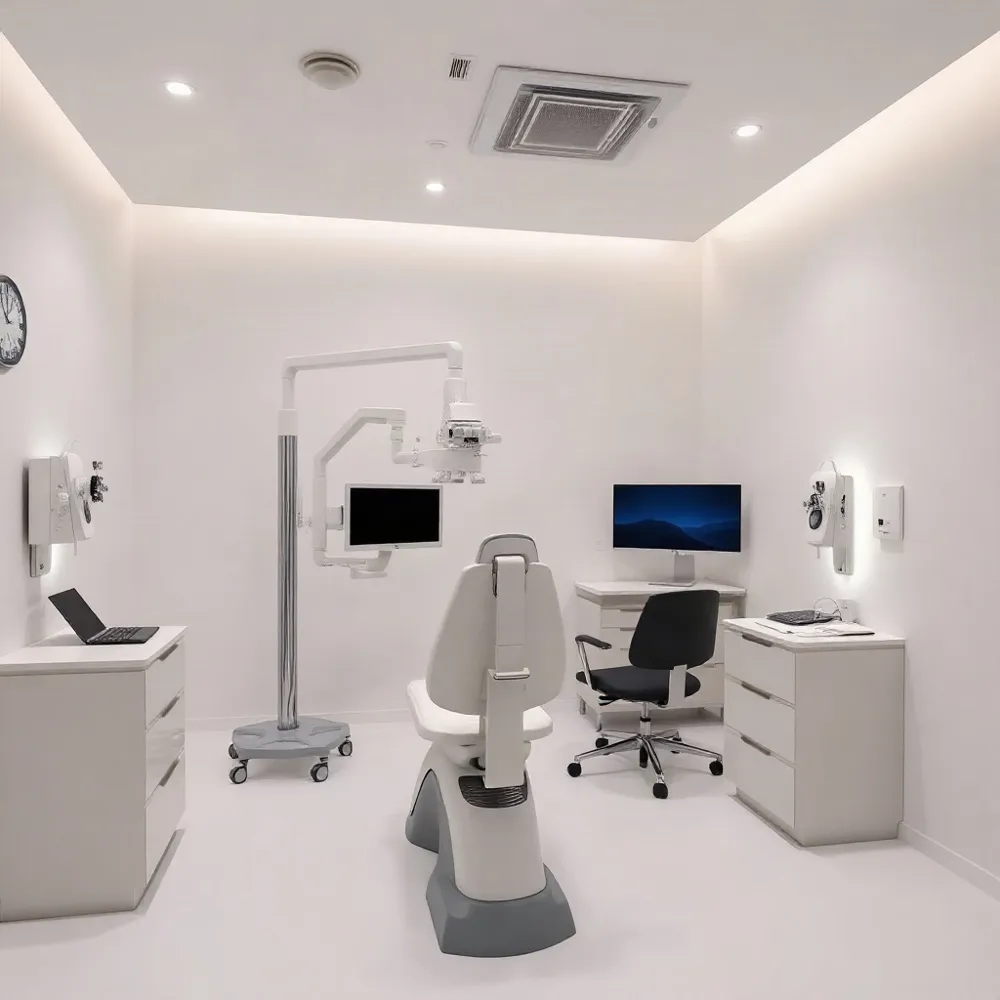 A precise diagnosis starts long before any treatment plan. Dry eye is not a single condition; it is a spectrum that spans aqueous deficiency, evaporative dysfunction, and mixed forms. Clinicians separate these types because each responds to a different therapy, and guessing can prolong the discomfort. Comprehensive testing, such as the Schirmer test and tear breakup time, measures tear volume and stability to guide that distinction. At Apple Eye Care, advanced diagnostics like the DRI OCT Triton map corneal surfaces in ways basic screenings cannot, letting the team pin down the underlying cause rather than masking symptoms.
Beyond the Basic Exam
Standard eye exams reveal dryness, but they rarely show why it happens. Tear osmolarity, meibomian gland imaging, and slit-lamp staining uncover details that simple symptom questionnaires miss. These tests identify whether the oil-producing glands are blocked or whether inflammation is driving evaporation. Providers who skip this step often cycle through generics that never address the root problem. Apple Eye Care builds its dry eye program around this same evidence-based workup, so each recommendation matches a measurable finding instead of a best guess.
Symptoms. Redness, burning, gritty sensation, or fluctuating blur that worsens with screen time or wind.
Tests. Tear breakup time, Schirmer strips, osmolarity checks, and gland imaging to classify the subtype.
Outcome. A targeted plan ranging from warm compresses to in-office therapies, aligned to the confirmed cause.
| Test | What It Measures | Typical Finding |
|---|---|---|
| Tear breakup time | Stability of tear film | Quick breakup signals evaporation |
| Schirmer test | Tear volume | Low readings suggest aqueous deficiency |
| Osmolarity | Salt concentration | High values point to inflammation |
| Gland imaging | Meibomian gland health | Blockage or dropout explains oil issues |
Patients often assume dry eye is a minor annoyance, yet the Mayo Clinic notes that proper diagnosis depends on ruling out other conditions and measuring the tear film directly. A thorough evaluation at Apple Eye Care translates those measurements into a clear next step, whether that means daily lid hygiene, prescription drops, or advanced procedures. The goal is not a temporary fix but a durable regimen that fits how you actually live.
Assessing Tear Quality and Evaporation
Managing dry eye starts with separating what works from what merely promises relief. Home remedies can ease mild symptoms, but stubborn cases often need a clinician's tools. Apple Eye Care in El Paso helps patients match the right treatment to the underlying cause, whether that is a quick at-home routine or an in-office procedure.
Home Remedies That Actually Help
Simple habits can reduce evaporation and improve tear film stability. Applying a warm compress for five to ten minutes encourages oil gland output, while blinking breaks during screen time keep the surface moist. The Mayo Clinic's dry eye guidance outlines these basics and emphasizes consistent use rather than one-off application.
Artificial tears are the most common over-the-counter option, but not all drops are equal. Preservative-free formulations are gentler for frequent use, and thicker gels suit overnight relief. For mild cases, these can be enough. When symptoms persist despite daily drops, that is a signal to move beyond self-care.
When Self-Care Is Not Enough
Chronic dryness that does not respond to home remedies points to an underlying issue such as meibomian gland dysfunction or inflammation. Yale Medicine reports that dry eye is on the rise and that effective treatment often requires diagnosis of the specific subtype. Apple Eye Care's advanced diagnostics, including the DRI OCT Triton, help pinpoint the cause so treatment targets the actual problem.
In-Office Treatments
Punctal plugs. Tiny inserts placed in the tear ducts to slow drainage and keep moisture on the eye longer. They are reversible and often tried before more aggressive options.
Intense pulsed light (IPL). A light-based therapy that targets inflamed eyelid glands and improves oil quality. It is especially useful for meibomian gland dysfunction.
Prescription eye drops. Anti-inflammatory medications like cyclosporine or lifitegrast reduce the immune response that drives chronic dryness. These require a prescription and ongoing monitoring.
Device-based therapies. Heat and massage devices, such as LipiFlow or BlephEx, clear blocked glands and restore normal tear composition. The American Academy of Ophthalmology lists 11 devices for treating dry eyes that fit this category.
The choice between home and in-office care depends on severity. For occasional burning, artificial tears and lid hygiene often suffice. For chronic dryness that affects vision or daily comfort, a comprehensive exam at Apple Eye Care can identify the right path. The practice's focus on personalized attention means treatment plans are built around your specific symptoms, not a one-size-fits-all protocol.
| Treatment | Use Case | Example |
|---|---|---|
| Artificial tears | Mild, occasional dryness | Preservative-free drops |
| Warm compresses | Oil gland stimulation | Daily eyelid hygiene |
| Punctal plugs | Persistent tear drainage | Reversible tear duct plugs |
| IPL therapy | Inflammation, gland dysfunction | Light-based treatment |
| Prescription drops | Chronic inflammatory dry eye | Cyclosporine or lifitegrast |
Advanced Tear Analysis and Markers
A dry eye diagnosis rarely rests on a single symptom. Clinicians measure specific markers in the tear film to separate mild irritation from chronic disease. Two of the most informative signals are osmolarity and inflammatory proteins such as metalloproteinases and lactoferrin.
Osmolarity: The Tear Film's Salt Meter
Osmolarity measures how concentrated the salts are in your tears. Healthy tears hold a stable balance; when tear production drops or evaporation accelerates, that balance shifts upward. The Dry Eyes - Diagnosis & treatment guidance from Mayo Clinic notes that elevated osmolarity is a hallmark of evaporative dry eye, so a single reading above 308 mOsm/L or a difference of more than 8 mOsm/L between eyes points toward a genuine tear-film problem rather than occasional discomfort.
Osmolarity readings also help track whether treatment is working. As inflammation settles and the tear film stabilizes, repeated tests should show the value drifting back toward the normal range. Apple Eye Care reviews this trend with you after each in-office test, so you can see how a new eye drop, punctal plug, or at-home routine is shifting your own numbers instead of guessing.
Inflammatory Proteins: MMP-9, Lactoferrin, and More
Beyond salt concentration, the tear film carries proteins that reveal immune activity. Matrix metalloproteinase-9 (MMP-9) rises during active ocular surface inflammation, while lactoferrin tends to drop as tear volume falls. Testing for both gives a snapshot of whether dryness is driven by inflammation, by insufficient tears, or by a combination of the two.
MMP-9. A protein that climbs when the ocular surface is inflamed. A positive result signals that the inflammatory cycle is active and that treatments such as anti-inflammatory drops or in-office procedures may be more effective than artificial tears alone.
Lactoferrin. An antimicrobial protein that decreases when tear volume is low. Low lactoferrin supports a diagnosis of aqueous-deficient dry eye, which often changes the treatment plan toward preserving the tears you do produce.
Osmolarity. A direct measure of tear salt concentration. Combined with the protein markers, it helps your clinician separate evaporative from aqueous-deficient dry eye, and each type responds to a different first-line therapy.
Putting the markers side by side is where the interpretation matters. A patient with high osmolarity but normal MMP-9 may need evaporation control first, while someone with a positive MMP-9 often needs inflammation directed therapy before the tear film can stabilize. Apple Eye Care combines these lab-style readings with your symptom history and a slit-lamp exam, then builds a plan around the dominant cause rather than applying a one-size-fits-all drop.
How These Markers Guide Treatment Choices
The Yale Medicine overview of dry eye relief emphasizes that effective treatment depends on identifying the subtype, and marker-based testing supports exactly that step. If inflammation is the driver, your clinician may recommend prescription anti-inflammatory drops or in-office procedures. If tear deficiency dominates, punctal plugs or moisture-conserving contacts could take priority. When both signals are present, a staged combination usually works better than any single product.
For routine or mild cases, marker testing may not be needed on every visit. Apple Eye Care typically runs these tests when dryness persists despite basic artificial tears, when symptoms interfere with daily life, or when you want a baseline before starting a longer-term treatment. That keeps the added diagnostic step purposeful instead of routine.
| Marker | What It Reflects | Typical Interpretation |
|---|---|---|
| Osmolarity | Tear salt concentration | High values suggest evaporative or mixed dry eye |
| MMP-9 | Ocular surface inflammation | Positive result points toward inflammatory dry eye |
| Lactoferrin | Tear volume and antimicrobial balance | Low levels suggest aqueous-deficient dry eye |
No single number tells the whole story. The value of marker testing is the pattern it reveals across osmolarity, inflammatory proteins, and your own symptoms. Apple Eye Care walks you through each reading at your follow-up visit, showing how the results translate into specific steps you can take at home and in the office.
From Mild to Severe: Treatment Overview
 Mild dry eye is often the easiest stage to treat, but it is also the easiest to overlook. Symptoms such as occasional grittiness, slight burning after screen time, or a transient blur that clears when you blink may feel like minor annoyances. They are actually early warnings that your tear film is struggling to stay stable. Catching the condition at this point gives you the widest range of gentle, low-intervention options.
For many people, the first line of defense is behavioral. Taking regular breaks from digital screens, blinking fully and often, and staying hydrated can all reduce evaporation of the tear film. A 2023 Yale Medicine report notes that dry eye is rising in prevalence, driven in part by increased screen use and environmental factors. Simple habits like these address the root cause before it advances.
At-home therapies are typically where mild cases start. Warm compresses help loosen blocked meibomian glands, while lid hygiene removes debris that can irritate the ocular surface. Over-the-counter artificial tears provide immediate, temporary relief when irritation spikes. For persistent mild symptoms, adding a humidifier to your workspace or bedroom can make a measurable difference.
When Home Care Is Not Enough
If you rely on artificial tears more than a few times a day, or if your symptoms return within an hour of using them, your dry eye may have moved beyond what home remedies can manage. The Mayo Clinic describes a stepped-care approach in which treatments progress from over-the-counter drops to prescription options, in-office procedures, and punctal plugs. Recognizing that your condition is not responding to basic care is the signal to seek a professional evaluation.
Lubricating Drops. Prescription-strength anti-inflammatory drops, such as cyclosporine or lifitegrast, target the underlying inflammation that drives tear-film instability. These are reserved for cases where standard artificial tears no longer provide adequate relief.
In-Office Therapies. Procedures like intense pulsed light (IPL) therapy or thermal pulsation treat meibomian gland dysfunction, a common cause of evaporative dry eye. These are typically recommended after topical options have plateaued.
Punctal Plugs. Tiny inserts placed in the tear ducts slow the drainage of natural tears, keeping moisture on the eye longer. They offer a reversible, low-risk option for moderate cases.
Apple Eye Care begins every dry eye visit with a comprehensive evaluation that goes beyond a standard eye chart. Using advanced diagnostics like the DRI OCT Triton, the team assesses tear film stability, gland function, and ocular surface health to determine exactly which stage of dry eye you are dealing with. That precision allows the practice to match you to the right treatment level, whether you need simple lifestyle adjustments or a more involved in-office procedure.
| Treatment | Typical Stage | What It Involves |
|---|---|---|
| Warm compresses & lid hygiene | Mild | Daily at-home routine to improve oil flow |
| Artificial tears | Mild | Over-the-counter drops for temporary relief |
| Prescription anti-inflammatory drops | Moderate | Daily medication to control inflammation |
| IPL / thermal pulsation | Moderate to severe | In-office treatment of meibomian glands |
| Punctal plugs | Moderate to severe | Inserted into tear ducts to retain moisture |
The table above summarizes how treatment intensity scales with severity. The goal at the mild stage is always to intervene early with the least invasive approach, reserving stronger therapies for cases that do not respond. A precise diagnosis at the outset prevents the frustration of trying treatments that are not matched to your specific dry eye subtype.
Everyday Care and Home Remedies
Dry eye is not a one-size-fits-all condition. Symptoms like burning, stinging, or a gritty feeling can stem from different causes, ranging from meibomian gland dysfunction to tear film instability. That's why the first step in effective relief is a thorough diagnostic evaluation rather than a quick guessing game.
At Apple Eye Care, comprehensive dry eye testing begins with a detailed assessment of your tear film and ocular surface. This goes beyond a simple questionnaire to measure tear production, tear quality, and the health of the glands that produce the oily layer of your tears. Advanced diagnostic tools, such as the DRI OCT Triton, allow Dr. Stephen Applebaum to visualize the structures of your eye in high detail and identify the specific type of dry eye you're dealing with.
What a Modern Dry Eye Exam Includes
Tear Production Measurement. Determines if your eyes are producing enough tears to keep the surface moist and comfortable.
Tear Quality Assessment. Checks the composition of your tears to see if the oily, watery, or mucin layers are balanced.
Meibomian Gland Evaluation. Examines the glands in your eyelids that produce the oil essential for preventing rapid tear evaporation.
This diagnostic clarity matters because it shapes your treatment plan. For example, if the issue is tear evaporation due to gland blockage, artificial tears alone won't solve it. Instead, targeted treatments like warm compresses or in-office procedures may be recommended. The Mayo Clinic notes that treatment varies based on the underlying cause, which is why a precise diagnosis is the foundation of care.
While many clinics offer basic dry eye tests, Apple Eye Care pairs its diagnostic technology with a personalized approach. The result is a treatment strategy that addresses your specific symptoms rather than applying a generic remedy. This tailored plan helps you find effective, long-term relief instead of relying on temporary fixes.
In-Office Procedures for Persistent Dry Eye
When artificial tears and at-home habits aren't enough, your eye doctor can turn to in-office treatments that target the root cause of dryness. These procedures are performed right in the exam chair, usually in minutes, and many provide relief that lasts far longer than a drop. The American Academy of Ophthalmology lists several devices for treating dry eyes that work by addressing meibomian gland function, tear film stability, or inflammation rather than just lubricating the surface.
One common approach is intense pulsed light (IPL) therapy, which uses targeted light pulses to reduce inflammation along the eyelid margin and improve gland oil output. Another is thermal pulsation, a heated massage that liquifies and expresses blocked meibomian glands. These treatments are typically recommended when you have meibomian gland dysfunction, the leading cause of evaporative dry eye. A doctor can also place punctal plugs, tiny silicone inserts that block tear drainage so your natural tears stay on the eye longer.
Lacrisert and Other Insertable Options
For persistent cases, Lacrisert places a slow-dissolving insert in the lower eyelid that releases lubricant throughout the day. Unlike drops you reapply hourly, a single insert can provide continuous relief. In contrast, Apple Eye Care evaluates each patient's tear film and gland health first, so if an insert isn't the right fit, they'll guide you toward IPL, thermal pulsation, or punctal plugs instead of defaulting to one treatment.
What to Expect and When to Choose It
Most in-office dry eye procedures cause minimal discomfort and require no downtime. You might feel a gentle warmth or a brief pulse, but you can typically return to normal activities right away. Your doctor will decide which option suits your case based on the type of dry eye you have, your tear production, and your lifestyle. For example, IPL suits inflammatory and rosacea-related dryness, while thermal pulsation targets gland blockages directly. A comprehensive dry eye diagnosis and treatment at Apple Eye Care starts with a full assessment and a treatment plan tailored to your symptoms, not a one-size-fits-all drop.
| Treatment | How It Works | Best For |
|---|---|---|
| IPL Therapy | Light pulses reduce eyelid inflammation | Rosacea or inflammatory dry eye |
| Thermal Pulsation | Heated massage unblocks meibomian glands | Meibomian gland dysfunction |
| Punctal Plugs | Block tear drainage to retain moisture | Low tear production |
| Lacrisert Insert | Slow-releasing lubricant in lower eyelid | Persistent symptoms between visits |
Before choosing any in-office procedure, it's worth noting that results vary. Some patients feel improvement after one session, while others need a series. Yale Medicine notes that dry eye is on the rise and that effective treatment often combines in-office care with a consistent home routine. At Apple Eye Care, the team walks you through each step, explains expected outcomes, and adjusts the plan if your symptoms don't improve, so you're never left guessing what comes next.
Questions to Ask Your Eye Doctor
Walking into an appointment with a list of questions turns a routine visit into a productive conversation. Dry eye is a chronic condition with multiple causes, from meibomian gland dysfunction to autoimmune disease, so the right answers shape your treatment path. Bring your symptoms, your daily habits, and this checklist.
Diagnosis Questions
- What type of dry eye do I have? Is it evaporative, aqueous-deficient, or mixed?
- Are my meibomian glands healthy? What tests, like meibography or tear film analysis, would confirm this?
- Could my medications, contacts, or screen time be making my symptoms worse?
A precise diagnosis matters because treatment differs. Evaporative dry eye, for example, often responds to warm compresses and in-office gland expression, while aqueous-deficient cases may need prescription drops or punctal plugs. At Apple Eye Care, the team uses advanced diagnostics like the DRI OCT Triton to visualize the tear film and gland structure, so you leave with a clear explanation, not just a prescription.
Treatment Options
- What are my at-home options beyond artificial tears, such as heat masks or lid hygiene?
- Are there in-office procedures you recommend, like intense pulsed light or meibomian gland expression?
- How often should I return for follow-up, and what improvement should I expect?
Many practices offer a menu of treatments, but the right one depends on your gland health and lifestyle. The Mayo Clinic outlines a ladder from simple lid hygiene to prescription options, and your doctor should explain where you fall on that ladder. Ask for a step-by-step plan you can actually follow at home, not just a quick fix.
Long-Term Management
- How will my treatment change as the seasons or my work habits change?
- What signs should prompt me to call earlier than my scheduled visit?
- Are there lifestyle tweaks, like adjusting screen brightness or using a humidifier, that complement my treatment?
Dry eye is often a recurring condition, so a good provider sets expectations. The Cleveland Clinic notes that symptoms can fluctuate, and your plan should include checkpoints. At Apple Eye Care, the team emphasizes ongoing monitoring, adjusting your care as your eyes respond rather than leaving you with a one-size-fits-all routine.
Here’s a quick summary to keep handy during your next appointment.
| Topic | Question to Ask | Why It Matters |
|---|---|---|
| Type | What type of dry eye do I have? | Guides whether you need drops, gland treatment, or both |
| Diagnostics | Is my tear film or gland health tested? | Confirms the underlying cause, not just symptoms |
| Options | Which in-office procedures fit my case? | Some treatments target evaporation, others inflammation |
| Follow-up | When should I see you again? | Keeps treatment on track as symptoms change |
Taking Control of Dry Eye
Dry eye is a chronic condition, not a passing nuisance. Left untreated, it can worsen over time, but consistent care can restore comfort and protect your vision. The right treatment is rarely a single product; it is usually a tailored plan built around your specific triggers and tear film health.
That is why a comprehensive eye exam matters. A doctor can identify whether your dry eye stems from meibomian gland dysfunction, medication side effects, or environmental factors, then match you to the most effective options. At Apple Eye Care, the team combines advanced diagnostics, including the DRI OCT Triton, with personalized attention to build sustainable relief plans for every patient.
Whatever approach you choose, be patient. Many treatments take several weeks to show full results, and consistency is the single strongest predictor of success. If one therapy does not work, there are always additional options, from in-office procedures to improved home routines.
| Takeaway | Why It Matters | Action Step |
|---|---|---|
| Dry eye is chronic | Needs ongoing management | Stick with your routine |
| One-size-fits-all fails | Causes differ by patient | Seek personalized care |
| Treatment takes time | Effects may take weeks | Give each option a fair trial |
Ready to build your relief plan? Consult an eye care provider who can guide you through the options. With professional insight and a consistent routine, comfortable, clear eyes can become your new normal. It is worth making the time to find what works for you.