Rediscovering Joy After Dry Eye
Dry eye disease does more than cause physical discomfort — it can steal the simple joys of daily life. The constant gritty sensation, blurred vision, and burning can make reading, driving, or even watching a movie feel like a chore. For many, the emotional toll is just as heavy.
A Doctor's Personal Battle With Dry Eye
 Dr. Alan Aker, an ophthalmologist, knew dry eye disease from both sides of the exam chair. He experienced a constant gritty sensation in his eyes and had to close one eye while driving at night just to manage the discomfort.
Standard treatments provided little help. Dr. Aker used artificial tears four to six times daily for fleeting relief. He tried Restasis for 90 days with no benefit, and Xiidra gave some but insufficient improvement.
After his wife urged him to consider the Lumenis IPL platform, a skeptical Dr. Aker became the first patient at his own center to try it. The treatment plan involved sessions every two weeks, with most patients seeing benefits within four to six weeks.
After four IPL sessions, Dr. Aker traveled to Vermont and intentionally used no artificial tears — his eyes stayed comfortable in the cold, dry climate, a dramatic change he compared to what patients experience after cataract surgery.
His gritty sensation disappeared, he no longer needed to close one eye while driving, and his dependence on drops dropped significantly. Now he recommends IPL therapy to all his dry eye patients at Apple Eye Care.
From Styes and Missing Lashes to Healthy Eyes
 Jessica A. arrived at her appointment with complaints that went well beyond ordinary dryness: multiple stye-like bumps in both eyes, a swollen lash line, and missing lashes. After years of managing chronic dry eye following LASIK surgery, these new symptoms signaled a deeper problem.
Dr. Mina diagnosed her with Meibomian Gland Dysfunction (MGD) and Blepharitis, both common conditions linked to dry eye disease. The blocked oil glands were causing inflammation and preventing the tear film from stabilizing on the eye surface.
Identifying the Triggers
A review of Jessica's daily habits revealed several contributors: long hours at the computer without breaks, evening screen time from binge-watching television, and frequent jogging in windy weather without protective eyewear. Each factor either reduced blinking or accelerated tear evaporation.
Targeted Treatment and Recovery
Dr. Mina prescribed medication to calm the irritation and performed iLux treatment to unclog Jessica's meibomian glands directly. iLux applies localized heat and gentle pressure to restore oil flow, addressing the root cause of MGD rather than just masking symptoms.
After treatment, Jessica adopted several new habits: wearing protective eyewear while jogging, carrying preservative-free drops during exercise, taking regular screen breaks with blinking exercises, and using warm compresses twice daily along with eyelid washing. She reported that for several months following her care plan, she has not had a single stye or recurrence of MGD or Blepharitis.
Desperate for Help: Finding Relief After Years of Suffering
 Jessica A. had lived with chronic dry eyes since her LASIK surgery more than ten years ago. She kept preservative-free eye drops with her at all times, but the relief never lasted. When multiple stye-like bumps appeared in both eyes, a swollen lash line, and missing lashes, she knew something deeper was wrong.
Dr. Mina diagnosed her with Meibomian Gland Dysfunction (MGD) and Blepharitis — common root causes of evaporative dry eye that artificial tears alone cannot fix. Many patients describe their condition as "terrible" and feel desperate before researching advanced treatments like Intense Pulsed Light (IPL) therapy.
Dr. Mina identified contributing habits — long hours on a computer without breaks, binge-watching TV in the evenings, and jogging in windy weather without eye protection — then prescribed medication to calm inflammation and performed iLux treatment to unclog Jessica's meibomian glands.
After treatment, Jessica adopted new habits: protective eyewear for jogging, preservative-free drops regularly, blinking exercises, warm compresses twice daily, and eyelid washing to reduce biofilm. For several months afterward she has not had a single stye, MGD flare-up, or Blepharitis issue.
The Science Behind New Dry Eye Treatments
Dry eye disease is not a single condition. It can be aqueous-deficient, meaning the eyes do not produce enough tears, or evaporative, meaning tears evaporate too quickly. Evaporative dry eye is often driven by inflammation of the meibomian glands, a condition called blepharitis that affects the oil layer of the tear film.
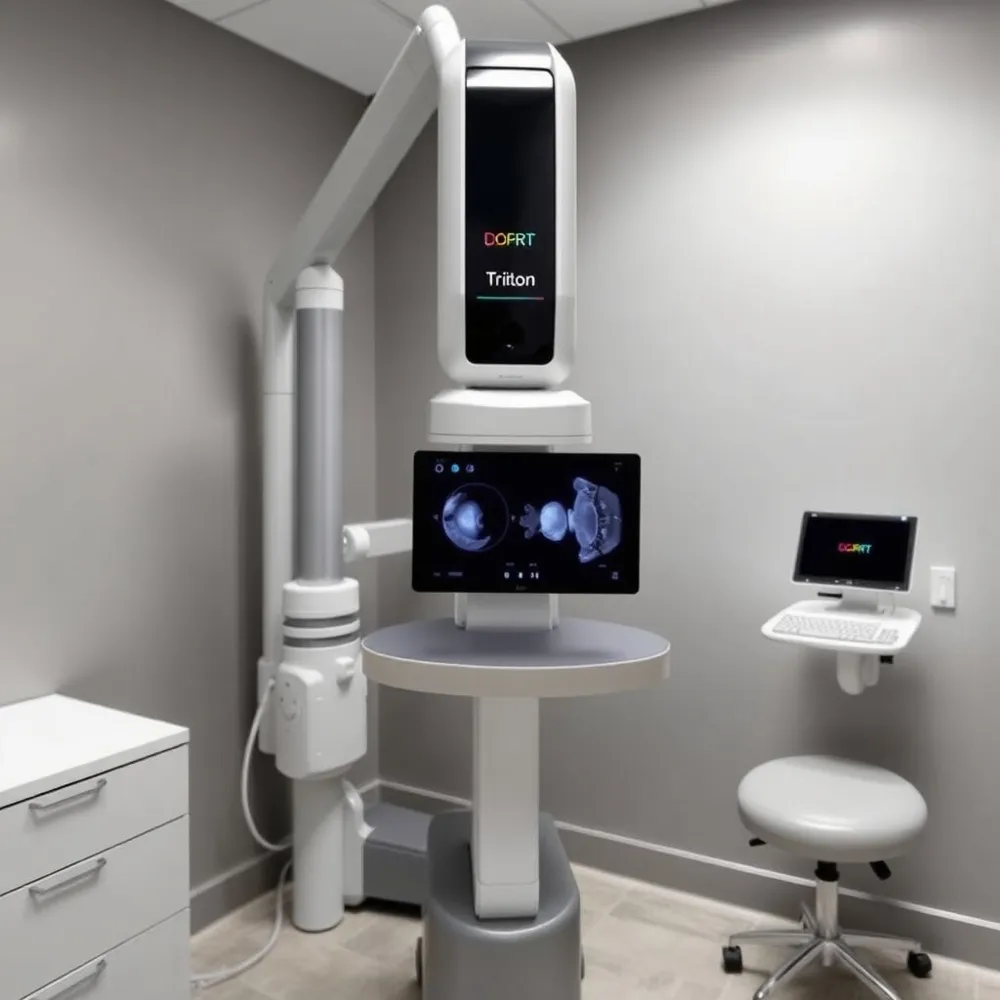
Advanced diagnostics now let clinicians pinpoint the exact cause. Tools like the Keratograph image the corneal surface and meibomian glands in detail, while TearLab measures tear osmolarity to confirm a diagnosis. These technologies allow providers to track how each treatment changes key measurements over time.
In-Office Procedures That Target Root Causes
A range of in-office treatments go beyond artificial tears. Intense pulsed light (IPL) therapy applies light pulses around the eyes to reduce inflammation and improve gland function. The physical relief can be dramatic — Dr. Alan Aker, an ophthalmologist who suffered from dry eye himself, reported his gritty sensation disappeared after a series of IPL sessions.
Other options include iLux and TearCare, which use localized heat to unclog meibomian glands; LipiFlow for gland expression; BlephEx for eyelid cleaning; and low-level light therapy to reduce inflammation. For severe cases that do not respond to other treatments, the Mayo Clinic dry eye clinic offers autologous blood serum drops made from a patient’s own blood.
A Whole-Patient Approach
Because dry eye is chronic and often tied to systemic factors like autoimmune conditions or medications, effective care requires coordination across specialties. Mayo’s dry eye clinic works closely with its Pain Rehabilitation Center because addressing pain first can make subsequent dry eye treatment more effective.
Compassionate Care That Makes a Difference
Patients at Apple Eye Care and similar practices consistently praise the friendly, caring staff and state‑of‑the‑art equipment. One patient described being greeted with an offer of coffee or a latte and tested with the latest equipment — a small gesture that sets the tone for a visit focused on comfort and respect.
Another patient wrote, "You folks have always treated us with respect and listened to our needs… follow through was above and beyond expectations." This kind of feedback reflects the practice's family‑focused approach led by Dr. Stephen Applebaum, where personalized attention is central.
Thorough explanations of conditions and treatment options help patients feel empowered to take control of their eye health. From understanding what causes dry eye to learning how therapies like IPL work, patients leave informed and confident in their care plan.
Lifestyle and Nutrition for Lasting Relief
While in‑office treatments address the root causes of dry eye disease, what patients do between appointments plays a large role in maintaining comfort. A few daily adjustments can reduce irritation and support the tear film.
Small Environmental Changes, Big Impact
El Paso's dry desert air, wind, and dust are common dry eye triggers, so simple preventive steps matter. Pointing fans and car vents away from the face, wearing wrap‑around sunglasses or protective eyewear outdoors, and using a humidifier at home help keep moisture on the eye surface. Taking regular breaks during prolonged screen time and practicing conscious blinking — blinking fully, not just half‑closing the eyes — can prevent tear evaporation during long workdays.
Nutrition That Supports the Tear Film
Certain nutrients are known to reduce inflammation and improve oil production in the meibomian glands. Diets rich in omega‑3 fatty acids — found in salmon, tuna, flaxseeds, and walnuts — help the glands produce higher‑quality oils, slowing tear evaporation. Leafy greens, beans, sweet potatoes, citrus fruits, and nuts provide the vitamins C, A, and lutein that support the overall health of the ocular surface.
Staying well‑hydrated throughout the day also helps maintain tear volume. Some patients benefit from omega‑3 supplements; discussing the right dosage with a doctor ensures safe, targeted use. At Apple Eye Care, Dr. Stephen Applebaum and his team incorporate these nutritional strategies into personalized dry eye plans, helping patients combine the latest in‑office treatments like IPL and iLux with consistent home routines.
At‑Home Care That Reinforces Treatment
Warm compresses applied to the eyelids for five to ten minutes daily can soften clogged meibomian gland secretions. Following up with gentle eyelid hygiene — such as using a doctor‑approved lid wipe or cleanser — reduces biofilm and bacteria that contribute to blepharitis. Performing simple blinking exercises (close eyes, squeeze gently, open wide) throughout the day helps spread fresh tears across the cornea. When these habits are paired with professional treatments, patients often achieve longer‑lasting relief than either approach alone.
A Brighter Future for Dry Eye Sufferers
Dry eye is a chronic condition, but lasting relief is achievable with the right combination of advanced treatments, lifestyle adjustments, and compassionate care. Patients no longer have to suffer in silence—modern therapies like IPL, iLux, and TearCare address root causes rather than just symptoms.
The team at Apple Eye Care, led by Dr. Stephen Applebaum, is dedicated to helping each patient find the personalized solution that transforms their quality of life. Whether through in-office treatments, at-home care guidance, or nutritional counseling, the practice provides comprehensive support tailored to individual needs.