Harnessing Technology and Training for Optimal Vision
True visual performance extends well beyond basic clarity, which is the simple measurement of sight. While sight refers to the retinal image's sharpness, vision encompasses the complex cognitive processes, visual efficiency, and neural integration required to interpret and react to the world. For athletes and high-performance professionals alike, the ability to process visual information rapidly is a distinct competitive advantage.
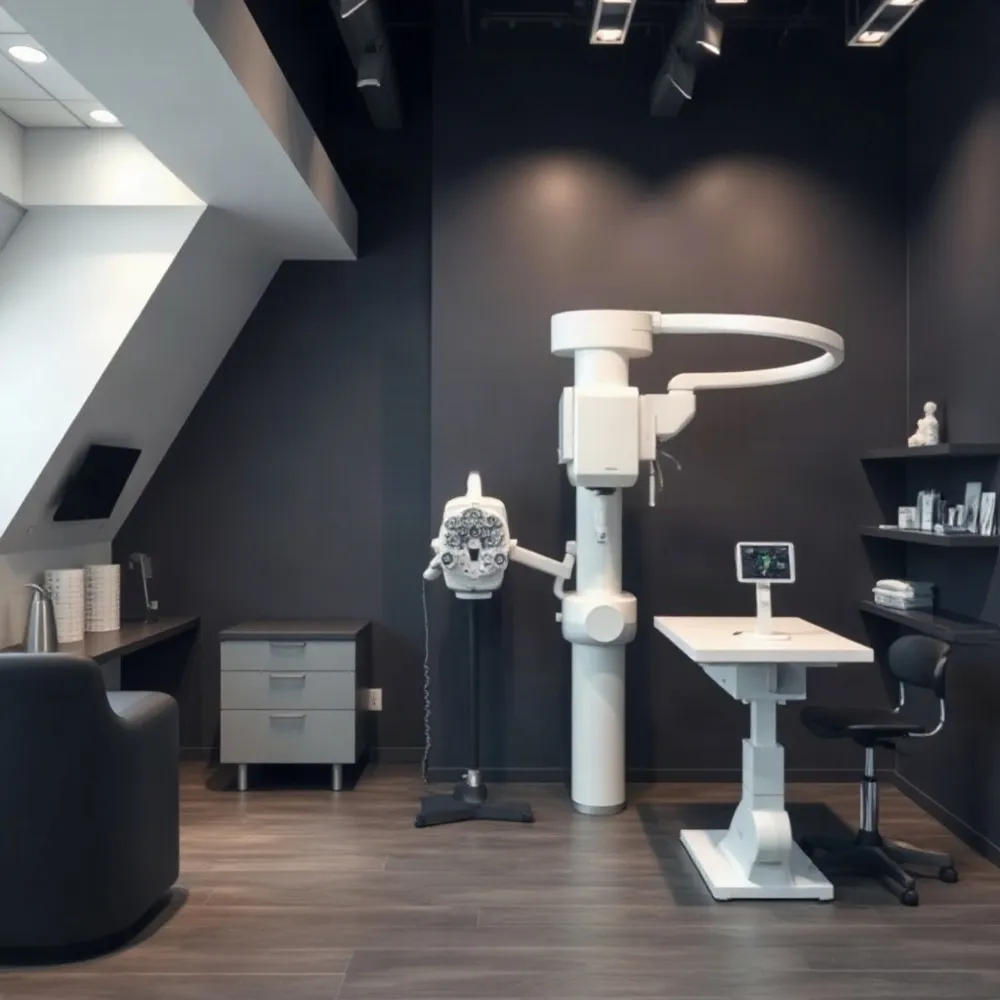
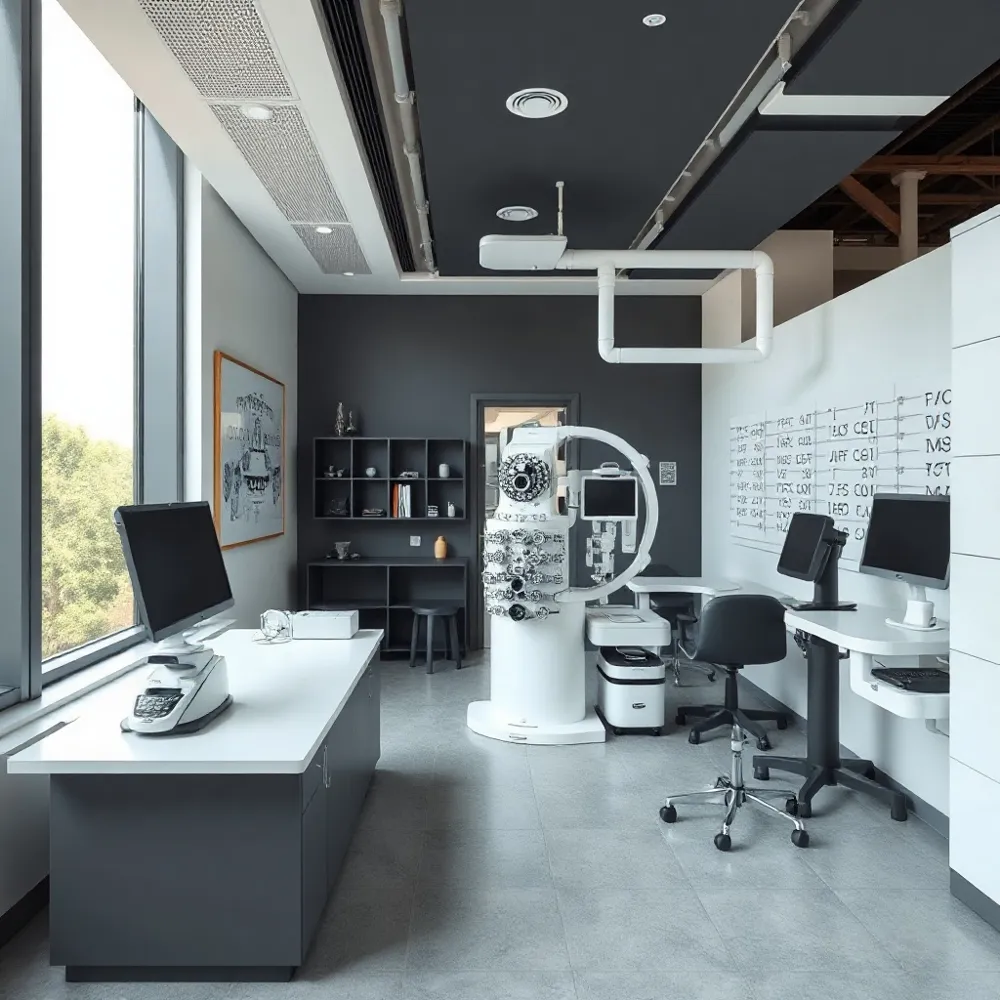
Modern optometry has evolved into a multidisciplinary field that bridges visual neuroscience, technology, and applied sports science. Rather than viewing the eye as an isolated organ, experts now analyze how visual systems function in tandem with the brain and motor output. At Apple Eye Care, we integrate these dimensions by offering advanced diagnostic technology, such as the DRI OCT Triton, which allows for a deeper understanding of ocular health beyond a traditional exam.
Enhancing Performance and Daily Comfort
Technological innovation now plays a major role in both clinical care and training. The application of computer vision and AI-driven algorithms is revolutionizing how we track biomechanics and optimize technique. These tools move us beyond subjective feedback, providing objective data that can be used to refine movement symmetry and prevent injury. Similarly, Sports Vision Training leverages neuroplasticity to improve core skills, from depth perception and stereopsis to dynamic tracking and reaction time.
For the daily computer user, visual comfort is often a matter of managing digital strain. While simple habits like the 20-20-20 rule provide immediate relief during long sessions, consistent professional evaluation is necessary to address underlying functional issues like convergence insufficiency. By combining these emerging digital tools with personalized care, Apple Eye Care supports patients in maintaining long-term visual health and comfort in an increasingly digital world.
Understanding the Limits of Eye Exercises
Many people seek non-invasive methods to improve their sight, often hoping that targeted movements might eliminate the need for glasses or contact lenses. While the appeal of natural vision improvement is understandable, it is essential to distinguish between muscular comfort and structural correction. According to Harvard Health, eye exercises cannot cure or reverse refractive errors like nearsightedness, farsightedness, or astigmatism.
Refractive errors are primarily caused by the physical shape of the eye or the way its internal components focus light. Because these issues are structural, physical exercises are ineffective at altering them. While some programs claim that wearing weaker lenses or performing repetitive routines can retrain your eyes, medical experts caution against relying on these techniques as a replacement for necessary clinical correction. The sense that vision worsens after wearing glasses often simply reflects your brain becoming accustomed to the clarity they provide, making any return to uncorrected blur more noticeable.
Can eye exercises or natural methods truly improve vision or eliminate the need for glasses?
While eye exercises can help reduce digital eye strain, relax tired muscles, and improve visual comfort, there is no scientific evidence that they can alter the structure of the eye or eliminate the need for corrective lenses. Refractive errors such as myopia, hyperopia, and astigmatism are determined by the eye’s physical shape or focusing ability, which cannot be corrected through simple movement exercises. While some practitioners recommend these routines to ease fatigue, they are not a medical substitute for professional vision correction or long-term management. At Apple Eye Care, we prioritize proven clinical approaches and advanced diagnostics to accurately address your vision needs. For any concerns regarding your sight, we always recommend a comprehensive exam with Dr. Stephen Applebaum to determine the most effective and safe treatment plan for you.
It is important to understand the boundary between temporary relief of visual fatigue and the management of structural eye health. Digital eye strain often results from the internal focusing muscles becoming locked in a fixed state after hours of screen use, which leads to discomfort and blurred output. In contrast, conditions like glaucoma or macular degeneration remain entirely outside the scope of home-based movement protocols. If you are experiencing symptoms like chronic dry eyes or headaches during close-range work, it may be time to move beyond home-remedy speculation and seek a professional consultation at www.appleeyecare.com to ensure your long-term ocular health remains stable.
The 20-20-20 Rule for Digital Comfort
 Modern life increasingly demands sustained visual concentration on digital screens, a behavior that often triggers computer vision syndrome. This condition arises as the eyes struggle to maintain focus during long periods of close-up work, leading to pervasive symptoms such as eye strain, fatigue, dryness, and intermittent blurred vision. Much of this discomfort can be traced to the constant effort required for the eye muscles to accommodate for near distances, combined with a significant reduction in blink rates as the brain becomes engrossed in digital inputs.
What is the 20-20-20 rule and how does it help with digital eye strain?
The 20-20-20 rule is a simple, effective technique to manage digital eye strain caused by prolonged screen use or intensive close work. For every 20 minutes spent on a screen, you should take a 20-second break to look at an object at least 20 feet away. This practice allows the eye’s focusing muscles to relax and encourages normal blinking patterns, which helps alleviate symptoms like dryness, irritation, and fatigue. Implementing this rule helps reduce the discomfort often associated with computer vision syndrome, such as headaches and blurred vision. At Apple Eye Care, we encourage integrating these brief, consistent breaks into your daily routine to maintain better eye health in our increasingly digital world.
- Focus on an object at least 20 feet away to shift the eyes from near-range demand to a relaxed state.
- Maintain the break for at least 20 seconds to allow the accommodative system to stabilize.
- Consciously blink during these intervals to restore the tear film, as noted by researchers at Harvard Health.
While consistent breaks are essential, they serve as a complement to, not a replacement for, professional diagnostic care. If you find that these rhythmic breaks do not provide sufficient relief, it may indicate underlying functional issues such as convergence insufficiency. Unlike generic apps that promise vision correction, clinicians at Apple Eye Care assess your specific visual needs through advanced diagnostics like the DRI OCT Triton to determine if your fatigue stems from screen habits or an actual clinical condition requiring targeted treatment.
Advancing Athletic Performance Through Sports Vision Training
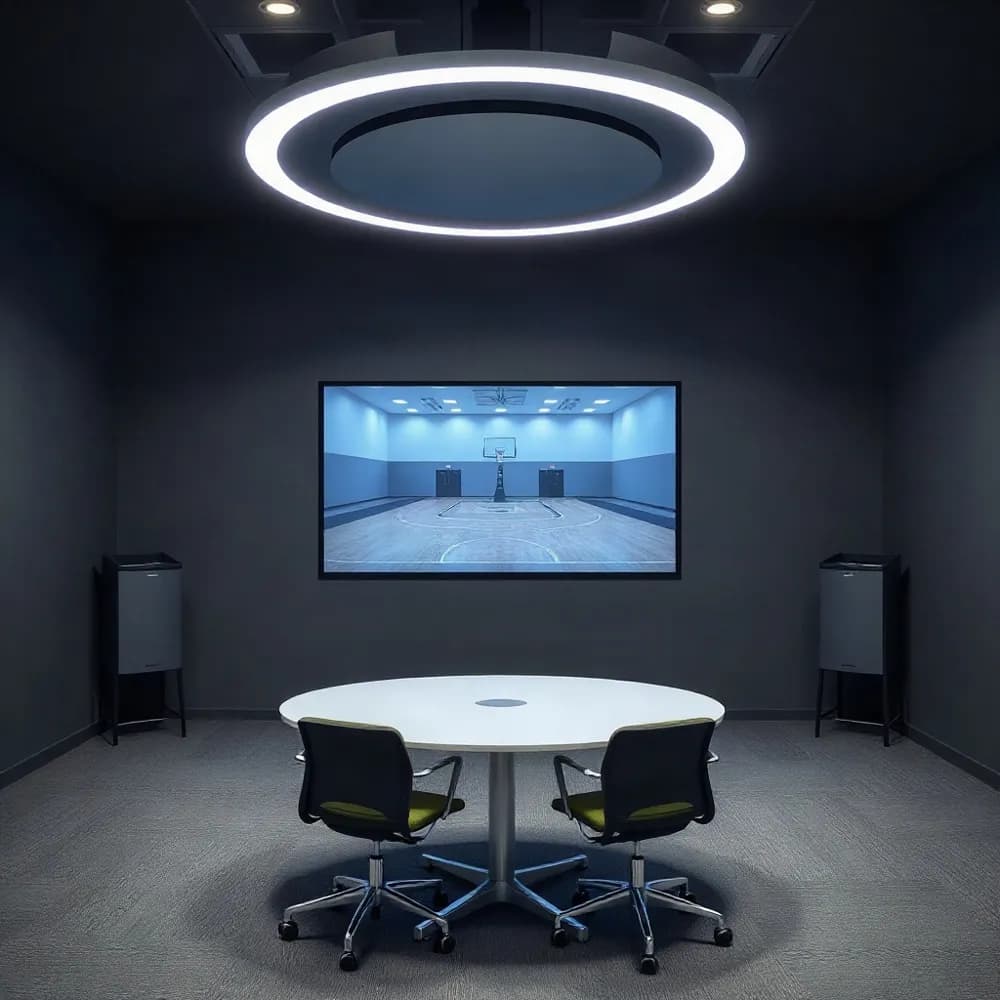
 True athletic ability is rarely just about raw strength or stamina. It depends on a sophisticated information-processing system where the eyes and brain work in tandem to interpret the world. Sports Vision Training (SVT) targets this intersection by refining the foundational skills necessary to track moving objects, judge spatial relationships, and react with precision under pressure.
What is sports vision training and how can it benefit athletes?
Sports vision training is a specialized, targeted intervention designed to strengthen the essential visual skills that traditional eye exams do not cover. By using specific exercises to enhance capabilities such as dynamic visual acuity, peripheral awareness, and depth perception, this training trains the brain and eyes to synchronize more effectively. Athletes benefit from improved reaction times and superior hand-eye coordination, allowing them to process fast-moving environments with greater accuracy and speed. Beyond boosting performance in sports like baseball or basketball, these protocols heighten situational awareness, which can ultimately help players anticipate collisions and reduce their risk of injury. Whether you are a competitive athlete or a weekend warrior, this training provides a critical competitive edge by optimizing how you perceive and respond to the game under pressure.
Developing Core Visual Capabilities
At Apple Eye Care, we emphasize that vision involves much more than retinal clarity. While standard glasses ensure that what you see is in focus, sports vision training sharpens how the brain interprets movement, timing, and rhythm. Athletes often struggle when visual fatigue sets in, particularly as lactate levels rise during intense physical exertion. By addressing these gaps through structured routines, we help patients maintain high levels of executive control even when their bodies are under heavy stress.
Many approaches attempt to mimic general motor drills, but the most effective strategies are those that embed visual stimuli into sport-specific tasks. Our team uses advanced diagnostics like the DRI OCT Triton to establish a baseline for your ocular health. This allows us to separate structural eye wellness from the functional visual performance skills required to excel in demanding environments. Unlike generic fitness apps that may promise quick results without clinical oversight, our approach at www.appleeyecare.com ensures that every training intervention is tailored to your specific visual profile.
- Depth perception and stereopsis for precise distance gauging
- Saccadic eye movements for rapid focus shifting between targets
- Visual concentration to filter distractions during critical moments
- Peripheral processing to track teammates and opponents simultaneously
Clinical Supervision versus Home-Based Apps
 Many patients explore digital vision improvement, often drawn to readily available mobile applications that promise to sharpen visual skills or alleviate eye strain. While these tools can offer engaging, basic skill reinforcement, it is essential to recognize their limitations compared to a supervised medical regimen. Many app-based programs lack the diagnostic precision required to address specific, underlying binocular vision conditions that often necessitate a professional optometric evaluation.
Professional vision therapy is a medically supervised, personalized program tailored to address your specific diagnosis, such as convergence insufficiency or amblyopia, through neurologically targeted clinical activities. At Apple Eye Care, the clinical team utilizes advanced diagnostic tools like the DRI OCT Triton to maintain high standards of patient care. Unlike standardized software, in-office therapy allows for real-time adjustments and the use of specialized clinical instruments to ensure proper technique, a level of oversight that is critical for safety and long-term functional success.
How does professional vision therapy differ from home-based vision apps or software?
The fundamental difference lies in the integration of diagnostic accuracy and personalized intensity. While generic apps rely on repetitive drills, professional care is fundamentally centered on the complex neural processes that dictate how your brain interprets visual data. Because binocular vision issues often involve deep-set physiological or accommodative challenges, they cannot be adequately addressed by static, off-the-shelf exercises. Professional oversight ensures that your treatment plan is not only effective but also aligned with your unique visual health requirements.
Expert-led programs are designed based on the principles of neuroplasticity, which suggest that the brain can adapt and enhance visual functions through repetitive, supervised practice, as noted in a systematic review of sports vision training. Clinical intervention provides that level of rigor by embedding exercises within a professional framework, ensuring your progress is measurable rather than anecdotal. By choosing professional guidance over isolated apps, you are prioritizing a safer, data-informed approach to your visual well-being.
Computer Vision in Sports Innovation
The integration of artificial intelligence into athletic training has moved far beyond simple video replay. Modern Computer vision systems now capture high-fidelity performance data in real time, effectively acting as an objective coach that never fatigues. By utilizing AI-based computer vision algorithms, teams can move past the subjective feedback of manual observation to identify subtle inefficiencies in movement that remain invisible to the naked eye.
Real-time skeletal analysis for performance correction
At the heart of this innovation is skeleton-driven modeling, which maps an athlete's body mechanics against precise spatial coordinates. This technology allows for immediate feedback during training sessions, adjusting everything from sprint form to swimming efficiency. While home-based apps often promise quick fixes for visual skills, these advanced clinical systems provide athletes with the granular data necessary to refine movement patterns under the guidance of biomechanics professionals.
At Apple Eye Care, we apply similar principles of rigorous data collection when managing visual performance. Just as top-tier training facilities deploy these high-speed tracking systems to optimize efficiency, our practice uses advanced diagnostics, including the DRI OCT Triton, to create personalized care plans. This focus on objective, data-driven assessment ensures that patients receive the same level of analytical care that professional athletes expect.
Data-driven injury prevention strategies
Safety and injury risk reduction remain the primary objectives for widespread Sports Computer Vision adoption. These systems continuously monitor movement symmetry and joint alignment, flagging deviations that often precede acute injury. During rehabilitation, therapists use motion tracking to compare an athlete's current movement patterns against their pre-injury baseline, creating a clear, evidence-based roadmap for return-to-play decisions.
| Application | Function | Benefit |
|---|---|---|
| Biomechanical Tracking | Motion symmetry analysis | Injury risk mitigation |
| Technique Coaching | Real-time skeletal feedback | Optimized skill development |
| Strategic Mapping | Multi-player pattern analysis | Refined game execution |
Visual Neuroscience and Neuroplasticity
Visual performance is not a static trait determined solely by the clarity of the image on the retina. Instead, the brain continuously refines how it interprets light and spatial information through the biological mechanism of neuroplasticity. This adaptability allows the brain to restructure its neural pathways in response to consistent, targeted practice, effectively enhancing visual and cognitive functions over time. Research indicates that the brain's ability to prime oculomotor regions, such as the frontal eye fields, can be significantly influenced by repetitions of specific eye movements, leading to measurable gains in accuracy and attention Eye Exercises Enhance Accuracy and Letter Recognition, but ....
The efficacy of naturalistic training
While generic drills can improve basic hardware like ocular motility or fixation stability, the most compelling evidence suggests that naturalistic training provides the greatest benefit. This approach embeds visual exercises directly into sport-specific tasks rather than relying on isolated, repetitive drills. By mimicking the dynamic unpredictability of a real game, athletes better bridge the gap between laboratory results and competitive success Training vision in athletes to improve sports performance. At Apple Eye Care, this multidisciplinary philosophy is central to our approach, as we provide personalized guidance that integrates modern diagnostics with functional, life-specific visual training.
- Quiet Eye technique involves maintaining a prolonged, stable focus on a target before initiating complex physical movements like a golf swing or free throw.
- This anticipatory gaze helps stabilize the neural pathways required for precision, significantly increasing the likelihood of successful execution.
- Clinical research suggests that maintaining this visual link contributes to better near-transfer outcomes, which refers to improvements within the specific training task itself Training vision in athletes to improve sports performance.
As with any specialized program, the complexity of your visual system requires professional oversight to ensure that adaptations are both healthy and sustainable. While simple eye exercises can boost temporary attention, they cannot replace comprehensive management for underlying conditions. Our patients at Apple Eye Care frequently benefit from a tailored assessment of their visual needs, which may include using advanced technology like the DRI OCT Triton for precise imaging, ensuring that any vision training plan is grounded in a thorough understanding of their unique ocular health rather than broad, generic fitness trends.
Integrating Emerging Tech at Apple Eye Care
The evolution of diagnostic imaging has fundamentally shifted how eye care professionals identify and manage ocular conditions. At Apple Eye Care, we employ the DRI OCT Triton, a multimodal imaging system that provides high resolution anterior and posterior segment analysis. This technology utilizes swept source optical coherence tomography to capture cross sectional images of the retina and optic nerve, allowing our clinical team to detect subtle structural abnormalities long before they impact daily vision.
Precision is the cornerstone of effective preventative health monitoring. While basic screenings offer a snapshot of current visual clarity, advanced diagnostics provide the longitudinal data necessary to track physiological changes over time. By establishing a clear baseline, we can identify markers of conditions like glaucoma or macular degeneration in their earliest stages. This proactive approach ensures that interventions are timely, focused, and tailored to the unique biological needs of each patient.
Bridging the gap between athletic innovation and patient care
The techniques driving advancements in sports performance often mirror the goals of clinical optometry. Just as high performance athletes rely on rapid processing speed and spatial awareness, our patients require a visual system that functions with efficiency during demanding daily tasks. We integrate these principles by aligning cutting edge tracking research with our clinical protocols.
Unlike generalized vision apps or off the shelf software that lack professional oversight, our clinic offers structured care that emphasizes both structural health and functional acuity. By leveraging data from diagnostics like the DRI OCT Triton, we treat the eyes not as static components, but as dynamic systems capable of optimization. This marriage of precision diagnostics and personalized therapy ensures that every patient, whether an athlete or someone managing long term eye health, receives a standard of care built on objective, repeatable evidence.
Commitment to Your Lifetime Visual Success
Achieving and maintaining optimal eye health is a lifelong process that requires moving beyond temporary fixes or generalized exercises. While techniques like the 20-20-20 rule or targeted visual training can assist with daily comfort and specific coordination needs, they are most effective when integrated into a structured plan overseen by a doctor. Relying on scientifically proven, evidence-based care ensures that every intervention addresses your unique biological requirements rather than adopting one-size-fits-all strategies that lack medical validation.
True visual success depends on understanding the difference between simple sight and complex visual processing. The human visual system is remarkably plastic, allowing for improvements in performance and function through guided, professional stimulation. However, serious conditions like glaucoma, macular degeneration, or significant refractive shifts require the precision of modern diagnostic equipment, such as the DRI OCT Triton, to detect issues before they impact your quality of life.
At Apple Eye Care, we emphasize personalized attention for every patient. Whether you are seeking to manage dry eye, enhance athletic visual skills, or simply ensure your current prescription supports your daily needs, our approach combines clinical expertise with a compassionate, family-focused environment. We invite you to move beyond self-guided guesswork and engage in a professional, long-term partnership focused on your specific visual goals.
Your journey toward better vision is a collaboration. By combining the latest advancements in ocular technology with traditional optometric rigor, we empower you to see clearly and function comfortably at every stage of life. Visit our website at www.appleeyecare.com to schedule a comprehensive examination or learn more about our specialized diagnostic services. We look forward to helping you prioritize your visual wellness and supporting your long-term success.