Prioritizing Your Child’s Vision With a Positive Approach
Many parents rely on school-based vision checks, yet these quick screenings are merely basic assessments. According to national clinical guidance, a comprehensive eye exam is necessary for a full evaluation of both eye health and complex vision capabilities. These exams detect subtle issues that often go unnoticed but frequently impact a child’s academic performance and learning journey.
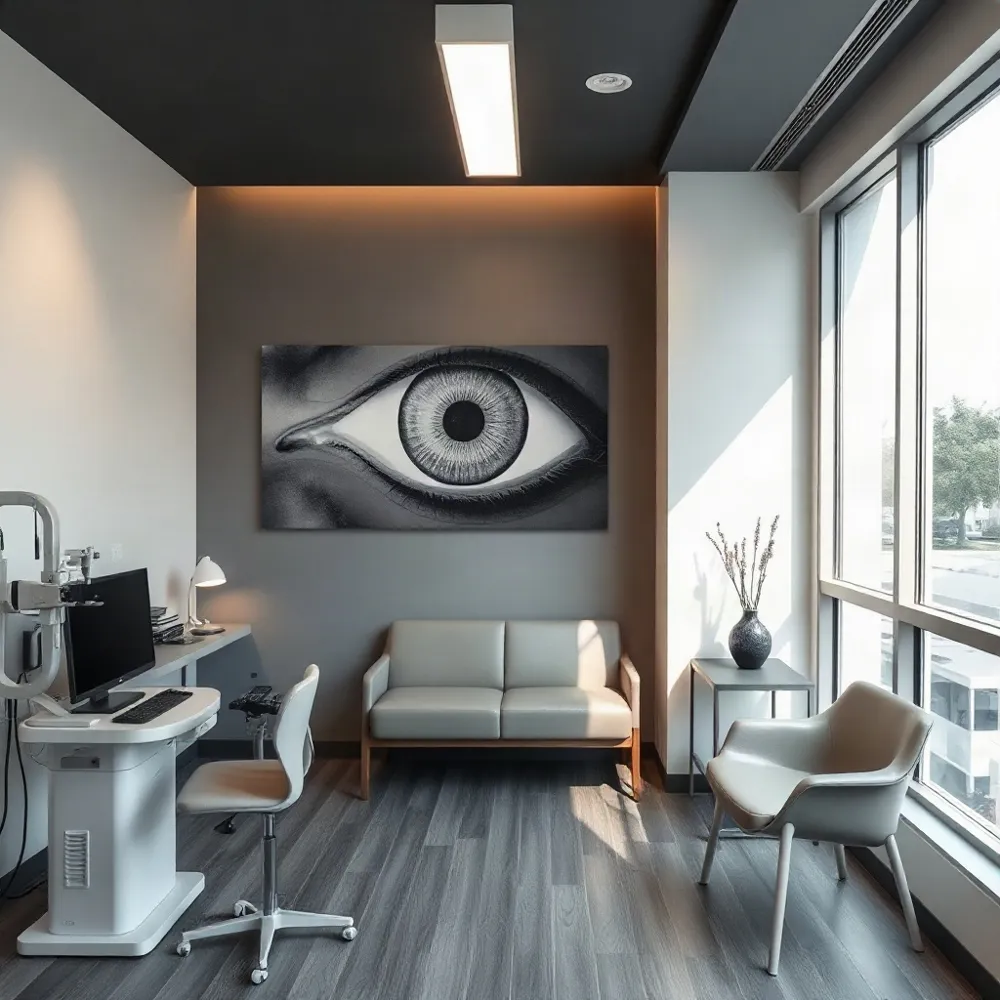
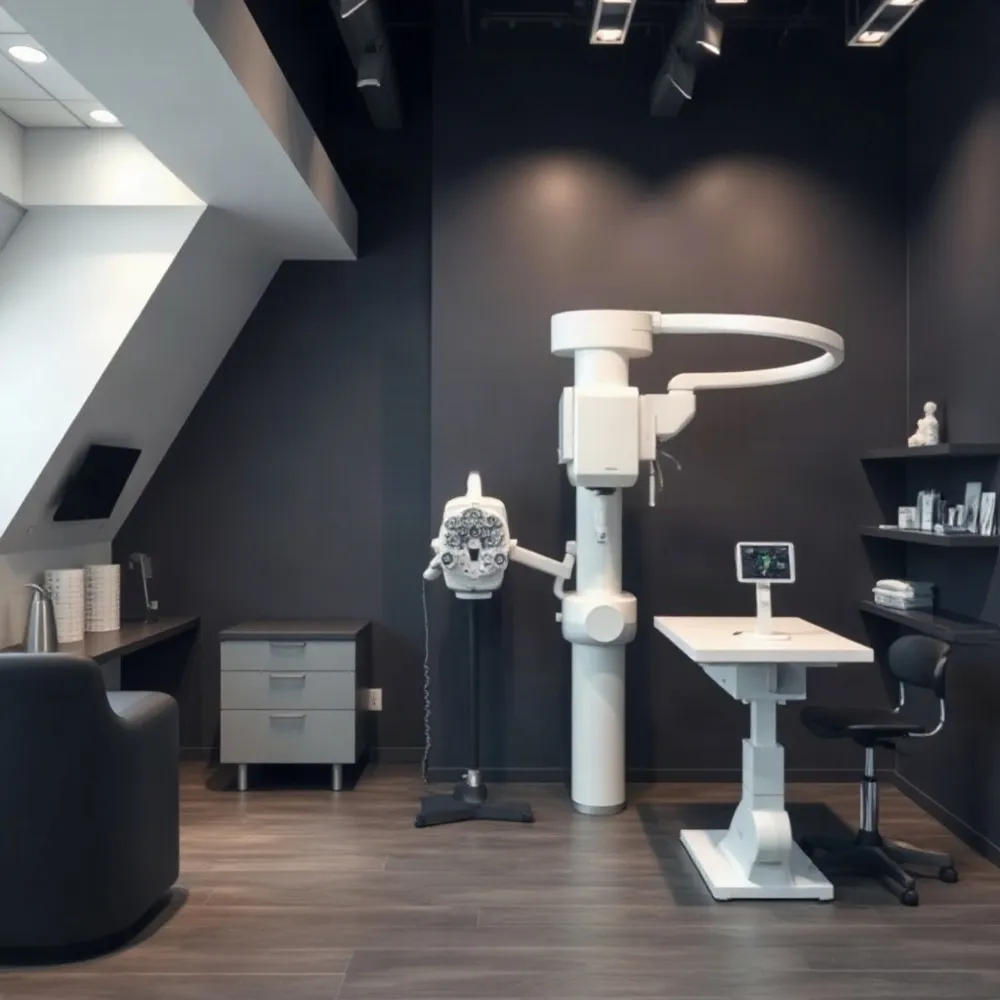
Establishing a professional baseline for ocular health serves as a foundation for school success. At Apple Eye Care, Dr. Stephen Applebaum and his team prioritize a family-focused environment that differs significantly from conventional clinical settings. While standard American Academy of Ophthalmology research suggests using gentle techniques to minimize stress, Apple Eye Care combines this compassionate approach with advanced diagnostic tools like the DRI OCT Triton.
By integrating modern, non-invasive technology, Apple Eye Care offers precise monitoring that keeps children comfortable and engaged. Preparing for these visits is simplified when you schedule during your child’s most alert hours, as noted by InfantSEE. Building a positive relationship with eye care early supports long-term health and academic confidence.
Why Comprehensive Pediatric Eye Care Matters
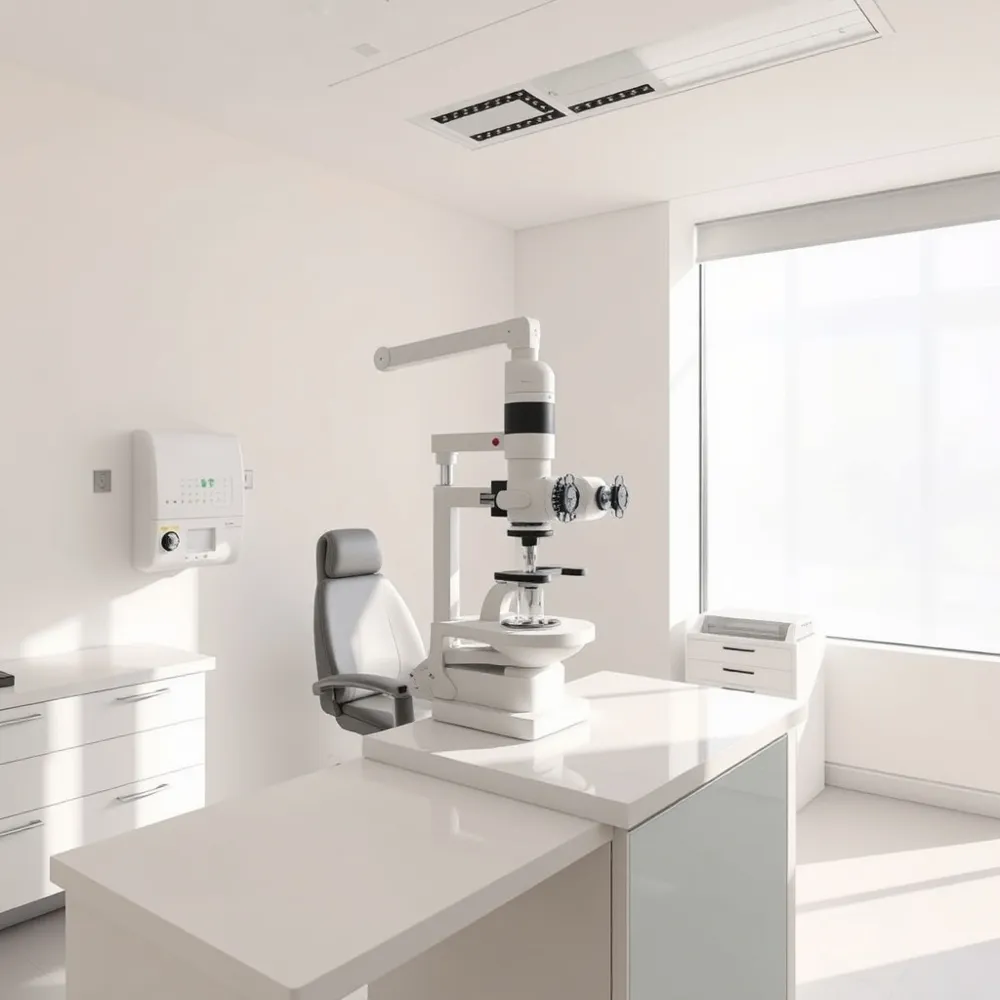 Regular eye exams are essential because most childhood learning occurs through visual stimuli. While school or pediatrician-led vision screenings offer quick checks, they are not substitutes for comprehensive assessments. A pediatric eye doctor will evaluate crucial functional skills, such as depth perception, eye tracking, and binocular convergence, which basic screenings often miss. These exams ensure the visual system develops correctly from infancy through the school-aged years, preventing undiagnosed conditions from hindering cognitive or social growth.
Early detection allows for the management of myopia, hyperopia, and astigmatism before they affect academic performance. Clinicians also monitor for strabismus and amblyopia, which require specialized intervention. At Apple Eye Care, the team utilizes advanced tools like the DRI OCT Triton to monitor pediatric eye health with precision. Unlike generic providers, this practice focuses on a compassionate, child-centered environment, making these health-monitoring procedures faster and less intimidating.
Can an eye exam detect systemic health issues like glaucoma or high cholesterol?
Comprehensive exams serve as a vital window into overall health. Optometrists can identify early signs of glaucoma by monitoring the health of the optic nerve. Beyond eye-specific diseases, professional examinations sometimes reveal indicators of other systemic conditions, such as high cholesterol or evidence of vascular issues, by observing blood vessels within the retina.
| Age Range | Assessment Focus | Common Techniques |
|---|---|---|
| Infants | Motility and Alignment | Preferential looking |
| Preschoolers | Visual Acuity | Symbols and letter matching |
| School-Age | Comprehensive Health | Retinal imaging and tonometry |
Strategies for a Calm and Stress-Free Appointment
 The success of a pediatric eye exam often hinges on timing. Scheduling your child's visit during their peak hours of alertness, specifically avoiding nap or meal times, ensures they are more cooperative and less prone to fatigue according to guidance from Lurie Children's Hospital. At Apple Eye Care, we recognize that a well-rested child is essential for a smooth assessment, and our team provides the patient, personalized attention necessary to keep your child comfortable throughout the process.
Preparation at home can transform a potentially intimidating visit into an empowering experience. You might try role-playing the exam with a favorite stuffed animal or watching age-appropriate videos that walk through what happens in the office. Using gentle, non-threatening language is also vital, as the American Academy of Ophthalmology suggests that framing the appointment as a positive milestone helps build confidence.
During the examination, you can serve as a vital partner to the doctor by acting as a 'puppet master,' helping your child focus on specific targets to ensure accurate testing per InfantSEE. If dilation is required, Lurie Children's Hospital notes that bringing a favorite toy or planning a small reward afterward creates a helpful positive association. While children may feel occasional discomfort, our use of modern diagnostic tools like the DRI OCT Triton helps us perform measurements quickly and non-invasively, minimizing the time needed for traditional manual adjustments.
Modern Diagnostics and Managing Typical Concerns
Modern eye care utilizes advanced imaging tools to ensure exams are efficient and comfortable. At Apple Eye Care, the team incorporates the DRI OCT Triton to conduct non-invasive imaging. This technology allows for quick, precise monitoring of eye health without requiring the child to remain perfectly still for extended periods, making it highly effective for younger patients compared to traditional, manual diagnostic methods.
During a comprehensive examination, eye dilation is often necessary to get a clear view of the interior eye health as noted by the American Academy of Ophthalmology. While the drops may cause a brief sting, an anesthetic can be applied first to minimize discomfort. Expect a wait time of 30 to 60 minutes for the medication to take full effect before the doctor begins the assessment.
Can my child return to school after an eye exam involving dilation?
Yes, your child can typically attend class afterward, though you should prepare for temporary side effects like blurred vision and light sensitivity. To assist with sensitivity, provide a pair of sunglasses for them to wear on the way home or in bright environments. It is also helpful to inform their teachers that the child may have some difficulty reading small print or focusing on screens for the remainder of the day.
What is the 20-20-20 rule to prevent digital eye strain?
To reduce eye fatigue caused by excessive digital device use, the 20-20-20 rule serves as a simple preventative habit. Encourage your child to take a rest break at least every 20 minutes by looking at an object at least 20 feet away for a duration of 20 seconds. This small adjustment helps reset the eyes and minimizes the impact of visual strain common with prolonged screen engagement.
Empowering Your Child Through Vision Games and Play
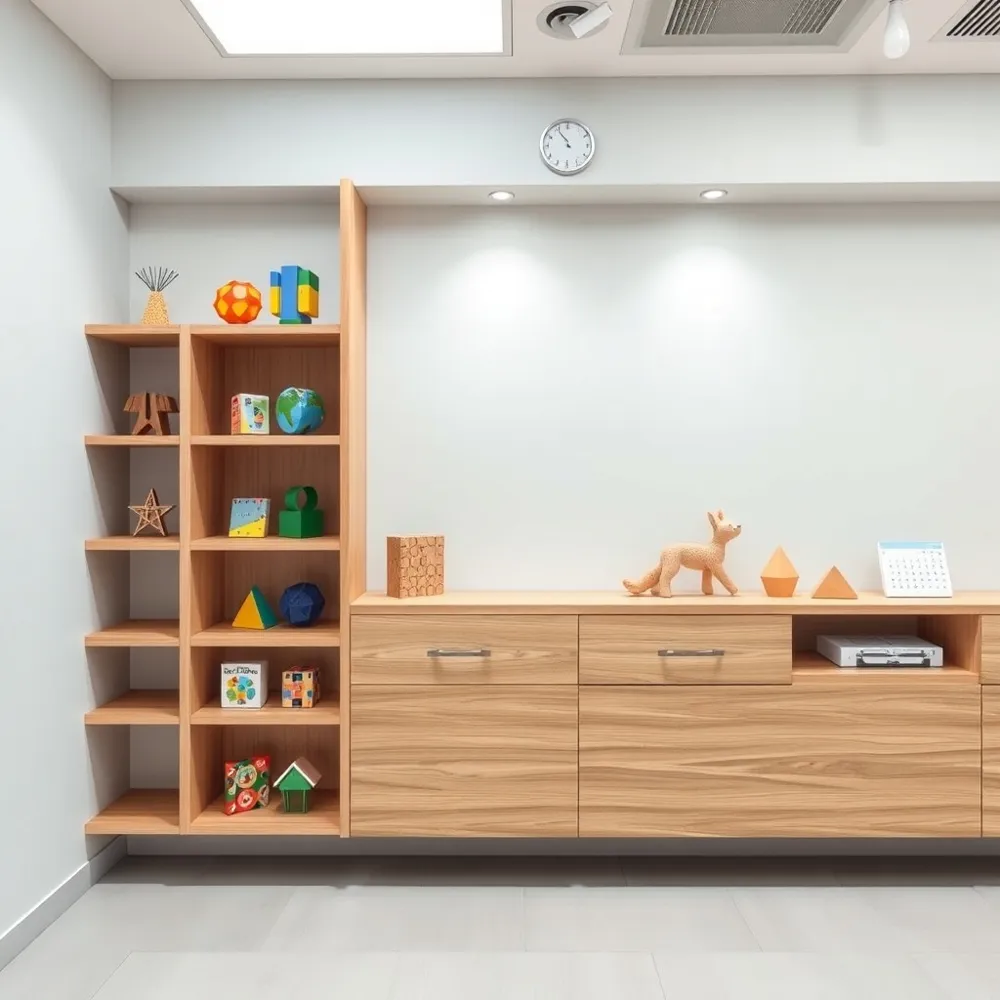 Engaging in visual development games is a wonderful way for children to sharpen essential skills like discrimination, memory, and eye-hand coordination. Activities such as Spot the Difference, I Spy, tangrams, and 3D stereograms are excellent options for improving how the brain interprets visual information, according to the American Association of Pediatric Ophthalmology and Strabismus best practices for keeping children engaged.
To further encourage visual-motor integration, you might also consider games that involve drawing, puzzles, or building sets that require precise hand movements. These interactive tasks help address areas like directionality and visual processing speed in a lighthearted, low-pressure way. For families in El Paso, the team at Apple Eye Care often suggests integrating these play-based techniques to build a child's confidence before formal assessments.
What are some fun vision development games for children?
If you notice your child consistently struggling with these tasks or showing physical symptoms like frequent eye rubbing, recurring headaches, or an active avoidance of reading, it is important to visit Apple Eye Care for a comprehensive evaluation. Proactive monitoring at home helps identify potential concerns early, and the expertise available at www.appleeyecare.com ensures that any issues are addressed with a compassionate, family-focused touch rather than the anxiety often associated with clinical settings. Always observe for signs such as closing one eye while reading or significant head tilting, as these behaviors may indicate a need for professional detection of conditions like strabismus or amblyopia.
Scheduling Your Visit with Apple Eye Care
When you are ready to book a comprehensive assessment, our El Paso team at Apple Eye Care provides personalized, family-focused care. We guide you through the process of obtaining a precise prescription, ensuring your child receives the specific visual support they need to thrive.
Our office works with various insurance providers to help manage cost considerations for your family. We invite you to contact Dr. Stephen Applebaum and our professional staff today to discuss your coverage options and schedule an appointment for your child.