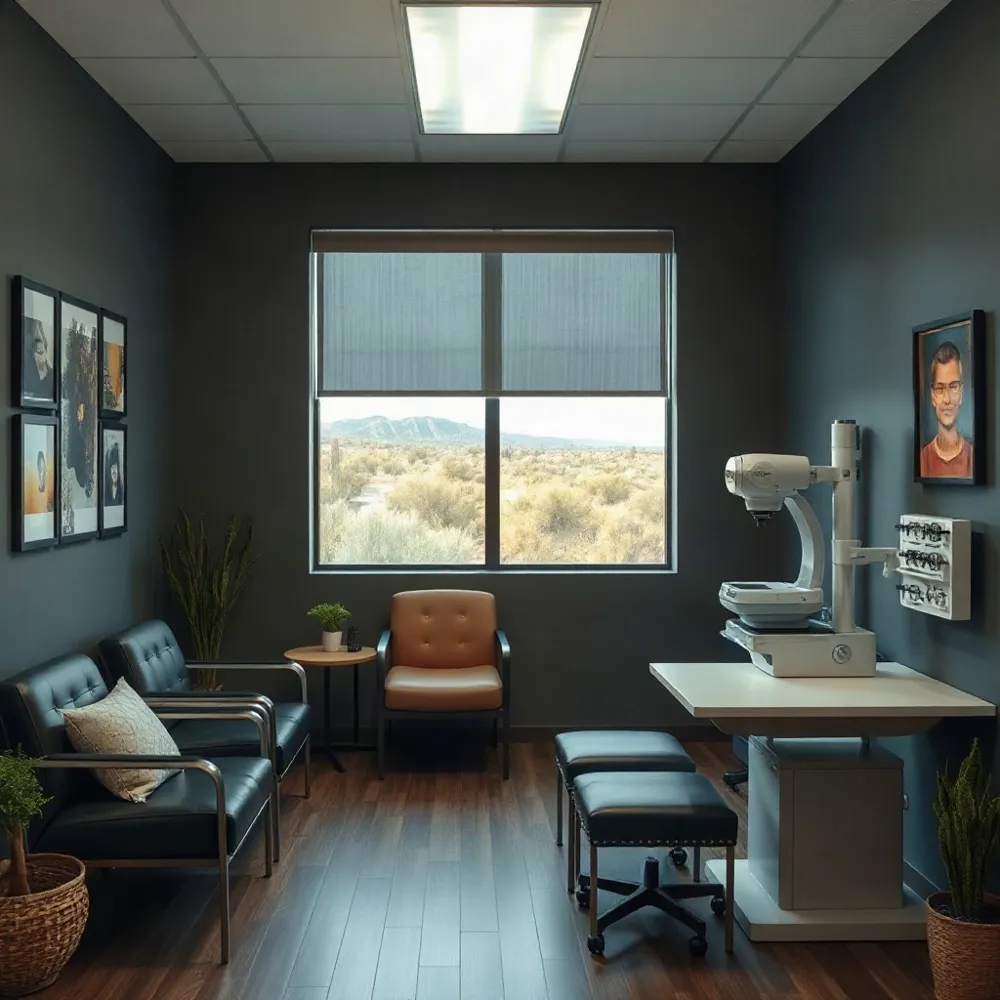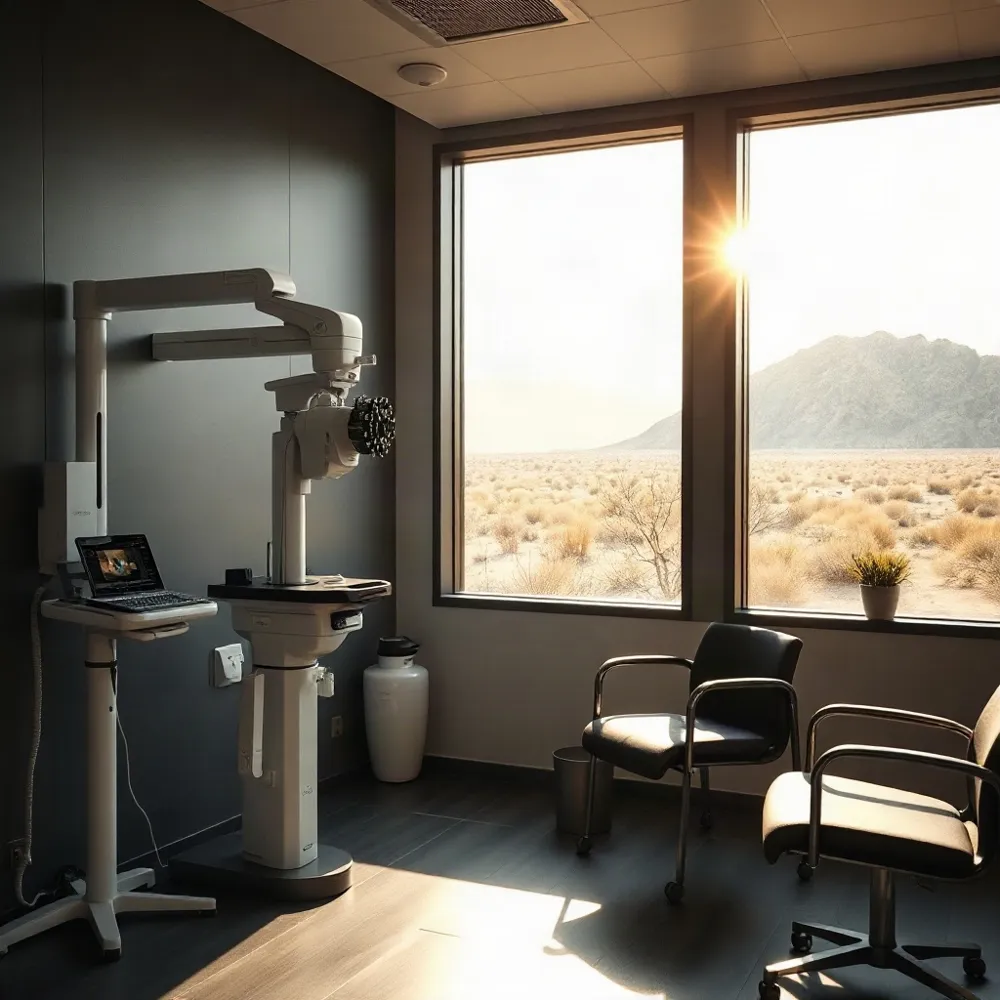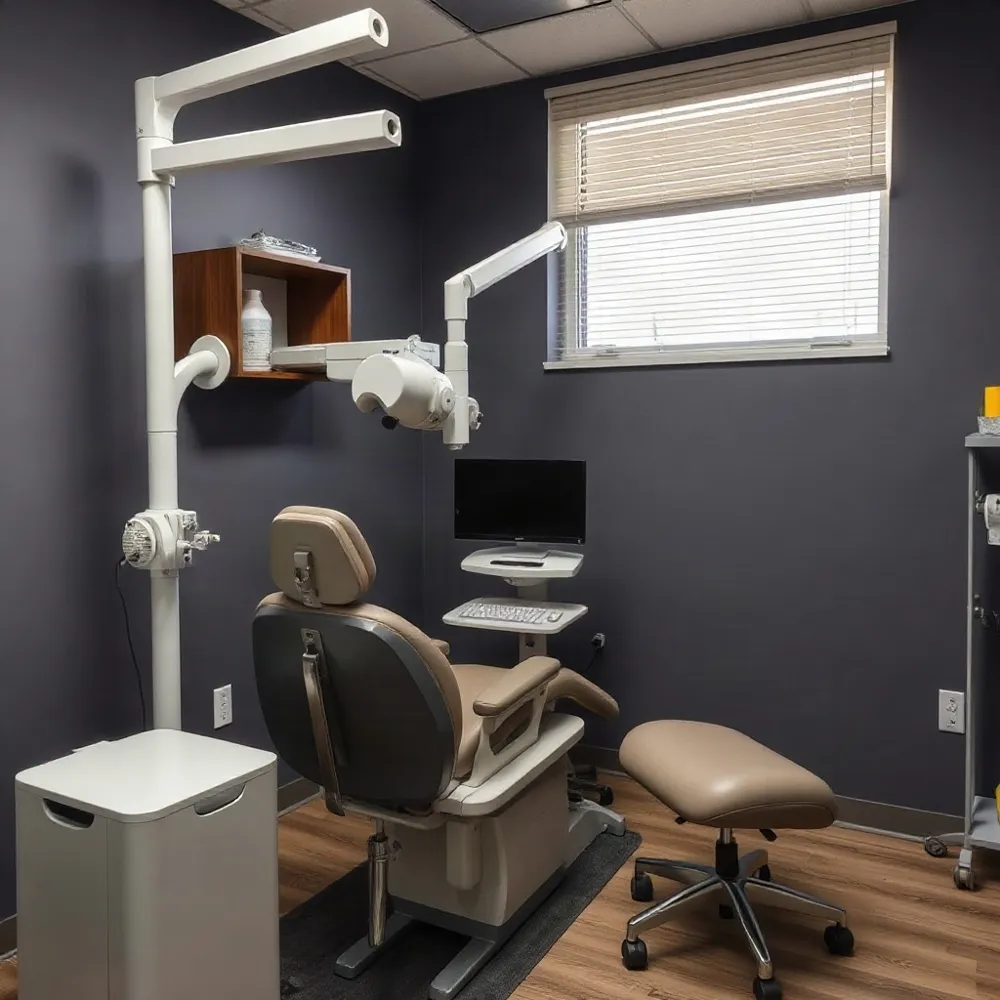
Care That Starts With the Person
A useful eye-care visit looks beyond how clearly you can see. It connects examination findings with your health history, concerns, preferences, and the demands of daily life. A person-centred consultation makes room for these details, so the discussion can address what matters to you as well as what the examination shows (person-centred eye health consultation).
In El Paso, Apple Eye Care brings this approach to a family-focused optometry practice offering comprehensive eye exams, advanced diagnostics such as the DRI OCT Triton, and care for dry eye, cataracts, and glaucoma. The diagnostic results are part of a wider conversation about your needs, not a substitute for it.
Attentive one-on-one communication can help patients understand their options and take part in decisions about care. That may include discussing why a test is recommended, what treatment could involve, and what follow-up makes sense. The aim is a practical plan shaped with the patient, rather than a recommendation delivered without context.
A Conversation Shapes the Examination
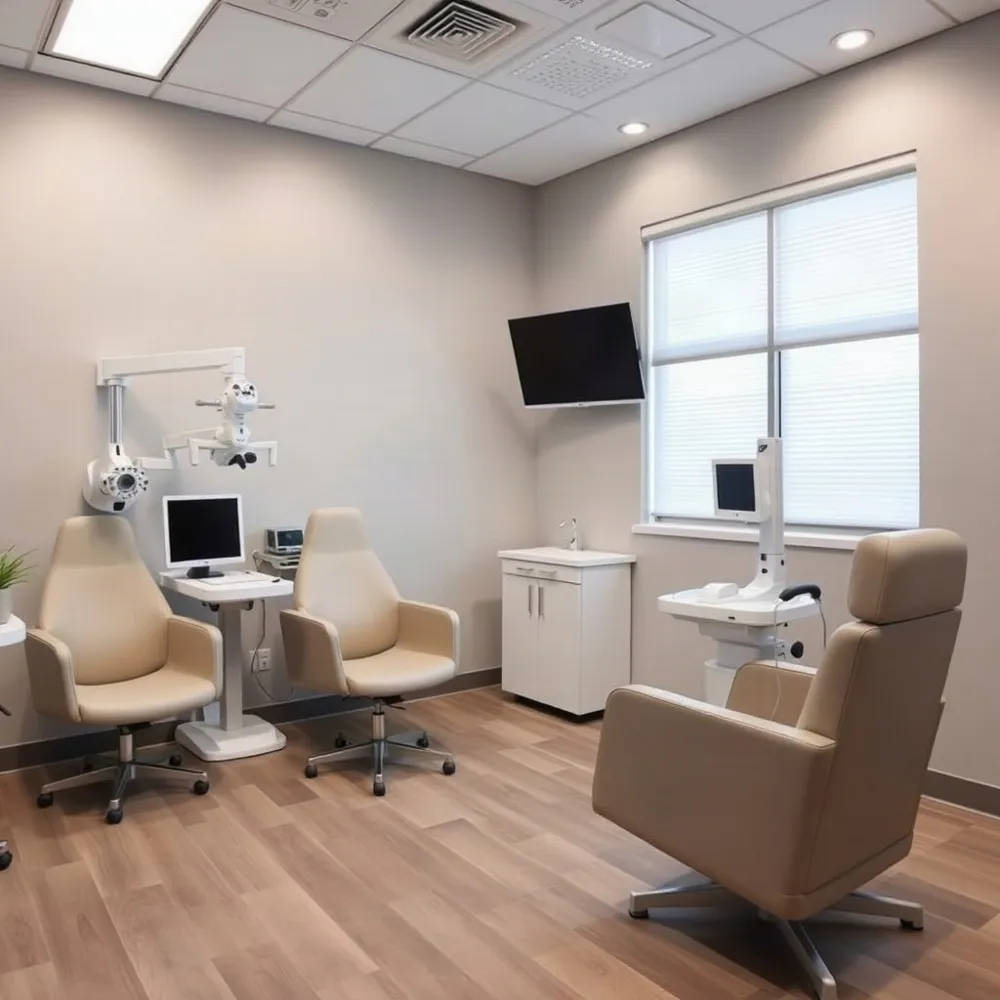 A comprehensive eye exam begins with more than a chart. The clinician reviews your eye and general health history, symptoms, medications, family history, and everyday vision needs. These details help shape which parts of the examination deserve attention. At Apple Eye Care in El Paso, comprehensive exams are part of a broader optometry practice that also offers advanced diagnostics.
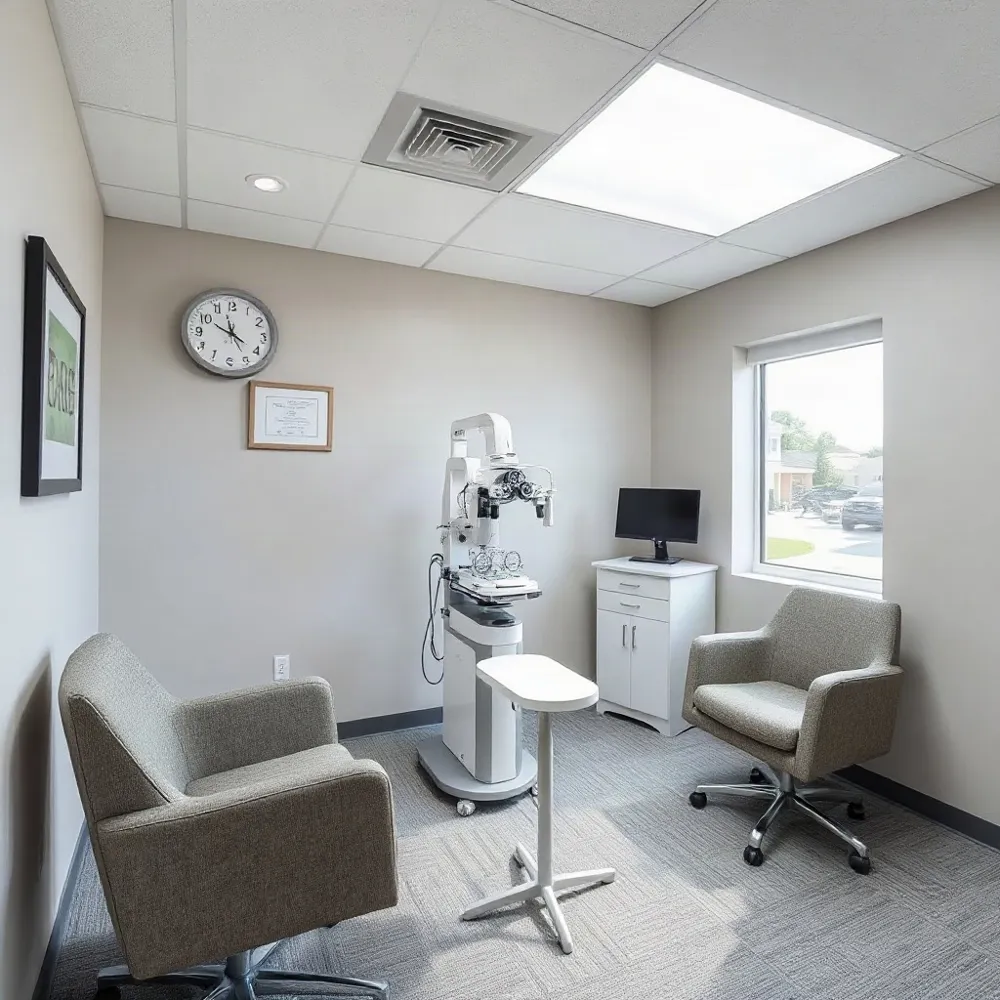
Testing may check visual clarity and prescription needs, how the eyes focus and work together, eye pressure, and the front and internal structures of the eyes. Depending on your history and findings, the clinician may use dilating drops or retinal imaging. Apple Eye Care uses the DRI OCT Triton for advanced imaging; the American Optometric Association’s overview of comprehensive eye exams describes the broad evaluation these visits can include.
A brief vision screening can flag a possible problem, but it is not a full assessment of eye health. Passing a screening does not rule out disease. A comprehensive exam evaluates both vision and the health of the eyes, as the CDC explains.
An exam may identify refractive errors, cataracts, glaucoma, macular degeneration, diabetic retinopathy, or signs of dry eye. Eye findings can also suggest a need to check for broader health concerns, such as diabetes or high blood pressure, but an eye exam alone does not confirm those conditions.
Some eye conditions cause few noticeable symptoms at first, so regular examinations can uncover concerns before vision changes are obvious. After testing, the clinician should explain the findings, why any additional tests are recommended, and what follow-up may involve, using language that is easy to understand.
Tailoring Care Across Ages and Needs
An eye-care plan depends on both examination findings and what a person needs from their vision. At Apple Eye Care in El Paso, comprehensive exams and advanced diagnostics, including DRI OCT Triton, help inform care for concerns such as glaucoma, cataracts, and dry eye.
Does a comprehensive eye exam include a glasses prescription or contact lens fitting?
A comprehensive exam generally includes vision testing and, when needed, a glasses prescription. Contact lens fitting may require additional measurements and checks, so it may be a separate service or add-on. Ask when booking which services are included and what they cost, especially if you wear or are considering contact lenses. The American Optometric Association’s guidance on comprehensive eye exams can help explain what an exam may involve.
What should parents expect during a comprehensive eye exam for a child?
The optometrist may ask about a child’s birth and developmental history, family eye-health history, medications, symptoms, and previous screening. Tests are adapted to the child’s age and may assess visual clarity, focusing, eye movements and alignment, depth and color perception, and eye health. Younger children who cannot read a chart may be assessed with pictures, lights, or other suitable methods. Apple Eye Care’s family-focused practice provides care for children as well as adults, with recommendations based on examination findings.
Does vision usually change as people get older?
Yes. Presbyopia, a normal reduction in close-focus ability, often begins in the 40s. People may also need more reading light, notice glare or less vivid colors, or experience dry eyes. Cataracts, glaucoma, and macular degeneration become more common with age, but not every change signals disease. An exam can help distinguish routine changes from concerns that need care. Johns Hopkins Medicine’s guidance on age-related vision also emphasizes that recommendations depend on individual health and needs.
There is no single exam schedule for everyone. Age, health conditions, medications, and other risk factors can affect how often someone should be seen. Ask your eye-care professional what timing fits your circumstances, and discuss any new symptoms rather than waiting for a routine visit.
Turning Findings Into a Practical Plan
Can poor eyesight be improved or reversed naturally?
Usually, no. Common refractive errors, including nearsightedness, farsightedness, astigmatism, and age-related presbyopia, are linked to the eye’s structure, which exercises and home remedies do not change. Supplements are not a substitute for corrective care. Guided vision therapy may help certain focusing or eye-coordination problems, while screen breaks and regular blinking can ease strain and dryness.
Habits such as wearing UV-protective sunglasses, avoiding smoking, and eating a nutrient-rich diet support general eye health, but they do not replace glasses, contact lenses, or treatment when these are needed. A comprehensive exam can help identify why vision is blurry and what options may suit the person.
At Apple Eye Care, comprehensive exams and advanced diagnostics, including DRI OCT Triton imaging, help inform discussions about findings and care options. The clinician and patient can consider the diagnosis, recommended tests, possible benefits and risks, likely outcomes, and costs, alongside the patient’s preferences and concerns. Shared decision-making means the clinician provides guidance while the patient has an active role in choosing a suitable plan, as described in this person-centred eye-care consultation guidance.
Before leaving, patients should have time to ask questions and confirm they understand the next steps. Clear written instructions and a specific follow-up plan can make care easier to manage between visits. For chronic conditions such as glaucoma, ongoing monitoring and treatment may be needed; Apple Eye Care provides glaucoma management as part of its optometry services.
Making the Visit Accessible and Affordable
Are comprehensive eye exams covered by insurance, and what might they cost without coverage?
Coverage depends on your insurance plan, provider network, and how often benefits allow an exam. Vision insurance may cover routine vision care, while medical insurance may apply when an exam evaluates or manages an eye condition. Confirm the details with your insurer, since coverage is not guaranteed.
Without coverage, a comprehensive exam may cost about $50 to $250, but prices vary by provider and what is included. Additional testing, contact lens services, and eyewear may cost extra. Check your benefits and ask Apple Eye Care about current fees, included services, and possible out-of-pocket costs before scheduling.
Affordability is only one part of access. Transportation, waiting time, mobility or disability needs, and difficulty returning for follow-up can affect whether a care plan is practical. A person-centred consultation makes room to raise these concerns without judgment, so the team can discuss realistic next steps. Person-centred eye care recognizes that practical circumstances can shape a patient’s ability to use care.
Trust Makes Follow Through Easier
A warm greeting, attentive listening, and clear explanations can make an eye-care visit feel like a partnership. Patients should have time to ask questions and understand what the findings mean and what happens next. Research on person-centred eye consultations emphasizes listening to patients’ concerns and involving them in decisions.
Following a plan can be difficult for practical reasons, including confusion about instructions, side effects, cost, transportation, or trouble using medication. A non-blaming conversation can help patients explain what is getting in the way. The clinician can then discuss suitable support, such as reminders or a manageable follow-up plan, rather than assuming the patient is unwilling to cooperate.
At Apple Eye Care, personalized attention and family-focused care are paired with modern diagnostics, including the DRI OCT Triton. Those tools can inform an examination, while discussion helps connect findings with a patient’s concerns and daily visual demands. An eye exam is an opportunity to consider individual risks and questions, not only to obtain a prescription.
An Informed Next Step
Before your visit, jot down symptoms, medications, recent health changes, questions, and any difficulty following current treatment. At Apple Eye Care, comprehensive exams and advanced diagnostics such as DRI OCT Triton can help inform a discussion of your eye health and vision needs.
Ask what the examination found, which options fit your situation, what costs or follow-up may be involved, and how to contact the practice if your vision changes. Clear discussion supports shared decisions and helps connect findings with a plan you can understand and review with your eye-care professional, as described in guidance on person-centred eye health consultations.