Finding Your Contact Lens Fit
Contact lenses can correct vision while moving with your eyes, but a lens that suits one person may not work for another. The right choice depends on your prescription, eye health, comfort, and daily routine. The American Optometric Association’s guide to contact lens types emphasizes that lenses are medical devices and should be selected with a qualified eye-care professional.
A professional fitting helps connect those personal needs with an appropriate lens, then checks how it sits and feels on your eye. At Apple Eye Care in El Paso, personalized optometric care and advanced diagnostic technology support discussions about vision and eye health. The sections ahead explain common lens options and what to expect during a fitting.
Lens Options for Different Vision Needs
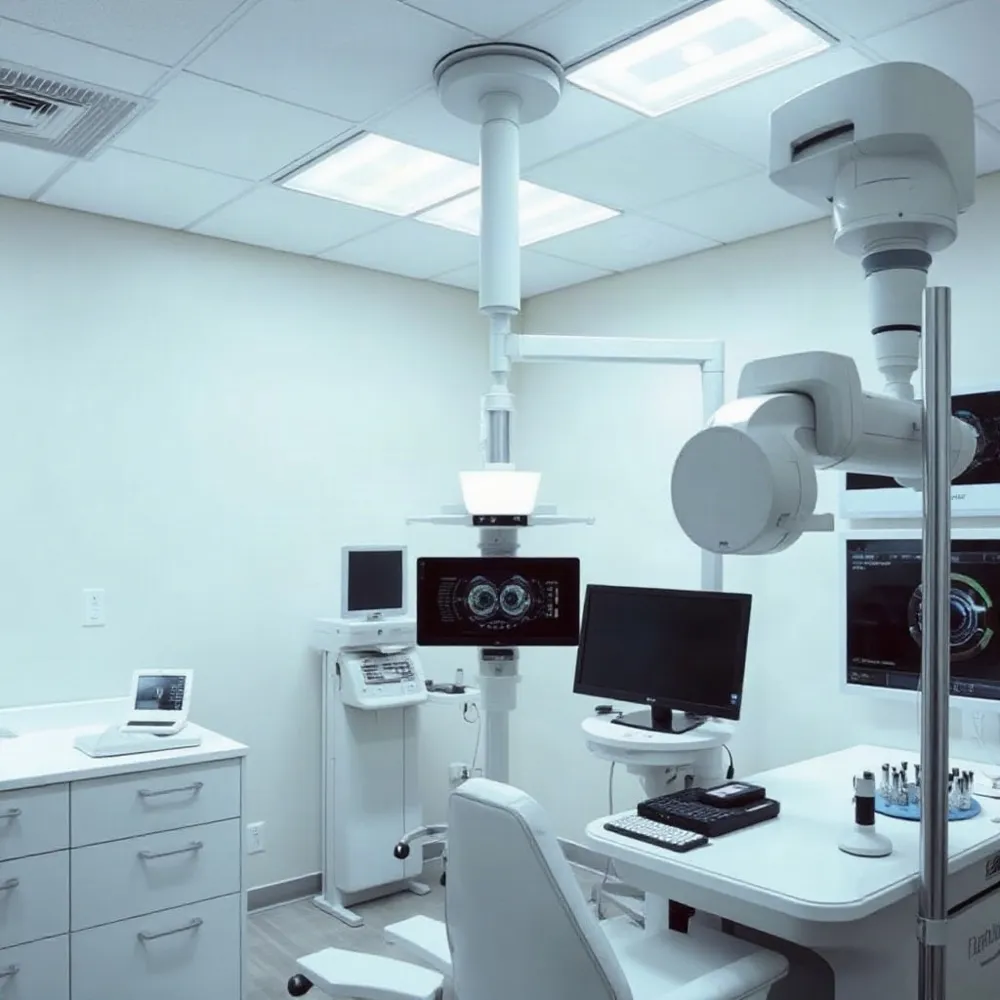 Contact lenses come in several materials and designs, and the right choice depends on your prescription, eye health, comfort, and routine. The American Optometric Association advises choosing lenses with a qualified eye care professional because fitting requires an examination and follow-up care (types of contact lenses). At Apple Eye Care, optometry services include personalized attention and advanced diagnostics, which can help inform care for individual eye needs.
Soft lenses are flexible and often comfortable. Silicone hydrogel is one soft-lens material that allows more oxygen to reach the cornea. Rigid gas-permeable (RGP) lenses hold their shape and may provide crisp vision for people with certain prescriptions or irregular corneas. Hybrid lenses pair a rigid center with a soft outer portion, while scleral lenses extend over the cornea and rest on the white of the eye. Keratoconus options vary with corneal shape and severity, so an eye care professional may consider different soft, toric, corneal GP, or scleral designs.
How do daily and monthly lenses differ?
Daily disposable lenses are worn once and discarded, so they do not need cleaning or storage. They may suit occasional wearers or anyone seeking a simpler routine. Monthly lenses are reused according to their prescribed schedule and require cleaning and storage in fresh contact lens solution. They may suit frequent wearers, depending on eye health, budget, and care habits. Apple Eye Care’s comprehensive optometry services include evaluation of eye health and vision, helping the optometrist discuss which schedule may fit a patient’s needs.
Toric lenses are designed to correct astigmatism and must sit in a stable orientation for clear vision, making precise fitting important. Multifocal lenses contain different prescription zones for near and distance vision and may help people with presbyopia, the age-related difficulty focusing up close. Colored and decorative lenses also require a valid prescription and professional fitting in the United States, even when they do not correct vision. Avoid sellers that offer lenses without requiring a prescription; an optometrist can check fit and explain safe wear and care.
How Fitting Personalizes Lens Choice
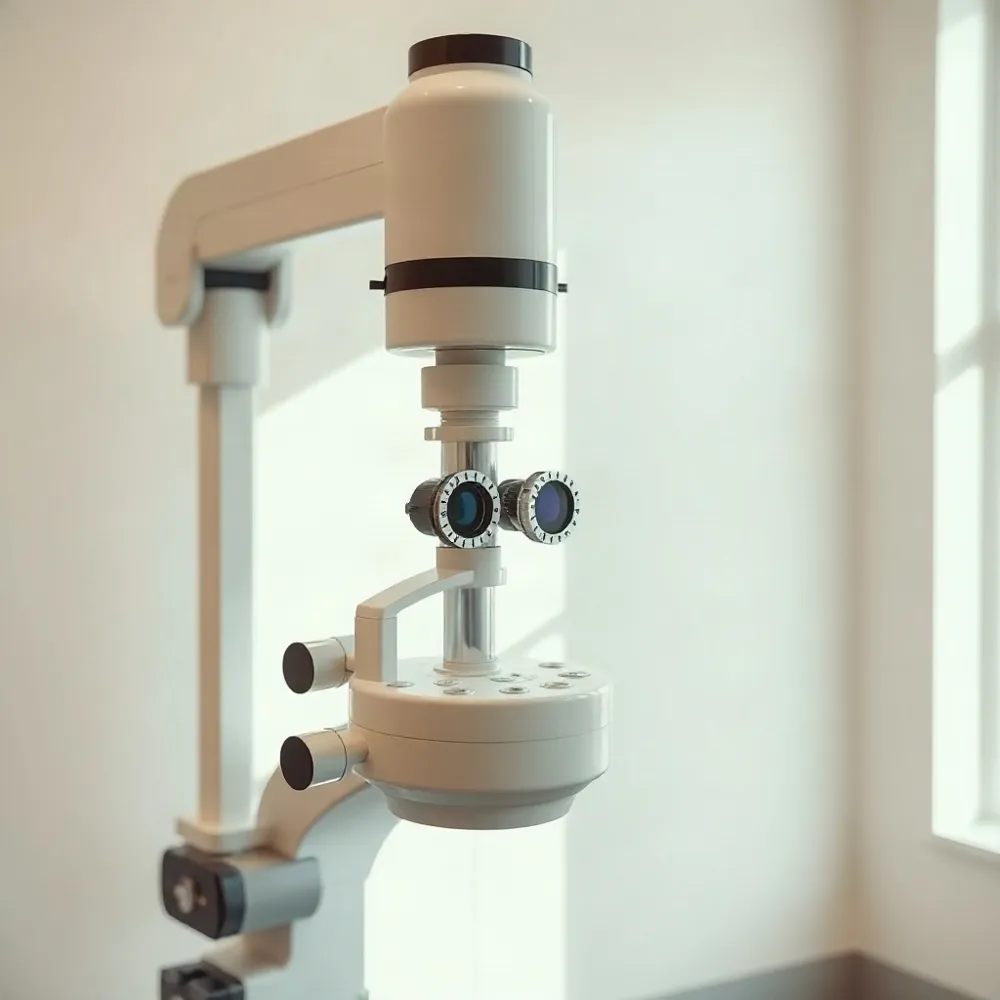 The right contact lens is chosen for your eyes and routine, not simply by brand or a general recommendation. Prescription, eye health, corneal shape, tear-film quality, comfort preferences, and lifestyle all affect which lenses may suit you. A contact lens fitting with a qualified eye-care professional helps match those factors to an appropriate option, as the American Optometric Association explains.
Before the appointment, consider how often you expect to wear lenses and tell the optometrist about dry-eye symptoms, allergies, screen use, work, sports, and any discomfort with contacts in the past. These details can help guide choices such as lens material and replacement schedule. At Apple Eye Care in El Paso, personalized optometric care can take those day-to-day needs into account alongside eye health.
The fitting may include prescription and vision testing, measurements of corneal curvature to help select the lens base curve, and checks of lens diameter. Pupil and iris size may be assessed when relevant, while tear-film quality and quantity can provide information about comfort. If the eye’s surface is irregular, corneal topography may help map its shape. These measurements support the clinician’s decision about which lenses to try.
With trial lenses in place, the clinician checks vision, comfort, centering, and movement as you blink. Speak up if you notice discomfort or blurry vision, since your feedback can help determine whether the fit or lens choice needs adjustment. A follow-up may be recommended to confirm how the lenses perform and make any needed changes.
New wearers can receive instruction on inserting, removing, and caring for their lenses. A contact lens prescription is written for lenses worn on the eye, so an eyeglass prescription is not a substitute. Fittings commonly take about 30 to 60 minutes, though the time varies with individual needs, additional lens trials, and instruction.
Fitting and Eye Exam Are Different
How is a contact lens fitting different from a comprehensive eye exam?
A comprehensive eye exam checks overall vision and eye health, including screening for conditions such as glaucoma and determining a glasses prescription when needed. A contact lens fitting adds lens-specific measurements and checks how a trial lens sits and moves on the eye. The optometrist uses these findings to select a suitable lens and contact lens prescription. Both services may happen at one appointment, but a fitting does not replace a comprehensive exam. The American Optometric Association’s guide to contact lens types explains that professional examination and follow-up are part of safe lens wear.
Is it normal to have your eyes dilated during a contact lens fitting?
Dilation is usually not needed just to fit contacts. It may be included in the comprehensive exam if the clinician wants to examine the retina or other structures inside the eye. Dilating drops can cause temporary light sensitivity and blurry near vision. Ask whether dilation is planned, and whether sunglasses or a ride would be helpful.
Do I need a contact lens fitting if I already wear contacts?
Yes. Prescription, corneal shape, tear film, and comfort can change over time, so existing wearers also benefit from regular evaluations. At Apple Eye Care, comprehensive optometry services and advanced diagnostics, including DRI OCT Triton, support assessment of eye health alongside personalized vision care. Arrange an evaluation sooner if you notice blurry vision, redness, irritation, or less comfortable wearing time. An optometrist can check lens fit and update recommendations.
Safe Wear, Practical Choices, and Cost
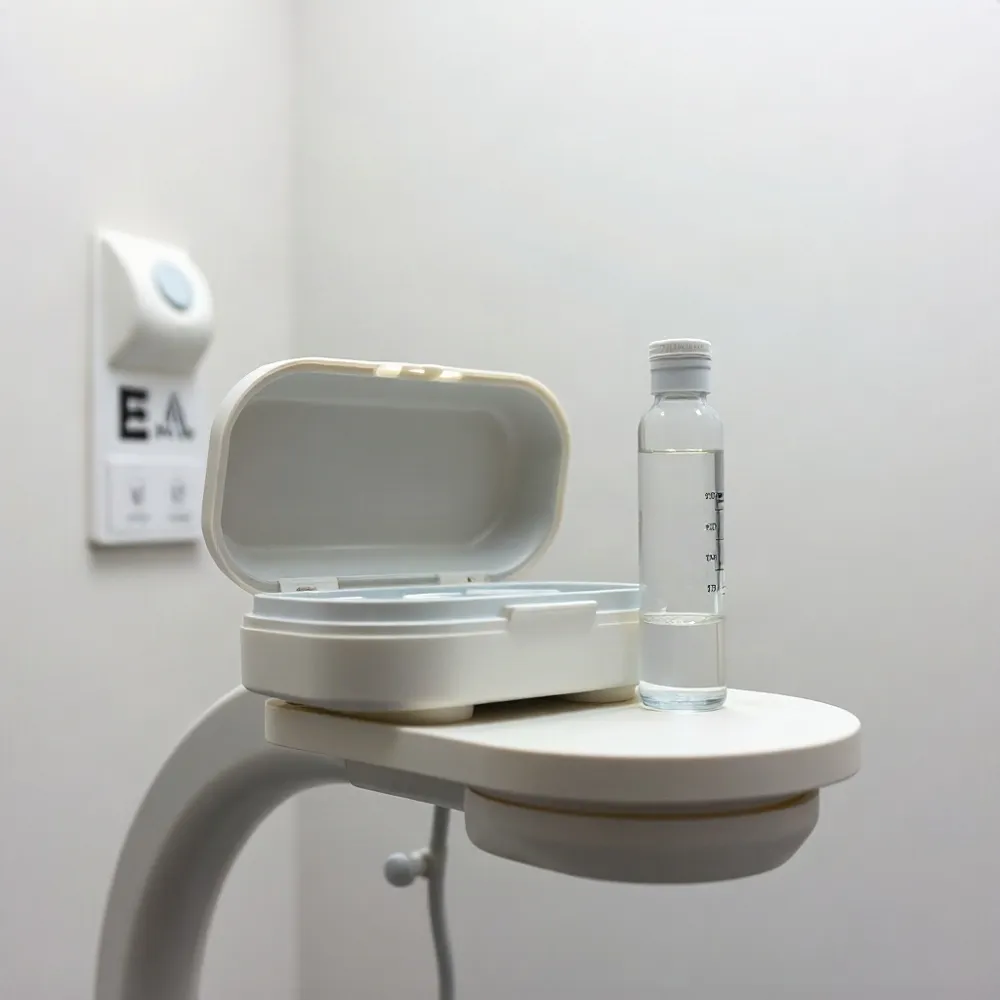 Glasses and contact lenses can both provide effective vision correction when properly prescribed and used. Neither is universally healthier: glasses do not touch the eyes, so they generally carry a lower risk of eye infection, while contact lenses need careful hygiene and timely replacement. Many people wear contacts for sports or other activities and glasses at other times.
Contact lenses are medical devices, and safe wear depends on following professional instructions and attending follow-up care, as the American Optometric Association explains. Do not sleep in lenses unless your optometrist has specifically approved them for overnight wear. If you are unsure which habits fit your lenses, ask an optometrist, including the team at Apple Eye Care, whose optometry services include personalized care in El Paso.
How much does a contact lens fitting typically cost?
A fitting may cost about $50 to $150 in addition to a comprehensive eye exam, but fees vary widely by provider and complexity. Specialty lenses may require extra measurements, trial lenses, or follow-up visits. Insurance coverage varies, and lens purchases and care supplies are generally separate costs. Contact Apple Eye Care for current practice pricing based on your prescription and fitting needs.
Are the “3-1-1” and “4-to-1” rules established guidelines for contact lens wear?
No. “3-1-1” refers to the TSA limit for liquids in carry-on bags, not a contact lens wearing schedule. Contacts are not liquids, but solution, saline, and rewetting drops are subject to the rule; larger medically necessary liquids may be allowed if declared at screening. “4-to-1” is not a generally established contact lens guideline.
Follow the wear and replacement schedule for your specific lenses, and use approved care products for reusable lenses. When the instructions or travel rules are unclear, check with your optometrist rather than relying on a shorthand rule.
Make the Choice With Your Optometrist
Online guides can help you learn about lens types, but they cannot determine whether a lens suits your eyes. Contact lenses are medical devices, and choosing them requires professional assessment and follow-up, as the American Optometric Association explains.
At Apple Eye Care in El Paso, an optometrist can consider your eye health and vision needs as part of personalized care. Share your goals, comfort concerns, work habits, and activities, then ask what lens choices and care routine fit your situation.
Follow the prescribed wearing, cleaning, and replacement instructions, and attend recommended follow-up visits. If a lens causes pain, persistent discomfort, or blurred vision, remove it and contact your eye-care professional.