Understanding Glaucoma and the Necessity of Proactive Eye Care
Glaucoma represents a group of progressive eye conditions characterized by damage to the optic nerve. This nerve serves as the essential link between your eye and the brain, and its degradation can lead to permanent vision loss if left unchecked.
Often referred to as the silent thief of sight, the condition is notoriously asymptomatic in its early stages. Many individuals remain unaware of the disease according to the CDC until irreversible damage occurs. Because there is no cure, recognizing the value of consistent monitoring is essential for preserving your long-term independence.
Proactive management is the cornerstone of protecting your vision. At Apple Eye Care, we utilize advanced diagnostics like the DRI OCT Triton to identify early structural changes before they evolve into vision-limiting defects. By fostering a consistent relationship with our team, you gain access to a customized strategy that monitors your eye health with precision and care, ensuring that potential issues are addressed long before they compromise your sight.
The Vital Role of Comprehensive Eye Examinations
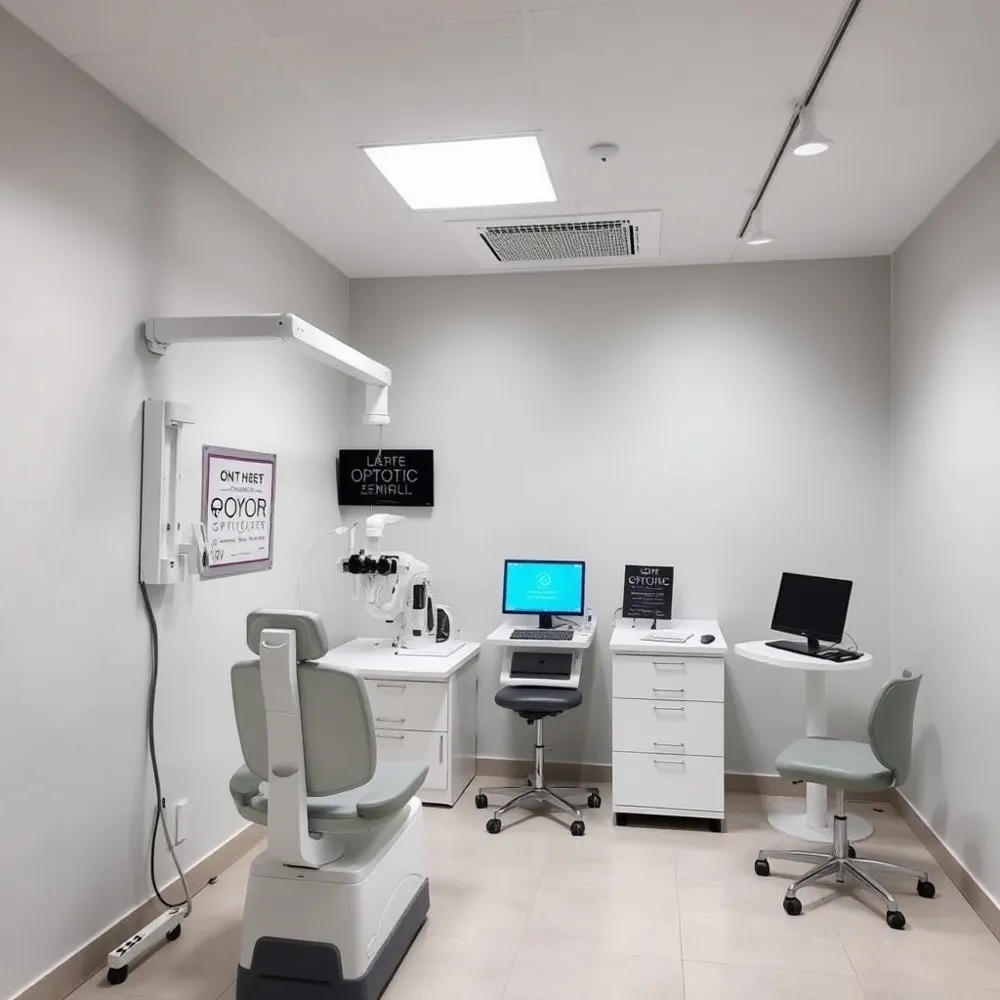 Regular eye exams are essential because they provide a window into your overall health, allowing optometrists to detect conditions like high blood pressure, diabetes, and even certain cancers before you notice symptoms. Many serious eye diseases, such as glaucoma, are known as the silent thief of sight because they often progress without warning until significant, permanent damage has occurred, per the CDC. Having 20/20 vision does not guarantee that your eyes are healthy, as tests must evaluate the optic nerve, retina, and internal blood vessels that are otherwise invisible to you.
Why are regular eye examinations so important?
A standard vision screening is not enough to identify glaucoma, which requires specialized diagnostic procedures like tonometry and Optical Coherence Tomography (OCT). At Apple Eye Care, we use high-resolution imaging to reveal early structural damage that standard vision tests routinely miss. By assessing the vasculature within your eyes, your doctor can gain valuable insights into the health of your heart, kidneys, and central nervous system.
What diseases can be detected during a comprehensive eye exam?
A comprehensive eye exam does much more than update your vision prescription. During an examination, Dr. Stephen Applebaum can detect early signs of serious eye conditions such as cataracts, glaucoma, macular degeneration, and diabetic retinopathy. Furthermore, the detailed inspection of the blood vessels, retina, and optic nerve can reveal indicators of systemic health issues. Chronic conditions, including diabetes and high blood pressure, often show their first subtle warning signs within the structures of the eye.
- Adults under 40: Every 5 to 10 years.
- Adults 40 to 54: Every 2 to 4 years.
- Adults 55 to 64: Every 1 to 3 years.
- Adults 65 and older: Every 1 to 2 years.
- High-risk individuals: Every 6 to 12 months as recommended by an eye care professional.
Defining the Condition: Myths and Realities of Glaucoma
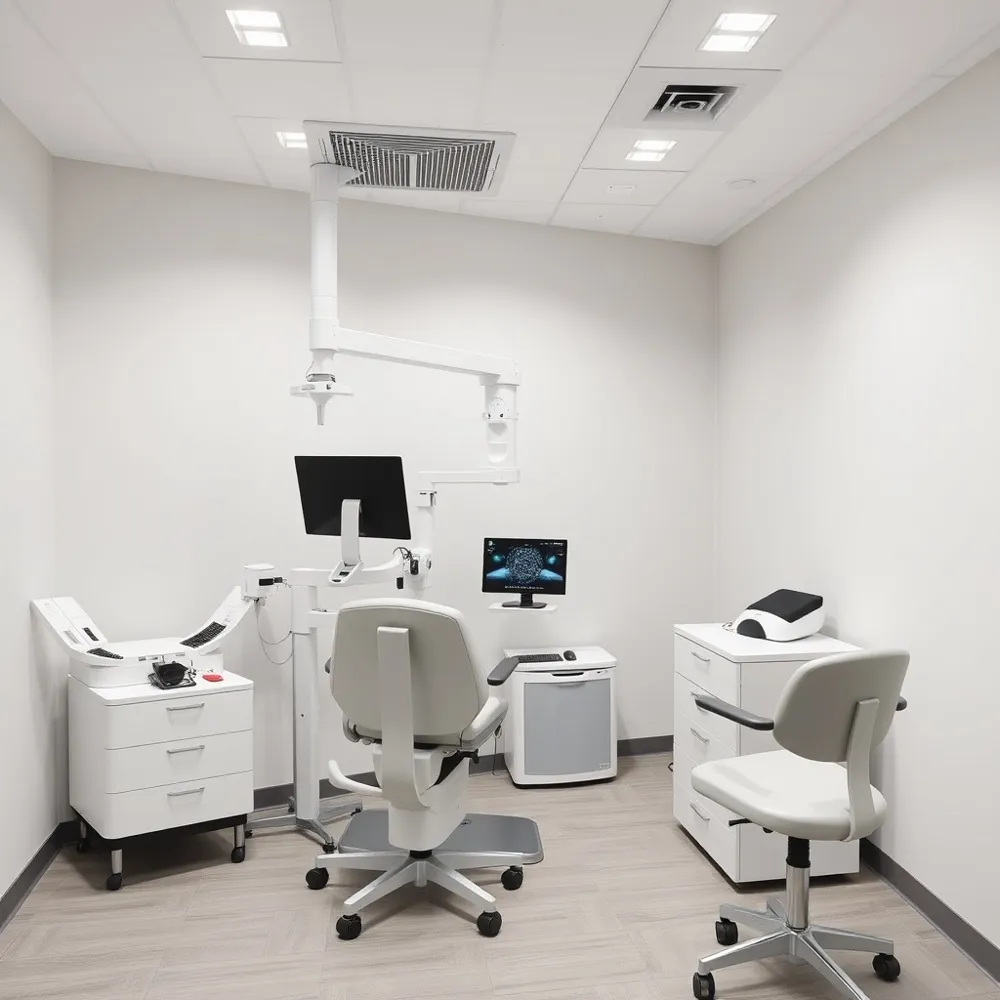 A common point of confusion for many patients is the nature of glaucoma. It is not a form of cancer, nor is it a tumor. Instead, it represents a group of progressive eye conditions that damage the optic nerve. Because the optic nerve functions as the vital connection between the eye and the brain, this damage impacts the ability to transmit visual information effectively.
What causes glaucoma and is it a form of cancer?
Glaucoma is not a form of cancer; it is a serious group of eye conditions that damage the optic nerve, which is vital for good vision. This damage is typically caused by abnormally high pressure within the eye, although it can occur even with normal pressure levels. While researchers are still studying all the contributing factors, the condition is often associated with genetics, age, and underlying health issues like hypertension or diabetes. Because glaucoma often has no obvious symptoms in its early stages, it is frequently referred to as the silent thief of sight. Early detection through regular comprehensive eye exams at Apple Eye Care is essential, as while there is no cure, various treatments can help manage the condition and prevent further vision loss.
The mechanics behind the disease usually involve the drainage system of the eye. Fluid must drain properly to maintain stable intraocular pressure. When the eye's drainage angle is hindered, pressure builds up, which puts significant strain on the delicate structures of the eye.
Risk is not distributed uniformly across the population. Age is a major factor, with increased risk often appearing in adults over 40 and even more so for those over 60. Ethnicity also plays a role in susceptibility. For instance, Black individuals are at a higher risk for primary open-angle glaucoma, whereas individuals of Asian or Inuit descent face a higher risk for angle-closure glaucoma.
Recognizing Symptoms and Diagnostic Procedures
Distinguishing between chronic and emergency forms of the disease is vital for patient safety. Most people experience primary open-angle glaucoma, which acts as a silent thief of vision with no early warning signs. In contrast, acute angle-closure glaucoma is a medical emergency requiring immediate intervention. If you experience sudden, severe eye pain, nausea, vomiting, or notice halos around lights, you must seek urgent care, as these symptoms can signal a rapid and dangerous pressure spike.
What are the common tests used to diagnose glaucoma?
Eye care professionals use a battery of non-invasive tools to evaluate eye health before permanent damage sets in. Standard diagnostics include tonometry to measure intraocular pressure and gonioscopy to inspect the eye's drainage angle. To monitor optic nerve integrity, clinicians rely on Optical Coherence Tomography (OCT), a high-resolution imaging technology. At Apple Eye Care, we utilize the DRI OCT Triton to capture detailed retinal scans, allowing us to identify subtle structural changes that often escape detection in standard visual field tests or perimetry.
What are the common symptoms that serve as the first sign of glaucoma?
Because the most prevalent form of the condition is painless, many individuals remain unaware of their risk until vision loss is advanced. According to the CDC, approximately 50% of people with the condition do not know they have it. Detecting the disease during the preperimetric stage, where structural nerve fibers show damage before peripheral vision fades, is the key to preserving your sight. Early indicators identified by specialists include localized thinning of the retinal nerve fiber layer, a process Ophthalmology Times notes can precede visual field defects by several years. Regular screenings at Apple Eye Care ensure we catch these indicators when they are most manageable.
Treatment Strategies for Long-Term Management
Managing glaucoma is a lifelong process because, while glaucoma cannot be cured and existing vision loss is irreversible, you can prevent further damage through consistent care. The primary clinical objective is to lower intraocular pressure, which reduces stress on the optic nerve. At Apple Eye Care, our approach focuses on maintaining this pressure within a safe range, often by integrating prescription eye drops, oral medications, or advanced laser therapies such as Selective Laser Trabeculoplasty (SLT).
For patients requiring more significant intervention, surgical options like Minimally Invasive Glaucoma Surgery (MIGS) offer a path to improved fluid drainage with generally faster recovery times than traditional methods. These procedures help ensure that fluid does not build up, a key factor in stabilizing your vision. We prioritize these modern, less invasive solutions because they are highly effective at slowing disease progression.
Can glaucoma be cured, and what is the best approach to stop it from worsening?
There is currently no cure for glaucoma, and any vision loss that has already occurred cannot be reversed. However, you can effectively stop the disease from worsening by strictly adhering to a personalized treatment plan designed to lower your intraocular pressure. This management often involves the consistent use of prescription eye drops, oral medications, or advanced laser therapies such as Selective Laser Trabeculoplasty (SLT). In some cases, surgical interventions, including minimally invasive glaucoma surgery (MIGS), may be recommended to improve fluid drainage and protect your optic nerve. The best approach is to attend all follow-up appointments at Apple Eye Care, where we utilize modern technology to monitor your progress and adjust your therapy as needed.
Ensuring the efficacy of your eye drops
Because medication adherence is the single most important action to prevent vision change, proper application technique is essential. To maximize the effectiveness of your drops, ensure the tip of the bottle does not touch your eye surface. After applying the drop, close your eyes for one to two minutes or press lightly on the inner corner of the eye near the nose; this reduces systemic absorption into your bloodstream. If your treatment plan includes multiple types of drops, wait at least five minutes between each application to ensure the medicine remains effective.
Lifestyle Modifications to Support Eye Health
 While medical treatment remains the cornerstone of glaucoma management, incorporating healthy lifestyle habits can significantly support your overall eye health. Consistency in taking prescribed eye drops and attending regular monitoring appointments is essential for maintaining intraocular pressure. Patients can further support their optic nerve health by staying physically active with moderate exercise and maintaining a balanced, nutritious diet. It is also important to carefully manage underlying health conditions, such as diabetes and high blood pressure, which are linked to glaucoma progression. By combining these proactive daily choices with professional care from our team at Apple Eye Care, you can better protect your long-term vision.
Enhancing medication adherence and daily safety
Strict adherence to your medication regimen is the most critical step in preserving your visual field. Because eye drops are often asymptomatic, it is easy to miss a dose. Technology offers a practical solution, and many patients find success using mobile phone alarms or digital pill organizers to build consistent habits. If you visit our practice in El Paso, we can help you integrate these routines into your daily schedule to ensure you remain on track.
Adjusting your environment can also prevent accidents caused by peripheral vision loss. To create a safer home, use bright, contrasting tape to mark table edges or uneven flooring. If one eye has sustained more damage than the other, consider protective eyewear during labor-intensive tasks like gardening to shield your healthy eye from injury. When choosing sunglasses, Optometrists recommend lenses that provide 100% UVA and UVB protection to guard against light-based eye damage.
- Include antioxidant-rich foods like leafy greens, berries, and fish in your meals.
- Engage in moderate aerobic activities like walking or cycling, as these promote blood flow to the optic nerve.
- Avoid head-down positions or heavy weightlifting, as these can temporarily elevate intraocular pressure.
- Limit caffeine intake, as excessive consumption may potentially increase eye pressure in some individuals.
The Importance of Consistent Screening
Regular glaucoma screenings are essential for early detection, allowing for timely intervention and management to preserve your vision. With no current cure for glaucoma, prevention and consistent monitoring are your best defense against the disease. Since the condition is frequently asymptomatic, professional diagnostic tools at Apple Eye Care like Optical Coherence Tomography allow us to identify structural changes years before you might notice symptoms, a benefit not offered by basic, non-specialized vision screenings.
Building a partnership for your eye health
Effective management of chronic eye issues relies on a collaborative relationship with your care team. At Apple Eye Care, we focus on longitudinal monitoring, which is more predictive of future health than isolated tests. By maintaining a trusting, communicative bond with your optometrist, you ensure that your treatment plan evolves alongside your specific diagnostic data, creating a proactive framework that prioritizes the longevity of your sight.
Taking Control of Your Visual Future
Prioritizing your ocular health is one of the most effective ways to maintain your long-term independence. While glaucoma is a progressive condition, it does not mean your vision is destined to fade. At Apple Eye Care, we combine a compassionate, family-focused approach with advanced diagnostic technology like the DRI OCT Triton to catch subtle structural changes long before they impact your daily life. Unlike generic screenings, our comprehensive care ensures that every patient receives personalized attention tailored to their unique risk factors.
Taking charge of your visual future begins with a single step. We invite you to contact us at www.appleeyecare.com to schedule your comprehensive dilated eye exam. Ongoing regular eye exams are the gold standard for early detection, providing the best opportunity to intervene and preserve your sight for decades to come. Do not wait for symptoms to appear; let our team help you safeguard the clarity and quality of your vision today.