Understanding the Importance of Pediatric Eye Health
Amblyopia, commonly referred to as lazy eye, is a developmental vision disorder where the brain favors one eye over the other. This misalignment or disparity in clarity causes the visual cortex to ignore signals from the weaker eye, which can lead to permanent vision loss if left untreated during the critical years of development. Because children often adapt to these deficits, they may not communicate symptoms, making professional evaluation vital for long-term health.
Early detection and intervention are essential, as the effectiveness of treatment decreases significantly after age 7, per Children's Hospital of Philadelphia data. While some clinics perform basic screenings, Apple Eye Care prioritizes long-term outcomes through comprehensive pediatric eye exams that include advanced diagnostics like the DRI OCT Triton. Unlike standard school screenings, these thorough assessments allow our team to identify refractive errors or structural issues early, ensuring children receive the specialized care needed to support both their visual development and academic performance.
Recognizing Amblyopia and Its Underlying Causes
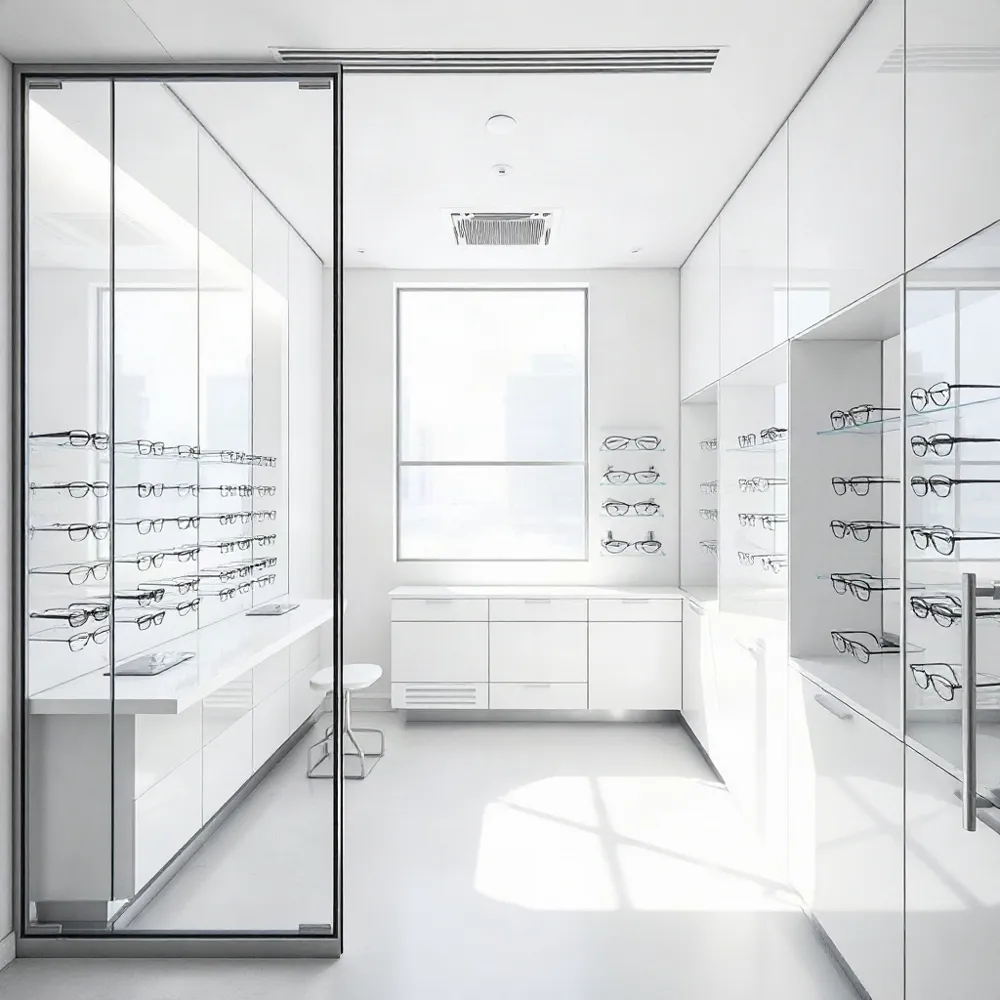 At Apple Eye Care, we often help families identify the developmental roots of amblyopia, or lazy eye. This condition occurs when the neural pathway between the eye and the brain fails to develop correctly, leading the brain to favor one eye while suppressing the other. Because this often emerges during the critical period of visual growth from birth until age 7, as noted by the Mayo Clinic, early professional evaluation is vital to prevent permanent vision loss.
What is the difference between strabismus and amblyopia?
While parents often confuse these terms, they describe distinct issues. Strabismus refers to a physical misalignment where eyes point in different directions. In contrast, amblyopia is a developmental deficit where one eye fails to reach full sharpness even with glasses. These conditions frequently overlap, as the brain may disregard input from a misaligned eye to avoid double vision, which in turn causes the eye to become amblyopic, per AAFP data.
What are the primary risk factors for lazy eye?
Identifying risk factors early allows for better clinical outcomes. Children with a family history of vision issues, those born prematurely, or infants with low birth weight face a higher likelihood of developing these developmental delays. Significant differences in refractive power between eyes, known as anisometropia, also serve as a common trigger.
The Timeline for Vision Screenings and Comprehensive Exams
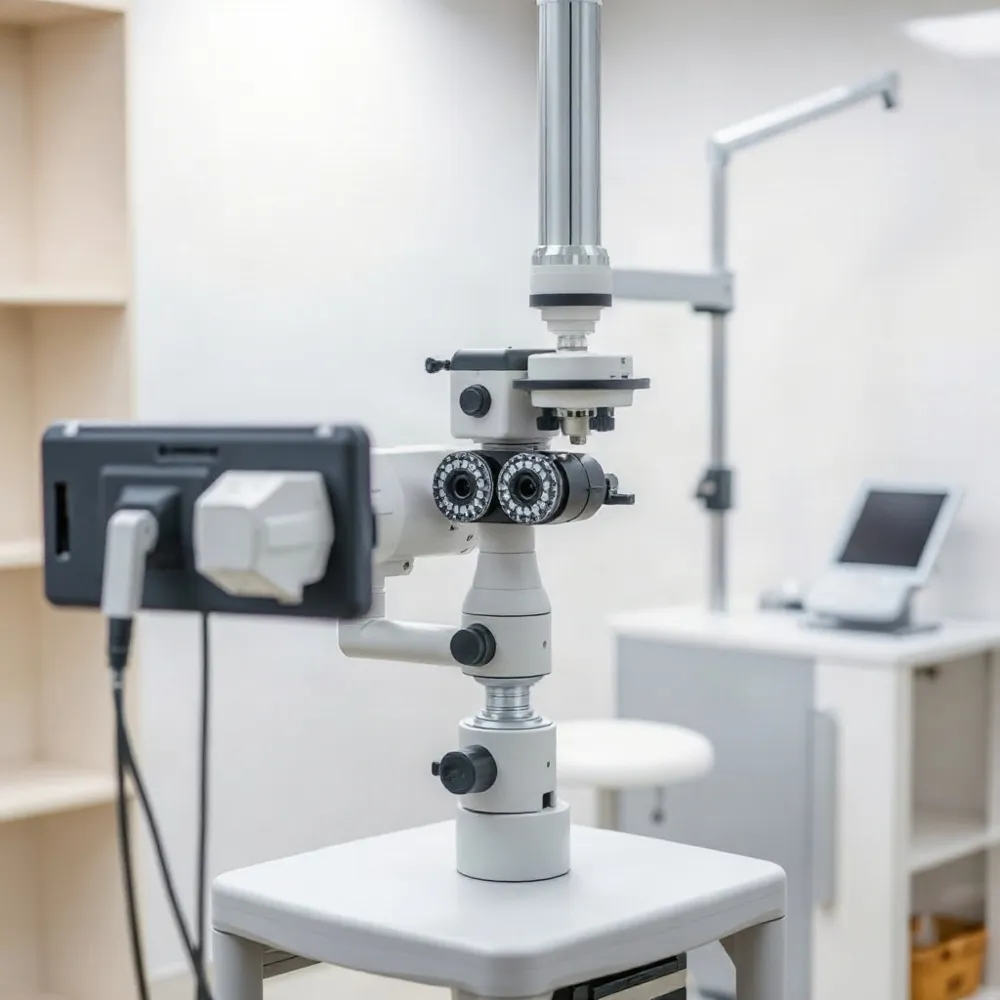 Monitoring a child's visual health requires a structured approach because the visual system does not reach full maturity until the teenage years per the American Academy of Ophthalmology. Establishing a baseline early allows specialists like those at Apple Eye Care to identify developmental hurdles before they cause permanent impairment. While routine screenings serve as valuable snapshots, they remain preliminary checks rather than exhaustive diagnostic procedures.
What are the recommended guidelines for pediatric vision screenings and eye exams?
The American Academy of Pediatrics and the American Association for Pediatric Ophthalmology and Strabismus recommend a consistent schedule to track visual maturation. Newborns typically receive a basic red reflex test, followed by eye health assessments at well-child visits between 6 and 12 months. Between 12 and 36 months, practitioners often utilize photoscreening to detect risk factors for amblyopia. Once a child reaches ages 3 to 5, formal visual acuity testing becomes possible as they learn to identify symbols on an eye chart.
A standard screening acts as a filter, while a comprehensive eye exam provides the necessary confirmatory diagnosis. Apple Eye Care differentiates these by performing thorough evaluations that include pupil dilation with medicated eye drops, a step not included in standard school screenings. This allows our team to inspect internal ocular structures, which is vital for diagnosing conditions like strabismus or refractive errors. If a child demonstrates signs such as frequent squinting, head tilting, or a wandering eye, an immediate comprehensive exam is necessary to protect their long-term vision health.
Advanced Diagnostic Techniques for Young Patients
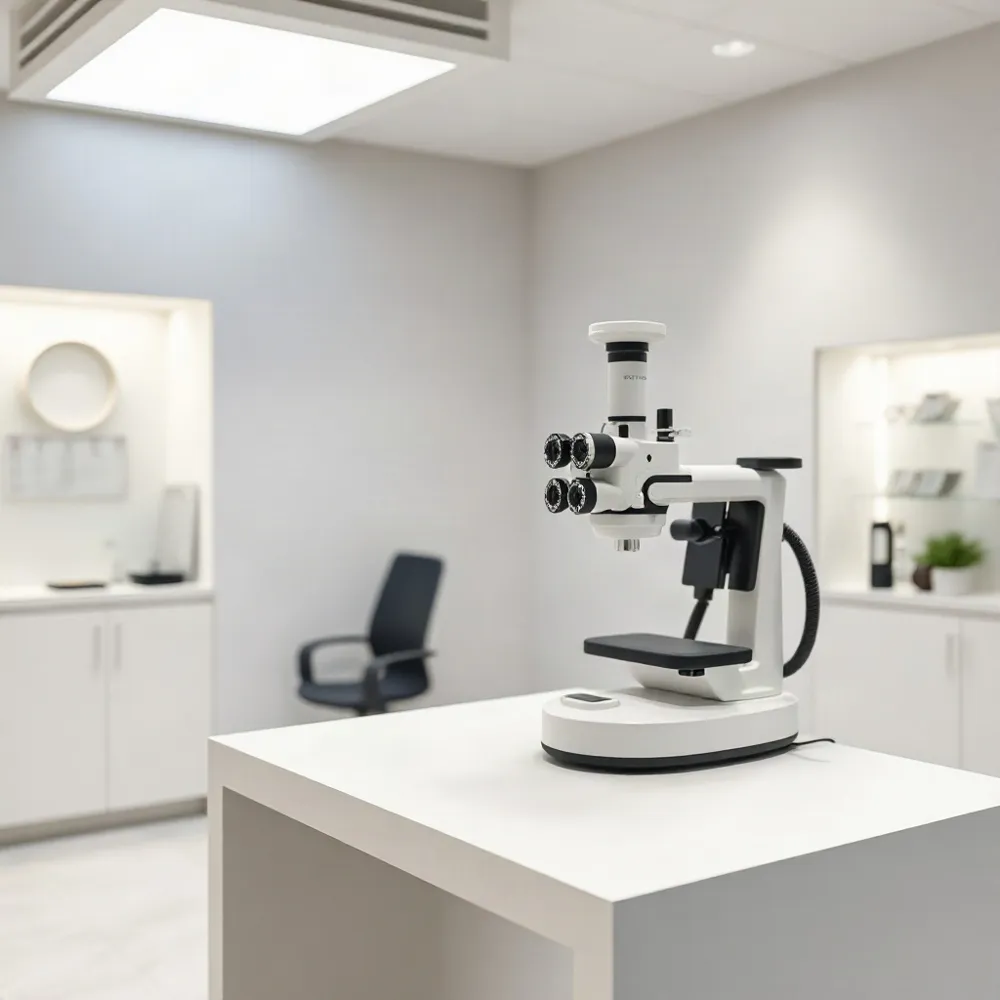 Evaluating vision in children who cannot yet communicate requires specialized, age-appropriate methods that go beyond standard clinical tests. At Apple Eye Care, our team utilizes instrument-based screening tools, such as photoscreeners, to capture images of the eyes. This non-invasive process identifies potential risk factors for amblyopia, such as refractive errors or eye misalignment, in children who are unable to participate in traditional visual acuity testing.
How do eye doctors test the vision of toddlers and young children?
For toddlers, providers often use preferential looking tests, where the child’s natural attraction to specific striped patterns helps measure visual acuity. As children begin to recognize shapes, we transition to child-friendly eye charts featuring familiar icons instead of letters. To ensure a stress-free environment, our office focuses on keeping children comfortable through the use of toys and parental support. Unlike generic school screenings, a comprehensive eye exam at our practice involves careful observation of pupil responses, tracking, and alignment to catch issues that basic checks might overlook.
How early can amblyopia be diagnosed in babies and young children?
Early detection is possible as soon as infancy, particularly during routine well-child visits. Given that the visual system maintains high plasticity during the first years of life, catching strabismus or anisometropia early is vital for effective intervention. While formal charts become more reliable as verbal skills develop, instrument-based methods allow for professional evaluation of pre-verbal children. Regular, structured exams are the most effective way to monitor development and prevent long-term visual impairment.
Effective Treatment Protocols and Parental Observation
What are the effective treatment options for amblyopia in children?
The primary objective for treating amblyopia is to force the brain to engage with the weaker eye by limiting input from the dominant one. Foundations for this process typically start with corrective glasses to resolve refractive errors. When patching is required, two hours of daily occlusion is often as effective as longer durations for moderate cases. Alternatively, atropine eye drops provide a non-invasive way to blur vision in the stronger eye. For more complex cases involving physical obstructions like congenital cataracts, surgery may be necessary to clear the visual axis.
What are the common signs of vision problems in children that parents should look for?
Identifying vision issues requires vigilant observation of subtle cues. You can utilize the RSVP method—Redness, Sensitivity to light, Vision change, and Pain—as a framework to track symptoms. Be mindful of behaviors like frequent squinting, closing one eye to focus, or tilting the head. If you notice these symptoms, bring your child to Apple Eye Care, where we use advanced diagnostics like DRI OCT Triton to evaluate eye health. Unlike general screenings, our comprehensive exams thoroughly assess binocular function, ensuring potential refractive amblyopia is caught early.
How can I prepare my child for an accurate eye exam?
Setting a positive tone starts at home. Explain that the doctor will use bright lights and unique lenses, much like playing a game with toys. At Apple Eye Care, our team prioritizes a compassionate environment to keep young patients relaxed. Schedule appointments when your child is well-rested, avoiding nap times, and consider bringing a favorite toy for comfort. A well-fed child is also less prone to irritability, which aids the examiner in obtaining precise measurements.
Beyond Vision: Systemic Benefits of Comprehensive Eye Exams
What health conditions can an optometrist detect during a comprehensive eye exam?
A comprehensive eye exam is a valuable tool for your overall health, as the eyes contain blood vessels, nerves, and tissues that reflect your body's systemic condition. During a dilated eye exam, your optometrist can identify early signs of chronic diseases like diabetes and high blood pressure, which often manifest in the retina before other symptoms appear. Furthermore, the exam can reveal indications of more serious health issues, including heart disease, stroke risk, certain cancers, and even neurological conditions like brain tumors. By directly observing blood vessels and the optic nerve, your eye doctor can provide critical, early detection of these conditions, often before they are diagnosed elsewhere. Ultimately, these regular screenings at Apple Eye Care serve as a vital preventative measure for both your vision and your long-term physical well-being.
Is it possible to treat amblyopia in adults, and how does it differ from childhood treatment?
While traditionally considered a condition treatable only during childhood, recent advancements have shown that improving vision in adults with amblyopia is possible. Unlike childhood treatment, which typically focuses on patching the stronger eye to force the brain to use the lazy eye, adult interventions increasingly utilize dichoptic therapy, a specialized form of brain-training software. This modern approach encourages both eyes to work together, aiming to improve visual acuity and stereopsis by retraining neural connections. Emerging research suggests potential future methods to reboot the visual system in adults by reverting brain activity to a more developmental state. If you are an adult concerned about amblyopia, please schedule a consultation at Apple Eye Care so we can evaluate your specific visual needs using our advanced diagnostic technology.
Regular follow-ups remain essential for maintaining these gains. Even after successful initial therapy, amblyopia carries a recurrence rate of 25% within one year of stopping treatment, per AAFP data. Consistent surveillance at Apple Eye Care ensures that your visual progress is protected and that your systemic health continues to be monitored through every stage of life.
Partnering with Apple Eye Care for Lifelong Vision
Prioritizing your child's eye health is a foundational step in their long-term development. Because amblyopia often shows few warning signs, early detection through a professional examination remains the most reliable method for preserving binocular vision. When left unmanaged, these conditions can lead to permanent impairment, but timely intervention during the critical developmental window often results in excellent outcomes.
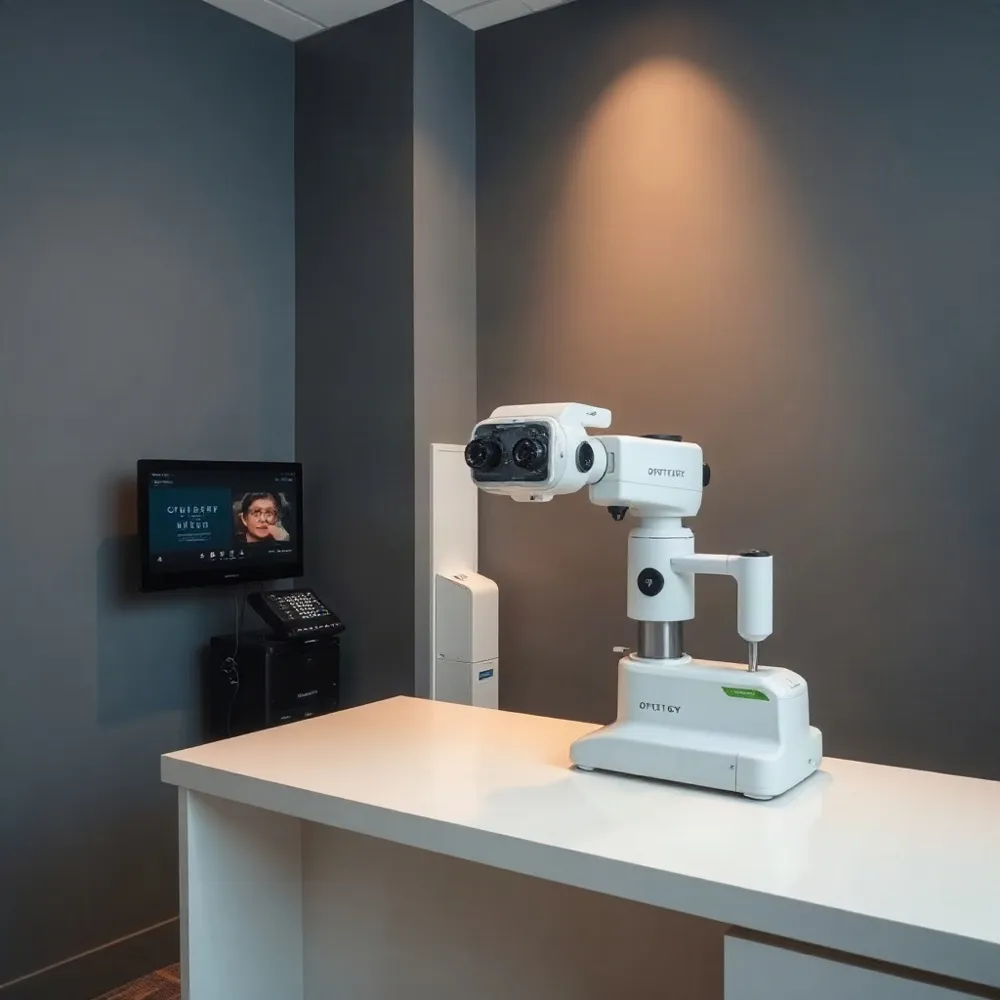
At Apple Eye Care, we combine specialized diagnostic expertise with a compassionate approach to support your family's needs. From utilizing the precise DRI OCT Triton for advanced imaging to providing personalized management plans for conditions like glaucoma or strabismus, our team ensures each young patient receives tailored care. We encourage parents to move beyond basic screenings and schedule a comprehensive evaluation to establish a clear baseline for visual development.
Taking action now protects your child's future potential. Please visit www.appleeyecare.com to book an appointment with our experienced clinical team today.