A Clearer View of Success
A page of text that blurs, eyes that tire during screen work, or the daily routine of cleaning and carrying glasses and contact lenses can make clear vision feel like a practical goal, not an abstract one. People consider vision correction for different reasons, from reading and work to driving or simply managing corrective lenses less often.
Success, though, is personal. Patient stories can show how vision concerns affect everyday life, but one person’s experience does not predict another’s result. Clinical guidance also stresses that outcomes vary and that surgery does not always remove the need for glasses or contacts. Apple Eye Care in El Paso offers eye exams and vision correction, alongside care for dry eye and other eye conditions, to help assess individual needs.
This guide looks at nonsurgical and surgical options, how an eye-care professional evaluates suitability, and what realistic expectations involve. A careful assessment considers the eyes, prescription, health, and daily visual demands before any treatment decision. Learn more about refractive surgery options and recovery, and discuss personal questions with an eye-care professional.
Correction Options Without and With Surgery
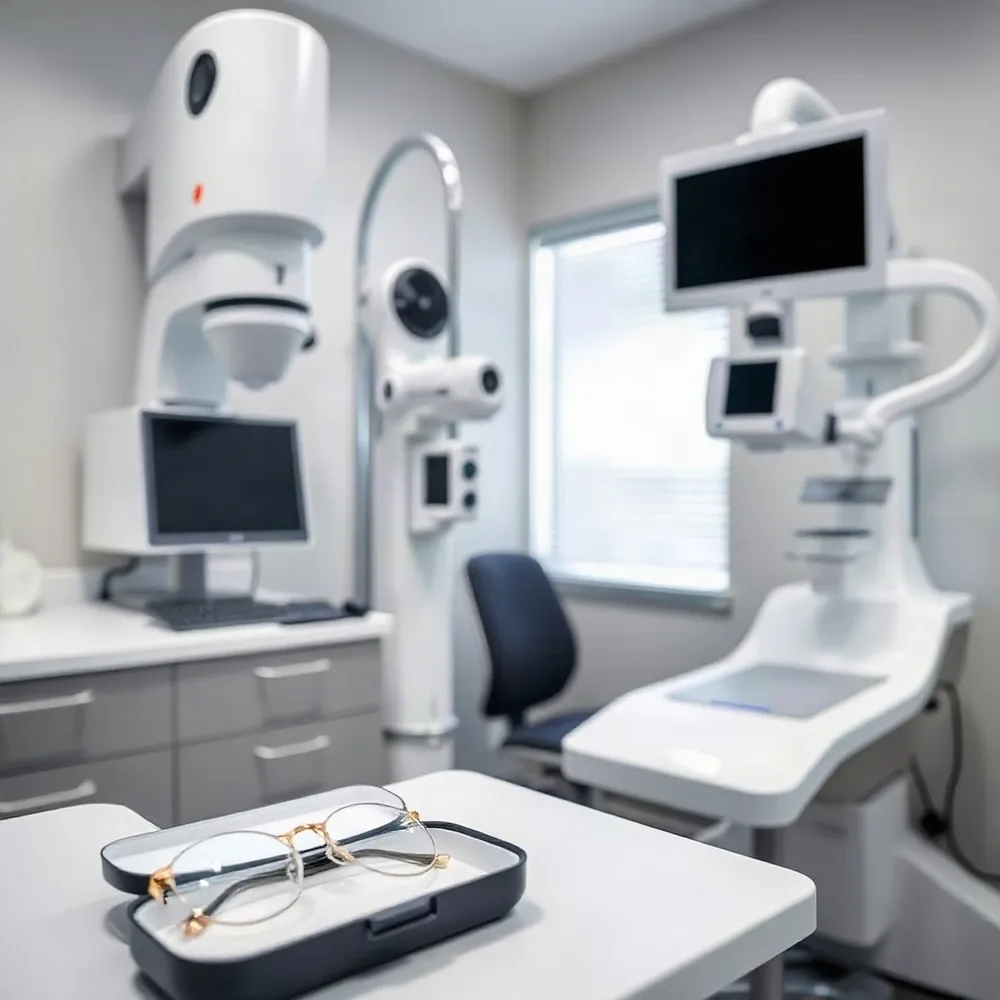
What are the main options for correcting refractive vision problems?
Prescription eyeglasses and contact lenses correct how light focuses without surgery. They can address nearsightedness, farsightedness, astigmatism, and presbyopia, the age-related difficulty focusing up close. An optometrist can determine a prescription, fit contact lenses, and explain how to wear and care for them safely. Children whose nearsightedness is progressing may also benefit from a personalized myopia-management plan.
Surgical options work in different ways. LASIK, PRK, and SMILE reshape the cornea, while an implantable lens works alongside the natural lens. Refractive lens exchange replaces the natural lens with an artificial one. These approaches vary, and refractive surgery options are not suitable for everyone.
How can eyesight be corrected without surgery?
The right choice depends on eye health, prescription, and visual goals. Surgery does not guarantee that someone will never need glasses or contacts; some people still use them for tasks such as reading or night driving, as the University of Pittsburgh’s refractive surgery guidance explains.
A comprehensive eye exam can identify the cause of blurry vision and help determine which options are appropriate. At Apple Eye Care in El Paso, eye exams and DRI OCT Triton diagnostics support evaluation of eye health, while personalized care helps put vision needs in context. Discuss your prescription, daily activities, and expectations with an eye-care professional before deciding on treatment.
How Doctors Match Care to Each Patient
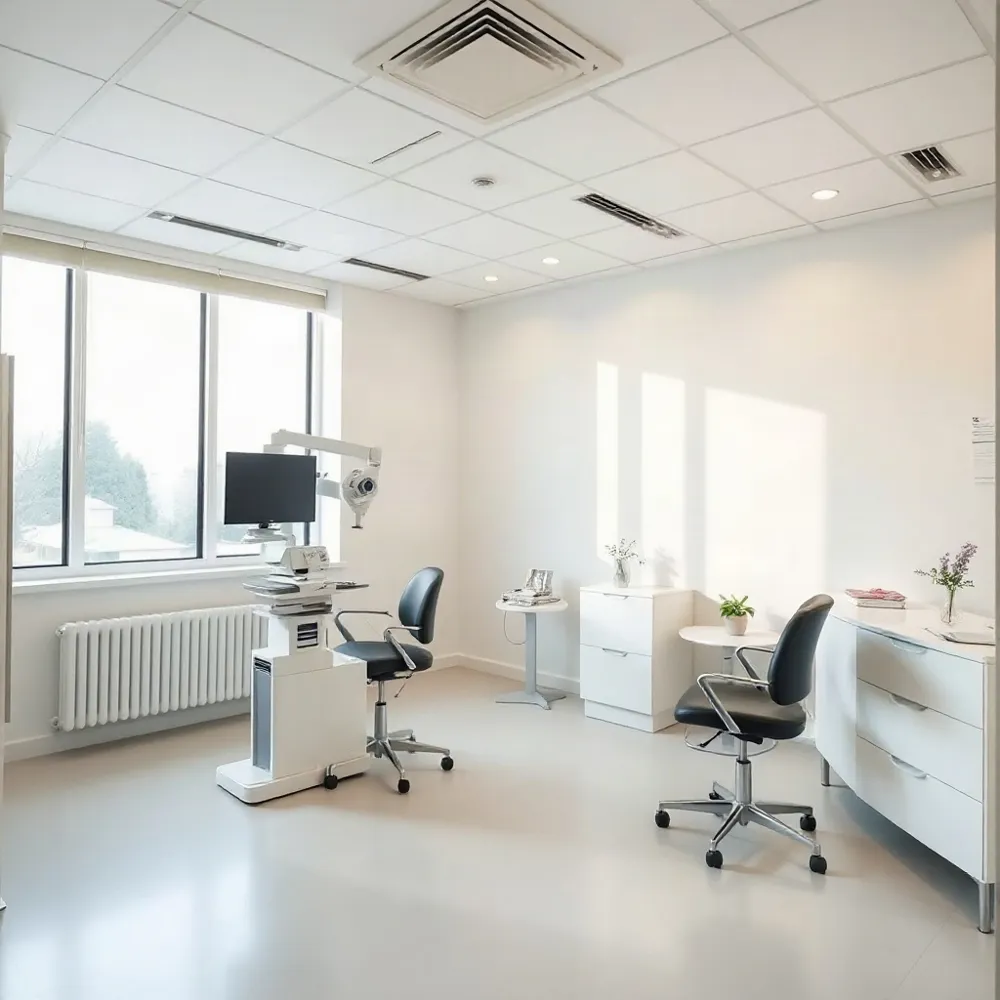 Choosing vision correction starts with understanding the person’s eyes and priorities, not selecting a procedure from a menu. An eye-care professional considers the prescription, how stable it has been, corneal shape and thickness, overall eye health, medical history, dry-eye symptoms, daily activities, and preferences about glasses, contact lenses, or surgery.
A comprehensive evaluation may include refraction, an eye-health examination, corneal measurements or mapping, and diagnostic imaging. At Apple Eye Care in El Paso, DRI OCT Triton imaging is part of the practice’s advanced diagnostic services, alongside personalized eye care. These findings help guide a recommendation, but do not by themselves establish that a particular surgery is suitable.
Surgical candidacy depends on whether the procedure is safe and appropriate for the individual. A prescription outside a procedure’s range, corneal concerns, dry eye, cataracts, or other eye or health conditions may change the options. An eye-care professional can explain when glasses, contact lenses, or another approach is more suitable. The Mayo Clinic’s LASIK guidance notes that evaluation includes factors such as eye health, corneal condition, and vision stability.
Age is one consideration, not a stand-alone eligibility test. Candidates for LASIK are typically adults, and stable vision and healthy eyes matter; there is no universal upper age limit. Pregnancy, some medications, and health conditions that affect healing may also influence timing or suitability. As people get older, presbyopia can affect near vision, while cataracts may make a lens-based approach more relevant than corneal laser surgery.
Before deciding, discuss the potential benefits, limitations, risks, expected outcomes, and follow-up care with an eye-care professional. Refractive procedures differ, and even a suitable procedure may not remove the need for glasses in every situation. Apple Eye Care’s comprehensive optometry services also include dry-eye treatment and cataract management, which can inform a broader conversation about eye health and vision needs.
LASIK and Implantable Lens Differences
LASIK and an implantable collamer lens (ICL) correct vision in different ways. LASIK uses a laser to reshape the cornea, permanently changing its curvature. An ICL is placed inside the eye, between the iris and the natural lens, without removing corneal tissue. The University of Pittsburgh overview of refractive surgery describes these as distinct approaches with different suitability considerations.
An ICL may be considered for some people with high nearsightedness or thin corneas. The lens can be removed or replaced, but that does not make the procedure risk-free: it is surgery inside the eye and calls for follow-up monitoring. LASIK avoids placing a lens inside the eye, yet it can cause or worsen dry-eye symptoms. Recovery and suitability vary from person to person.
A careful assessment of prescription, corneal health, eye health, and visual goals helps determine whether either option is appropriate. Apple Eye Care provides eye exams and vision correction services in El Paso, with personalized care and advanced diagnostics including DRI OCT Triton. Its stated services do not confirm that it performs LASIK or ICL, so patients should ask their eye-care professional about locally available procedures and referrals.
Understanding LASIK Risks and Recovery
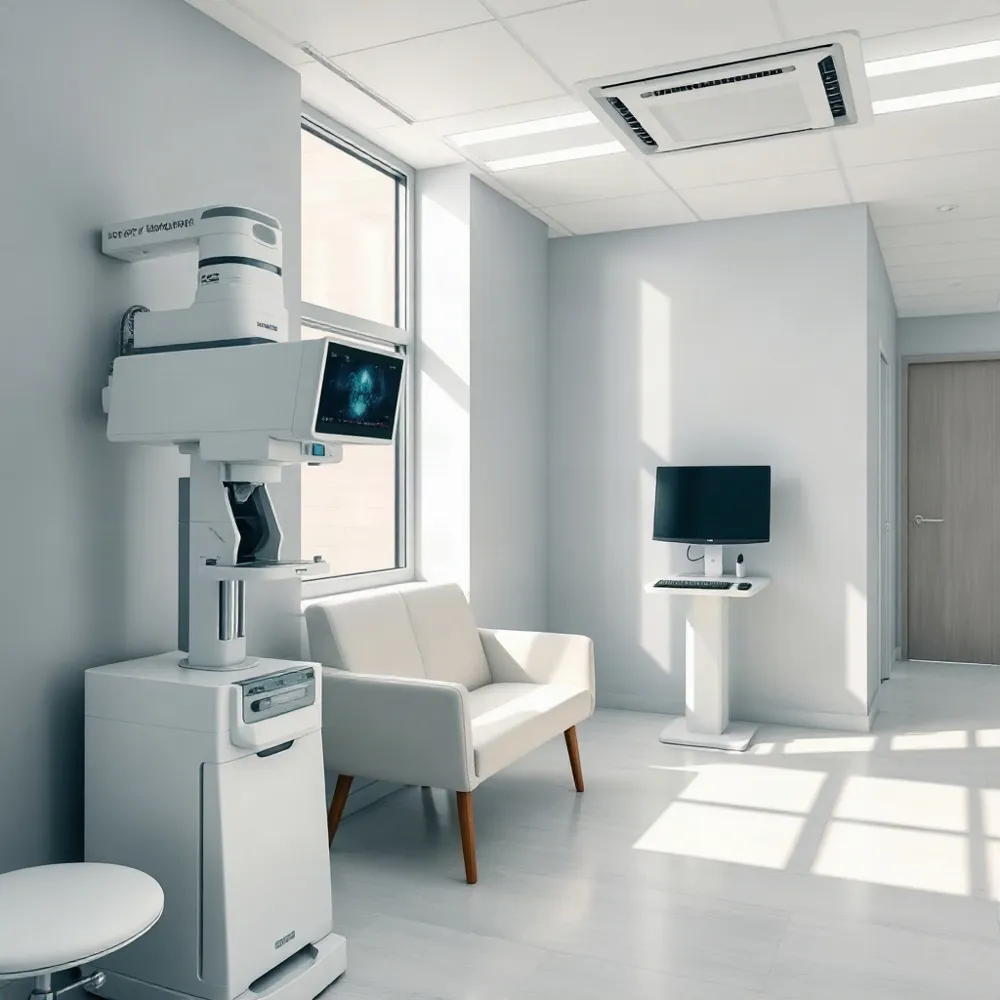 LASIK can reduce dependence on glasses or contact lenses, but healing and side effects vary. Common temporary symptoms include dry eyes, glare, halos around lights, light sensitivity, and difficulty seeing at night. These often improve as the eyes heal, although some may last longer. Mayo Clinic’s overview of LASIK risks explains that dry eyes are a frequent side effect and may need treatment.
Less common outcomes include blurry or fluctuating vision, undercorrection, or overcorrection. Some people may need further treatment, but whether another procedure is appropriate depends on eye health and other factors. Rare concerns include problems with the corneal flap, infection, inflammation, or corneal weakening. Serious sight-threatening complications are uncommon, but no surgery is risk-free.
Before deciding, ask an eye-care professional how your prescription, corneal condition, dry-eye symptoms, and overall health affect your personal risk. At Apple Eye Care in El Paso, an eye exam and advanced diagnostics such as DRI OCT Triton support assessment of eye health; a clinician can discuss care options without assuming LASIK is suitable.
After surgery, follow your clinician’s instructions about prescribed drops, eye protection, activity, and when it is safe to drive. Attend follow-up visits and contact your eye-care professional promptly if vision changes suddenly or symptoms persist or worsen. Recovery guidance varies by procedure and patient, so rely on your care team rather than another person’s timeline.
Considering Refractive Lens Exchange
Refractive lens exchange (RLE) removes the eye’s natural lens and replaces it with an artificial intraocular lens. Because the natural lens is removed, the procedure is permanent and the eye loses its ability to focus naturally. A thorough assessment helps determine whether the expected benefit is worth the risks for a particular person.
Possible complications include infection, bleeding, inflammation, increased eye pressure, inaccurate correction and, rarely, vision loss. Some people may still need glasses. Depending on the implant and individual response, glare, halos or reduced contrast can also affect vision, particularly at night. Cleveland Clinic’s overview of refractive surgery explains that lens procedures have distinct recovery and outcome considerations, and that procedure choice depends on the patient’s eyes.
Other concerns include posterior capsule opacification, clouding behind the artificial lens that may require laser treatment, and cystoid macular edema, swelling in the central retina. Retinal detachment is an important risk to discuss, especially for people who are very nearsighted. Laser treatment for capsule clouding may also raise this concern.
At Apple Eye Care in El Paso, eye exams and advanced diagnostics, including DRI OCT Triton, support assessment of eye health and individual vision needs. An evaluation can help clarify whether RLE’s potential benefits make sense in light of a patient’s prescription, retinal health and expectations. Mayo Clinic’s guidance on LASIK candidacy likewise emphasizes individualized review before elective vision correction.
Personal Stories Without Promised Results
People often describe success in everyday terms: reading with less effort, working comfortably, or managing routine tasks with greater confidence. Adult vision-therapy testimonials from other clinics include reports of fewer headaches or less strain while reading, as well as returning to activities such as shopping, studying, and driving. These are individual accounts, not Apple Eye Care patient stories or predictions of what another person will experience.
People who chose laser vision correction have also described practical motivations, including contact lenses that were difficult to manage during work or exercise, glasses that complicated travel or childcare, and a wish to rely less on corrective lenses. Such accounts can help readers identify questions to raise, but a testimonial cannot establish whether a procedure is suitable or what its result will be.
Clinical information also needs context. The Cleveland Clinic’s refractive surgery guide describes potential benefits and limits, including that some people still need glasses after surgery. General outcome figures in medical sources are not results from Apple Eye Care and cannot promise perfect vision. Recovery, side effects, and visual outcomes vary from person to person.
At Apple Eye Care in El Paso, an eye evaluation can include discussion of visual concerns and daily goals alongside eye health and available vision-correction care. Sharing what feels difficult, whether that is reading, screen work, driving, or managing glasses and contacts, helps the clinician consider appropriate next steps. The aim is a plan informed by your eyes and priorities, not a guaranteed outcome.
A Personal Definition of Clear Vision
Meaningful improvement is personal: it may mean reading comfortably, managing eye health, or relying less on glasses. The right goal depends on each person’s vision needs, health, and expectations, and no procedure can promise the same result for everyone.
A practical next step is a comprehensive eye exam. At Apple Eye Care in El Paso, eye exams and advanced diagnostic technology, including DRI OCT Triton, support discussions about vision and eye health. Ask an eye-care professional about suitable options, their risks, and realistic goals. Cleveland Clinic’s refractive surgery guide explains why evaluation and expectations matter.