Why Vision Care Matters for Children
A child's vision is deeply connected to their ability to learn, play, and develop social skills. Because children may not realize their vision is blurry or that one eye is compensating for the other, problems can go unnoticed without regular exams.
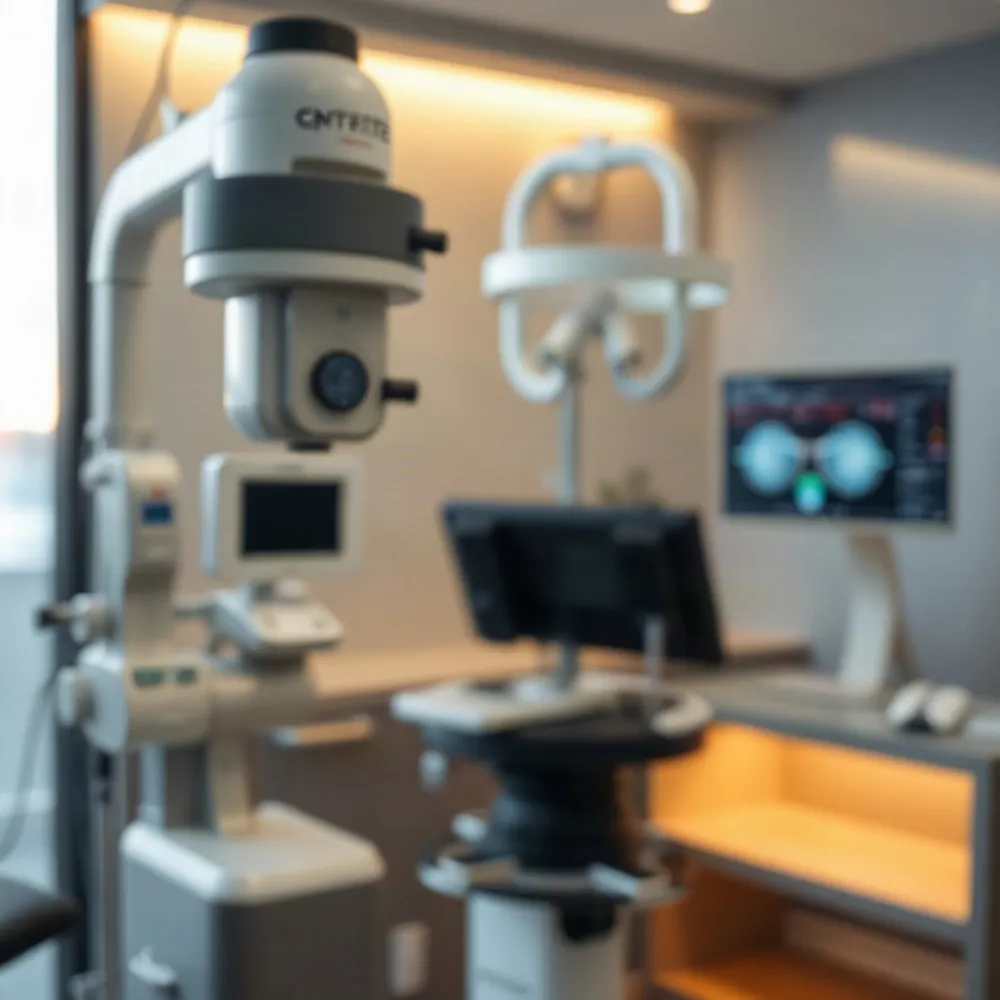
Early detection is critical. Conditions such as amblyopia (lazy eye) and strabismus (misaligned eyes) are most treatable before age 8, and catching them early can prevent lasting vision loss. At Apple Eye Care in El Paso, TX, Dr. Stephen Applebaum uses advanced diagnostic tools like the DRI OCT Triton to detect these issues during a child's first exam.
By establishing a relationship with a family-focused optometrist early, parents ensure their child's eyes have the best chance to develop properly, supporting both classroom success and lifelong well-being.
When to Start Eye Exams: A Timeline
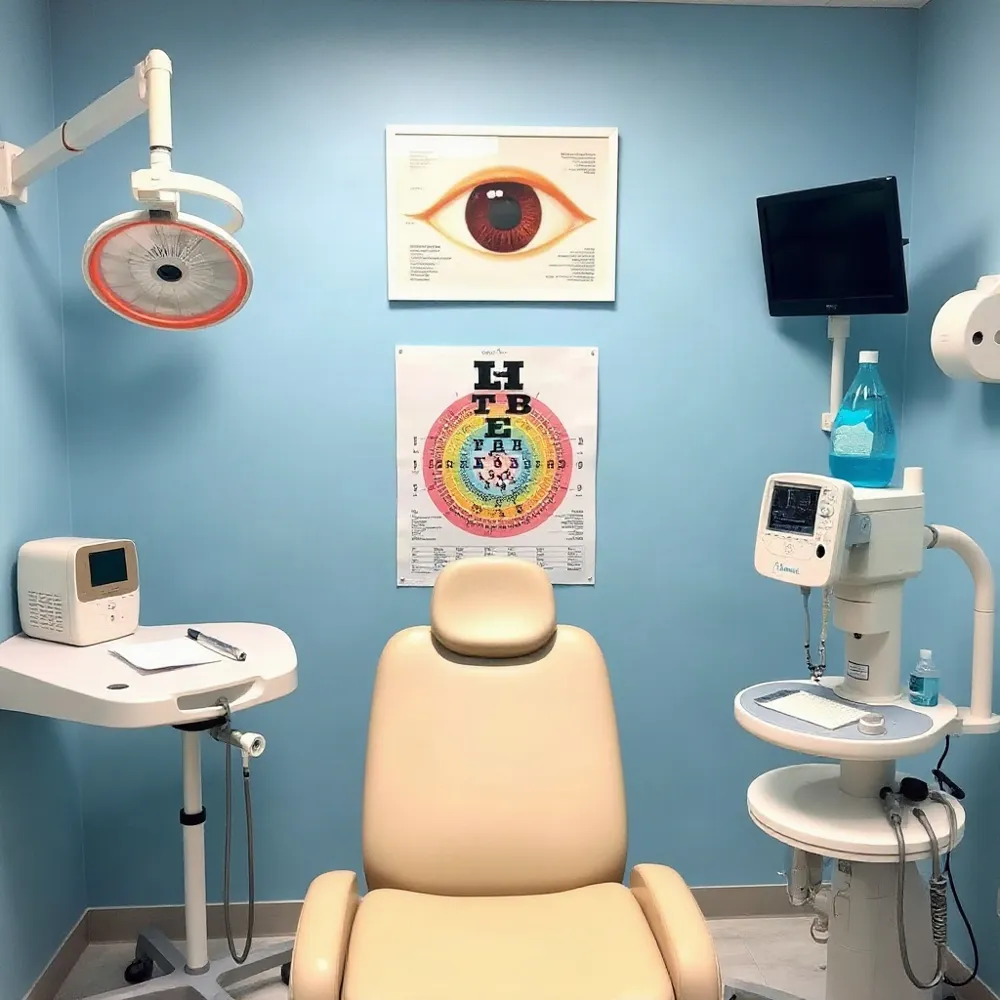 Both the American Optometric Association and the American Academy of Ophthalmology recommend that children receive their first comprehensive eye exam between 6 and 12 months of age. This initial assessment establishes a baseline for healthy visual development and can detect issues like strabismus (eye misalignment) or amblyopia (lazy eye) before they become more difficult to treat.
A second exam is recommended at age 3, followed by a third exam before the child starts grade school. After that, children should continue with annual eye exams. These regular check-ups help track vision changes as the eyes grow and develop. At Apple Eye Care, the family-focused team uses advanced diagnostics like the DRI OCT Triton to provide thorough assessments for young patients.
Signs That Warrant an Earlier Visit
Parents should schedule an exam sooner than the recommended timeline if they notice any of the following signs: frequent squinting or eye rubbing, tilting the head to see better, holding books or screens very close to the face, complaints of headaches or blurry vision, an eye that drifts or appears misaligned, or a child who avoids reading or close-up activities. Children often cannot describe vision problems, so these behavioral cues are a parent's most reliable indicator.
To prepare a child for their first visit, experts at InfantSEE suggest scheduling the appointment when the child is alert and well-rested, bringing a favorite toy for comfort, and explaining that the exam involves games like watching toys and naming shapes. Most pediatric exams take at least an hour, partly due to the time needed for dilating drops to take effect.
What to Expect During a Pediatric Eye Exam
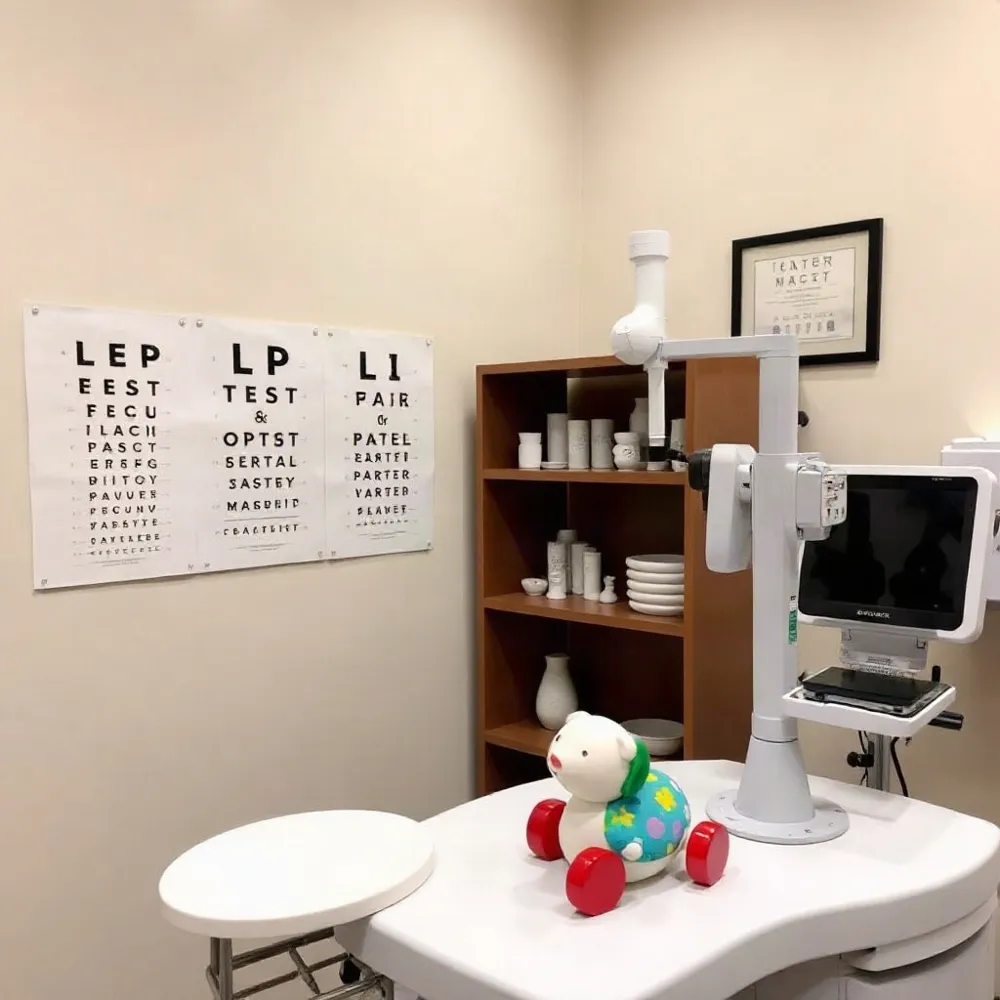 A pediatric eye exam is designed to be thorough yet child-friendly, typically lasting between one and one and a half hours. Knowing what happens during the visit can help parents prepare and ease any nerves.
Child-Friendly Testing Methods
Doctors use age-appropriate techniques to assess vision in children. For infants and toddlers, this may involve watching how a child tracks a small toy or light. Preschoolers can often respond to matching games or picture-based charts, such as Lea Symbols, rather than letter charts. School-aged children may read standard eye charts. Each eye is tested individually to check for differences in vision.
Comprehensive Exam Components
Beyond visual acuity, the optometrist evaluates eye muscle function, alignment, and how well the two eyes work together. A dilated eye exam is a routine part of the visit, allowing the doctor to examine the retina, lens, and optic nerve for signs of disease. The dilating drops may sting briefly, and the effects can last several hours, making the child sensitive to light afterward. The InfantSEE program's guidance suggests planning extra time for the drops to take effect.
Tips for Preparing Your Child
Preparation can make the experience smoother. Talk to your child beforehand using positive language — let them know there are no shots involved and that the exam will feel like playing games with shapes and toys. Practice eye drops at home by pretending to put them in a stuffed animal's eye, then having the child tip back their head and blink.
What to Bring
eyes can be checked too”), snacks, and diapers or a change of clothes. A bottle can help keep an infant calm during the exam. Sunglasses are helpful after dilation, though most offices provide temporary ones. Also bring a list of current medications, any known family history of eye conditions, and your questions for the doctor.
At Apple Eye Care in El Paso, pediatric exams are conducted with patience and personalized attention. The team uses advanced diagnostic tools such as the DRI OCT Triton to detect issues early, and the child-friendly environment helps young patients feel at ease.
Protecting Vision at Home and Outdoors
 Beyond the exam room, daily habits shape a child’s long-term eye health. Simple practices at home and during outdoor play can significantly lower the risk of injuries and slow the onset of common conditions like myopia.
Outdoor Time and UV Protection
Spending at least an hour outside each day relaxes the eyes’ focusing muscles and can slow the progression of nearsightedness. When outdoors, children should wear sunglasses that block 100% of UV rays. The American Academy of Ophthalmology notes that natural light exposure during early childhood, combined with looking at distant objects, provides a protective benefit against myopia.
Safety at Home and During Sports
According to the InfantSEE program, a child’s first comprehensive eye exam can take more than an hour, giving parents a good moment to discuss safety. At home, keep sharp objects and household chemicals out of reach. For sports, protective eyewear with polycarbonate lenses is recommended, as sports-related injuries account for over 1.5 million emergency visits annually in the U.S.
Nutrition for Healthy Eyes
A balanced diet rich in fruits, vegetables, and omega-3 fatty acids supports normal vision development. Nutrients like vitamin A and lutein—found in leafy greens and colorful produce—help maintain the retina and reduce the risk of future eye disease.
At Apple Eye Care in El Paso, the family-focused team combines advanced diagnostics like the DRI OCT Triton with personalized guidance on everyday eye protection, helping families build sustainable habits for healthy vision.
Managing Screen Time and Digital Eye Strain
Devices are part of daily life for most families, but the amount of time children spend on screens calls for intentional boundaries. According to the CDC, children between 8 and 18 years old may spend up to 9 hours each day on screens for entertainment. The American Academy of Pediatrics recommends no digital media (except video-chatting) for children under 18 to 24 months, while the World Health Organization advises zero screen time before age 1 and very limited use thereafter.
Practical Rules and Ergonomic Habits
The 20-20-20 rule is a simple way to break up screen sessions — every 20 minutes, look at something 20 feet away for 20 seconds — to relax the eye muscles and reduce fatigue. The 3-6-9-12 framework offers another guide: no screens before age 3, no personal gaming device before 6, supervised internet use at 9, and no solo smartphone before 12. Good ergonomics matter too. Keep the screen at arm's length, slightly below eye level, and ensure the room is well lit to minimize glare.
Blinking, Dry Eyes, and Outdoor Time
Children blink less when focusing on screens, which can lead to dry, irritated eyes. Remind them to blink frequently, and consider a humidifier or preservative-free artificial tears if dryness persists. A 2019 study in Ophthalmology found that spending time outdoors — especially in early childhood — can help slow the progression of myopia. At Apple Eye Care, the team discusses screen habits and outdoor play during routine exams, helping families build balanced routines for long-term vision health.
Understanding Optometrists vs. Ophthalmologists
Parents often wonder which type of eye doctor their child needs. Both optometrists and ophthalmologists play important roles, but their training and scope of care differ.
Optometrists for Routine Care
An optometrist is a primary care doctor for the eyes. They perform comprehensive eye exams, prescribe glasses and contact lenses, and diagnose common conditions such as nearsightedness, farsightedness, and astigmatism. For most children with routine vision needs, an optometrist is an excellent first choice. At Apple Eye Care, Dr. Stephen Applebaum provides family-centered optometry services for children of all ages, using advanced technology like DRI OCT Triton for precision diagnostics.
Ophthalmologists for Complex Conditions
An ophthalmologist is a medical doctor who can diagnose and treat all eye diseases, including performing surgery. For complex conditions such as strabismus (crossed eyes), amblyopia (lazy eye), congenital cataracts, or eye injuries, an ophthalmologist's advanced training is essential.
Pediatric Specialists in El Paso
El Paso families have access to dedicated pediatric specialists. For a medical doctor with expertise in children's eye diseases, consider Dr. Violeta Radenovich at the Children's Eye Center or Dr. Carlos Vazquez at West Texas Eye Associates. For routine vision checks and personalized care for the whole family, Apple Eye Care offers comprehensive services including eye exams and vision correction, using modern diagnostic tools to detect issues early.
Slowing Myopia and Managing Vision Problems
Myopia, or nearsightedness, has become increasingly common among children, with rates in the United States nearly doubling since 1971, according to research cited by the American Academy of Ophthalmology. The condition occurs when the eye elongates, causing light to focus in front of the retina instead of directly on it. Without intervention, myopia tends to worsen over time, increasing the risk of serious eye conditions later in life.
Low-dose atropine drops. Daily eye drops that help slow the eye's elongation. This is a widely studied and effective first-line treatment for myopia progression.
Special glasses and multifocal contacts. Eyeglass designs like Essilor Stellest or multifocal contact lenses use optical principles to reduce the stimulus for the eye to grow longer, effectively slowing myopia.
Orthokeratology (Ortho-K). Specially fitted rigid contact lenses worn overnight to temporarily reshape the cornea, providing clear daytime vision while also slowing myopia progression.
The same study referenced by the AAO found that spending time outdoors — especially in early childhood — can slow the progression of nearsightedness. Exposure to natural light and the opportunity to focus at longer distances appear to protect the eyes. Encouraging at least one to two hours of outdoor play each day is a simple, powerful habit for managing your child's vision.
Beyond myopia, regular eye exams catch other common childhood conditions early. Amblyopia (lazy eye) occurs when one eye doesn't develop normal visual connections with the brain, and strabismus (crossed or misaligned eyes) affects eye alignment and depth perception. Refractive errors like astigmatism or farsightedness are also easily corrected with glasses. The earlier these are identified, the more effective treatment tends to be.
Modern technology plays a major role in managing these conditions. At Apple Eye Care, Dr. Stephen Applebaum uses the DRI OCT Triton, an advanced imaging device, to capture detailed cross-sectional images of the eye's internal structures. This precision allows for earlier detection of subtle changes and more confident management of myopia, amblyopia, and other vision problems.
Annual eye exams are the foundation of ongoing monitoring. Even if a child shows no obvious signs of vision trouble, a comprehensive exam can detect subtle shifts in prescription or eye health that a school screening might miss. Apple Eye Care offers personalized, family-focused care and can help guide your family through the most effective myopia control plan and long-term vision management.
Building Healthy Vision Habits Together
Consistent eye exams and daily habits create a foundation for a child's long-term vision health. Parents who model good screen habits, encourage outdoor play, and keep up with annual exams set an example their children will follow.
Early intervention for conditions like amblyopia or myopia can prevent more serious problems later in life. For families in El Paso, Apple Eye Care offers pediatric eye exams with advanced technology and a compassionate team that puts children at ease.